


Muscular Dystrophy Breakthroughs: Why Canadian Patient Daniel Traveled to Mexico for Stem Cells
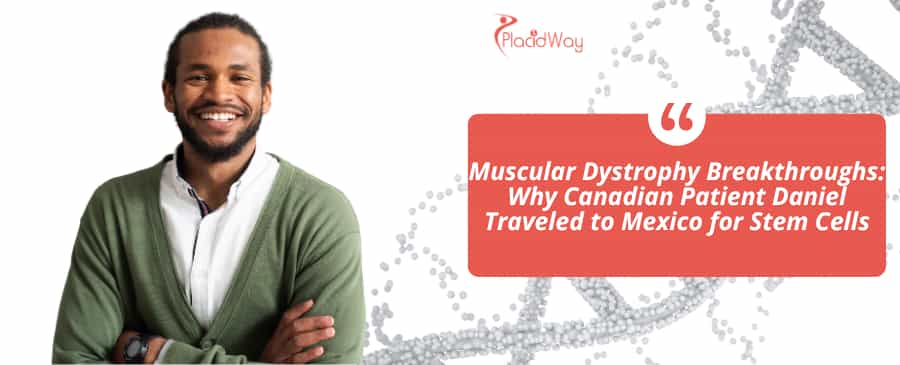
Profession: High School Teacher
Residence: Vancouver, Canada
Treatment: Stem Cell Therapy for Muscular Dystrophy
Treatment Destination: Tijuana, Mexico
Medical Tourism Platform: PlacidWay
Partner Clinic: Immunity Therapy Center
1. The Heavy Burden of a Muscular Dystrophy Diagnosis
There is a specific kind of coldness that washes over you when a doctor delivers a life-altering diagnosis. For me, that moment came on a rainy Tuesday in Vancouver. For months, I had been experiencing a strange, progressive weakness in my legs. As a high school teacher who was always on his feet, pacing the classroom and coaching the debate team, I initially brushed it off as fatigue or getting older. But when I started tripping over flat surfaces and struggling to climb the short flight of stairs to my apartment, I knew something was deeply wrong.
After endless tests, blood work, and muscle biopsies, my neurologist finally gave it a name: Muscular Dystrophy. Hearing those words felt like a physical blow to my chest. The doctor explained that it was a progressive disease causing muscle mass loss and weakness. There was no cure, only management. The emotional turmoil that followed was suffocating. I spent sleepless nights staring at the ceiling, wondering how long I had before I would lose my independence completely. The future I had envisioned for myself was suddenly rewritten, and the pen wasn’t in my hands.
I tried to maintain a brave face for my family and my students, but inside, I was crumbling. The sheer uncertainty of my condition was terrifying. Every muscle twitch, every moment of fatigue felt like a ticking clock. I was mourning the loss of my physical capabilities while I was still standing, trapped in a body that felt like it was slowly giving up on me.
2. The Limitations of Healthcare at Home and Growing Frustration
In Canada, we are fortunate to have a robust healthcare system, and I am deeply grateful for the diagnostic care I received. However, as my condition progressed, the limitations of standard care became glaringly apparent. The treatment plan laid out for me consisted entirely of physical therapy, occupational therapy, and medications to manage symptoms. While these interventions were helpful in maintaining some mobility, they were fundamentally reactive. We were just managing the decline, trying to slow down an inevitable loss of function.
I am not someone who gives up easily. I started spending hours online reading medical journals, patient forums, and international research. I wanted something proactive, something that could potentially repair the damage rather than just put a band-aid on it. This is how I first learned about regenerative medicine. The more I read about how patients were managing their symptoms through cellular therapies, the more a spark of hope ignited within me. But when I brought these options up to my local doctors, I was met with skepticism and the reality that such progressive treatments were not approved or available to me at home.
The frustration was immense. I felt like I was racing against time, and the very system designed to help me was telling me to simply sit and wait. I knew that if I wanted to fight this disease on my own terms, I would have to look beyond my borders. The idea of traveling for medical care was daunting, but staying complacent while my muscles deteriorated was simply not an option.
3. Discovering Stem Cell Therapy in Mexico
My research eventually led me to explore stem cell therapy for muscular dystrophy in Mexico. At first, the concept of medical tourism in Mexico felt overwhelming. Like many people, I had preconceived notions and concerns. Was it safe? What about the quality of care? Could I trust the clinics I was seeing online? The emotional weight of making this decision was heavy. I was weighing the potential for a breakthrough against the fear of the unknown.
However, the more I delved into the specifics, the more reassured I became. Mexico has become a global hub for regenerative medicine, boasting state-of-the-art facilities and doctors who specialize in advanced cellular therapies. The country's medical regulations allow for safe, ethical, and innovative treatments that are still years away from approval in North America. Furthermore, the prospect of affordable healthcare abroad meant that this potentially life-altering treatment wouldn't completely bankrupt my family.
I had to have a difficult conversation with my family. We discussed the financial implications, the logistics, and my deeply rooted hopes. It was a leap of faith, but the alternative—watching my body slowly fail while doing nothing—was unbearable. I decided that pursuing stem cells in Mexico was a risk worth taking. I just needed to figure out how to do it safely and effectively.
4. How PlacidWay Guided My Medical Tourism Journey to Tijuana
Knowing what I wanted to do and actually doing it were two very different things. The internet is a vast place, and trying to vet international clinics on my own felt like navigating a minefield. That’s when I discovered PlacidWay medical tourism assistance. Finding their platform was like finding a compass in the dark. They provided a structured, transparent way to explore my options without feeling pressured or overwhelmed.
The PlacidWay support team was incredible from day one. I didn't just get handed a list of clinics; the platform allowed me to search through highly rated, accredited medical centers in Tijuana. I was able to review their profiles, read about the doctors' credentials, and understand the science behind their specific protocols. PlacidWay facilitated direct communication between me and the medical specialists. Within a week, I was exchanging messages with top-tier doctors who reviewed my medical records with genuine care.
The most pivotal moment was the video virtual consultation PlacidWay arranged. Sitting in my living room in Vancouver, I spoke face-to-face with the leading physician in Mexico. He didn't promise me a miracle cure, which actually increased my trust in him. He explained exactly how the therapy could reduce inflammation, slow the progression, and potentially restore some muscle function. After the consultation, PlacidWay helped me get a formal, itemized quote. There were no hidden fees and no surprises. The transparency gave me the peace of mind I desperately needed to move forward.
5. Arriving in Mexico: My First Impressions of the Medical Center
The day I boarded my flight to San Diego to cross the border into Tijuana, my stomach was in knots. It was a mixture of intense anxiety and soaring hope. My brother accompanied me, and as we made our way to the clinic, I quietly wondered if I had made the right choice. All those doubts vanished the moment I walked through the doors of the Immunity Therapy Center.
Any lingering stereotypes I had about foreign healthcare were instantly shattered. The facility was pristine, modern, and radiated a sense of calm. But what struck me most wasn't the state-of-the-art equipment; it was the warmth of the medical team. The nurses greeted me by name, and the lead doctor sat down with me for over an hour to discuss the treatment plan one last time. There was no rushing, no clinical coldness. I was treated as a human being, not just a patient file.
Before the treatment began, I underwent a comprehensive series of blood tests and physical evaluations to tailor the stem cell dosage exactly to my body's needs. The level of personalized care was beyond anything I had experienced back home. I felt incredibly safe and supported, knowing that I was in the hands of professionals who genuinely cared about my outcome.
6. The Step-by-Step Stem Cell Treatment Process for Muscular Dystrophy
The actual procedure for my stem cell therapy for muscular dystrophy in Mexico was remarkably straightforward and practically painless. Over the course of several days, I received millions of mesenchymal stem cells. The primary method of delivery was through an intravenous (IV) infusion, which allowed the regenerative cells to circulate throughout my body, targeting systemic inflammation and seeking out damaged muscle tissue.
I also received localized injections in the specific muscle groups that had been most affected by the dystrophy, particularly in my thighs and calves. The medical staff at the Immunity Therapy Center monitored me closely during every step of the process. I would sit in a comfortable recliner, reading a book or listening to music, while the IV drip did its work. It was surprisingly peaceful.
What impressed me further was the holistic approach they took. Alongside the cellular therapy, I was given complementary treatments designed to optimize my body's ability to heal and accept the new cells, including hyperbaric oxygen therapy and targeted nutritional IVs. It felt like a complete, full-body reset. Throughout the entire week, I experienced no severe side effects, only a mild tiredness that the doctors assured me was my body working hard to begin the healing process.
7. The Road to Recovery: Small Victories and Renewed Hope
Returning home to Canada, I knew that stem cell therapy wasn't magic—it takes time for the cells to integrate and promote regeneration. The first few weeks were a lesson in patience. I experienced emotional ups and downs, waking up some days analyzing every movement, wondering if the treatment was working. But then, the small victories started to happen.
About a month post-treatment, I realized the chronic, deep-bone fatigue that usually plagued me by 2:00 PM was lifting. I had more energy to get through my teaching day. By month three, the changes were physical. The persistent weakness in my legs felt less severe. I vividly remember the day I walked up the stairs to my apartment without having to grip the handrail for dear life. I stood at the top of the landing and just cried. It was a small victory for a healthy person, but for me, it was a monumental triumph.
As the months progressed, the physical transformation brought an incredible emotional transformation. The dark cloud of inevitable decline had lifted. While I still have Muscular Dystrophy, the rapid progression has halted, and my quality of life has vastly improved. I am back to coaching the debate team with enthusiasm, and I no longer live in constant fear of my own body.
8. Reclaiming My Life: My Empowering Message to Other Patients
Looking back on my journey, from the devastating day of my diagnosis to the vibrant life I am living now, I am filled with overwhelming gratitude. Taking the leap into medical tourism in Tijuana was the best decision I could have ever made for my health. It wasn't just about finding affordable healthcare abroad; it was about finding doctors who were willing to look beyond standard limitations and offer genuine, cutting-edge hope.
I want anyone out there who is battling a chronic, progressive condition to know this: you have options. Do not let fear or geographical borders dictate your health and your future. The world of medicine is vast, and breakthroughs are happening every day. Having a platform like PlacidWay to empower your search, connect you with world-class specialists, and provide transparent quotes makes the entire process accessible and safe.
You are the strongest advocate for your own health. If the answers you are getting at home aren't enough, keep looking. My patient story is proof that healing is possible, that progress is achievable, and that taking a bold step into the unknown can give you your life back.
Ready to Start Your Own Success Story?
Connect with top-tier medical specialists in Mexico and discover how personalized stem cell therapy can transform your life, just like it did for Daniel.
Get Your Free Consultation TodayDisclaimer: The narratives presented here reflect the true experiences of individuals, though names have been altered to ensure privacy. These stories are intended to offer information and inspiration but should not replace professional medical guidance. Outcomes and experiences can differ widely from person to person. Always seek the advice of qualified healthcare professionals before making any medical choices, as they can provide tailored advice and support for your unique health needs.

.png)









Share this listing