


Japan Stem Cell Therapy for Type 2 Diabetes Patient Experience
Read real patient reviews from individuals who once struggled to balance blood sugar levels, manage metabolic fatigue, and maintain stable glucose metrics. In this detailed review of Stem Cell Therapy for Type 2 Diabetes in Tokyo Japan patient experience, you will explore authentic patient stories alongside scientifically documented case records from Helene Clinic. Discover how advanced autologous stem cell interventions help optimize metabolic functions and lower HbA1c counts through advanced regenerative therapy.
Executive Overview: Autologous Stem Cells for Diabetes in Japan
Helene Clinic in Tokyo is a globally recognized pioneer in advanced regenerative medicine, fully authorized by the Ministry of Health, Labour and Welfare of Japan. Utilizing cutting-edge Diabetes Stem Cell Therapy in Japan, the clinic focuses on metabolic health recovery and systemic cellular repair.
✓ Intravenous Delivery: Autologous Mesenchymal Stem Cells (MSCs) are infused directly into the bloodstream, allowing them to travel throughout the body to promote tissue repair, pancreatic regeneration, and systemic reduction of chronic inflammation.
✓ Empirical Verification: Patient health tracking extends up to 5 years post-infusion, with data collected continuously through routine surveys, online interviews, and clinical blood examinations.
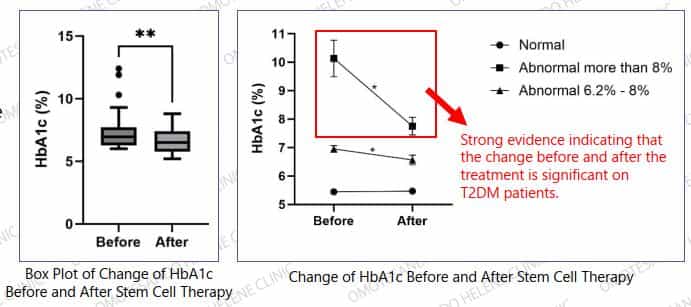
✓ Proven Clinical Records: Therapeutic data demonstrates highly effective outcomes, significantly decreasing long-term HbA1c levels and improving lifestyle vitality.
Why Choose Helene Clinic for Stem Cell Treatment in Japan for Diabetes?
When seeking therapeutic options for metabolic disorders, clinical oversight, regulatory authorization, and proven case data are paramount. Helene Clinic distinguishes itself as an international standard-bearer in Tokyo, Japan. By harvesting and culturing a patient's own Autologous Stem Cells for Diabetes in Japan, their expert medical staff targets the foundational physiological mechanisms of insulin resistance, systemic tissue degradation, and pancreatic inflammation.
-
Full Government Accreditation: Regulated under strict Japanese regenerative medicine compliance, ensuring premium cellular safety, high viability controls, and legal verification.
-
High-Potency Isolates: Delivery of high-density pure cell lines (ranging from 100 million to 2 billion autologous stem cells per infusion) optimized for maximum metabolic therapeutic response.
-
Comprehensive Clinical Monitoring: Extended follow-ups track crucial systemic biological markers to ensure sustained glycemic control and physical wellness.
-
Bilingual International Support: Providing dedicated medical concierge support, transparent plan mapping, and full synchronization tailored for international medical travelers.
Quick Facts: Regenerative Diabetes Therapies
| Primary Cellular Vector | Autologous Mesenchymal Stem Cells (MSCs) |
| Administration Route | Intravenous (IV) Drip Infusion |
| Therapeutic Potency Range | 100 Million to 2 Billion High-Viability Cells per Session |
| Primary Outcome Trackers | HbA1c Percentage, Glycemic Stability, Medication Reduction |
| Long-Term Evaluation Core | Up to 5-Year Clinical Surveys & General Blood Examinations |
| Core Clinical Focus | Root-cause cellular regeneration and inflammation control |
Type 2 Diabetes Clinical Case Reports
Case Report 1: Significant One-Year HbA1c Reduction in an Elderly Female Patient
Patient Profile: Age 79 | Female Patient
Clinical Intervention: Intravenous (IV) therapy delivering a high-concentration isolate of 2 billion autologous Mesenchymal Stem Cells (MSCs) into the patient's bloodstream.
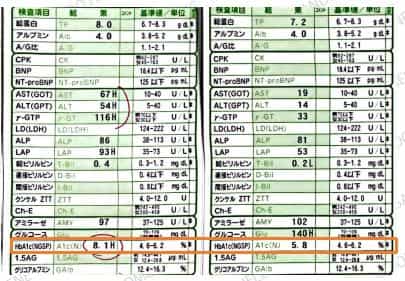
Post-Treatment Results & Feedback: Following the autologous cellular infusion, the patient's biological metrics showed profound metabolic improvement. Her baseline HbA1c drastically decreased from 8.1% down to a stable 5.8% within a one-year follow-up window, indicating excellent blood sugar control without adverse systemic events.
Case Report 2: Successful Glycemic Regulation with High-Density MSC Infusion
Patient Profile: Age 77 | Female Patient
Clinical Intervention: Systems-wide intravenous delivery consisting of 2 billion cultured autologous MSCs to promote metabolic tissue repair and down-regulate chronic internal pancreatic inflammation.
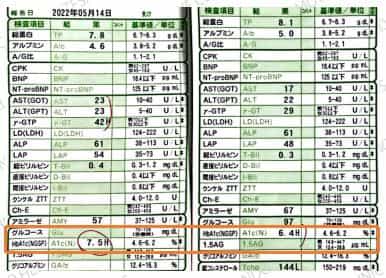
Post-Treatment Results & Feedback: Long-term blood examinations collected during clinical follow-ups confirmed a steady decline in the patient's glucose metrics. Her overall HbA1c dropped from 7.5% to 6.4% over a one-year monitoring period, successfully moving closer to target parameters.
Case Report 3: Multi-Year Functional Restoration and Active Lifestyle Recovery
I. Patient Profile & Baseline Metrics:
Age: 46 | Sex: Male | Height/Weight: 164cm / 82kg
Lifestyle Factors: Non-smoker, does not consume alcohol.
Chief Complaint: Diagnosed with Type 2 Diabetes two years prior. No secondary diabetic complications present at baseline.
II. Medical and Treatment History:
Initially diagnosed via diagnostic evaluations in Singapore showing elevated HbA1c levels. The patient managed his condition using prescription medications rather than insulin therapy. His daily pharmaceutical regimen included:
-
Diabetes Management: Gliclazide (Diamicron) and Metformin (Glucophage / Glucophage XR).
-
Cholesterol Regulation: Atorvastatin (Lipitor).
III. Specialized MSC Treatment Plan at Helene Clinic:
The medical team arranged a phased Stem Cell Treatment in Japan for Diabetes using progressive systemic intravenous drips:
-
January 2019: IV infusion of 100 million autologous MSCs.
-
May 2023: Secondary booster IV infusion of 100 million autologous MSCs.
-
February 2024: High-density biological consolidation track with 2 billion autologous MSCs.
IV. Post-Treatment Progression & Feedback:
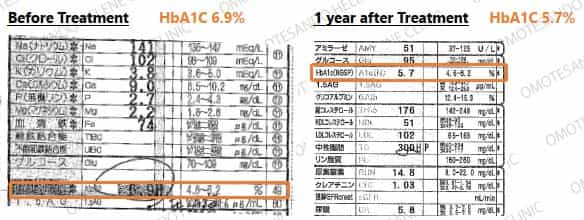
The patient reported that following his initial cellular infusion, his metabolic indicators stabilized smoothly. Guided by medical staff, he coupled his treatment with routine physical exercise and careful dietary control. Noting this durable stability, his primary attending physicians at the Singapore clinic safely advised reducing the frequency of his routine follow-up checkups.
Throughout this cellular treatment timeline, the patient built exceptional health habits. He regained high physical endurance, actively competing in demanding sports events like marathons and triathlons. Backed by annual regenerative protocols, he fully recovered a fulfilling lifestyle and the physical health to comfortably chase his dreams.
Ready to Explore Cellular Rejuvenation for Diabetes?
Take a proactive step toward stabilizing your glycemic metrics and restoring organic energy levels. Plan an expert consultation regarding Diabetes Stem Cell Therapy in Japan with the clinical specialists at Helene Clinic through PlacidWay Medical Tourism. Secure your customized medical roadmap and check cell viability options tailored to your metabolic goals.
Request Your Consultation Now










.png)
.png)
.png)
.png)








Share this listing