


The Ultimate Guide: Liposuction vs. Tummy Tuck - See the Difference
Are you struggling to achieve a flat, sculpted midsection despite rigorous diet and exercise? You are not alone in this frustrating battle. When deciding between a Liposuction vs. Tummy Tuck, making the right choice is absolutely crucial for achieving your specific aesthetic goals.
Both are highly effective, globally recognized body contouring procedures, but they serve entirely different anatomical purposes. Understanding whether your body requires targeted fat removal or comprehensive abdominal muscle repair is the very first step toward a transformed physique. Keep reading to see the difference and make a fully informed medical decision.
Video Chapters & Quick Navigation
The Anatomy of the Abdomen: Why Diet and Exercise Sometimes Fail
To truly understand the difference between these two popular procedures, we must first look at human anatomy. The abdominal region is incredibly complex, consisting of various layers including skin, subcutaneous fat, fascia, and the underlying rectus abdominis muscles. When you gain and subsequently lose weight, or go through the profound physical changes of pregnancy, each of these structural layers reacts differently.
Subcutaneous fat, which sits just beneath the skin, is notoriously resistant to cardiovascular exercise and caloric deficits. As highlighted in the video at , genetic predispositions often dictate where our bodies store this stubborn localized fat. No amount of crunches or planks can spot-reduce these isolated fat deposits, leaving many individuals deeply frustrated.
Furthermore, the skin and abdominal muscles are prone to permanent stretching. Collagen and elastin fibers in the skin can only stretch so far before they lose their ability to snap back, resulting in loose, hanging skin. Similarly, the central abdominal muscles can separate during pregnancy—a medical condition known as diastasis recti—creating a permanent lower belly bulge that surgery alone can correct.
Decoding Liposuction: The Gold Standard for Targeted Fat Removal
Liposuction remains one of the most frequently performed cosmetic surgeries worldwide, and for a very good reason. It is designed specifically to target, break up, and suction out diet-resistant fat cells from specific areas of the body. This body contouring surgery option is less invasive than an abdominoplasty and focuses purely on fat reduction rather than structural alteration.
During the procedure, a board-certified plastic surgeon makes tiny, inconspicuous incisions near the treatment area. A sterile solution containing local anesthetic and epinephrine is injected to minimize bleeding and trauma to the surrounding tissues. As discussed in the video at , a thin hollow tube called a cannula is then inserted to loosen the excess fat.
A high-pressure vacuum is attached to the cannula, smoothly extracting the fat cells and permanently removing them from the body. Because the fat cells are physically taken out, the results are remarkably long-lasting, provided the patient maintains a relatively stable weight post-operation.
Advanced Variations of Liposuction Technology
The field of aesthetic medicine has evolved rapidly, introducing several advanced techniques to improve liposuction results. Traditional tumescent liposuction is highly effective, but modern surgeons also utilize ultrasound-assisted liposuction (VASER) to liquefy fat cells before removal. This targeted approach allows for smoother contouring and is particularly useful for fibrous areas like the male chest or upper back.
Laser-assisted liposuction (SmartLipo) is another highly sought-after alternative. This technique utilizes thermal energy to melt the fat and simultaneously promote mild skin contraction through collagen stimulation. However, it is vital to understand that no form of liposuction is a substitute for weight loss, nor can it correct severe skin laxity.
The Tummy Tuck Explained: Comprehensive Abdominal Rejuvenation
A tummy tuck, medically referred to as an abdominoplasty, is a comprehensive surgical intervention designed to dramatically reshape the entire midsection. Unlike liposuction, which only addresses localized fat, a tummy tuck tackles three distinct anatomical issues: excess fat, loose skin, and weakened abdominal muscles. This makes it the premier choice for maternal makeovers and massive weight loss patients.
The surgical process is significantly more involved than fat aspiration. The surgeon creates a horizontal incision between the pubic hairline and the belly button. The length of this incision varies depending on the amount of excess skin being removed, as detailed in the video at . The skin is then carefully elevated to reveal the underlying abdominal wall.
Once the fascia is exposed, the surgeon meticulously pulls the separated abdominal muscles back together, suturing them tightly into their original anatomical position. This internal corset effect flattens the abdominal wall and dramatically narrows the waistline.
Skin Excision and Umbilicoplasty
After the internal muscles have been fortified, the surgeon pulls the elevated skin downward. The redundant, stretched-out skin—often bearing stretch marks from pregnancy or weight gain—is surgically excised and discarded. This leaves the abdomen taut, smooth, and aesthetically pleasing.
Because the skin is pulled down so tightly, the original belly button is usually covered. The surgeon must create a new opening for the belly button to emerge through, a precise process known as an umbilicoplasty. The incisions are then meticulously closed using layered sutures, skin adhesives, or surgical tape to minimize visible scarring.
Liposuction vs. Tummy Tuck: A Detailed Comparative Analysis
When weighing abdominoplasty vs lipo, visualizing the specific distinctions can greatly assist in your decision-making process. While both aim to improve the contours of the body, their methodologies and primary functions are radically different. The following table breaks down the fundamental surgical differences to help you see the bigger picture.
| Feature | Liposuction | Tummy Tuck (Abdominoplasty) |
|---|---|---|
| Primary Goal | Targeted removal of localized fat deposits. | Removal of loose skin and tightening of abdominal muscles. |
| Incision Size | Tiny incisions (few millimeters) for cannula insertion. | Long horizontal incision from hip to hip. |
| Muscle Repair | None. Does not address separated muscles. | Yes. Sutures the rectus abdominis muscles together. |
| Skin Removal | None. Relies entirely on natural skin elasticity. | Significant excision of redundant, inelastic skin. |
| Anesthesia | Often performed under local anesthesia with sedation. | Almost always requires general anesthesia. |
As the table illustrates, relying on liposuction when you actually require an abdominoplasty will yield highly disappointing results. Extracting fat from an abdomen that already suffers from loose skin will merely deflate the area, causing the skin to hang even more loosely. Conversely, performing a tummy tuck on a patient who only needs minor fat reduction exposes them to unnecessary surgical risks and an elongated scar.
Evaluating Your Candidacy: Which Body Contouring Surgery Suits You?
Determining the best cosmetic surgery for loose belly skin or stubborn fat requires an honest assessment of your physical state. During an initial consultation, a plastic surgeon will physically examine your skin's elasticity, the thickness of your subcutaneous fat, and the integrity of your abdominal wall. They will also review your medical history to ensure you are healthy enough for elective surgery.
Age, weight stability, and future family planning play monumental roles in this decision. Surgeons strongly advise against undergoing a tummy tuck if you plan to become pregnant in the future, as the internal muscle repair can easily be undone by a growing uterus. Let us explore the ideal patient profiles for each respective procedure.
The Ideal Liposuction Patient
The perfect candidate for liposuction is someone who is already close to their ideal body weight but struggles with disproportionate bulges of fat. This patient must have excellent skin elasticity, meaning their skin possesses enough collagen to shrink and conform to the new, slimmer contour once the fat is removed. Without adequate elasticity, the skin will sag awkwardly over the newly hollowed areas.
This patient typically has a firm, intact abdominal wall without any history of diastasis recti. They are non-smokers, maintain a healthy lifestyle, and have realistic expectations about the limitations of fat aspiration. For these individuals, liposuction offers a minimally invasive route to a highly sculpted, athletic physique.
The Ideal Tummy Tuck Patient
Conversely, the ideal candidate for an abdominoplasty is someone suffering from structural abdominal issues that diet and exercise cannot possibly fix. This frequently includes mothers who have experienced multiple pregnancies, leaving them with torn abdominal muscles and severe stretch marks. It also deeply benefits patients who have lost a massive amount of weight, either through bariatric surgery or lifestyle changes, leaving behind aprons of heavy, chafing skin.
This patient is fully committed to the extended recovery process and understands that a hip-to-hip scar is a necessary trade-off for a flat, functional abdomen. They have reached a stable weight and are medically cleared for general anesthesia and a prolonged healing phase.
Navigating Post-Operative Recovery Timelines
One of the most critical factors patients weigh when choosing between these procedures is the downtime. The liposuction recovery time is vastly shorter and significantly more manageable than a tummy tuck recovery process. Because liposuction does not involve muscle repair or large tissue excision, the bodily trauma is strictly localized to the fat layer.
After liposuction, patients typically experience moderate swelling, bruising, and soreness that feels similar to an intense muscular workout. Most individuals can comfortably return to desk jobs within three to five days. You will be required to wear a medical-grade compression garment around the clock for several weeks to minimize swelling and help the skin adhere to the new muscle contours.
A tummy tuck, however, requires a major commitment to resting and healing. Because the core muscles have been surgically altered, patients will find it incredibly difficult to stand upright for the first week or two. You will likely go home with surgical drains to prevent fluid accumulation, which must be emptied and tracked daily.
Long-Term Healing Considerations
Returning to work after an abdominoplasty generally takes two to four weeks, depending on the physical demands of your occupation. Heavy lifting, strenuous cardiovascular exercise, and abdominal workouts must be strictly avoided for a minimum of six weeks to prevent tearing the internal muscle sutures. As noted in the video at , patience is paramount during this phase.
While the initial recovery spans several weeks, residual swelling can persist for up to six months. Scar management protocols, including silicone tape and specialized massage, are vital to ensure the incision line fades as cleanly as possible. Only after a full year will the final, permanent aesthetic results of a tummy tuck become entirely visible.
Financial Investments: The Cost of Tummy Tuck vs Liposuction
When assessing body contouring surgery options, the financial investment is a significant consideration for most patients. Because these are elective cosmetic procedures, they are rarely covered by traditional health insurance providers. The total price tag is usually composed of the surgeon's fee, the anesthesiologist's fee, operating room facility costs, and post-operative garments.
Generally speaking, liposuction surgery prices are notably lower than abdominoplasty costs. Liposuction typically ranges from $3,000 to $7,000, depending heavily on the number of areas being treated and the volume of fat removed. Because the procedure is shorter and often utilizes local anesthesia, facility and medication costs are kept relatively low.
The average cost of a tummy tuck is considerably higher, frequently ranging between $8,000 and $15,000 or more in Western countries. The lengthy duration of the surgery, the absolute necessity of a board-certified anesthesiologist, and the complex nature of muscle repair all drive up the final price. For this reason, many patients are turning to global medical tourism to access elite surgical care at a fraction of domestic prices.
Combining the Procedures for the Ultimate Transformation
For many patients, the debate of Liposuction vs. Tummy Tuck ends in a highly effective compromise: doing both simultaneously. This hybrid procedure, often referred to in the medical community as a lipoabdominoplasty, delivers the most dramatic and comprehensive aesthetic transformation possible. It tackles all three major anatomical concerns—fat, skin, and muscle—in a single operative session.
During a lipoabdominoplasty, the surgeon will typically perform liposuction on the flanks, waistline, and upper abdomen first. This aggressively thins the fat layer and frees up the tissue. As highlighted in the video at , removing fat from the flanks cinches the waist, creating a coveted hourglass silhouette that a tummy tuck alone cannot achieve.
Once the fat is removed, the surgeon proceeds with the traditional tummy tuck steps: repairing the diastasis recti and excising the loose skin. Combining the surgeries means undergoing only one session of general anesthesia and consolidating the downtime into a single recovery period. It represents the pinnacle of modern surgical body contouring, providing patients with a tighter, leaner, and profoundly sculpted midsection.
Ready to Transform Your Body with Confidence?
Whether you need targeted liposuction or a comprehensive tummy tuck, PlacidWay Medical Tourism connects you with world-renowned board-certified plastic surgeons. Access elite body contouring care globally at unbeatable prices. Let us guide you to the silhouette you deserve.
GET A FREE SURGICAL QUOTE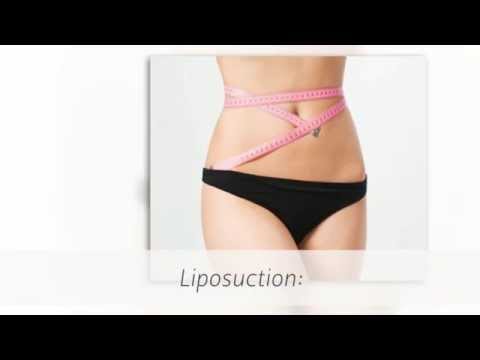




.jpg)









Share this listing