


Unveiling Hope: Stem Cell Therapy COPD Disease Testimonial in Serbia
Living with chronic respiratory failure can feel like an endless battle for every single breath. For millions of individuals diagnosed with Chronic Obstructive Pulmonary Disease, the traditional medical pathways often provide limited relief, focusing heavily on symptom management rather than actual cellular repair. However, a profound breakthrough is changing the landscape of respiratory care. This powerful stem cell therapy COPD disease testimonial in Serbia highlights a remarkable alternative for patients seeking true restorative healing.
By harnessing the power of advanced regenerative medicine, world-class medical facilities in Eastern Europe are providing unprecedented results. Watch this inspiring journey to understand how cutting-edge treatments in Belgrade are helping patients dramatically improve their lung capacity, reduce systemic inflammation, and reclaim their active lifestyles without exorbitant medical costs.
Video Chapters & Quick Navigation
The Invisible Weight: The Daily Struggle with COPD
Chronic Obstructive Pulmonary Disease is a progressive, debilitating respiratory condition that slowly robs individuals of their independence. For the millions of people diagnosed worldwide, the disease manifests primarily through chronic bronchitis and emphysema. These conditions destroy the delicate air sacs in the lungs known as alveoli, leading to severe airflow obstruction. Patients describe the sensation as trying to breathe through a narrow drinking straw while simultaneously carrying a heavy weight on their chest.
Traditional medicine typically approaches COPD with a combination of bronchodilators, inhaled corticosteroids, and supplemental oxygen therapy. While these pharmaceutical interventions are crucial for preventing acute exacerbations, they do not possess the capability to reverse lung damage. This limitation often leaves patients in a continuous cycle of physical decline. The inability to walk up a flight of stairs or play with grandchildren creates profound emotional distress, fundamentally altering the patient's quality of life.
As highlighted in the video at , the search for a more permanent, restorative solution has driven thousands of patients to look beyond the borders of their home countries. The rigid regulatory frameworks in the United States and Canada often restrict access to expanded regenerative medicine protocols, prompting patients to explore international medical hubs that offer safe, scientifically backed alternatives.
Why Serbia is Becoming Europe's Premier Hub for Regenerative Medicine
When considering medical tourism for severe chronic illnesses, patients require destinations that balance stringent medical safety standards with progressive treatment availability. Serbia, and particularly its capital city of Belgrade, has rapidly emerged as a center of excellence for advanced regenerative therapies. The country boasts a robust healthcare infrastructure deeply rooted in rigorous European medical traditions.
A Favorable Yet Safe Regulatory Environment
The primary reason international patients are flocking to Serbia for COPD stem cell treatment lies in the country's progressive legal framework regarding cellular therapies. Unlike North America, where bureaucratic hurdles can stall the clinical application of autologous and allogeneic stem cell therapies for decades, Serbia has adopted forward-thinking medical policies. These regulations are strictly monitored by the Serbian Ministry of Health, ensuring that clinics operate under the highest international bio-safety standards.
World-Class Medical Professionals
The medical personnel administering regenerative medicine for lung disease in Serbia are highly distinguished. It is extremely common for leading Serbian specialists to have completed their residencies, fellowships, or continuous training in Germany, Switzerland, or the United States. This cross-pollination of medical knowledge ensures that patients receiving care in Belgrade benefit from the latest global advancements in cellular biology and pulmonology.
Furthermore, Serbian clinics prioritize a multidisciplinary approach. A patient traveling for stem cell therapy for COPD does not merely see a pulmonologist. They are evaluated by a comprehensive team comprising immunologists, cellular biologists, respiratory therapists, and internal medicine specialists, ensuring a holistic treatment plan tailored to their specific physiological needs.
Decoding the Science: How Stem Cells Repair Damaged Lung Tissue
To truly appreciate the testimonial featured in the video, it is vital to understand the biological mechanisms at play. The most common type of stem cells utilized in the treatment of chronic respiratory conditions are Mesenchymal Stem Cells. These multipotent cells are typically derived from ethically sourced umbilical cord tissue (Wharton's Jelly) or harvested from the patient's own bone marrow or adipose tissue.
The Paracrine Effect and Inflammation Reduction
COPD is fundamentally driven by chronic inflammation. The continuous exposure to irritants, whether from past smoking or environmental factors, keeps the lung's immune system in a constant state of hyper-reactivity. As the physician explains around in the video, Mesenchymal Stem Cells possess powerful immunomodulatory properties. When introduced into the body, they release biologically active molecules such as cytokines and exosomes. This process, known as the paracrine effect, actively commands the immune system to down-regulate its aggressive inflammatory response.
Angiogenesis and Cellular Regeneration
Beyond simply calming inflammation, MSCs actively promote tissue healing. They stimulate angiogenesis, which is the formation of new blood vessels. Improved microcirculation within the damaged pulmonary tissue allows for better oxygen exchange and nutrient delivery to starving cells. Additionally, these stem cells can differentiate into specific types of lung cells, directly aiding in the structural repair of the damaged alveoli walls.
| Treatment Feature | Traditional COPD Medications | Advanced Stem Cell Therapy |
|---|---|---|
| Primary Goal | Symptom management, airway dilation | Cellular repair, addressing root inflammation |
| Tissue Regeneration | None. Cannot reverse existing damage. | Promotes angiogenesis and tissue healing. |
| Frequency of Use | Daily medications, lifelong dependency | Targeted clinical sessions with long-lasting effects |
| Immune Modulation | Suppression via chemical steroids | Natural regulation via paracrine signaling |
A Closer Look: The Patient's Transformative Journey
The core of this compelling video is the firsthand account of a patient who felt abandoned by the limitations of conventional medicine. Before traveling to Serbia, the patient describes a life confined by the length of an oxygen tube. Simple tasks, such as dressing in the morning or walking down the driveway, resulted in severe breathlessness and fatigue. This narrative is incredibly common among stage 3 and stage 4 COPD patients.
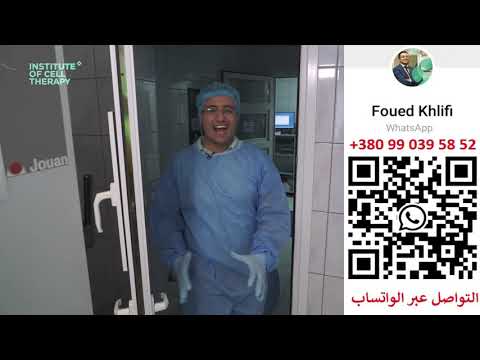
At , the patient details the sheer contrast in medical care upon arriving at the specialized clinic in Belgrade. Unlike the rushed, fifteen-minute consultations typical in Western healthcare systems, the Serbian medical team spent hours conducting comprehensive diagnostic evaluations. This included high-resolution 3D CT scans, extensive spirometry lung function tests, and detailed blood panels to assess systemic inflammation markers.
The turning point in the testimonial occurs when the patient describes the weeks following the cellular infusion. The heavy, suffocating pressure on the chest began to lift. The reliance on supplemental oxygen dramatically decreased, and nighttime coughing fits, which had severely disrupted sleep patterns for years, became infrequent. These are not merely subjective feelings of wellness; they are clinical markers of increased Forced Expiratory Volume and improved blood oxygen saturation levels.
Advanced Clinical Protocols: What Happens Inside the Clinic?
For patients considering a medical journey to Europe for regenerative therapy, understanding the exact medical process is crucial for alleviating travel anxiety. The top regenerative medicine clinics in Serbia employ a highly structured, multi-day protocol to maximize cellular uptake and therapeutic efficiency.
The Dual Administration Technique
One of the reasons Serbian clinics achieve such high success rates in treating pulmonary conditions is their use of dual administration methods. First, patients receive an Intravenous infusion of Mesenchymal Stem Cells. This systemic delivery allows the cells to circulate through the bloodstream, homing in on areas of high inflammation throughout the entire body, repairing secondary cardiovascular stress often associated with COPD.
Secondly, as shown at , clinics utilize advanced nebulization techniques. By aerosolizing specialized stem cells and exosomes, the patient inhales the restorative biological matter directly into the lungs. This topical application ensures that the highest concentration of regenerative cells reaches the deeply damaged bronchial tubes and alveoli, bypassing the digestive and circulatory filtration systems entirely.
Adjunct Therapies and Detoxification
The treatment does not begin and end with a simple injection. High-quality clinics provide supportive therapies to create the optimal biological environment for stem cell survival. This often includes intravenous ozone therapy to highly oxygenate the blood, potent vitamin C infusions to combat oxidative stress, and specialized respiratory physiotherapy to train the patient on how to utilize their expanding lung capacity effectively.
Breaking Down the Economics: Affordable Stem Cell Therapy in Europe
The financial barrier to cutting-edge medicine in the United States and the United Kingdom is a major driving force behind the medical tourism boom. A comprehensive stem cell treatment protocol for severe lung disease in North America, if available at all under clinical trials, can easily range from $15,000 to over $30,000. These exorbitant costs are rarely covered by traditional health insurance providers, placing an immense burden on patients and their families.
In stark contrast, patients traveling to Serbia can access top-tier stem cell therapy for COPD at a fraction of the cost. A full-scale regenerative package in Belgrade typically ranges between $5,000 and $9,000. This drastic price reduction is not indicative of lower quality care. Rather, it reflects the lower cost of living, favorable medical taxation laws, and the elimination of inflated pharmaceutical pricing models common in the West.
- All-Inclusive Medical Packages: Facilitators like PlacidWay often help patients secure packages that go far beyond the medical procedure. These frequently include VIP airport transfers, luxurious hotel accommodations, and dedicated medical translators.
- Transparent Pricing: Serbian clinics are renowned for their financial transparency. Patients are provided with exact cost breakdowns prior to their arrival, eliminating the fear of hidden hospital fees.
- Follow-up Care: Affordable pricing often includes extensive post-treatment telemedicine consultations, ensuring the patient's recovery is monitored long after they have returned home.
Addressing the Concerns: Safety and Medical Ethics
It is entirely natural for patients to harbor reservations when seeking medical treatments abroad. A significant portion of the featured video at is dedicated to demystifying the safety protocols of regenerative medicine. The clinics operating in Serbia strictly adhere to European Medicines Agency guidelines regarding cell harvesting, expansion, and administration.
A crucial point of clarification is the ethical sourcing of the cells. The treatments utilize adult multipotent stem cells or ethically donated umbilical cord tissue from healthy, full-term cesarean section births. There is absolutely no use of embryonic stem cells, entirely negating the ethical controversies and tumor-growth risks associated with older, obsolete forms of cellular research. The cells undergo rigorous screening for communicable diseases, bacterial contamination, and genetic abnormalities in state-of-the-art laboratory cleanrooms before ever reaching the patient.
Embracing the Future: Long-Term Health and Disease Management
While the initial results of stem cell therapy for COPD can be rapid and life-altering, the journey to sustained respiratory health requires ongoing commitment. The introduction of robust stem cells acts as a powerful catalyst for healing, resetting the immune system and repairing immediate structural damage. However, patients must actively participate in their continued recovery to maximize the longevity of the treatment.
Post-treatment protocols are heavily emphasized by the medical teams in Serbia. Patients are guided through comprehensive lifestyle modifications. This includes strict adherence to clean-air environments, specialized anti-inflammatory diets, and routine pulmonary rehabilitation exercises. By maintaining these healthy habits, the newly regenerated lung tissue is protected from further environmental degradation.
The compelling story documented in this stem cell therapy COPD disease testimonial in Serbia serves as a beacon of hope. It proves that a diagnosis of chronic respiratory failure is no longer an immediate sentence to a life tethered to an oxygen tank. Through the integration of advanced regenerative medicine, expert international clinical care, and affordable medical tourism pathways, patients are successfully reclaiming their vitality, taking deep, unburdened breaths, and looking forward to a brighter, active future.
Ready to Take a Deep Breath Again?
Do not let COPD dictate your quality of life any longer. Discover how affordable, world-class stem cell therapy in Serbia can help regenerate your lungs and restore your independence. Let PlacidWay guide you toward the right medical experts and secure your all-inclusive treatment package today.
REQUEST YOUR FREE MEDICAL QUOTE





.png)
.png)
.png)


.png)
.png)
-(8).png)
.png)








Share this listing