


The Comprehensive Guide to Regenocyte Stem Cell Therapy for Heart Disease
Are you searching for groundbreaking alternatives to traditional cardiac care? Regenocyte stem cell therapy for heart disease is revolutionizing how we treat severe cardiovascular conditions. For millions suffering from congestive heart failure or ischemic cardiomyopathy, standard treatments often mean heavy medications or highly invasive surgeries with extensive recovery periods.
Today, regenerative medicine offers a profound and highly effective paradigm shift. By utilizing your body's own healing mechanisms, adult stem cell treatments can successfully repair damaged cardiac tissue, significantly improve blood flow, and restore your quality of life without open-heart surgery. Watch to discover how this innovative protocol is giving heart patients renewed hope.
Video Chapters & Quick Navigation
The Growing Epidemic of Severe Cardiovascular Conditions
Cardiovascular disease remains the leading cause of mortality worldwide, affecting millions of individuals and drastically reducing their overall quality of life. For decades, patients diagnosed with severe heart conditions have been heavily reliant on symptom management rather than actual cellular repair. As heart tissue becomes damaged from ischemic events, such as a myocardial infarction (heart attack), the body struggles to regenerate the necrotic tissue naturally.
This biological limitation often leads to a progressive decline in cardiac function, culminating in congestive heart failure. Patients frequently experience chronic fatigue, severe shortness of breath, and a debilitating inability to perform basic daily activities. Managing severe cardiovascular disease symptoms traditionally involves a complex regimen of pharmaceuticals that carry heavy side effects and do little to reverse the underlying tissue damage.
The frustration surrounding conventional treatments has driven a massive demand for advanced regenerative medicine. Patients are actively seeking alternative treatments for ischemic cardiomyopathy that go beyond simple palliation. The medical community is now recognizing that to truly combat this epidemic, we must look toward cellular therapies that address the root cause of organ failure by actually regenerating the damaged myocardial muscle.
Defining Regenocyte Stem Cell Therapy for Heart Disease
Regenocyte stem cell therapy for heart disease represents a monumental leap forward in the field of interventional cardiology. At its core, this therapy utilizes the patient's own biological material—specifically, adult stem cells—to initiate a profound healing response within the damaged heart muscle. Unlike embryonic stem cells, which carry ethical concerns and higher risks of rejection, adult stem cell treatment for congestive heart failure relies entirely on the patient's autologous cells.
These specialized cells are harvested from areas of the body where they are abundant, such as bone marrow or adipose (fat) tissue. Once extracted, they are carefully isolated, purified, and sometimes expanded in a highly regulated laboratory environment. The goal is to create a potent, concentrated dose of regenerative cells that can be safely reintroduced into the patient's cardiovascular system.
When deployed into the heart, these multipotent cells have the unique ability to differentiate into various types of cardiac cells or release vital growth factors that stimulate localized healing. By repairing damaged heart muscle with stem cells, the Regenocyte protocol aims to improve the heart's pumping capacity, reduce scar tissue, and essentially breathe new life into an organ that was previously considered beyond repair.
The Biological Mechanics of Cardiac Tissue Regeneration
Understanding exactly how stem cell therapy works requires a look at the microscopic cellular environment of the heart. When a patient undergoes stem cell therapy for dilated cardiomyopathy or ischemic heart disease, the introduced cells act as master biological contractors. They navigate directly to the sites of inflammation and cellular injury through a process known as "homing."
Once they arrive at the damaged myocardium, they begin a complex process called angiogenesis. Angiogenesis is the physiological formation of new blood vessels from pre-existing ones. This is crucial because damaged heart tissue is highly ischemic—meaning it is starved of oxygen and vital nutrients. The stem cells secrete powerful cytokines and growth factors that stimulate the creation of a new microvascular network, effectively restoring blood flow to the dying tissue.
Furthermore, these autologous cells help modulate the immune system to reduce chronic inflammation, which is a major driver of progressive heart failure. They also inhibit apoptosis (programmed cell death) in the existing healthy cardiac cells. By simultaneously growing new blood vessels, reducing inflammation, and preventing further cellular loss, regenerative medicine offers a comprehensive approach to improving left ventricular ejection fraction naturally.
Traditional Cardiac Care vs. Regenerative Solutions
For patients navigating a severe cardiac diagnosis, the standard array of options can feel overwhelming and invasive. Traditional treatments primarily consist of daily medications, surgical interventions like stent placement, or highly invasive procedures such as coronary artery bypass grafting (CABG). While these methods can save lives in acute emergencies, they often fall short in chronic disease management.
Many patients are actively researching coronary artery bypass grafting alternatives because of the severe physical toll of open-heart surgery. Traditional surgeries require opening the chest cavity, placing the patient on a cardiopulmonary bypass machine, and enduring months of painful rehabilitation. In stark contrast, stem cell therapy is characterized as a minimally invasive cardiac stem cell delivery system.
| Feature | Traditional Cardiac Surgery (CABG) | Regenocyte Stem Cell Therapy |
|---|---|---|
| Invasiveness | Highly invasive (Open chest surgery) | Minimally invasive (Catheterization or IV) |
| Primary Goal | Bypass blocked arteries mechanically | Regenerate tissue and form new blood vessels |
| Recovery Time | 3 to 6 months of intense rehabilitation | Typically a few days to a few weeks |
| Risk of Rejection | N/A (Uses patient's own veins) | Zero (Autologous cells are 100% biocompatible) |
Types of Stem Cells Used in Cardiovascular Procedures
Not all stem cells are created equal, especially when it comes to treating highly specialized organs like the heart. The success of affordable regenerative medicine for heart patients relies heavily on the specific lineage of the cells being utilized. The Regenocyte protocol strictly utilizes adult stem cells, which bypass the moral, ethical, and oncological risks associated with embryonic varieties.
Mesenchymal Stem Cells (MSCs)
Mesenchymal stem cells are the powerhouse of regenerative cardiology. These multipotent cells are predominantly sourced from the patient's bone marrow or adipose (fat) tissue. MSCs are highly prized for their unparalleled ability to secrete paracrine factors—essentially chemical messengers that instruct surrounding cardiac cells to heal, multiply, and form new vascular networks. They are the primary agents responsible for reducing dangerous cardiac fibrosis.
Endothelial Progenitor Cells (EPCs)
Another critical component of the autologous stem cell extraction process involves Endothelial Progenitor Cells. These specific cells circulate in the blood and play a direct role in repairing the endothelial lining of blood vessels. When introduced into a failing heart, EPCs specifically target ischemic regions, aggressively promoting the angiogenesis required to restore healthy blood flow to oxygen-starved cardiac tissue.
The Step-by-Step Regenocyte Treatment Protocol
For patients considering this innovative therapy, understanding the procedural roadmap is crucial for alleviating anxiety. The process of administering stem cell therapy for heart failure is meticulously controlled, combining advanced cellular biology with state-of-the-art interventional cardiology. It is typically broken down into three distinct, minimally invasive phases.
- Phase 1: Extraction and Harvesting. The journey begins with a minor outpatient procedure where the physician extracts bone marrow, usually from the iliac crest (hip bone), or harvests a small amount of adipose tissue. Local anesthesia ensures the patient remains completely comfortable during this brief process.
- Phase 2: Isolation and Cultivation. Once harvested, the biological sample is rushed to a specialized, highly sterile laboratory. Here, the stem cells are separated from red blood cells and plasma using a centrifuge. In some advanced protocols, the cells are cultivated over several days to multiply them into a highly concentrated, therapeutic dose.
- Phase 3: Targeted Delivery. The final step is the minimally invasive cardiac stem cell delivery. Using advanced imaging guidance, a skilled interventional cardiologist threads a tiny catheter through an artery (often in the groin or wrist) directly into the heart. The concentrated stem cells are then injected precisely into the damaged areas of the myocardium.
Identifying the Ideal Candidates for Treatment
While the prospect of regenerating heart tissue is exciting, it is important to understand that comprehensive medical evaluations are necessary to determine eligibility. Stem cell therapy is not a universal cure-all, but it is highly effective for specific cardiac diagnoses. The most successful outcomes are typically seen in patients suffering from chronic, progressive conditions where traditional therapies have plateaued.
Ideal candidates often include individuals diagnosed with ischemic cardiomyopathy—a condition where narrowed coronary arteries limit blood flow, causing the heart muscle to weaken. It is also an excellent option for patients dealing with non-ischemic dilated cardiomyopathy, where the heart becomes enlarged and cannot pump blood effectively. Those who have suffered a previous myocardial infarction and are living with the resulting scar tissue are also prime candidates for regenerative intervention.
Furthermore, patients who are deemed "no-option" for traditional surgeries due to age, frailty, or existing comorbidities often find hope in adult stem cell treatment for congestive heart failure. Because the procedure is minimally invasive and requires no general anesthesia or cardiopulmonary bypass, the barrier to entry is significantly lower than that of open-heart surgery.
Clinical Outcomes and Evaluating Success Rates
The ultimate question for any patient considering this therapy is regarding the tangible, real-world results. The clinical outcomes associated with Regenocyte stem cell therapy for heart disease have been heavily documented and present a highly optimistic picture for the future of cardiology. Improvement is typically measured both subjectively by the patient's quality of life and objectively through advanced cardiac imaging.
One of the most critical objective markers of success is improving left ventricular ejection fraction naturally. Ejection fraction represents the percentage of blood the left ventricle pumps out with each contraction. Following successful stem cell implantation, many patients see a measurable increase in this percentage, indicating that the heart muscle has regained contractile strength and efficiency.
Subjectively, the improvements are often life-changing. Patients frequently report a dramatic reduction in angina (chest pain) and a significant decrease in shortness of breath during mild exertion. Activities that were previously impossible—such as walking up a flight of stairs, playing with grandchildren, or enjoying a full night's sleep without respiratory distress—become achievable once the regenerative processes take full effect.
Understanding the Safety Profile and Risk Mitigation
When exploring advanced medical procedures, safety is paramount. The safety profile of autologous stem cell treatments in cardiology is exceptionally strong, largely due to the fundamental nature of the biology involved. Because the therapy strictly utilizes the patient's own biological material, the risk of graft-versus-host disease (GVHD) or immunological rejection is entirely eliminated.
The procedure avoids the heavy immunosuppressive drugs required for organ transplants, which often leave patients vulnerable to severe infections. The primary risks associated with the treatment are minimal and are generally confined to the minor surgical site where the cells were harvested, such as slight bruising or localized soreness at the hip bone. The catheterization delivery process carries the same low risk as a standard diagnostic angiogram.
By adhering to strict international medical standards and utilizing highly sterilized, state-of-the-art laboratory environments for cell processing, top-tier medical facilities ensure that the integrity of the stem cells remains uncompromised. This meticulous attention to safety ensures that patients can focus entirely on their recovery and cardiac rehabilitation.
The Future of Adult Stem Cell Therapy in Cardiology
As global medical research continues to advance, the landscape of cardiovascular treatment is rapidly evolving. We are shifting away from the era of simply managing decline and entering an age where actual tissue regeneration is a clinical reality. The ongoing refinement of the autologous stem cell extraction process and delivery methods is making these treatments more effective and accessible than ever before.
Furthermore, the rise of international medical facilitation is helping patients access affordable regenerative medicine for heart patients without compromising on quality or safety. Top-tier clinics around the world are pioneering these protocols, offering comprehensive care packages that handle everything from the initial biological harvest to the precise catheter-guided implantation.
For individuals facing a daunting cardiac prognosis, exploring how to prepare for cardiac stem cell treatment could be the most important medical decision of their lives. Gathering updated medical records, recent echocardiograms, and detailed physician notes is the first step toward determining candidacy. The ability to harness your body's innate healing power to repair a damaged heart is no longer science fiction—it is a tangible, accessible lifeline.
Take the First Step Toward Cardiac Regeneration Today
Stop letting severe heart disease dictate your quality of life. PlacidWay Medical Tourism connects you with world-renowned specialists offering advanced, minimally invasive Regenocyte stem cell therapy. Discover if you are a candidate and regain control of your cardiovascular health.
REQUEST YOUR FREE MEDICAL CONSULTATION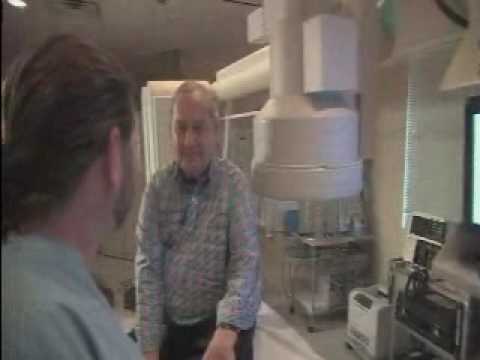


.png)










Share this listing