


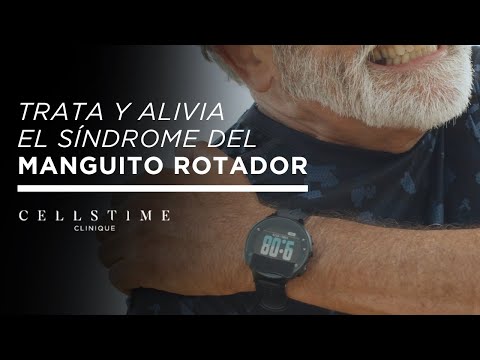
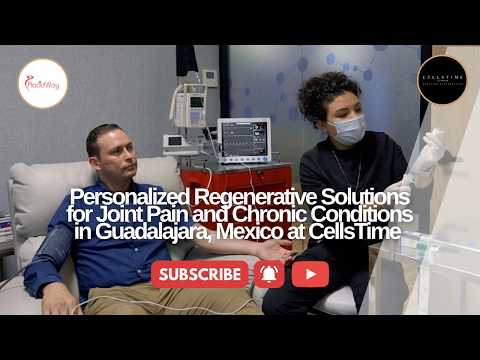
Finding an effective stem cell therapy for rotator cuff tear in Mexico has become a priority for patients seeking alternatives to invasive shoulder surgery. Shoulder pain is one of the most frequent reasons patients visit orthopedic clinics worldwide. This debilitating condition is heavily associated with damage to the rotator cuff, a critical group of tendons and muscles responsible for stabilizing the shoulder joint. Dr. Iridia, a specialist in traumatology and orthopedics at Celltime Clinic, notes that these tendons are essential for granting full movement and flexibility to the shoulder [00:10].
When these tissues become inflamed or suffer a partial or complete rupture, the impact on a patient's daily life is immediate and severe. Traditional treatments often fall short, leaving patients with fibrous scar tissue that is highly susceptible to future tearing. However, advancements in regenerative medicine are changing the landscape of orthopedic care. The use of mesenchymal stem cells offers a revolutionary approach by focusing on actual tissue regeneration rather than mere symptomatic relief. This biological approach ensures that the newly formed tissue mirrors the strength and elasticity of the original tendon.
Video Chapters
- Understanding Shoulder Pain and Tendon Injuries
- The Hidden Dangers of Traditional Tendon Scarring
- Mesenchymal Stem Cells for Tendon Regeneration
- The Precision of Ultrasound-Guided Stem Cell Injection
- Comparing Biological Treatments with Conventional Surgery
- Why Choose Non-Surgical Rotator Cuff Repair in Mexico
- Long-Term Benefits of Cellular Therapy for Shoulders
- Preparing for Your Regenerative Orthopedic Procedure
Understanding Shoulder Pain and Tendon Injuries
The rotator cuff is a complex network of four distinct muscles and their associated tendons that wrap around the top of the humerus. These structures are fundamentally responsible for keeping the arm bone firmly centered within the shallow socket of the shoulder. When a patient experiences an injury here, it drastically alters their biomechanics. The most common symptoms reported are intense nocturnal pain that wakes patients from their sleep and completely disrupts rest patterns [00:20].
Beyond sleep deprivation, the functional impairment is often severe enough to halt normal daily life. Patients frequently describe an inability to perform basic, routine tasks such as brushing their hair, reaching behind their back, or simply putting on a shirt. This functional loss occurs because the tendons that dictate shoulder elevation and rotation are either heavily inflamed or structurally compromised through micro-tears. Recognizing these early warning signs is vital for preventing a minor sprain from evolving into a massive, full-thickness tendon retraction.
Inflammation of these tendons, medically known as tendinitis, often precedes a physical tear. Overuse from repetitive overhead motions, heavy lifting, or acute trauma can trigger this inflammatory cascade. If left unmanaged, the continuous friction and stress on the weakened tendon fibers will inevitably lead to structural failure. This is why early intervention with advanced therapies is highly recommended by orthopedic specialists to preserve the joint's natural anatomy.
Common Triggers for Shoulder Degeneration
Rotator cuff injuries do not always happen overnight; they are frequently the result of progressive wear and tear. Age-related degeneration plays a massive role, as blood supply to the rotator cuff tendons naturally diminishes as we grow older. Without an adequate blood supply, the body's natural ability to repair minor daily tendon damage is severely compromised. This makes the tendons increasingly brittle and prone to tearing even from minor stresses.
Occupational hazards are another major contributing factor to shoulder pain. Individuals who work in professions requiring continuous overhead reaching, such as painters, carpenters, and construction workers, face a statistically higher risk of developing severe cuff pathology. The constant mechanical impingement of the tendon against the acromion bone grinds away the healthy collagen matrix over time.
- Nocturnal Discomfort: Sharp pain that worsens when lying down on the affected side.
- Weakness and Fatigue: A noticeable drop in arm strength when trying to lift or rotate objects.
- Crepitus: A clicking or grating sound when moving the shoulder through its range of motion.
- Restricted Mobility: The inability to raise the arm above shoulder height without severe pain.
The Hidden Dangers of Traditional Tendon Scarring
When one of these vital tendons becomes inflamed or torn, standard medical protocols typically offer a range of conservative treatments based on the lesion's size. Historically, the primary line of defense has been a combination of extensive physical rehabilitation and aggressive pain management through non-steroidal anti-inflammatory drugs or corticosteroid injections [00:36]. While these methods can temporarily alleviate pain and restore some mobility, they facilitate a flawed biological healing process known as scarring.
Tendon scarring is highly problematic because the resulting tissue is fundamentally different from healthy tendon tissue. Much like a deep cut on the skin forms a stiff scab and subsequent scar, a torn tendon patches itself with dense, disorganized fibrous tissue. This fibrous scar tissue lacks the parallel collagen alignment and natural elasticity that a healthy rotator cuff requires to function properly. Because the shoulder joint is subjected to constant, multidirectional movement, this rigid scar tissue becomes a massive liability.
The lack of elasticity in the scarred tendon creates localized stress points during shoulder rotation. The mechanical mismatch between the healthy remaining tendon and the stiff scar patch drastically increases the risk of a secondary rupture. In fact, patients relying solely on traditional scarring healing face a frustratingly high rate of re-injury, often finding themselves back in the orthopedic clinic with a worse tear than before. This cycle of temporary healing and re-rupture highlights the desperate need for treatments that focus on true tissue regeneration.
Mesenchymal Stem Cells for Tendon Regeneration
To combat the issues associated with fibrous scarring, modern regenerative medicine has introduced cellular therapy using mesenchymal stem cells. This advanced biological treatment involves the precise infiltration of these powerful cells directly into the site of the shoulder lesion [00:58]. Mesenchymal stem cells are multipotent stromal cells that have the unique ability to differentiate into various cell types, including osteoblasts, chondrocytes, and, most importantly for shoulder injuries, tenocytes.
When introduced into the damaged rotator cuff, these cells do not merely patch the tear with generic scar tissue. Instead, they orchestrate a complex biological symphony that promotes actual tissue regeneration. They release a dense concentration of growth factors and anti-inflammatory cytokines that alter the microenvironment of the joint. This suppresses the chronic inflammation that degrades tissue and stimulates the body's own local progenitor cells to begin repairing the damage.
The ultimate goal of this cellular therapy is to ensure the newly formed tissue shares the exact biomechanical characteristics as the original tendon. By restoring the correct parallel alignment of type I collagen fibers, the tendon regains its natural tensile strength and flexibility. This regenerative process effectively eliminates the rigid stress points associated with traditional scarring, providing a durable, long-term biological repair.
The Science Behind Cellular Repair
Mesenchymal stem cells act as biological directors within the injured joint space. Upon injection, they detect the specific chemical signals emitted by the damaged tendon tissue. They then dock at the injury site and begin releasing paracrine factors. These factors essentially instruct the surrounding tissue to halt the destructive inflammatory response and switch to a proliferative, healing state.
Furthermore, these stem cells possess immunomodulatory properties, meaning they can regulate the immune system's localized response. This is particularly beneficial in preventing the overactive immune reaction that often leads to excessive, stiff scar tissue formation. By keeping the immune response balanced, the body can focus energy strictly on building high-quality, flexible tendon fibers.
The Precision of Ultrasound-Guided Stem Cell Injection
The success of any biological treatment relies heavily on precise delivery. A stem cell treatment for shoulder pain is only effective if the regenerative cells are placed exactly where the tissue is tearing. To guarantee this level of accuracy, the infiltration procedure is strictly guided by high-resolution ultrasound technology [01:06]. This imaging technique allows the orthopedic specialist to visualize the internal structures of the shoulder in real-time.
In the past, many joint injections were performed "blind," relying solely on the physician's anatomical knowledge and palpation. However, blind injections carry a high risk of missing the actual micro-tear, depositing the valuable stem cells into surrounding healthy muscle or bursa tissue instead. Ultrasound guidance eliminates this guesswork completely. The doctor can watch the needle tip safely navigate past nerves and blood vessels to reach the exact epicenter of the rotator cuff lesion.
Once the needle is perfectly positioned within the rupture, the mesenchymal stem cells are slowly infused. The ultrasound monitor confirms that the biological fluid is adequately bathing the damaged fibers. This meticulous attention to procedural detail ensures maximum cell retention at the injury site, which is crucial for triggering the robust regenerative response needed to rebuild the tendon matrix.
Comparing Biological Treatments with Conventional Surgery
Patients facing severe shoulder degeneration often find themselves weighing the pros and cons of various interventions. Conventional surgery, such as arthroscopic rotator cuff repair, has long been the standard for full-thickness tears. While surgery physically sews the tendon back to the bone, it is highly invasive, requires general anesthesia, and involves a grueling, months-long rehabilitation process. Moreover, the re-tear rates after surgery remain surprisingly high, especially in older patients with poor tissue quality.
Biological treatments for rotator cuff injuries offer a compelling, minimally invasive alternative. By utilizing the body's intrinsic healing mechanisms through concentrated cell delivery, patients can avoid the trauma of surgical incisions and the risks associated with hardware like anchors and sutures. The regenerative approach focuses on upgrading the biological environment of the joint, making the tissue healthier from the inside out, rather than just mechanically tying frayed ends together.
The recovery timeline also presents a stark contrast. Surgical patients often require weeks in a strict immobilization sling, leading to muscle atrophy and severe joint stiffness. Conversely, those undergoing regenerative therapies generally experience minimal downtime. While heavy lifting must be avoided to allow the cells to attach and proliferate, patients can usually resume light, daily activities much faster, preserving vital muscle mass and joint function.
| Treatment Feature | Conventional Surgery | Stem Cell Therapy |
|---|---|---|
| Invasiveness | High (Incisions, anchors, sutures) | Minimal (Needle injection) |
| Anesthesia | General anesthesia required | Local anesthesia only |
| Healing Mechanism | Mechanical repair with scar tissue | Biological tissue regeneration |
| Recovery Time | 4 to 6 months of strict rehab | Rapid return to light activities |
| Re-rupture Risk | Moderate to High depending on age | Reduced to nearly 0% |
Why Choose Non-Surgical Rotator Cuff Repair in Mexico?
The global demand for high-quality regenerative medicine has caused a massive surge in medical tourism. Choosing non-surgical rotator cuff repair in Mexico offers patients access to state-of-the-art biological therapies that are often restricted or prohibitively expensive in the United States and Canada. Clinics in Mexico, operated by highly specialized and internationally trained medical staff, adhere to rigorous international safety and quality standards.
Cost is a primary driver for many international patients. Regenerative cellular therapies in North America are rarely covered by traditional insurance providers, forcing patients to pay exorbitant out-of-pocket fees. In Mexico, the cost of living and medical overhead is significantly lower, allowing premier clinics to offer the exact same advanced mesenchymal stem cell treatments at a fraction of the cost. This financial accessibility democratizes access to cutting-edge orthopedic care without sacrificing clinical excellence.
Furthermore, medical tourism hubs in Mexico have optimized the entire patient experience. From the initial virtual consultation to airport transfers and post-procedure follow-ups, the infrastructure is designed around the international patient. Facilities like Celltime Clinic focus heavily on personalized, boutique medical care, ensuring that every patient receives comprehensive evaluations and tailored treatment protocols that far exceed the hurried consultations typical of overloaded healthcare systems elsewhere.
Regulatory Environment and Safety Standards
Mexico possesses a robust regulatory framework overseen by COFEPRIS, the national health authority equivalent to the FDA. This organization strictly monitors clinics that harvest, process, and administer biological products. Top-tier regenerative clinics ensure their stem cell lines are ethically sourced, rigorously tested for pathogens, and processed in highly controlled laboratory environments to guarantee maximum cellular viability.
Patients traveling for these procedures can take comfort in knowing that specialist physicians in Mexico frequently collaborate with international orthopedic boards. They participate in global conferences and continually update their protocols based on the latest clinical data regarding ultrasound-guided stem cell injection for shoulder repair.
Long-Term Benefits of Cellular Therapy for Shoulders
The most profound advantage of choosing regenerative medicine is the quality of the final healing outcome. Because the therapy does not rely on rigid scar formation, but rather genuine tissue regeneration, the newly formed tendon exhibits the same structural integrity as the original tissue. This incredible biological feat decreases the risk of re-rupture to practically zero percent [01:21]. Patients achieve a durable, permanent solution rather than a temporary fix.
This procedure is remarkably safe and is routinely performed as an outpatient treatment directly in the specialist's office. Because it uses biological agents rather than synthetic drugs or massive surgical trauma, adverse reactions or severe side effects are exceedingly rare. The localized nature of the injection ensures that the therapeutic effects remain concentrated precisely where the body needs them most.
Ultimately, this therapy successfully alleviates the debilitating symptoms that originally brought the patient into the clinic. With the inflammation extinguished and the structural integrity of the tendon restored, the intense nocturnal pain dissipates, allowing for deep, restorative sleep. Patients regain their full range of motion, empowering them to return to their favorite sports, hobbies, and daily routines without the constant fear of their shoulder giving out.
- Complete Pain Resolution: Addresses the root cause of inflammation, removing chronic discomfort.
- Restored Biomechanics: Allows the shoulder joint to glide and rotate smoothly without impingement.
- Avoidance of Surgery: Prevents the need for invasive cutting, bone drilling, and long-term hardware implantation.
- Enhanced Quality of Life: Quickly returns patients to an active, unrestricted lifestyle.
Preparing for Your Regenerative Orthopedic Procedure
Preparation for stem cell therapy for shoulder injuries in Mexico begins well before stepping into the clinic. Patients are typically required to undergo a comprehensive medical review, including the submission of recent MRI or diagnostic ultrasound imaging. This allows the orthopedic specialist to precisely map the extent of the rotator cuff tear, assess the quality of the surrounding muscle tissue, and determine if the patient is a viable candidate for cellular regeneration.
In the weeks leading up to the procedure, patients are firmly instructed to cease the use of all non-steroidal anti-inflammatory drugs (NSAIDs) such as ibuprofen or naproxen. These medications chemically inhibit the body's natural inflammatory pathways, which are ironically necessary to trigger the initial phases of the stem cell healing response. Corticosteroid injections must also be avoided, as they can severely degrade local tissue health and compromise the viability of the incoming mesenchymal cells.
Hydration and a nutrient-rich diet are highly encouraged to optimize the body's internal environment for tissue repair. On the day of the procedure, patients arrive at the clinic, undergo a final ultrasound mapping of the joint, and receive localized numbing. The entire process is streamlined, efficient, and designed to minimize patient anxiety while maximizing the therapeutic potential of the biological injection.
Ready to Heal Your Shoulder Pain?
Stop letting rotator cuff injuries control your life. Discover how advanced regenerative medicine in Mexico can restore your mobility safely and effectively.
Get Free QuoteView Video Transcript
[00:00] Hola, yo soy la doctora Iridia, con especialidad en traumatología y ortopedia en Celltime Clinic.
[00:06] Uno de los principales motivos de consulta es el dolor de hombro.
[00:10] Este casi siempre asociado a la lesión del manguito rotador, que son los tendones que nos ayudan a dar movimiento al hombro.
[00:17] Los síntomas principales de este padecimiento son el dolor nocturno que nos despierta o no nos permite descansar adecuadamente.
[00:24] Y la incapacidad para realizar actividades como peinarnos o vestirnos.
[00:29] Cuando uno de estos tendones se inflaman o se rompen, existen diversos tratamientos dependiendo del tamaño de la lesión.
[00:36] Sin embargo, uno de los principales tratamientos es la rehabilitación y el manejo del dolor, causando así una cicatrización del tendón.
[00:44] La cicatrización del tendón es como en la piel. El tejido cicatrizal es más fibroso que el tejido normal del tendón.
[00:51] Y como este tiene que encontrarse en constante movimiento, tiene un riesgo de volver a romperse demasiado alto.
[00:58] En la actualidad, con la terapia celular, que es una infiltración de células madre mesenquimales directamente sobre la lesión encontrada en el hombro.
[01:06] Guiada por un ultrasonido para asegurarnos que justamente se van a poner en esta ruptura.
[01:12] No se realiza una cicatrización en el tendón, sino una regeneración de este.
[01:17] Va a tener las mismas características que el propio tendón, disminuyendo así prácticamente a un 0% el riesgo de reruptura.
[01:25] Este procedimiento es bastante seguro, se realiza en un consultorio y puede aliviar todos los síntomas de este padecimiento.
[01:33] Si tú o algún familiar quieren tener más información acerca de esto, pueden buscarnos en nuestras redes sociales o agendar una cita de valoración.



.png)
.png)
.png)



.png)
-(1).png)
.png)








Share this listing