


Navigating the complex physiological changes of menopause requires innovative medical approaches, particularly when addressing intimate health. Many women experience a significant decline in their quality of life due to the natural depletion of estrogen, which directly compromises urogenital tissue. Finding a highly effective, non-hormonal solution has become a priority for modern gynecological care. Stem cell therapy for vaginal atrophy treatment in Mexico represents a breakthrough in regenerative medicine, offering patients a scientifically backed method to restore tissue vitality. This advanced procedure utilizes the body's own biological repair mechanisms to rebuild the vaginal mucosa from the cellular level upwards.
Historically, the medical community relied heavily on traditional hormonal therapies to manage the symptoms of vaginal dryness and tissue degradation. However, growing concerns regarding long-term hormone exposure have driven both physicians and patients to seek safer, regenerative alternatives. Mesenchymal stem cells possess the unique ability to transform into specialized tissue cells, promoting profound structural healing. By integrating these pluripotent cells with state-of-the-art technologies like the JETT Plasma device, specialists can stimulate deep tissue remodeling. This comprehensive approach not only alleviates immediate discomfort but also ensures long-lasting restoration of vaginal health and sexual wellness.
Video Chapters: Quick Navigation
- The Biological Impact of Menopause on Vaginal Health
- Recognizing Internal and External Symptoms of Vaginal Atrophy
- Why Traditional Hormonal Replacement Therapy is Declining
- The Science Behind Mesenchymal Stem Cells in Gynecology
- Cellular Benefits: Collagen Synthesis and Angiogenesis
- The Dual Therapy Approach: Integrating JETT Plasma for Her II
- The Step-by-Step Mesenchymal Stem Cell Procedure
- Long-Term Patient Outcomes and Quality of Life Restoration
The Biological Impact of Menopause on Vaginal Health
Menopause represents a profound biological transition characterized by the cessation of ovarian function. As the ovaries stop producing essential hormones like estrogen and progesterone, the entire female physiological system undergoes significant changes. [02:02] Estrogen is particularly vital for maintaining the structural integrity, elasticity, and thickness of the vaginal mucosa. When systemic estrogen levels plummet, the immediate consequence is an adverse effect on collagen production and tissue hydration.
The continuous absence of hormonal stimulation leads directly to urogenital atrophy, a condition affecting up to 50 percent of postmenopausal women. The cellular architecture of the vaginal wall begins to degrade rapidly. The typically robust and deeply folded mucosa becomes starkly thin, smooth, and exceedingly fragile. This thinning process strips away the protective barrier that naturally guards against micro-abrasions and potential infections.
Furthermore, the decline in estrogen severely diminishes the localized blood supply to the pelvic region. Without adequate vascularization, the tissue is deprived of necessary oxygen and nutrient delivery, hindering basic cellular repair. [06:40] The lack of blood flow also impairs the transudation process, which is responsible for natural vaginal lubrication. Consequently, the vaginal environment becomes increasingly hostile, altering the natural pH and promoting dysbiosis within the microbiome.
Recognizing Internal and External Symptoms of Vaginal Atrophy
The clinical manifestation of vaginal atrophy is broadly categorized into internal and external symptoms, both of which severely disrupt daily living. Internally, the most prevalent and distressing symptom reported by patients is chronic vaginal dryness. [03:28] This lack of natural lubrication creates a persistent sensation of friction, leading to severe itching and a burning sensation within the vaginal canal. The altered mucosal environment frequently results in abnormal vaginal discharge, often characterized by changes in consistency and odor.
Because the internal tissues become hyper-sensitive and fragile, physical intimacy transforms from a pleasurable experience into a source of severe pain. This condition, medically termed dyspareunia, causes deep friction and potential tearing of the delicate mucosa during intercourse. Patients also frequently report urinary symptoms linked to the thinning of the urethral lining. [04:15] Symptoms mimic those of urinary tract infections, causing localized pain during urination without the actual presence of bacterial infection.
External Vulvar Degradation
Externally, the visual and physical changes to the vulva are stark indicators of tissue degradation. There is a noticeable atrophy of the labia majora and labia minora. [04:58] The natural subcutaneous fat pads that provide volume and cushioning to the labia majora dissipate entirely. This loss of fatty tissue causes the external skin to become remarkably thin, lax, and prone to flaccidity.
The thinning of the vulvar skin drastically increases susceptibility to dermatosis and localized external lesions. The tissue loses its resilience, meaning that even minor friction from clothing can cause painful abrasions. Over time, patients also note a significant reduction in pubic hair density, another direct result of the overall aging and hormonal decline affecting the hair follicles in the pubic region.
Why Traditional Hormonal Replacement Therapy is Declining?
For decades, the standard protocol for managing menopausal urogenital symptoms involved prescribing hormone replacement therapy (HRT). Gynecologists globally utilized synthetic estrogen pills, patches, and topical creams to artificially elevate hormonal levels in the body. [10:27] While HRT effectively mitigates some symptoms by forcing the tissue to retain moisture, it presents a host of systemic complications. A significant portion of women on HRT continue to experience localized vaginal symptoms, proving that hormones alone cannot entirely reverse structural tissue damage.
Modern clinical observations indicate a massive shift in patient preference away from synthetic hormones. An increasing number of women are actively abandoning traditional hormone therapies due to the severe side effects associated with them. [12:01] The most prominent deterrent is the onset of severe hot flashes, characterized by sudden, intense waves of body heat that disrupt sleep and daily functionality. Patients also harbor deep-seated fears regarding the correlation between long-term estrogen use and the increased risk of certain cancers.
The Limitations of Vaginal Lubricants
In the absence of hormones, many women turn to over-the-counter vaginal lubricants to manage daily discomfort. These products, ranging from water-based gels to long-lasting glycerin suppositories, provide only superficial, temporary relief. [12:24] Lubricants fail to address the underlying cellular degradation of the vaginal mucosa. They simply coat the thin, damaged tissue without promoting any true biological healing or structural regeneration.
Because traditional methods fall short of providing safe, permanent restoration, the demand for non-hormonal, natural treatments has surged. Patients now seek out solutions that align with their body’s natural chemistry. This paradigm shift has propelled the integration of advanced regenerative medicine, specifically mesenchymal stem cells, into standard gynecological practices.
The Science Behind Mesenchymal Stem Cells in Gynecology
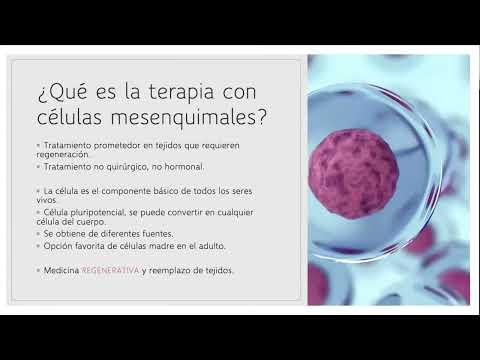
At the forefront of this regenerative revolution is the application of mesenchymal stem cells. This treatment is highly regarded as a promising intervention for tissues that urgently require regeneration without surgical invasion. [15:16] Stem cell therapy operates on the principle of "vaginal engineering," a targeted approach aimed at reconstructing the microscopic anatomy of the vaginal wall. It completely bypasses the need for artificial hormones, utilizing instead the basic biological building blocks inherent in all living organisms.
Mesenchymal stem cells possess a remarkable characteristic known as pluripotency. This means that these highly adaptable cells have the inherent ability to differentiate into virtually any type of cellular tissue within the human body. [18:33] Their developmental trajectory is dictated by the specific microenvironment in which they are placed. When strategically introduced into the atrophic vaginal mucosa, these stem cells naturally convert into the exact mucosal, vascular, and muscular cells required for local repair.
Ethical Sourcing and Cultivation
The acquisition of these regenerative cells is both ethical and highly efficient. Specialists favor adult stem cells, which can be safely harvested from multiple robust sources without ethical dilemmas. [19:04] Common extraction sites include subcutaneous adipose tissue (fat), human placenta, and the umbilical cords of healthy newborns. These sources provide a dense concentration of highly active, youthful cells primed for rapid division and tissue integration.
Once extracted, the cells are cultivated in highly controlled, certified laboratory environments. Modern laboratory protocols ensure that the cells remain pristine, avoiding the complex ethical and technical limitations previously associated with stem cell research. The result is a pure, concentrated cellular serum ready to initiate profound tissue reconstruction.
Cellular Benefits: Collagen Synthesis and Angiogenesis
The therapeutic impact of mesenchymal stem cells on atrophic vaginal tissue occurs rapidly at the microscopic level. The primary action of the introduced cells is the immediate repair of weakened tissue networks. [23:43] They achieve this by stimulating the aggressive growth of the extracellular matrix. This matrix acts as the essential biological scaffolding that holds the vaginal mucosa together, restoring its structural integrity.
A critical component of this matrix reconstruction is the surge in localized protein synthesis. The stem cells actively command the surrounding tissue to increase the production of type 1 collagen and elastin. [25:20] Collagen provides the tissue with necessary firmness and strength, while elastin ensures the vaginal walls can stretch and retract comfortably without tearing. This process directly halts the natural degradation cycle triggered by menopause.
- Angiogenesis: Stem cells prompt the formation of new blood vessels, returning vital blood flow, oxygen, and natural lubrication capabilities to the vaginal tract.
- Smooth Muscle Regeneration: The underlying smooth muscle layers of the vaginal wall are rebuilt, restoring tension, grip, and physical tone to the vaginal canal.
- Immunomodulation: Stem cells actively regulate the local immune response, calming hyper-inflammation and soothing the painful irritation characteristic of atrophic tissue.
- Restored Volume: The deep cellular regeneration visibly restores volume to the thinned tissues, reversing the flat, fragile appearance of the mucosa.
This comprehensive biological overhaul fundamentally changes the health of the vagina. Instead of merely masking symptoms with topical hydration, stem cell therapy rebuilds a younger, thicker, and highly functional vaginal anatomy. [25:38] The result is structural modification that returns the tissue to a pre-menopausal state of vitality.
The Dual Therapy Approach: Integrating JETT Plasma for Her II
To maximize the regenerative potential of the stem cells, advanced clinics employ a powerful dual therapy approach. The application of stem cells is meticulously combined with the use of the JETT Plasma for Her II device. [31:48] This certified medical technology utilizes non-ablative plasma energy to treat vulvovaginal laxity. The device effectively tightens and strengthens the targeted tissues prior to cellular injection, creating an optimal environment for the stem cells to thrive.
JETT Plasma technology works through direct microcurrents that perform controlled thermal stimulation. This thermal energy penetrates the tissue without causing external burns, scarring, or pain. [33:40] The heat triggers the immediate depolarization of the cellular membranes. This process creates a reversible electroporation effect, effectively opening microscopic channels within the tissue cells, allowing for maximum absorption of the subsequent stem cell application.
Specialized Applicators for Comprehensive Treatment
The JETT Plasma device features highly specialized applicators designed to treat every aspect of urogenital atrophy. The flat 10mm applicator is specifically utilized for vulvar rejuvenation. [33:48] By gliding over the external labia majora and minora, it hydrates the external cells and visibly improves the laxity and volume of the outer tissues.
For internal restoration, the 30mm cylindrical applicator is introduced into the vaginal canal. It delivers thermal plasma energy deep into the vaginal walls over a span of several minutes, treating the internal laxity. [34:10] Additionally, a specialized curved applicator targets the urethral area, providing critical support for patients suffering from mild to moderate urinary incontinence linked to their atrophic symptoms.
The Step-by-Step Mesenchymal Stem Cell Procedure
The procedure for stem cell therapy for vaginal atrophy treatment in Mexico is meticulously designed to prioritize patient safety and comfort. It begins with a comprehensive gynecological evaluation to confirm the severity of the atrophy and assess the patient's unique anatomical needs. [43:20] Patients complete specific medical questionnaires regarding their sexual function, urinary symptoms, and the overall impact of the condition on their daily life to establish a clinical baseline.
The actual treatment is highly efficient and minimally invasive, typically performed entirely within an outpatient consultation room or a minor surgical suite. The procedure requires only local anesthesia or mild sedation, completely eliminating the prolonged recovery times associated with general anesthesia. [43:24] The patient is positioned comfortably in lithotomy, and the treatment area undergoes rigorous surgical asepsis to guarantee a sterile environment.
- Preparation Phase: Approximately 20 minutes dedicated to local anesthesia application and strict sterilization of the vulvovaginal region.
- Plasma Therapy Phase: Up to 40 minutes using the JETT Plasma device internally and externally to open cellular channels and tighten tissue.
- Stem Cell Injection Phase: A swift 20-minute process where the concentrated mesenchymal stem cells are strategically injected into the mucosa.
The biological dosage is incredibly potent. Specialists inject anywhere from 50 million to 100 million active mesenchymal cells directly into the vaginal introitus, the deeper vaginal walls, and the urethra. [44:18] Utilizing a very fine needle, the injections are superficial yet precise, targeting the exact areas experiencing the most severe structural deficit.
Long-Term Patient Outcomes and Quality of Life Restoration
The clinical results following mesenchymal stem cell therapy are profound, rapidly shifting the patient's daily experience. Continuous clinical tracking reveals that women notice significant improvements in their symptoms within the very first month post-treatment. [28:19] The restoration of natural lubrication and tissue thickness completely eradicates the persistent itching, burning, and discomfort that once dominated their lives.
A critical marker of success is the drastic reduction in pain during routine physical examinations. Patients who previously required topical anesthetics just to endure a standard Pap smear report feeling little to no pain during subsequent gynecological check-ups. [29:12] This physical resilience translates directly into the bedroom, allowing women to fully recover a pain-free, highly satisfying sexual life.
The structural regeneration also profoundly impacts urinary control. The rebuilding of the urethral tone drastically minimizes episodes of urinary incontinence, granting women greater confidence during physical exertion. [30:26] Remarkably, documented clinical follow-ups demonstrate that these regenerative benefits are not temporary; patients consistently report sustained tissue health, robust lubrication, and absence of symptoms more than two years after their initial procedure.
Ready to Restore Your Vaginal Health Naturally?
Take control of your menopausal symptoms with advanced, non-hormonal Stem Cell Therapy in Mexico. Rebuild your intimate health and reclaim your comfort today.
Get Free QuoteRead Full Video Transcript
00:04
Mi nombre es Clara Olmedo y me da gusto darles la bienvenida a este webinar que se lleva a cabo gracias a la colaboración de Cellstime Clinic, centro especializado de medicina regenerativa, y AGF, línea de uso profesional.
00:17
El día de hoy nos enfocaremos en la especialidad de ginecología con el tema de atrofia urogenital y la aplicación de medicina regenerativa en esta patología.
00:28
La doctora Luisana Aldaco, reconocida egresada de la Universidad de Guadalajara, va a platicarnos sobre la eficacia y seguridad de este tema y va a responder todas sus dudas.
00:41
Hola, buenas noches a todos, bienvenidos. Yo soy la doctora Luisana Aldaco, soy ginecóloga. Estudié en la Universidad de Guadalajara y en el Hospital Civil Nuevo haciendo mi especialidad.
00:57
El día de hoy hablaremos sobre la terapia con células mesenquimales, pero enfocado en atrofia urogenital. Voy a compartirles mi pantalla para empezar con la presentación.
01:14
Nuestro tema es el papel de la terapia con células mesenquimales en el síndrome de atrofia vaginal de la menopausia.
01:22
Como datos generales, tenemos que esta enfermedad, también conocida comúnmente como atrofia vaginal o resequedad vaginal, afecta a la mujer en estado de posmenopausia en una frecuencia de hasta el 10, e incluso hasta el 50 por ciento de las veces.
01:45
Este padecimiento se da por una alteración en la mucosa vaginal, uretral, debido a que hay una disminución en la cantidad de estrógenos en la mujer, y también debido al proceso natural del envejecimiento.
02:08
Existen diferentes síntomas. Los síntomas internos, el principal es la resequedad vaginal. Esa sensación de falta de lubricación, también puede dar comezón, ardor o sensación de estar todo el tiempo rozada.
02:31
Puede ser que el flujo vaginal se encuentre anormal, con características diferentes a las usuales, y por todos estos síntomas, podemos llegar a una dispareunia, también conocida como dolor al tener relaciones sexuales.
02:58
En cuanto a los síntomas externos, se ve notablemente una atrofia y una resequedad de los labios mayores y de los labios menores. Hay una pérdida de la grasa subcutánea; los labios mayores se vuelven más delgaditos y la piel más laxa.
03:25
La vulva se vuelve propensa a desarrollar dermatosis o afecciones directamente sobre la piel. Se ha reportado pérdida del vello púbico conforme empieza el envejecimiento.
04:00
¿Qué es lo que pasa en mi cuerpo? Al llegar a la menopausia, la función de los ovarios empieza a bajar. Hay menos folículos, menos hormonas, menos estrógenos en tu cuerpo. Esto tiene un efecto adverso en el colágeno y la elasticidad de la piel y las mucosas a nivel vulvar.
04:36
Incluso en terapia de reemplazo hormonal con estrógenos, hasta el 10 al 20 por ciento de las pacientes continúan con síntomas. La vagina no se cura al 100 por ciento.
05:07
¿Por qué debo de atenderme? Lo principal es porque la calidad de vida de la mujer se ve afectada, disminuida. Afecta negativamente la vida sexual, se le va a complicar llevarlas a cabo, las va a evitar.
06:01
Hay dificultad del orgasmo. Aumenta el riesgo de infecciones vaginales e infecciones de orina. Hay un riesgo aumentado de incontinencia urinaria.
06:27
La terapia tradicional, los fármacos que usamos los ginecólogos, la principal es la terapia de reemplazo con hormonas. Se sabe que aumenta ciertos riesgos; se debe tener cuidado con los bochornos, que afectan mucho la calidad de vida.
07:44
Otra terapia tradicional son los lubricantes vaginales (a base de agua o glicerina). Hay óvulos con estrógenos para recuperar las características de la vagina de estar lubricada.
08:28
Actualmente, la mujer busca tratamientos más naturales. Abandonan las hormonas y optan por terapias naturales, dieta, fitoestrógenos, por miedo a la reacción de las hormonas.
09:16
Este webinar se enfoca en darte una opción no hormonal: la terapia con células madre mesenquimales (Ingeniería vaginal). Es reconstruir y rejuvenecer la anatomía previa a la menopausia.
09:44
Es un tratamiento prometedor en tejidos que requieren regeneración. Es un tratamiento no quirúrgico, no invasivo, no tiene que ver con hormonas, va a la raíz del problema.
11:04
Las células mesenquimales tienen una característica muy importante: ser pluripotenciales. Pueden convertirse en cualquier célula del cuerpo, dependiendo de dónde las coloquemos.
11:41
Se obtienen de tejido graso, placentas, cordón umbilical. Son la opción favorita de células madre porque son fáciles de obtener y cultivar. Es un boom en la medicina regenerativa.
13:17
Aquí les puse una imagen de cómo se ve la pared de una vagina normal y una vagina seca/atrófica. Hay un adelgazamiento de la pared, y la terapia se enfoca en crear un tejido rico en células, matriz extracelular y vasos sanguíneos.
14:22
Beneficios a nivel molecular: repara el tejido débil promoviendo el crecimiento de la matriz extracelular. Promueve vasos sanguíneos, músculo liso y aumentan el colágeno tipo 1 y la elastina.
15:50
Tienen propiedades inmunomoduladoras; hacen que las respuestas inflamatorias no se lleven a cabo de forma exagerada, ayudando a disminuir el dolor y el ardor vaginal.
16:29
¿Qué opinan las pacientes que han recibido esta terapia? Mejora su calidad de vida. Mejora importante de los síntomas desde el primer mes del tratamiento. Recuperan el tono de su vagina.
17:51
Toma de papanicolaou o examen ginecológico con menos dolor, muy importante para mujeres mayores de 60 años con miedo a sangrar o al dolor. Recuperan su vida sexual y hay mejora hasta 2 años post tratamiento.
19:08
Lo que les propongo en nuestra clínica es una terapia dual para atrofia vaginal: aplicación de células madre mesenquimales ayudada del JETT Plasma for Her II.
19:29
El JETT Plasma es tecnología plasma para el tratamiento no ablativo de la laxitud vulvovaginal, logrando fortalecimiento sin causar quemaduras o cicatrización. Proporciona una solución eficaz para la falta de humedad y ardor.
20:19
¿Cómo funciona? Tiene tres aplicadores. Aplicador plano para el tratamiento externo (labios). Aplicador interno para aumentar temperatura y vibración celular. Y un aplicador curvo para la uretra (incontinencia).
21:38
Es un dispositivo certificado, tratamiento seguro e indoloro, de corto tiempo (20 minutos), sin hormonas, cicatrices, y certificado para ginecología.
22:25
¿Qué necesito? Consulta inicial de valoración. Contestar cuestionarios relacionados a la función sexual. Firmar consentimiento informado. Opcional toma de biopsia y fotos del antes y después.
26:00
¿Cómo se aplican las células madre? En consultorio o quirófano. Anestesia local o sedación. Posición de litotomía. Asepsia del área. La cantidad es de 50 a 100 millones de células inyectadas de forma superficial en vagina y uretra.
27:54
Línea de tiempo: Antes (consulta, cuestionarios). Durante (20 min preparación, 40 min JETT plasma, 20 min aplicación de células). Después (Valoración a 24 horas, 2 semanas, 6 semanas, 6 meses, y 12 meses).
29:44
Sería todo, estoy a sus órdenes por si tienen alguna duda. Gracias a todos los que estuvieron al pendiente.




















Share this listing