


Exploring Stem Cell Therapy for Ulcerative Colitis in Mexico
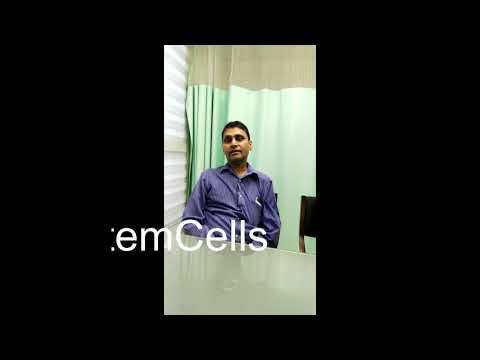
Finding effective stem cell therapy for ulcerative colitis in Mexico has become a life-changing pursuit for countless patients suffering from debilitating autoimmune conditions. When traditional western medicine fails to provide long-term relief, individuals are often left with drastic, life-altering surgical choices. This detailed analysis explores the journey of a patient from Texas who sought alternative treatments abroad to save his health and his colon.
By examining a real-world case study, we can better understand the immense potential of regenerative medicine for chronic digestive disorders. The firsthand experience shared by this patient sheds light on the rapid physical improvements and restored quality of life achievable through innovative stem cell treatments. For those battling severe intestinal inflammation, understanding these advanced therapeutic options is a vital step toward long-term wellness.
Video Chapters
- Understanding Ulcerative Colitis Symptoms
- The Failure of Traditional Immunosuppressants
- The Harsh Reality of Colon Removal Surgery
- Seeking Alternative Treatments Abroad
- The Physical Toll of Severe Intestinal Inflammation
- Timeline of Healing with Stem Cell Injections
- Comparing Traditional Treatments vs Stem Cells
- Long-Term Outlook for Autoimmune Disease Recovery
Understanding the Severe Symptoms of Ulcerative Colitis
Ulcerative colitis is a complex and highly destructive condition that falls under the broader category of autoimmune diseases. As highlighted at [00:28], the immune system mistakenly identifies the body's own healthy tissues as foreign invaders. This localized immune response specifically targets the inner lining of the large intestine, known as the colon.
When the immune system continuously attacks the colon, it creates chronic inflammation and microscopic ulcers that produce pus and mucus. Patients experience a relentless cascade of disruptive symptoms, including frequent abdominal cramping, severe diarrhea, and internal bleeding. These physical manifestations completely upend a person's daily routine, making it difficult to maintain normal employment or social activities.
The continuous loss of blood and nutrients through the inflamed digestive tract quickly leads to secondary health issues like anemia and extreme fatigue. As the large intestine loses its ability to absorb water and vital minerals, patients often experience rapid, unhealthy weight loss. This systemic physical deterioration forces individuals to seek out aggressive treatment options to regain control of their bodies.
The Systemic Impact on the Human Body
The ripple effects of untreated intestinal inflammation extend far beyond the digestive system. Chronic immune activation drains the body's energy reserves, leaving patients in a constant state of exhaustion. The pain and unpredictability of bowel movements also create significant psychological stress, often leading to anxiety and depression.
- Chronic Inflammation: The persistent immune response damages the mucosal lining of the colon.
- Nutrient Malabsorption: The damaged intestines fail to process and absorb essential vitamins.
- Physical Exhaustion: Continuous pain and blood loss strip the body of necessary energy levels.
The Failure of Traditional Immunosuppressants
For decades, the standard protocol in western medicine for managing autoimmune bowel diseases has relied heavily on immune-modulating drugs. Doctors frequently prescribe systemic immunosuppressants to artificially lower the body's defensive responses. While these medications can sometimes induce temporary remission, they do not address the root cause of the immune system's dysfunction.
Many patients are eventually transitioned to biologic medications, such as Humira, Entyvio, and Remicade, as noted at [01:04]. These lab-created proteins are designed to target specific pathways in the inflammatory process. However, the human body is highly adaptive and often develops antibodies against these biologic therapies over time.
When the body builds resistance, the medications lose their efficacy entirely. A patient might experience relief for a few months with a drug like Entyvio, only for it to completely stop working, forcing a switch to another biologic like Remicade. This exhausting cycle of trial and error leaves patients highly vulnerable to dangerous flare-ups while suppressing their overall immune system.
The Risks of Long-Term Biologic Use
Relying on biologic infusions for years comes with a substantial list of potential side effects and health risks. Because these drugs suppress the immune system, patients become highly susceptible to opportunistic infections and viruses. The constant switching between different biologic classes also increases the risk of adverse drug reactions.
The Harsh Reality of Colon Removal Surgery
When a patient exhausts all available pharmaceutical options without achieving remission, western medicine typically offers only one remaining solution. Gastroenterologists will often recommend the complete surgical removal of the large intestine, a procedure known as a colectomy. This was the exact drastic step presented to the patient at [01:43].
A colectomy is an irreversible, life-altering surgery that permanently changes how the human body processes and expels waste. Patients must often live with an external stoma bag to collect waste, or undergo complex internal pouch creation surgeries. The recovery process is grueling, and the physical alterations require a massive psychological adjustment.
It is entirely understandable why patients are extremely unwilling to undergo such a devastating procedure. The loss of a major organ impacts hydration, digestion, and overall physiological balance for the rest of a person's life. This stark reality is the primary catalyst that drives individuals to research advanced alternative therapies globally.
Seeking Alternative Treatments Abroad
Faced with the unacceptable prospect of losing a vital organ, proactive patients often turn to regenerative medicine. Stem cell treatment for autoimmune diseases has emerged as a groundbreaking alternative to traditional pharmaceutical management. By utilizing the body's own repair mechanisms, this therapy aims to reset the faulty immune system.
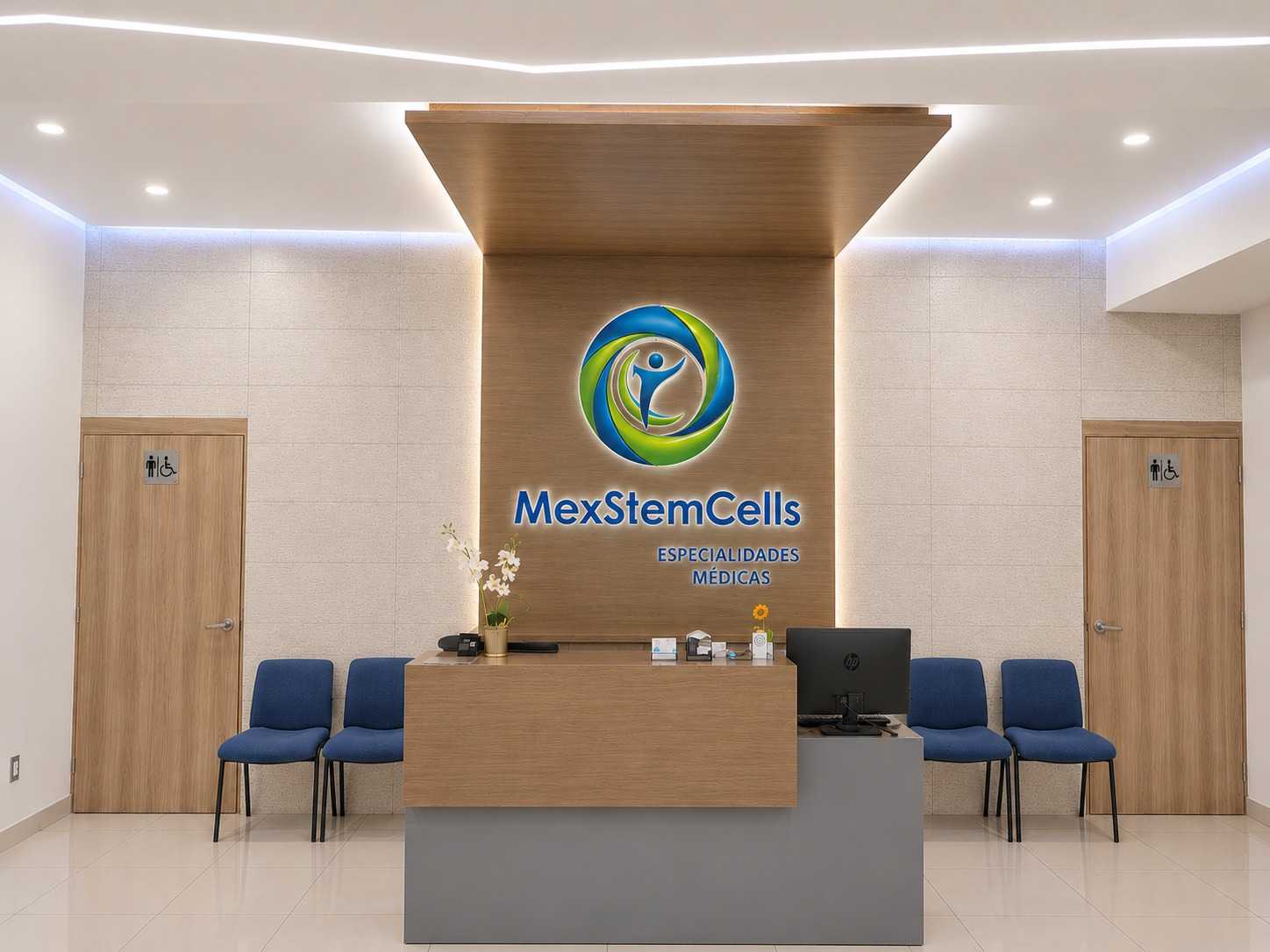
The decision to travel for medical care is rarely taken lightly, but the promise of organ preservation makes it a necessity for many. Facilities like MexStemCells in Mexico City offer access to advanced protocols that may be heavily restricted or unavailable in the United States. At [02:08], the patient describes reaching out to this specific clinic to explore his options.
Medical tourism for regenerative therapies provides a unique combination of high-quality care and specialized cellular treatments. Clinics operating in internationally recognized healthcare hubs often utilize mesenchymal stem cells, which are known for their potent anti-inflammatory properties. These specialized cells have the unique ability to target areas of severe tissue damage.
The Mechanism of Mesenchymal Stem Cells
Unlike traditional drugs that merely block specific immune receptors, mesenchymal stem cells actively interact with the patient's biological environment. They secrete immunomodulatory factors that calm the aggressive autoimmune response occurring in the gut. Furthermore, these cells promote the regeneration of the damaged mucosal lining within the colon.
The Physical Toll of Severe Intestinal Inflammation
Before beginning regenerative treatment, patients experiencing severe flare-ups are often in a highly deteriorated physical state. As recounted at [02:16], arriving at the clinic can be a struggle due to extremely low body weight and total physical exhaustion. The disease process strips away muscle mass and vital fat reserves over time.
The inability to perform basic, normal daily activities without overwhelming fatigue is a hallmark of late-stage, unmanaged colitis. Simply walking or sitting upright can become agonizing when the lower abdomen is gripped by continuous, severe cramping. The systemic inflammation acts like a massive energy sink, diverting all bodily resources away from normal function.
This profound state of physical decline highlights the urgency of finding an effective cellular intervention. When a patient is too weak to endure traditional surgical procedures, minimally invasive stem cell infusions offer a much safer pathway. Rebuilding the patient's foundational strength requires stopping the intestinal bleeding and nutrient loss as rapidly as possible.
Timeline of Healing with Stem Cell Injections
The therapeutic journey with stem cells is a progressive process that requires a carefully structured protocol. Patients typically undergo multiple infusion sessions spaced over several days or weeks to achieve maximum cellular engraftment. The patient noted receiving a total of five targeted treatments to combat his extensive colonic damage.
Remarkably, biological improvements can often be observed in the earliest stages of the therapy protocol. Following just the first treatment session, noticeable shifts in energy levels and inflammation reduction began to occur, as mentioned at [02:28]. This rapid initial response indicates that the stem cells are actively modulating the hostile immune environment.
By the second and third treatments, profound physiological changes take hold within the digestive tract. The frequency of bowel movements drastically reduces, and the severe lower abdominal cramping completely subsides. This cumulative healing effect allows the intestinal wall to finally close its microscopic wounds and resume normal digestive functions.
Measuring the Milestones of Cellular Recovery
Tracking recovery requires observing both objective clinical signs and subjective patient experiences. The cessation of internal bleeding and the normalization of stool consistency are critical clinical markers of success. Simultaneously, the profound return of physical energy signals that the body is no longer fighting a massive internal war.
- Early Stage: Reduction in generalized inflammation and slight increase in daily energy.
- Mid Stage: Significant drop in bowel movement frequency and cessation of acute cramping.
- Late Stage: Total symptom resolution, restored mood, and resumption of a normal lifestyle.
Comparing Traditional Treatments vs Stem Cells
Understanding the stark differences between conventional pharmaceutical approaches and advanced cellular medicine is crucial for patient empowerment. Traditional treatments largely operate on a mechanism of suppression, trying to force the immune system into a dormant state. This approach requires lifelong dependency on expensive, specialized medications that frequently lose their effectiveness.
Conversely, stem cell therapy operates on a paradigm of immunomodulation and tissue regeneration. Instead of masking the symptoms, the introduced cells work to correct the underlying cellular miscommunications. They promote the growth of healthy new tissues, repairing the physical damage caused by years of chronic disease flare-ups.
When evaluating long-term health outcomes, the regenerative approach offers a pathway away from medication dependency. While the initial investment in traveling for treatment may seem significant, it often pales in comparison to the lifetime costs of biologic infusions and major organ surgery. Patients must weigh the temporary band-aid of pharmaceuticals against the profound healing potential of regenerative medicine.
Treatment Modality Comparison
A clear evaluation of the different medical approaches highlights why so many patients abandon the traditional clinical route. The contrast in side effects, treatment goals, and overall quality of life is undeniable.
| Feature | Biologic Medications (Humira, Entyvio) | Stem Cell Therapy |
|---|---|---|
| Primary Mechanism | Systemic or localized immune suppression | Immune system reset and tissue regeneration |
| Long-Term Efficacy | Often diminishes as body builds antibodies | Aims for sustained, long-term disease remission |
| Side Effects | High risk of opportunistic infections | Minimal; relies on natural biological processes |
| Ultimate Goal | Symptom management and delay of surgery | Organ preservation and restored quality of life |
Long-Term Outlook for Autoimmune Disease Recovery
The results achieved through comprehensive stem cell protocols can often be described as nothing short of miraculous for long-suffering patients. At [03:25], the immense gratitude expressed highlights the profound emotional and physical relief of escaping a chronic illness. Reclaiming one's health after facing the threat of major organ removal is a monumental life event.
Patients returning home from facilities like MexStemCells frequently report sustained high energy levels and drastically improved psychological well-being. The dark cloud of unpredictability that surrounds autoimmune bowel diseases is finally lifted, allowing individuals to travel, work, and eat without intense fear. The body is no longer a hostile environment, but a functioning, harmonized system once again.
These remarkable clinical outcomes serve as a beacon of hope for anyone diagnosed with Crohn's disease, colitis, or similar inflammatory conditions. By stepping outside the rigid boundaries of conventional western medicine, patients can discover highly advanced, organ-saving alternative treatments. Regenerative cellular medicine continues to prove itself as a vital frontier in the fight against severe autoimmune deterioration.
Ready to Explore Advanced Cellular Healing?
If you are seeking highly effective alternatives to risky surgeries and failing medications, discover how stem cell therapy can help you reclaim your life from autoimmune diseases today.
Get Free QuoteView Full Video Transcript
[00:00]
[Music]
[00:04]
Rao, and I'm from Texas, USA. I would like to share some of my experience with ulcerative colitis and how the MexStemCells Mexico City helped me in that process.
[00:20]
So just as a background, I've been diagnosed with ulcerative colitis. And ulcerative colitis is, it belongs to the category called autoimmune disease.
[00:32]
So the symptoms of the disease are that the immune system starts attacking the large intestines causing inflammation, bleeding, diarrhea, cramps, and many other symptoms.
[00:48]
So the traditional Western medicine has solutions like immunosuppressants and several some new medicines which are which have come out like Humira or Entyvio or Remicade and these kind of medicines.
[01:10]
So I have been on the immunosuppressants for many years and then they stopped working. And I've been prescribed Entyvio infusions and that Entyvio stopped working in about four months.
[01:27]
Then they switched me to Remicade, and Remicade actually never worked. So since Remicade didn't work, Humira wouldn't work for me as well.
[01:38]
And basically the solution that is offered by the Western medicine is surgery of surgery, surgical removal of my colon.
[01:48]
And that is really a very drastic step which I was very, very, which I am still very unwilling to go through.
[01:57]
So that's when I started looking into other therapies like stem cell therapy. So the MexStemCells, then I contacted MexStemCells in Mexico City.
[02:11]
So I came last Friday to Mexico City. I was in a really bad state physically. My body weight was low and I couldn't even do normal things without getting exhausted.
[02:27]
So after the first treatment, I saw quite a bit of improvement. And I had total five treatments.
[02:38]
So after the second or third treatment, I saw significant improvement. Reduction in my bowel movements, stopping of all the pains and cramps in the lower abdominal area, and a much higher level of energy.
[02:56]
And today is going to be my last session of stem cell therapy, and I am already in a much better state. And I think most of my symptoms have stopped.
[03:10]
My cramps have gone away. My stool frequency has reduced, and my mood has significantly improved.
[03:20]
So much so, I would consider this treatment as a great success and almost a miracle.
[03:26]
And I really, really thank MexStemCells for treating me, and I would like to thank all the doctors and administrators and the nurses who are associated with that, and I greatly appreciate their help and support.
[03:45]
And I would very strongly recommend anybody to consider this treatment at MexStemCells Mexico if they have any of the autoimmune conditions like ulcerative colitis or Crohn's or anything like that.
[04:00]
I wish you the very best and good luck in treatment. Thank you.
[04:06]
[Music]


.png)




.png)
.png)
.png)


.png)
.png)
.png)
.png)








Share this listing