


Are you or a loved one exploring advanced medical options to manage severe neurodegenerative conditions? Stem cell therapy for Parkinson's disease in Mexico has emerged as a groundbreaking approach for patients seeking to delay disease progression and significantly improve their quality of life.
This chronic condition deeply affects the central nervous system, leading to increasingly severe challenges in physical movement and basic coordination. As traditional pharmaceutical treatments focus solely on temporary symptom management, many patients are turning toward advanced regenerative medicine to address the underlying cellular damage directly.
By focusing intently on rebuilding vital nerve tissue and drastically enhancing muscle strength, this innovative medical procedure offers renewed, science-backed hope for those battling neurological decline.
Video Chapters & Quick Navigation
- 1. Understanding the Progression of Parkinson's
- 2. Identifying Most Common Parkinson's Symptoms
- 3. Exploring Stem Cell Treatment for Parkinson's
- 4. Mechanism of Mesenchymal Stem Cells
- 5. Stem Cell Therapy Procedure in Mexico
- 6. Benefits of Stem Cell Therapy for Patients
- 7. Who is a Good Candidate for Therapy?
- 8. Comparing Standard Treatments vs Regenerative Care
1. Understanding the Progression of Parkinson's Disease
Parkinson's disease is universally recognized as a profoundly debilitating neurodegenerative disorder that directly impacts the central nervous system. As highlighted in the clinical presentation at [00:09], this condition is chronic, persistent, and unfortunately currently lacks a definitive traditional cure. The pathology of the disease centers primarily on the progressive degradation and cellular death of dopaminergic neurons.
These specialized, highly vital neurons reside in a critical area of the brain known as the substantia nigra, which serves as an integral component of the basal ganglia network. When these specific cells begin to perish, the brain experiences a drastic, unrecoverable reduction in natural dopamine production. Dopamine is an essential neurotransmitter that acts as a primary chemical messenger, seamlessly facilitating smooth, coordinated voluntary muscle movements.
Without an adequate biological supply of dopamine, the intricate signaling pathways communicating between the brain and the peripheral muscular system become severely compromised. This physiological disruption leads to a rapid cascade of physical and cognitive impairments that continually worsen over time.
The Neurological Impact of Parkinson's on the Brain
The decline associated with this disorder is notoriously insidious, meaning the disease silently progresses in the background for years before the very first visible physical symptoms manifest. By the exact time a definitive clinical diagnosis is made by a neurologist, a significant percentage of the dopamine-producing cells have already been irrevocably destroyed. This stark neurological reality emphasizes the immediate, critical need for advanced biological interventions.
Addressing these incredibly complex cellular mechanisms requires a therapeutic approach entirely capable of fundamentally modulating the biological environment of the brain. Traditional oral pharmaceutical medications simply cannot cross the required threshold from mere symptom suppression to actual cellular restoration. Therefore, exploring regenerative medicine is a crucial next step for long-term care management.
2. Identifying the Most Common Parkinson's Disease Symptoms Explained
The clinical presentation of this severe neurodegenerative disorder is highly multifaceted, encompassing both extreme physical movement limitations and profound psychological distress. According to the expert medical analysis at [00:20], the most prominent Parkinson's disease symptoms include pronounced instability in movement and daily posture. Patients struggle immensely with basic bodily equilibrium, making simple, routine tasks like standing up from a low chair or walking across an uncarpeted room exceedingly difficult.
This inherent, chronic postural instability drastically increases the individual's overall risk of traumatic, unprovoked falls. Frequent falling frequently leads to secondary, severe complications such as hip fractures, head trauma, and subsequent prolonged hospitalizations. Another highly characteristic and easily identifiable symptom is a profound, noticeable alteration in the patient's daily walking gait.
Individuals afflicted with the advancing stages of the disease frequently exhibit a shuffling walk, definitively characterized by abnormally shortened steps and a strong tendency to drag their feet along the floor. This freezing of gait not only severely impairs independent physical mobility but also serves as a visible, undeniable marker of the disease's steady progression.
Recognizing Early Signs and Involuntary Movements
Beyond the strictly motor-related physical challenges, Parkinson's disease significantly infiltrates and damages the patient's psychological and emotional spheres. Severe alterations in baseline mood, encompassing deep clinical depression and chronic, pervasive anxiety, are universally common among the patient population. These non-motor emotional symptoms heavily drain the patient's remaining energy reserves.
Involuntary movements, specifically pronounced resting tremors, are perhaps the most universally recognized hallmark of the entire neurological disorder. These rhythmic shaking movements typically begin unilaterally in a single limb, very often the hand or fingers, and become substantially more apparent when the surrounding muscles are completely relaxed. Successfully managing this intricate, intertwined web of physical and psychological symptoms necessitates a highly comprehensive therapeutic strategy.
3. Exploring Stem Cell Treatment for Parkinson's Disease
The rapid advent of regenerative medicine has effectively ushered in an entirely new era of scientific hope for patients actively battling severe, unyielding neurological decline. The primary, overarching objective of stem cell treatment for Parkinson's disease is fundamentally different from conventional, daily pharmacological symptom management. As stated clearly in the clinical overview at [00:35], the absolute core function of deploying advanced stem cells is to actively delay the progression of the disease.
Because Parkinson's is inherently chronic and traditionally viewed as incurable, heavily slowing the rate of ongoing neuronal death is paramount. Doing so successfully preserves the patient's remaining motor functionality and significantly extends their long-term quality of life. Regenerative therapies intelligently utilize the profound, natural biological versatility of stem cells to enact necessary repair directly at the microscopic cellular level.
When correctly introduced into the patient's compromised biological system, these highly potent biological agents instinctively seek out areas of intense inflammation. Rather than simply acting as a temporary, daily chemical patch, stem cells actively and consistently interact with the existing neural architecture to foster a highly neuroprotective microenvironment within the brain.
How Regenerative Medicine Works for Neurological Conditions?
The internal mechanics of modern regenerative medicine in treating devastating brain disorders are deeply rooted in highly advanced cellular biology. While the exact, one-for-one replacement of every lost dopaminergic neuron remains a complex scientific challenge, stem cells offer vast, multifaceted therapeutic benefits. One of their absolute most powerful biological attributes is their innate ability to steadily secrete vital neurotrophic factors.
These specialized, naturally occurring proteins actively support the continued survival, healthy development, and optimized function of existing brain neurons. These essential growth factors essentially act as highly concentrated biological fertilizer for the damaged brain tissue, successfully rescuing injured, struggling cells from the absolute brink of cellular death. This deeply profound biological rewiring is entirely essential for effectively recovering lost voluntary motor functions.
4. The Mechanism of Mesenchymal Stem Cells in Neurological Conditions
Among the various, distinct types of stem cells currently utilized in modern regenerative medicine, Mesenchymal Stem Cells (MSCs) have firmly emerged as the undisputed gold standard for effectively treating progressive neurodegenerative disorders. These highly adaptable, resilient cells are typically ethically sourced from the adult patient's own bone marrow, abundant adipose tissue, or from safely donated Wharton's jelly found exclusively in umbilical cords.
Their highly specialized application in Parkinson's disease regenerative medicine is strongly driven by their unparalleled, proven safety profile and incredibly robust regenerative capabilities. MSCs uniquely possess an advanced homing ability, seamlessly allowing them to naturally migrate directly toward the precise neurological sites currently exhibiting the most severe injury and inflammatory distress.
Once the targeted MSCs fully infiltrate the damaged, inflamed regions of the central nervous system, they immediately initiate a highly complex biological process of paracrine signaling. Instead of merely attempting to replace dead cells, they continually release an expansive arsenal of therapeutic molecules, heavily including Brain-Derived Neurotrophic Factor (BDNF).
Delaying the Progression of Degenerative Disorders with Cellular Therapy
The direct, measurable clinical outcome of this intense cellular regeneration is a highly tangible delay in the overall progression of the disease. As explicitly highlighted during the detailed treatment explanation at [00:45], these stem cells possess the absolutely remarkable biological ability to regenerate severely damaged nerve tissue and impart significantly increased daily muscle strength directly to the patient.
By rapidly revitalizing the crucial neuronal pathways that strictly control voluntary movement, patients consistently experience a drastic reduction in generalized muscle rigidity. Furthermore, they frequently report a massive alleviation of the crippling bradykinesia—the overwhelming slowness of physical movement—that chronically characterizes the debilitating illness. This creates a deeply powerful, highly synergistic long-term physiological benefit.
5. Stem Cell Therapy Procedure for Parkinson's in Mexico
For proactive individuals currently seeking cutting-edge alternatives to standard, conventional neurological care, vigorously pursuing a stem cell therapy procedure for Parkinson's in Mexico has rapidly become an incredibly popular and highly viable medical option. The country has successfully established itself as a premier, highly trusted global destination for advanced medical tourism.
Specialized clinics boast absolutely state-of-the-art clinical facilities that meticulously adhere to the strictest international medical standards and highly rigorous biological regulatory guidelines. The complex regenerative procedure itself is a highly structured, intricately planned medical journey that heavily prioritizes absolute patient safety and strict ethical cellular sourcing. The entire medical process requires massive clinical oversight from the initial admission completely through to advanced post-treatment follow-up.
The healing journey begins far before the actual administration of the cells, starting with an immensely in-depth preliminary review of the patient's existing neurological records and previous MRI brain scans. Once fully accepted into the specialized program, patients travel directly to advanced regenerative clinics where they are warmly welcomed by highly trained, fully bilingual, board-certified medical teams.
Medical Evaluation and Individualized Treatment Plans
A completely foundational pillar of this highly advanced medical procedure is the wildly comprehensive diagnostic phase. Prior to the delicate application of any advanced cellular therapy, an entirely exhaustive medical evaluation is strictly required [00:53]. This mandatory, in-person clinical assessment allows the leading medical professionals to establish an incredibly precise, fully updated diagnosis.
Based entirely on the highly specific physiological data gathered during this critical assessment, the expert medical team carefully constructs a highly individualized, bespoke treatment plan. No two unique cases of Parkinson's disease are ever completely identical, making a generic, cookie-cutter approach entirely ineffective. This highly personalized medical approach completely maximizes the ultimate therapeutic efficacy for the patient.
6. Benefits of Stem Cell Therapy for Parkinson's Patients
The active clinical integration of modern regenerative medicine introduces a massive, incredibly wide array of profound daily benefits for individuals constantly suffering from chronic, unyielding neurodegeneration. One of the absolute most highly anticipated biological benefits of stem cell therapy for Parkinson's patients is the profound potential for the significant restoration of basic motor coordination.
By aggressively repairing the highly damaged peripheral neural circuits fundamentally responsible for physical balance and walking gait, patients frequently experience a drastic, life-altering reduction in sudden freezing episodes. This newly restored, heavily fortified physical mobility drastically lowers the intense daily risk of debilitating, dangerous falls. Patients can finally navigate their home environments with a completely renewed sense of safety and unshakable confidence.
- Enhanced Motor Function: Achieves a highly significant reduction in severe muscle rigidity and uncontrollable resting tremors, successfully allowing for much smoother voluntary physical movements.
- Systemic Anti-Inflammatory Effects: Provides a massive, deep suppression of chronic neuroinflammation that definitively halts the continuously accelerated cellular decay of surviving dopaminergic neurons.
- Neurogenesis Stimulation: Facilitates the massive release of critical neurotrophic growth factors that actively and aggressively encourage the biological growth and structural repair of vital central nervous system tissues.
Improving Muscle Strength and Overall Quality of Life
As the internal regenerative process continually stimulates the biological repair of crucial peripheral nerve pathways, patients naturally and consistently observe absolutely remarkable enhancements in their core muscle strength. The deeply pervasive muscle rigidity and widespread physical atrophy caused entirely by years of intense neurological impairment finally begin to rapidly reverse.
Ultimately, all these profound physiological and neurological enhancements seamlessly converge on one single, absolute paramount clinical goal: dramatically elevating the patient's overall daily quality of life. The massive psychological burden of continuously battling an officially incurable, severely progressive disease is profoundly heavy. The highly tangible physical relief provided actively by advanced cellular therapies successfully restores a deep, profound sense of psychological hope.
7. Who is a Good Candidate for Stem Cell Therapy in Mexico?
Carefully navigating the extreme complexities of highly advanced medical treatments deeply requires a completely crystal-clear understanding of specific patient eligibility protocols. Successfully identifying exactly who constitutes a genuinely good candidate for stem cell therapy in Mexico involves a highly rigorous, incredibly multifaceted medical vetting process conducted by specialized neurologists.
Generally speaking, the absolute ideal candidates are individuals who possess a firmly confirmed, official clinical diagnosis of Parkinson's disease and are currently experiencing a highly noticeable, frustrating clinical plateau. These are patients who continue to experience a severe decline in their functional abilities despite strictly adhering to heavily optimized conventional pharmacological regimens. Patients situated in the early to moderate clinical stages of the disease incredibly often exhibit the absolute most robust, measurable biological responses to the cellular therapy.
Conversely, this highly specialized biological therapy may not automatically be suitable for every single individual. Patients actively presenting with exceptionally severe, late-stage end-of-life neurodegeneration or profound cognitive dementia may be officially deemed medically ineligible. The primary goal of the internationally accredited clinics is to definitively ensure that the powerful biological treatment is administered completely safely.
Importance of the Pre-Treatment Medical Assessment
The absolute, undeniable clinical necessity of a massively thorough pre-treatment medical consultation truly cannot be overstated in modern regenerative care. This immensely crucial preliminary diagnostic phase directly acts as the definitive medical gateway to safely accessing these incredibly advanced, biological therapies.
During the deeply intensive evaluation phase [00:58], highly specialized international physicians conduct entirely exhaustive, meticulous reviews of the patient's complete medical history. The highly individualized, heavily customized treatment plan effectively formulated during this crucial pre-assessment phase serves as the absolute, unshakable bedrock of the entire intensive regenerative medical journey.
8. Comparing Standard Treatments with Regenerative Medicine
To genuinely and fully appreciate the massive intrinsic value of highly advanced cellular therapies, it is completely essential to heavily compare them directly against the failing conventional standards of neurological care. The heavily traditional daily management of Parkinson's disease relies absolutely overwhelmingly on intense dopamine replacement medications, most notably massive daily doses of Levodopa.
While these heavy pharmaceuticals are highly effective at completely masking motor symptoms during the very initial years immediately following diagnosis, their long-term clinical efficacy is notoriously and heavily flawed. Over an extended period of time, the brain fundamentally becomes highly desensitized to the artificial medication, tragically leading directly to the development of severe, entirely drug-induced dyskinesia—highly uncontrollable, chaotic bodily movements.
For incredibly highly advanced, heavily resistant cases, highly invasive Deep Brain Stimulation (DBS) surgery is frequently proposed by standard neurologists. While technologically highly impressive, DBS remains an incredibly highly invasive, dangerous neurosurgical procedure completely carrying massive inherent risks of severe brain infection and dangerous intracranial bleeding. Neither heavy daily pharmacology nor highly invasive DBS surgery accurately addresses the fundamental, underlying biological issue.
The Future of Parkinson's Disease Regenerative Medicine
Advanced regenerative medicine fundamentally and aggressively disrupts this failing traditional treatment paradigm by finally providing a genuinely, scientifically validated disease-modifying approach. Instead of merely applying a highly toxic chemical or artificial electrical bandage to temporarily suppress symptoms, massive stem cell therapies actively and definitively target the biological root cause.
As intense international clinical research rapidly evolves and biological cellular technologies become increasingly highly sophisticated, the absolutely seamless integration of regenerative medicine into mainstream neurological care is completely inevitable. The absolutely remarkable biological ability to actively harness and massively amplify the body's intrinsic healing mechanisms represents the true pinnacle of highly proactive medical strategy.
Ready to Explore Stem Cell Therapy for Parkinson's Disease in Mexico?
Take the absolute first step toward significantly delaying disease progression and actively regaining your lost physical independence. Contact our highly specialized international medical team today to schedule your completely comprehensive pre-treatment evaluation and immediately discover how highly customized regenerative medicine can definitively transform your daily quality of life.
Get Free QuoteView Full Video Transcript (Spanish)
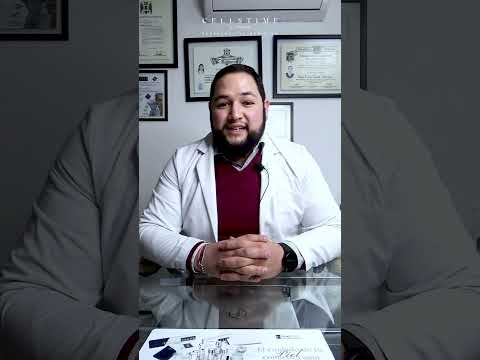
[00:00] Hola, qué tal, buen día. Soy el doctor Carlos Winner y vamos a hablar acerca de enfermedad de Parkinson.
[00:08] La enfermedad de Parkinson es un trastorno degenerativo del sistema nervioso central en la cual es una enfermedad crónica persistente que no tiene cura que afecta los movimientos y la coordinación.
[00:19] Los síntomas más característicos de esta enfermedad son inestabilidad en el movimiento, inestabilidad en la postura, camina a pasos acortados y arrastra los pies.
[00:29] Alteraciones en el estado de ánimo, alteraciones en el estado de sueño, y movimientos involuntarios.
[00:34] La función de las células madre dentro de la enfermedad de Parkinson es para retrasar la progresión de la enfermedad, ya que es una enfermedad que no tiene cura.
[00:43] Estas células madre lo que nos van a permitir es regenerar el tejido nervioso, darle más fuerza muscular al paciente, y retrasar la progresión de la enfermedad.
[00:52] Previo a la aplicación de la terapia celular se requiere una valoración por un médico para establecer el diagnóstico y para establecer el tratamiento individualizado de cada paciente.
[01:01] Si tienes cualquier duda acerca de tu padecimiento o de la terapia celular, no dudes en contactarnos.






.png)
.png)


.png)
.png)
.png)








Share this listing