



Dealing with a neurodegenerative condition can be an overwhelming journey that severely impacts daily quality of life. For many individuals, standard medications lose their efficacy over time, leaving them searching for innovative alternatives to manage their symptoms. Stem cell therapy for Parkinson's disease has emerged as a promising frontier in modern regenerative medicine. This innovative approach aims to target the root causes of neuroinflammation rather than just masking the outward symptoms.
In recent years, the medical landscape has shifted, drawing global attention to specialized treatment hubs outside the United States. Stem cell treatments in Tijuana are gaining immense popularity due to the combination of advanced medical technology and highly accessible care. Many U.S. patients are crossing the border to explore therapies that are structurally designed to slow disease progression. Most patients typically experience renewed hope and an improved ability to perform independent daily tasks.
Tijuana has transformed into a globally recognized medical hub, serving millions of international patients annually. Its strategic location right on the U.S.-Mexico border makes it highly accessible for Americans seeking advanced regenerative medicine.
- Targets underlying neuroinflammation to protect surviving neurons.
- Utilizes advanced mesenchymal stem cells for cellular repair.
- Offers a minimally invasive alternative to deep brain stimulation.
- Provides comprehensive care at a fraction of North American prices.
Why U.S. Patients Choose Stem Cell Treatment in Mexico
The decision to pursue medical care abroad is never taken lightly, especially when dealing with complex neurological conditions. However, the staggering costs and regulatory bottlenecks in the U.S. healthcare system often restrict access to advanced regenerative therapies. Medical tourism in Mexico offers a viable, safe, and highly regulated alternative for those seeking timely interventions. Patients can access cutting-edge protocols without enduring years-long clinical trial waiting lists.
Moreover, the proximity of Tijuana to major U.S. cities like San Diego provides an unmatched level of geographical convenience. Patients generally appreciate the ability to drive across the border or take a short flight without the stress of extensive international travel. The level of personalized care and attention provided by Mexican healthcare professionals is consistently rated exceptionally high. This compassionate approach makes the process of regenerative medicine in Tijuana much less intimidating for international travelers.
According to the Parkinson's Foundation, nearly 90,000 individuals are diagnosed with Parkinson's disease every year in the United States alone. This growing demographic is driving a massive surge in demand for alternative medical interventions abroad.
- Significantly reduced waiting times for specialized medical consultations.
- Highly personalized, patient-centric hospital environments.
- English-speaking medical staff and patient coordinators.
- State-of-the-art facilities equipped with modern medical technology.
The Science Behind Stem Cells for Parkinson’s Disease
Parkinson’s disease is characterized by the progressive loss of dopamine-producing neurons in a specific region of the brain. Traditional pharmacological treatments aim to replenish this missing dopamine, but they do not halt the underlying cellular degradation. Regenerative therapy for Parkinson's introduces specialized cells that possess powerful neuroprotective and anti-inflammatory properties. These cells secrete growth factors that help support the survival of existing neurons and stimulate natural tissue repair.
While stem cells cannot magically cure the disease overnight, they play a crucial role in altering the brain's hostile microenvironment. The administered cells typically migrate to areas of high inflammation, where they begin their reparative work. Most patients experience gradual changes, as the therapy helps to re-establish neural pathways disrupted by the disease. This scientific methodology is what makes advanced stem cell therapy in Mexico a beacon of hope for many families.
Mesenchymal Stem Cells (MSCs) are primarily used in neurodegenerative treatments because of their unique "homing" ability. They naturally detect chemical signals of distress and inflammation in the body, traveling directly to the damaged areas to initiate the healing process.
- Modulation of the immune system to prevent further neuronal damage.
- Release of neurotrophic factors that encourage brain health.
- Reduction of oxidative stress within the central nervous system.
- Enhancement of overall cellular communication and function.
Cost of Stem Cell Therapy for Parkinson's in Mexico Compared to the U.S.
One of the primary drivers for cross-border healthcare is the sheer financial reality of dealing with chronic illnesses. The cost of stem cell treatment in Mexico is remarkably lower than what patients would face in North American clinics. This price difference is not a reflection of lower medical standards, but rather stems from differences in the general cost of living and administrative frameworks. Patients can save thousands of dollars while still receiving care that adheres to strict international protocols.
When evaluating the financial investment, it is important to look at the comprehensive packages offered by international clinics. Many affordable stem cell clinics in Tijuana bundle the therapy, medical consultations, and necessary blood work into one transparent price. Generally, patients do not encounter the hidden hospital fees or excessive specialist charges that plague the U.S. medical billing system. Below is a realistic breakdown comparing typical treatment expenses across borders.
| Procedure / Protocol Name | Average Cost in Mexico | Estimated Cost in the U.S. |
|---|---|---|
| Standard Stem Cell Therapy for Parkinson's | $6,000 - $10,000 | $25,000 - $40,000 |
| Advanced Multi-Day Stem Cell Protocol | $12,000 - $15,000 | $45,000+ |
| Intravenous (IV) Stem Cell Infusions | $4,000 - $7,000 | $15,000+ |
| Intrathecal Stem Cell Administration | $8,000 - $12,000 | $30,000+ |
Always ask for an itemized, comprehensive quote before traveling. Ensure your treatment package explicitly states what is included, such as pre-treatment blood work, specialized administration methods, and post-procedure medical monitoring.
Top Quality Stem Cell Clinics in Tijuana for Neurodegenerative Diseases
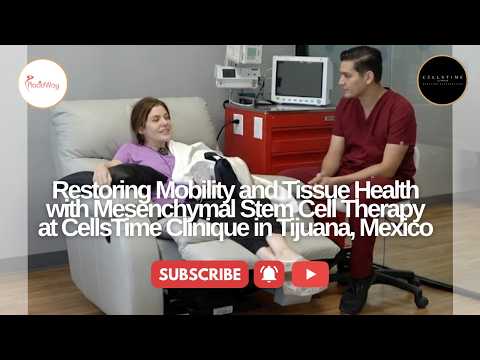
Navigating the global healthcare market requires careful consideration and thorough research into medical facilities. Tijuana boasts numerous world-class centers equipped with dedicated neurology departments and specialized regenerative medicine wings. Finding a trusted provider is essential for ensuring your treatment is administered under the strictest global safety protocols. Patients can confidently explore options like affordable stem cell treatment at CellsTime Clinique Tijuana, known for integrating advanced protocols with compassionate care.
Leading facilities prioritize comprehensive patient screening to determine individual eligibility for regenerative procedures. High-quality stem cell clinics in Mexico feature certified laboratories that guarantee the viability and ethical sourcing of all cellular materials used. Medical teams are typically composed of board-certified neurologists, immunologists, and patient care coordinators dedicated to international travelers. This multidisciplinary approach ensures that every aspect of the patient's neurological health is closely monitored.
It is vital to recognize that stem cell therapies are still undergoing continuous clinical evaluation. Avoid clinics that guarantee an absolute "cure" for Parkinson's disease, as ethical medical practices focus on symptom management and improving quality of life.
- Look for clinics registered with COFEPRIS (Mexico's health regulatory body).
- Verify the specific source and expansion methods of the stem cells.
- Request virtual consultations with the primary treating physician.
- Review independent patient testimonials and long-term success stories.
The Medical Tourism Experience for Stem Cell Patients in Tijuana
The journey of traveling abroad for medical purposes has been heavily streamlined over the past decade. Tijuana's infrastructure is specifically tailored to accommodate the unique needs of international medical tourists and their accompanying family members. Upon crossing the border, patients generally find themselves in a welcoming environment that rivals top-tier medical facilities worldwide. Stem cell therapy medical tourism focuses heavily on creating a stress-free experience from arrival to departure.
Patients are often surprised by the luxurious, patient-first approach utilized by Mexican medical providers. English is fluently spoken in all major medical centers, ensuring seamless communication regarding complex health matters. The holistic experience often includes dietary support, physical therapy consultations, and thorough educational sessions regarding post-care routines. Choosing Parkinson's treatment in Tijuana means embracing a highly supportive medical ecosystem designed entirely around patient comfort.
Tijuana features a dedicated "Medical Lane" at the international border crossing. This exclusive fast-pass lane allows medical tourists to return to the United States rapidly, significantly reducing wait times and travel fatigue after their procedures.
- Dedicated patient concierges available 24/7.
- Modern, comfortable recovery suites within the clinics.
- Clear, culturally sensitive communication at all times.
- Integration of wellness and holistic supportive therapies.
Step-by-Step Patient Journey for Stem Cell Treatment in Mexico
Understanding the clinical process helps alleviate the anxiety associated with seeking treatment in a different country. The protocol for stem cells for neurodegenerative diseases follows a structured, multi-day pathway designed for optimal safety and efficacy. Initial steps always involve a rigorous remote evaluation of your current medical records and neurological history. This ensures that you are an ideal candidate before you even pack your bags for travel.
Once you arrive at the clinic, the in-person journey begins with comprehensive diagnostic testing and physical assessments. The actual administration of the cells is typically straightforward and performed under local anesthesia or mild sedation if required. After the procedure, you will undergo a brief observation period to ensure absolute clinical stability. The pathway to managing Parkinson's disease in Mexico is methodically planned to prioritize your health above all else.
- Initial Remote Consultation: Submission of medical records, MRI scans, and current medication lists for physician review.
- On-Site Diagnostics: Comprehensive blood panels, neurological evaluations, and physical assessments upon arrival.
- Preparation and Hydration: IV therapies to prepare the body's microenvironment for cellular reception.
- Stem Cell Administration: Delivery of cells via specialized methods (IV, Intrathecal, or targeted injections).
- Observation and Discharge: Post-procedure monitoring, final physician review, and distribution of aftercare guidelines.
Types of Stem Cells Used for Parkinson's Therapy in Tijuana
The success of regenerative treatments heavily relies on the specific type and quality of the cellular material utilized. In the realm of neurological care, Mesenchymal Stem Cells (MSCs) are the globally accepted gold standard for therapeutic intervention. Clinics offering advanced stem cells in Mexico typically source these MSCs from ethically donated human umbilical cord tissue. Wharton's Jelly, found within the cord, yields highly robust, young cells that have not been exposed to environmental aging.
Alternatively, some protocols may utilize autologous stem cells, which are harvested directly from the patient’s own bone marrow or adipose (fat) tissue. However, for older individuals dealing with Parkinson's, allogeneic (donor) cord tissue is generally preferred due to its higher proliferation rate. The medical specialists in Tijuana carefully analyze your specific case to recommend the most effective cellular source. Understanding the difference in these stem cell types for Parkinson's empowers patients to make informed medical decisions.
Primary Stem Cell Sources Compared
- Umbilical Cord MSCs: Highly potent, immunoprivileged (low rejection risk), and rich in growth factors. No harvesting surgery required for the patient.
- Bone Marrow MSCs: Sourced directly from the patient. Excellent for orthopedic issues but may have reduced vitality in older patients.
- Adipose-Derived MSCs: Harvested via mini-liposuction. High cell count but requires processing and surgical extraction from the patient.
Evaluating Safety and Regulations for Stem Cell Clinics in Mexico
Safety should always be the paramount concern when exploring medical treatments outside of your home country’s jurisdiction. Reputable providers offering safe stem cell therapy in Tijuana adhere strictly to guidelines established by COFEPRIS. This federal commission regulates all medical and pharmaceutical practices, ensuring facilities maintain sterile environments and ethical cell cultivation. Clinicians working in top-tier centers frequently hold international board certifications and participate in global medical conferences.
It is crucial to differentiate between highly regulated medical hospitals and uncertified pop-up clinics. Transparent clinics will openly provide documentation regarding their laboratory affiliations, cell expansion techniques, and third-party sterility testing. Generally, patients should feel entirely comfortable asking direct questions about the facility's emergency protocols and infection rates. Proper due diligence guarantees that your medical travel to Mexico is legally compliant, secure, and medically sound.
Always request a Certificate of Analysis (CoA) for the stem cells being used in your treatment. This document verifies the exact cell count, viability percentage, and confirms the sample is completely free from infectious diseases or contaminants.
Expected Timelines and Recovery After Stem Cell Therapy in Tijuana
Managing expectations regarding the timeline of healing is critical for anyone undergoing regenerative treatments. Stem cell therapy is not a pharmaceutical drug that provides immediate, short-term relief within hours of administration. Instead, recovery from stem cell treatment is a gradual biological process where cells continuously work to reduce neuroinflammation over months. Most patients initially notice small improvements in their energy levels and sleep patterns within the first few weeks.
Significant changes in motor function, such as reduced rigidity or lessened tremors, typically manifest between the three- to six-month mark. The restorative effects of the cells can continue to develop for up to a year as damaged tissues slowly begin to heal. Physicians providing Parkinson's care in Tijuana usually schedule routine remote follow-ups to track this progressive timeline. Adhering to a healthy lifestyle and prescribed physical therapy greatly amplifies the long-term benefits of the procedure.
Stem cells have an active lifespan within the human body of about three to six months. However, the immunomodulatory effects and the positive cellular changes they trigger can persist for several years after the initial treatment.
- Weeks 1-4: Mild fluctuations, subtle improvements in general vitality and mood.
- Months 2-3: Noticeable decrease in internal inflammation; potential lessening of motor stiffness.
- Months 4-6: Peak cellular integration; maximum observable improvements in daily mobility.
- Months 6+: Long-term stabilization of symptoms, dependent on ongoing neurological care.
Real Stories of Americans Regaining Independence in Mexico
Statistics and scientific data are vital, but hearing the genuine experiences of fellow patients often provides the most profound reassurance. Thousands of Americans have taken the leap to cross the border, seeking alternatives when domestic healthcare offered no further options. These patient testimonials for stem cell therapy highlight the deeply human aspect of dealing with a chronic neurodegenerative illness. Every story is unique, but the common thread is the pursuit of maintaining dignity and independence.
Reading about the lived experiences of others can help prospective patients visualize their own potential path to symptom management. The decision to undergo stem cell procedures in Tijuana has proven transformative for many individuals struggling with daily motor functions. While results naturally vary from person to person, the overarching sentiment reflects immense gratitude for accessible, compassionate care. Below are summaries of experiences from U.S. patients who traveled to Mexico for treatment.
John, 62 (Texas)
Diagnosed with Parkinson's five years ago, John struggled with severe morning tremors that made eating impossible. After receiving umbilical cord MSCs in Tijuana, he reported a significant reduction in involuntary movements within four months. He generally feels more energetic and has regained the ability to enjoy his hobbies.
Mary, 58 (California)
Mary experienced debilitating muscle rigidity that limited her ability to walk unassisted. Seeking an alternative to invasive surgery, she opted for a multi-day stem cell protocol just across the border. Six months post-treatment, she experienced enhanced mobility and significantly less dependency on her walking aids.
Robert, 70 (Arizona)
Frustrated by the rapid progression of his neurological symptoms, Robert traveled to Mexico for intrathecal stem cell therapy. His primary goal was to slow the disease's progression rather than expecting a total cure. He happily reports a stabilization in his condition, allowing him to play with his grandchildren again.
Susan, 65 (Florida)
Susan's speech was becoming increasingly impaired, and standard medications were causing severe nausea. After careful research, she found a highly-rated clinic in Tijuana that provided specialized regenerative treatments. Her family noted a distinct improvement in her vocal clarity and overall mood just a few months after her return.
Preparing for Your Medical Travel to Tijuana for Parkinson's Care
Proper preparation is the cornerstone of a successful and stress-free medical journey abroad. When dealing with Parkinson's disease, minimizing travel-related stress is crucial to ensuring your body is in the best state to receive regenerative therapies. Organizing your medical travel to Tijuana requires coordinating your medical history, travel documents, and personal comfort items well in advance. Always keep your primary care physician in the loop regarding your plans to undergo international medical procedures.
Building a comprehensive checklist can help patients and their companions manage the logistics of crossing the border safely. Your chosen medical facility will likely provide a dedicated coordinator to assist with scheduling, but personal readiness remains your responsibility. Ensuring you are physically and mentally prepared for your stem cell journey in Mexico maximizes the potential for a smooth recovery. Taking proactive steps ensures that you can focus entirely on your health upon arrival.
Essential Pre-Travel Checklist
- Ensure your passport is valid for at least six months beyond your travel dates.
- Compile a physical folder of your latest MRI scans, blood work, and neurologist reports.
- Pack a two-week supply of your current Parkinson's medications in clearly labeled original bottles.
- Arrange for a trusted family member or companion to travel with you for emotional and physical support.
- Notify your bank of your travel plans to prevent any issues with international medical payments.
How PlacidWay Assists Your Stem Cell Medical Tourism Journey in Tijuana
Embarking on a journey for complex healthcare outside of your home country can feel incredibly daunting without the right guidance. PlacidWay acts as your dedicated partner, bridging the gap between international patients and world-class healthcare providers globally. Our platform is designed to demystify the process of medical tourism in Mexico, ensuring you connect with highly reputable, vetted clinics. We prioritize your peace of mind by offering transparent, value-driven assistance tailored to your specific neurological needs.
Our commitment is to empower patients with comprehensive knowledge so they can make educated decisions regarding their healthcare. We understand that exploring stem cell therapy for Parkinson's requires careful consideration, medical vetting, and precise coordination. PlacidWay’s team is dedicated to supporting your pursuit of improved health through an accessible and streamlined process. Let us help you navigate the complexities of global healthcare with confidence and ease.
- Providing direct access to a global network of accredited and heavily vetted medical centers.
- Facilitating secure transfer of your medical records for free preliminary remote consultations.
- Offering detailed, transparent price comparisons across multiple top-tier facilities.
- Connecting you with dedicated patient coordinators who speak your language fluently.
- Supplying extensive educational resources and authentic patient reviews to guide your decisions.
Frequently Asked Questions About Stem Cells for Parkinson's in Mexico
When considering advanced medical procedures abroad, it is entirely natural to have a multitude of questions and concerns. Patients exploring options for Parkinson's treatment in Mexico often seek clarity on safety, costs, and the practicalities of travel. Gathering accurate information is the first and most crucial step in taking control of your medical destiny. Knowledge is power, especially when navigating the evolving landscape of regenerative medicine.
To assist you in your research, we have compiled the most common inquiries from our international medical tourists. These answers provide straightforward insights into what you can genuinely expect from stem cell therapy in Tijuana. If you have specific medical questions regarding your personal diagnosis, we strongly encourage scheduling a
formal consultation with a specialist.
Is stem cell therapy for Parkinson's disease a guaranteed cure?
Stem cell therapy is not a guaranteed cure for Parkinson's disease, but rather an advanced management approach. Most patients generally experience an improvement in motor function and a reduction in tremors. Results can vary significantly depending on the individual's overall health and disease progression.
Why is stem cell treatment in Mexico more affordable than in the U.S.?
The lower cost of stem cell treatment in Mexico is primarily due to differences in the cost of living, reduced administrative overhead, and fewer complex healthcare regulations. Clinics can offer high-quality care without the inflated medical pricing typically seen in the U.S. healthcare system. Patients still receive care from highly trained specialists using modern technology.
Are stem cell clinics in Tijuana safe and regulated?
Yes, reputable stem cell clinics in Tijuana operate under strict regulations governed by COFEPRIS, Mexico’s equivalent to the FDA. It is crucial to select facilities that maintain international accreditations and adhere to global safety protocols. Proper research ensures you receive care in a safe, sterile, and professional environment.
What type of stem cells are typically used for Parkinson's therapy?
Clinics generally use mesenchymal stem cells (MSCs) derived from ethically sourced umbilical cord tissue or the patient’s own bone marrow or adipose tissue. These cells are favored for their strong anti-inflammatory properties and ability to promote cellular repair. The specific type used will depend on the treating physician's medical assessment.
How long does the stem cell procedure take in Tijuana?
The actual administration of stem cells typically takes a few hours, usually performed via intravenous infusion or intrathecal injection. However, comprehensive protocols often span three to five days to include diagnostic testing, preparation, and immediate follow-up care. Patients generally travel back home shortly after the treatment is completed.
Will I need a visa to travel to Tijuana for medical treatment?
U.S. and Canadian citizens generally do not need a visa for medical visits to Mexico lasting less than 180 days. You will need a valid passport to cross the border and return to your home country. It is always advised to check current border regulations before scheduling your travel.
How soon can I expect results after stem cell therapy?
Patients typically begin to notice subtle improvements within three to six months as the stem cells integrate and reduce neuroinflammation. Initial changes often include better energy levels and minor improvements in stiffness or tremors. Complete therapeutic benefits may continue to develop over a period of 12 months.
Can I continue taking my regular Parkinson's medication?
Yes, patients are generally advised to continue their prescribed Parkinson's medications before and immediately after stem cell therapy. Any adjustments to your medication regimen should only be made under the strict supervision of your primary neurologist. The therapy is intended to complement, rather than immediately replace, traditional treatments.
What are the potential side effects of the treatment?
Most patients experience very mild side effects, such as temporary fatigue, a slight headache, or mild soreness at the injection site. Serious adverse reactions are rare, especially when treatments are administered by certified professionals in sterile environments. Your medical team will provide a comprehensive overview of all potential risks prior to treatment.
How do I choose the right medical facility in Mexico?
Selecting the right facility requires evaluating the clinic's medical certifications, the specialists' credentials, and patient testimonials. Look for transparent clinics that clearly explain their protocols, cell sourcing, and safety standards without promising miraculous cures. Partnering with a trusted medical tourism platform can significantly simplify this evaluation process.
Ready to explore your options for stem cell therapy in Tijuana? Let PlacidWay guide your journey toward a better quality of life.
Medical Disclaimer: This article is for informational purposes only and is not medical advice. Always consult a qualified healthcare provider before any medical decisions. Results may vary. Read Full Disclaimer here.
References
- Parkinson's Foundation. Understanding Parkinson's and Statistics. https://www.parkinson.org/understanding-parkinsons/statistics
- Mayo Clinic. Parkinson's disease - Symptoms and causes. https://www.mayoclinic.org/diseases-conditions/parkinsons-disease/symptoms-causes/syc-20376055
- Centers for Disease Control and Prevention (CDC). Medical Tourism Guidelines. https://wwwnc.cdc.gov/travel/page/medical-tourism
- ClinicalTrials.gov. Stem Cell Therapy for Parkinson's Disease. https://clinicaltrials.gov/ct2/results?cond=Parkinson+Disease&term=stem+cells


.png)
.png)








.png)
.png)
.png)








Share this listing