


The pursuit of effective solutions for alopecia has led to groundbreaking advancements in clinical trichology, making an advanced hair regeneration treatment in Mexico a highly sought-after medical protocol. Hair loss is a complex, multifactorial condition that affects millions of individuals globally, significantly impacting psychological well-being and self-esteem. Today, modern dermatology goes far beyond generic topical solutions, diving deep into the cellular mechanisms that govern hair growth, shedding, and miniaturization.
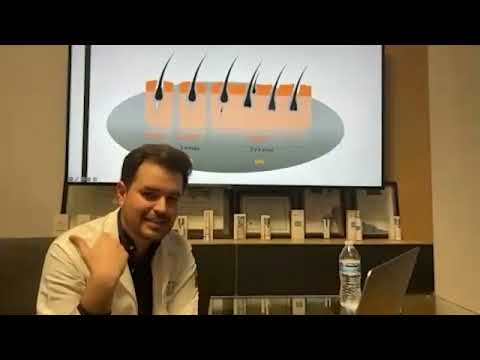
In this detailed clinical overview, led by [01:16] Dr. Leonardo Gonzalez Alvarez, a distinguished medical surgeon and trichology expert, we will explore the intricate science of hair restoration. From understanding the microscopic anatomy of the pilosebaceous unit to the application of innovative AGF Mesenchymal capillary therapies, this guide serves as an authoritative resource. Patients looking for advanced trichology procedures will discover the physiological root causes of their condition and the highly specialized microneedling protocols designed to reverse follicular miniaturization.
Video Chapters
Understanding the Anatomy of the Pilosebaceous Unit for Advanced Trichology Procedures
[03:55] The human skin is an incredibly complex, multi-layered organ that hosts essential appendages, the most prominent being the hair follicle. To comprehend how modern hair loss treatments in Mexico function on a cellular level, one must first understand the structural anatomy of the follicle. Embryologically, the hair follicle is an invagination of the epidermis that reaches deep down into the subcutaneous tissue.
Clinically, the follicle is divided into three distinct segments: the infundibulum, the isthmus, and the inferior segment. The infundibulum represents the uppermost portion, extending from the skin's surface down to the entrance of the sebaceous gland duct. This area is essentially a permanent channel lined with epidermal cells. Directly below it lies the isthmus, a crucial zone that spans from the sebaceous gland down to the insertion point of the arrector pili muscle. This specific muscle is responsible for the piloerection reflex (goosebumps) and plays a vital structural role.
The true magic of cellular regeneration occurs within the isthmus, specifically in an area known as the "bulge." The bulge is a protected reservoir of highly potent stem cells necessary for the cyclic regeneration of the hair shaft. Finally, the inferior segment encompasses the hair bulb and the dermal papilla. This deep region is highly vascularized, pulling nutrients directly from the bloodstream to fuel the intense mitotic division that creates the physical hair strand.
The Natural Hair Growth Cycle: Core Principles for Hair Loss Treatments in Mexico
[08:00] Unlike other mammals that shed their coats seasonally, human hair growth is an asynchronous process. This means that every individual hair on your scalp is operating on its own independent timeline. Understanding this physiological timeline is the cornerstone of designing an effective hair regeneration treatment in Mexico. The cycle is traditionally categorized into three distinct phases: Anagen, Catagen, and Telogen.
The Three Phases of Follicular Life
The Anagen phase is the period of active, vigorous growth. During this time, the cells within the hair matrix divide rapidly, adding length and thickness to the hair shaft. This phase typically lasts between two to six years, determining the maximum genetic length a person's hair can achieve. In a healthy scalp, roughly 80 to 90 percent of all follicles are comfortably situated in this anagen stage.
| Growth Phase | Duration | Percentage of Hair | Physiological Action |
|---|---|---|---|
| Anagen | 2 to 6 Years | 80% - 90% | Active mitotic cell division and growth. |
| Catagen | 2 to 3 Weeks | 1% - 5% | Transitional involution; follicle detaches from blood supply. |
| Telogen | 3 to 4 Months | 10% - 15% | Resting phase followed by natural shedding. |
[10:15] Once the growth phase concludes, the hair enters the Catagen phase, a short transitional window where the lower portion of the follicle undergoes controlled apoptosis (cell death) and disconnects from the dermal papilla's blood supply. Finally, the hair enters the Telogen phase, a period of total metabolic rest lasting around three months. The hair remains loosely anchored until it is naturally shed, making room for the next anagen cycle to begin anew.
Identifying the Root Causes of Telogen Effluvium Hair Loss and Miniaturization
[14:00] A successful clinical intervention requires a precise diagnosis. Hair shedding is rarely a singular issue; it is a clinical symptom pointing to an underlying systemic imbalance. The etiology of alopecia is broadly divided into internal organic causes and external reactive triggers. Among organic causes, hereditary factors like androgenetic alopecia (AGA) are the most prevalent. AGA is characterized by a genetic sensitivity to Dihydrotestosterone (DHT), a potent androgen that gradually miniaturizes the follicle until it ceases production.
Endocrine and hormonal fluctuations also play a massive role. The thyroid gland dictates overall cellular metabolism; therefore, conditions like hypothyroidism or hyperthyroidism frequently present with severe diffuse hair shedding. When the body's metabolic engine slows down, non-essential functions like hair production are the first to be compromised. In these scenarios, topical treatments must be paired with endocrinological care to achieve lasting results.
- Nutritional Deficiencies: Inadequate levels of serum ferritin (iron), zinc, magnesium, and essential B-vitamins directly starve the high-energy hair matrix.
- Pharmacological Triggers: Certain medications, including powerful chemotherapeutics, antidepressants (SSRIs), and high blood pressure medications, can aggressively disrupt the cellular replication of the anagen phase.
- Psychological Stress: Severe emotional trauma or chronic stress elevates cortisol levels, prematurely forcing a massive percentage of hair follicles into the telogen resting phase—a condition medically known as telogen effluvium.
Differentiating Non-Scarring from Scarring Alopecia in Clinical Diagnostics
[19:00] The clinical management of hair loss heavily depends on whether the alopecia is classified as non-scarring (non-cicatricial) or scarring (cicatricial). This distinction is the most critical juncture in any trichology consultation. Non-scarring alopecias account for the vast majority of cases seen in clinical practice. These include androgenetic alopecia, telogen effluvium, and alopecia areata. In these conditions, the follicle's structural integrity, specifically the stem-cell-rich bulge region, remains intact. The follicle is simply dormant, miniaturized, or temporarily resting.
Because the biological architecture survives in non-scarring alopecias, these follicles are highly receptive to advanced hair regeneration treatments. By utilizing regenerative serums, vasodilators, and mesotherapy, clinicians can effectively awaken these dormant follicles, restoring robust hair density and improving hair shaft caliber.
[23:00] Conversely, scarring alopecias present a severe dermatological challenge. Conditions such as Lichen Planopilaris, Frontal Fibrosing Alopecia, and Folliculitis Decalvans involve aggressive autoimmune or infectious inflammation that permanently destroys the hair follicle. The viable tissue is replaced with dense, fibrous scar tissue. Once cicatricial destruction occurs, no regenerative therapy can resurrect the follicle. The clinical focus must shift entirely toward aggressively halting the disease's progression with corticosteroids or immunosuppressants before considering surgical hair restoration.
AGF Mesenchymal Capillary Therapy: The Best Mesotherapy for Hair Growth
[23:20] For non-scarring hair loss, AGF (Advanced Growth Factor) Mesenchymal Capillary Therapy stands out as a revolutionary intervention. Traditional Platelet-Rich Plasma (PRP) relies on drawing a patient's own blood and centrifuging it to extract growth factors. However, the efficacy of PRP is inherently limited by the patient's current age, nutritional state, and overall health. AGF circumvents these variables by utilizing highly standardized, lab-cultivated protein derivatives sourced from multipotent mesenchymal stem cells.
The power of AGF therapy lies within exosomes—microscopic extracellular vesicles measuring between 30 and 150 nanometers. These tiny vesicles are master communicators, delivering concentrated packets of regenerative signals directly to the dermal papilla. The clinical formula is meticulously engineered with active ingredients proven to optimize follicular health.
Core Ingredients and Growth Factors
- FGF, PDGF, and VEGF: Fibroblast, Platelet-Derived, and Vascular Endothelial Growth Factors stimulate profound angiogenesis (creation of new blood vessels), ensuring the hair bulb receives maximum oxygen and nutrients.
- Ginseng Root Extract: A powerful botanical agent that mitigates cellular oxidative stress and promotes rapid cellular proliferation within the dermal papilla.
- Vitamin B Complex & Zinc: Niacin, Panthenol, Pyridoxine, and Biotin act as crucial building blocks for keratin synthesis, while Zinc regulates excessive sebum production that can clog follicular ostia.
Clinical Microneedling for Scalp: Precision Techniques and Depth Control
[25:00] The delivery mechanism is just as vital as the regenerative serum itself. To ensure the AGF formula reaches the critical bulge area and dermal papilla, professionals utilize automated clinical microneedling devices, such as the Dermapen or Nanopore. These sophisticated instruments use sterile, disposable cartridges equipped with microscopic needles to create thousands of controlled micro-channels across the scalp's epidermal barrier.
Precision depth control is paramount in non-surgical hair restoration techniques. The optimal penetration depth for scalp applications ranges strictly between 1.0 to 1.5 millimeters. At this specific level, the needles successfully bypass the superficial epidermis and reach the nutrient-rich dermis without causing unnecessary, counterproductive trauma to the deeper hypodermis. The micro-trauma itself induces a natural wound-healing cascade, further amplifying the production of collagen and localized growth factors.
[27:30] During the procedure, the specialist applies the serum drop by drop, passing the device in controlled vertical, horizontal, and circular patterns over the targeted areas. The clinical endpoints to look for are a mild, uniform erythema (redness) and very slight pinpoint bleeding (petechiae). Interestingly, top clinicians avoid the use of topical anesthetics unless absolutely necessary, as these numbing creams can induce vasoconstriction, limiting the serum's absorption and altering the tissue's natural inflammatory response.
Post-Procedure Aftercare Protocols for Non-Surgical Hair Restoration
[28:35] Protecting the scalp immediately following an AGF microneedling session is critical for maximizing the absorption of the exosomes and preventing secondary bacterial infections. Because the epidermal barrier is temporarily compromised, strict adherence to post-procedure guidelines will dictate the overall success of the treatment.
Patients are instructed to leave the application area completely untouched and unwashed for a minimum of four hours. Allowing the serum to naturally permeate the micro-channels ensures that the active growth factors are not diluted or washed away. Furthermore, patients must absolutely avoid strenuous physical exercise, saunas, and steam rooms on the day of the procedure. Excessive sweating introduces salt and bacteria into the open follicles, causing irritation and potential folliculitis.
Direct sun exposure must be strictly avoided to prevent post-inflammatory hyperpigmentation. When showering the following day, it is highly recommended to use a gentle, neutral pH shampoo without harsh sulfates or parabens. Applying harsh chemical dyes, bleaches, or aggressive styling products is strictly prohibited for at least a week following the clinical session.
Long-Term Results and Maintenance for Affordable Hair Loss Treatments in Mexico
[29:00] Setting realistic clinical expectations is vital for patient satisfaction. Hair regeneration is a biological process governed by the inherent slow pace of the natural growth cycle. Visual miracles do not happen overnight. The initial phase of treatment focuses entirely on stabilizing the condition—stopping excessive shedding by shifting telogen hairs rapidly back into the active anagen phase.
A standard treatment protocol consists of a minimum of three to a maximum of six sessions, typically spaced three to four weeks apart. Patients generally report noticeable improvements in hair shaft thickness, reduced scalp visibility, and an overall increase in density around the third or fourth month. Optimal cosmetic results peak near the six to eight-month mark as newly generated hairs grow long enough to contribute to the visual volume.
Because genetic conditions like androgenetic alopecia cannot be permanently "cured," ongoing maintenance is a reality of advanced trichology. Once the initial regenerative protocol is complete, patients are advised to undergo periodic maintenance sessions every six to twelve months. When combined with customized home-care treatments—such as oral antiandrogens or topical vasodilators—AGF Mesenchymal therapy provides one of the most powerful, scientifically validated solutions for sustainable hair restoration today.
Ready to Restore Your Hair's Natural Density?
Take the first step toward lasting hair regeneration. Consult with top certified trichology specialists to customize an AGF Mesenchymal capillary treatment tailored to your specific needs.
Get Free QuoteView Full Video Transcript
00:00 CELLSTIME CLINIQUE MEDICINA REGENERATIVA
00:26 Mucho gusto, mi nombre es Clara Olmedo y con gusto les doy la bienvenida a este webinar que se lleva gracias a la colaboración de Cellstime Clinic, AGF Mesenchymal y Live Cells.
00:39 Cellstime Clinic somos una clínica de medicina regenerativa, apegados siempre a la normativa de COFEPRIS.
00:46 Live Cells con su línea dermocosmética y su línea de uso profesional, el que incluye AGF dermal, capilar y su versión aclarante.
00:55 El día de hoy se va a abordar el tema de tricología y regeneración capilar, el cual nos va a apoyar el Dr. Leonardo González, un reconocido egresado de la Universidad de Guadalajara, a quien cedo la palabra.
01:16 Hola que tal, muy buenas noches. Me presento con ustedes, soy el Dr. Leonardo González Álvarez. Soy médico egresado de la Universidad de Guadalajara como médico cirujano y partero.
01:24 Yo hice estudios en tricología a través del Instituto Caloni, a través de también la Universidad Nacional Autónoma de México, a través del IPPC.
01:34 Hoy estamos aquí para platicar un poco acerca del tema de generalidades acerca de la tricología y pues evidentemente cómo es que la tricología tiene que ver en sus tratamientos junto con lo que es el AGF Mesenchymal capilar.
02:34 Vamos entendiendo que la piel es el órgano más grande que nosotros tenemos en nuestro cuerpo y dentro de la piel, la piel contiene diferentes tipos de anexos.
02:47 Uno de los anexos más importantes que nosotros llegamos a tener, pues evidentemente es el folículo piloso.
03:00 Es una invaginación que se genera en la epidermis cuando estamos nosotros desde bebés, el ectodermo se empieza a ir hacia la parte profunda y aquí es donde nosotros empezamos a tener el desarrollo de los folículos pilosos.
03:30 El cabello tiene diferentes porciones. Las porciones del cabello se clasifican en tres principalmente.
03:38 La parte superior que viene desde la epidermis hacia la parte profunda, nosotros le vamos a llamar el infundíbulo. De ahí sigue el istmo y después el segmento inferior.
04:41 Vamos a hablar acerca del infundíbulo. El infundíbulo es la parte proximal digamos del tubo donde empieza a crecer el cabello.
05:07 Porque en el istmo empezamos a ver las estructuras propiamente del cabello. Esas estructuras que nosotros vemos del cabello en la parte superior siempre vamos a nosotros observar el inicio de la glándula sebácea.
06:22 El segmento inferior es donde se constituye la formación propiamente del cabello y esta se va a clasificar en el bulbo y la matriz del crecimiento del cabello.
08:00 El cabello normalmente en todas las personas cumple un ciclo de vida que es muy importante recordar y enfatizar.
08:31 Que encontramos dentro de las principales, la etapa anágena, catágena y telógena. Se los puse en este orden catágena, telógena y anágena porque es la parte más fácil de comprender.
08:52 La etapa anágena propiamente anágeno al crecimiento, es el periodo más largo que nosotros tenemos en la vida de nuestro cabello.
09:02 Es una etapa que llega a durar aproximadamente entre dos a seis años de vida que pudiera extenderse mucho más tiempo.
10:16 La etapa catágena se considera como la transición en donde encontramos la disminución del crecimiento que nosotros tenemos del cabello.
10:34 La etapa de involución es como un periodo de hibernación que la involución es la telógena en donde el cabello se encuentra una fase protegida.
11:52 Aproximadamente se desarrollan 100 mil cabellos a lo largo de todo nuestro cuero cabelludo.
14:34 Para mí es muy importante clasificarlo en dos rubros muy importantes. Las alopecias se generan por causas orgánicas o estamos entrando a temas que se generan por cosas externas.
14:47 Las causas orgánicas principalmente tenemos que puede ser hereditaria, hormonal o endocrina.
15:42 Y dentro de los factores externos que nosotros encontramos para desencadenar una pérdida de cabello, tenemos principalmente la fase farmacológica.
19:23 Dentro de las alopecias que nosotros encontramos como no cicatrizales... las alopecias cicatrizales son completamente diferentes a las cicatrizales.
20:28 Entrando a las alopecias no cicatrizales, evidentemente tenemos las pérdidas momentáneas de cabello que se pueden determinar como los efluvios telógenos.
23:00 Y tenemos la más importante que yo creo que ahorita vamos a abordar un poquito, que es la alopecia androgenética.
25:27 Cuando nosotros estamos abordando las alopecias que nosotros vamos a abordar para generar un tratamiento, es muy importante entender que el abordaje terapéutico que nosotros vamos a desarrollar.
29:30 Las células madre mesenquimales hay que entender que son células propiamente no diferenciadas.
29:45 El laboratorio de Cellstime fabrica el AGF a través de células mesenquimales placentarias.
30:15 Tienen capacidades que ayudan a la inmunomodulación y la reparación tisular. Son de muy baja inmunogenicidad.
31:30 ¿Qué es lo importante de aquí? Evidentemente el AGF no está constituido de células mesenquimales, está constituido de los derivados proteicos que desarrollan las células mesenquimales multipotenciales.
32:16 Y los factores que a nosotros nos interesan que también se encuentran dentro de los AGF es el Crecimiento de Fibroblastos, el Crecimiento Derivado de Plaquetas y el Vascular Endotelial.
33:00 El endotelial porque queremos aumentar la vasculatura y el riego sanguíneo para nutrir directamente más a nuestro cabello.
34:30 El tema de las plaquetas para su activación de la fase anágena del crecimiento de los cabellos.
35:10 ¿Qué se diferencia la aplicación del capilar al dermal? La profundidad.
36:30 La profundidad recomendada para nosotros aplicar estos tratamientos evidentemente estamos viendo la profundidad que tiene que ser de 1 a 1.5 en profundidad.
38:40 El producto se tiene que dejar actuar por cuatro horas, que esto vendría siendo de los cuidados posteriores del producto.
40:00 La posología del tratamiento. El tiempo de regeneración tienden a generarse entre los 15 a los 20 días.
40:40 Los resultados de un tratamiento para cabello pueden ser completamente variables. Se estipula que normalmente los resultados se empiezan a observar a partir del tercer mes.


















Share this listing