


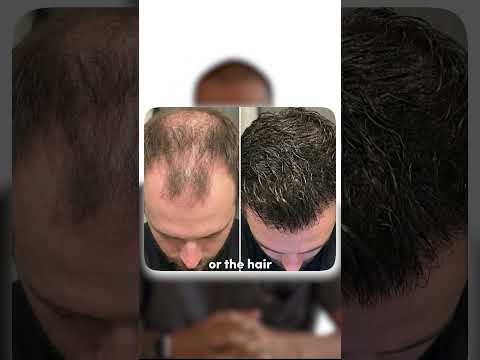
Are you struggling with severe hair thinning and seeking a highly effective medical solution? Advanced stem cell and exosome therapy for hair loss in Mexico represents the absolute frontier of modern regenerative medicine. Many individuals experience the progressive and devastating effects of androgenetic alopecia, driving them to find therapies that go beyond superficial fixes. While conventional non-surgical methods offer marginal improvements, the rapid evolution of cellular therapy fundamentally changes the approach to scalp rejuvenation.
By actively utilizing the body's deeply intrinsic healing mechanisms, these targeted cellular protocols address the root causes of follicle degradation. We will rigorously examine the critical biological differences between these advanced biological treatments and how they drastically outperform older methodologies. Understanding the intricate science behind structural repair versus cellular signaling is the first vital step toward achieving permanent, natural hair regrowth.
Video Chapters & Quick Navigation
Understanding Male Pattern Baldness: How DHT Damages Hair Follicles
Hair loss is a highly complex biological process heavily influenced by both genetics and hormonal fluctuations. The primary biological culprit in most cases of androgenetic alopecia is Dihydrotestosterone, universally known as DHT. This highly potent androgen hormone binds aggressively to specific receptors located in the scalp tissue. Over extended periods, this binding leads directly to the gradual miniaturization of individual hair follicles. The structurally compromised follicles begin producing significantly thinner, shorter, and mechanically weaker hair shafts.
Eventually, the hair follicle completely ceases producing visible hair, resulting in distinct and permanent baldness patterns. This miniaturization process does not solely affect the hair shaft; it systematically degrades the surrounding dermal tissue. The delicate vascular network that constantly supplies oxygen and vital nutrients to the hair roots becomes severely compromised. As highlighted in the video at [00:24], DHT continuously damages the surrounding tissue and the actual hair follicle, including the critical blood vessels. When the localized blood supply is vastly diminished, the scalp rapidly transforms into a hostile environment for sustained hair growth.
This prolonged lack of nourishment severely accelerates the shedding phase of the natural hair growth cycle. The surrounding tissue experiences chronic cellular hypoxia, meaning it lacks the oxygen required for basic metabolic functions. Reversing this extensive damage requires substantially more than simply blocking future DHT production. It fundamentally necessitates actual, structural tissue repair at the microscopic level. Advanced regenerative treatments actively target this severely damaged vascular network to restore the basic structural integrity of the scalp.
Traditional Regenerative Medicine: Limitations of Platelet-Rich Plasma (PRP)
For many consecutive years, Platelet-Rich Plasma (PRP) served as the recognized gold standard for non-surgical hair restoration. The standard PRP protocol involves drawing a patient's own peripheral blood, rapidly spinning it in a specialized centrifuge, and extracting the concentrated platelets. These extracted platelets are then injected back into the scalp tissue. The platelets harbor specific growth factors designed to stimulate local cell proliferation and initiate minor tissue healing.
While PRP therapy has demonstrated positive clinical results for numerous patients, it possesses distinct and unalterable biological limitations. The overall efficacy of any standard PRP treatment remains heavily dependent on the patient's current overall health and chronological age. Older patients, or individuals battling underlying systemic health conditions, naturally yield lower-quality platelets. This biological reality frequently results in highly suboptimal or entirely negligible clinical outcomes.
Furthermore, traditional PRP primarily acts as a temporary biological fertilizer for the existing dermal tissue. It successfully stimulates tired, existing cells but completely fails to introduce new, undifferentiated cells to physically replace severely damaged tissue. As medically noted at [00:07], advanced cellular therapies work significantly more effectively than traditional regenerative medicine such as platelet-rich plasma. Because standard PRP cannot physically rebuild tissue, patients routinely require multiple expensive sessions and continuous, lifelong maintenance injections to prevent regression.
The Science of Stem Cells: Morphing and Differentiating for Hair Growth
Mesenchymal stem cells currently represent the absolute pinnacle of modern regenerative medicine due to their highly unique biological properties. Unlike standard somatic cells that possess a strictly fixed biological function, pure stem cells remain completely undifferentiated. This specific characteristic means they retain the remarkable, inherent capacity to physically transform into various types of specialized cells depending entirely on the body's immediate physiological needs.
When strategically introduced into the damaged scalp, these stem cells rapidly detect concentrated areas of chronic inflammation and structural tissue damage. As specifically highlighted at [00:12], the absolute biggest difference is that stem cells possess the unique ability to physically differentiate. They can essentially morph directly into the highly specific cells required to structurally repair the damaged dermal tissue or the complex hair follicle itself.
This precise morphing ability allows introduced stem cells to systematically rebuild the vastly compromised vascular network previously destroyed by continuous DHT exposure. By physically regenerating microscopic blood vessels, active stem cells successfully restore the steady flow of essential nutrients and oxygen to entirely dormant hair follicles. This profound structural repair process remains fundamentally critical for medically reactivating the active growth phase of the standard hair cycle.
Moreover, engrafted stem cells consistently provide a highly sustained release of potent healing factors over an incredibly extended period. Once they successfully engraft into the localized scalp tissue, they continuously promote an internal environment highly conducive to long-term hair survival. Instead of merely stimulating exhausted, existing cells, pure stem cell therapy essentially renovates the entire cellular neighborhood from the ground up.
What Are Exosomes? Cellular Signaling for Hair Follicle Repair
While pure stem cells act aggressively as the structural builders, exosomes consistently function as the essential biochemical communicators within the complex regenerative process. Exosomes are incredibly small, naturally occurring extracellular vesicles secreted constantly by various cells, particularly highly active stem cells. They essentially operate as microscopic biological delivery packages densely filled with vital genetic information, including messenger RNA, microRNA, and highly concentrated growth factors.
Exosomes strictly lack a biological nucleus and absolutely cannot physically differentiate into other cell types like pure stem cells can. Instead, their primary, critical role revolves entirely around rapid cellular communication and highly targeted biological signaling. When systematically injected directly into the damaged scalp, exosomes efficiently deliver highly specific metabolic instructions to the surrounding dormant or structurally damaged hair follicle cells.
As thoroughly discussed at [00:30], exosomes operate much more as a rapid signaling, triggering biological process. When introduced directly into the tissue, they rapidly signal vast arrays of growth factors and initiate massive healing processes deep within the localized organ. This sudden influx of critical biological instructions physically forces completely dormant hair follicles to rapidly wake up and immediately resume natural hair production.
Because exosomes remain infinitesimally small, typically measuring only a few nanometers, they easily penetrate tough cellular barriers. This incredibly small size allows them to spread rapidly and deeply throughout the densely packed scalp tissue without facing biological resistance. A single clinical treatment protocol can rapidly deliver billions of these microscopic signaling vesicles, instantly triggering an incredibly intense healing response within the compromised dermal tissue.
Stem Cells vs Exosomes for Hair Growth: Evaluating the Best Treatment Protocol
When clinically comparing stem cells vs exosomes for hair growth, understanding their vastly distinct mechanisms of biological action remains absolutely crucial. Both highly advanced therapies consistently offer profound regenerative benefits, yet they successfully achieve their impressive clinical results through entirely different biological pathways. The ultimate clinical choice between the two fundamentally depends on the specific pattern, duration, and overall severity of the individual's localized hair loss.
Stem cells function definitively as the heavy structural engineers of the expansive regenerative medical world. Their primary clinical value lies deeply in their unique biological ability to physically morph into new, healthy tissue. If a patient has sustained severe, long-term structural damage to the deep scalp tissue due to decades of DHT exposure, stem cells remain absolutely vital for comprehensive, lasting repair.
Conversely, pure exosomes operate efficiently as the biological foremen actively directing the entire physiological worksite. They strictly do not rebuild actual tissue themselves, but instead rapidly command the exhausted existing local cells to work significantly harder and heal exponentially faster. As medically noted at [00:40], highly active stem cells inherently produce their own unique exosomes over time.
This basic biological fact clearly dictates that any comprehensive stem cell treatment naturally includes a sustained exosome component. As explicitly stated at [00:42], pure stem cells represent a substantially more effective overall treatment protocol because patients receive the absolute best of both biological worlds. Administering a pure, concentrated exosome therapy definitively offers an incredibly immediate, massive biochemical burst of rapid signaling, but lacks long-term structural capability.
| Biological Feature | Stem Cells | Exosomes | Traditional PRP |
|---|---|---|---|
| Primary Function | Tissue structural repair & regeneration | Rapid cellular signaling & communication | Mild localized growth factor stimulation |
| Differentiation Ability | Yes, morphs into needed scalp cells | No, strictly functions as a messenger vehicle | No, relies on existing aging cells entirely |
| Vascular Regeneration | Highly effective for rebuilding blood vessels | Promotes angiogenesis via intense signaling | Minimal to moderate vascular improvement |
| Treatment Longevity | Long-term sustainability & deep engraftment | Immediate rapid impact, shorter overall duration | Short-term, requires highly frequent maintenance |
The Synergistic Approach: Combining Stem Cells and Exosomes
While both high-quality stem cells and concentrated exosomes function as immensely powerful standalone clinical treatments, modern medicine demands more. The most advanced, highly effective medical protocols globally now explicitly combine these two formidable biological agents. This profound synergistic approach mathematically maximizes the absolute regenerative potential of the human scalp by simultaneously addressing comprehensive structural repair and immediate cellular communication.
When a heavy, concentrated bolus of pure stem cells is carefully injected alongside a massive dose of concentrated exosomes, clinical results improve exponentially. The dense exosomes instantly provide an overwhelming, targeted biochemical signal to the tired local cells, forcing them to begin the intensive healing process. This incredibly rapid signaling violently reduces localized chronic inflammation and perfectly prepares the dermal tissue for the incoming structural stem cells.
Simultaneously, the newly introduced stem cells systematically begin the slower, yet vastly more comprehensive physiological work of structural tissue repair and complex vascular regeneration. The immediate, massive burst of exosomal biological signals actually physically assists the newly introduced stem cells to successfully engraft and function substantially more efficiently. As explicitly highlighted at [00:48], to truly optimize everything, the absolute ideal medical platform is to mix both of them.
By thoroughly mixing both advanced therapies, individual patients consistently receive a highly potent heavy bolus of stem cells and a massive heavy bolus of exosomes. This comprehensive protocol ensures strictly no critical aspect of the complex regenerative process is accidentally overlooked or under-treated. Top medical professionals globally are increasingly and rapidly adopting this heavily mixed biological protocol as the ultimate definitive standard of high-level patient care.
Why Patients Choose Advanced Stem Cell Hair Transplant in Mexico
The incredibly rapid, ongoing advancements in comprehensive cellular therapy have directly led to a massive global surge in specialized medical tourism. Advanced stem cell hair transplant in Mexico has rapidly become highly sought after globally due to the rare combination of elite medical expertise and highly accessible pricing. Thousands of patients from the United States, Canada, and Europe frequently travel internationally to explicitly access these top-tier, highly regulated regenerative treatments.
The progressive regulatory medical environments present in modern countries like Mexico frequently allow for the safe clinical use of vastly expanded, exceptionally high-potency cultured stem cells. These highly advanced biological medical products are strictly regulated, extensively tested, and unfortunately sometimes heavily restricted in other rigid North American countries. This progressive medical landscape distinctly allows premier medical facilities located in Mexico to consistently offer substantially more robust, highly aggressive cellular therapies.
- Access to Expanded Stem Cells: Progressive medical regulations actively allow for the advanced cultivation of billions of highly potent mesenchymal stem cells, far exceeding standard domestic therapy limitations.
- Unmatched Cost Efficiency: International patients consistently save thousands of dollars while receiving comprehensive, dual-action clinical protocols combining heavily concentrated stem cells and dense exosomes.
- World-Class Medical Facilities: Top regenerative clinics utilize elite state-of-the-art laboratory environments fully equipped with the absolute latest cell-counting and rigorous purification biotechnology.
- Specialized Physician Expertise: Board-certified regenerative medical specialists focus exclusively on administering advanced cellular therapies and highly complex aesthetic restoration protocols.
The total financial cost of these highly advanced biological treatments in Mexico remains significantly lower than any comparable basic procedures offered in the United States. Traveling patients can easily receive a highly comprehensive medical protocol actively combining both pure stem cells and concentrated exosomes at a mere fraction of the standard domestic price. Actively choosing a highly reputable, certified clinic ensures that all complex biological materials utilized are strictly ethically sourced, rigorously physiologically screened, and exceptionally highly viable.
The Future of Regenerative Medicine for Hair Thinning
The rapid, continuous, and heavily funded evolution of modern regenerative medicine is completely reshaping our fundamental scientific understanding of complex tissue repair and long-term follicle health. The highly intricate biochemical mechanisms by which pure stem cells and concentrated exosomes consistently operate are still being aggressively researched globally. This intense ongoing medical research consistently promises even greater, highly disruptive clinical breakthroughs in the very near future.
Top international researchers are actively exploring highly innovative ways to deeply optimize specific exosome delivery systems to ensure deeper scalp penetration. Massive innovations in complex biomaterials may soon safely allow for specialized slow-release biological matrices that actively sustain the dense exosomal signaling over many consecutive months. This incredible advancement would vastly further reduce the basic clinical need for any repeat treatments and drastically enhance overall long-term patient convenience.
The massive, ongoing global shift entirely away from highly invasive, painful surgical procedures directly toward these potent cellular therapies marks a deeply significant turning point in modern cosmetic medicine. Patients globally increasingly and actively prefer biological treatments that heavily harness their body's incredibly powerful innate healing capacities without surgical scarring. Advanced cellular therapies align absolutely perfectly with this rapidly growing, massive consumer demand for highly natural, deeply biologically compatible medical solutions.
Educating prospective patients extensively about the highly intricate biological differences between basic PRP, highly potent stem cells, and heavily concentrated exosomes remains absolutely crucial. A deep, comprehensive understanding of the highly complex underlying medical science fully empowers individuals to make highly informed, strategic decisions regarding their personal healthcare investments. By aggressively leveraging the immense structural power of pure stem cells and the highly precise biochemical communication of dense exosomes, permanent biological reversal of severe hair loss is rapidly becoming an everyday clinical reality.
Ready to Restore Your Hair Naturally?
Take the definitive next step toward permanent hair regeneration. Discover exactly how advanced stem cell and exosome therapy for hair loss in Mexico can permanently rebuild your scalp health. Contact elite regenerative specialists today for a comprehensive, deeply personalized medical consultation.
Get Free QuoteView Full Video Transcript
[00:00] So stem cells and exosomes vary in a couple different ways in terms of treatment protocols and the efficacy in the scalp.
[00:07] And they work a little bit more effectively than some of the traditional regenerative medicine such as platelet rich plasma.
[00:12] So stem cells, the biggest difference between all of them is that stem cells have the ability to differentiate.
[00:18] So they can essentially morph into things that are needed to repair the tissue in the scalp or the hair follicle itself,
[00:24] which gets damaged by DHT, as does the surrounding tissue to the actual hair follicle, including the blood vessels.
[00:30] So exosomes are a little bit more of a signaling, triggering process when you put them in. They signal different growth factors and healing processes in the organ.
[00:40] Stem cells actually produce their own exosomes.
[00:42] So when you're looking at exosomes or stem cells, stem cells are a more effective treatment protocol because you're getting the best of both worlds.
[00:48] But really, if you want to optimize everything, the ideal platform is to mix both of them.
[00:53] That way you're getting a heavy bolus of stem cells and a heavy bolus of exosomes.



















Share this listing