


The Ultimate Guide to the Best PGD PGS Gender Selection Clinics Worldwide
Are you actively searching for the best PGD PGS gender selection clinics to achieve your dream of family balancing? For many couples, the desire to have a child of a specific sex is deeply rooted in personal, cultural, or medical reasons. However, navigating the complex world of In Vitro Fertilization (IVF) and preimplantation genetic testing can feel incredibly overwhelming.
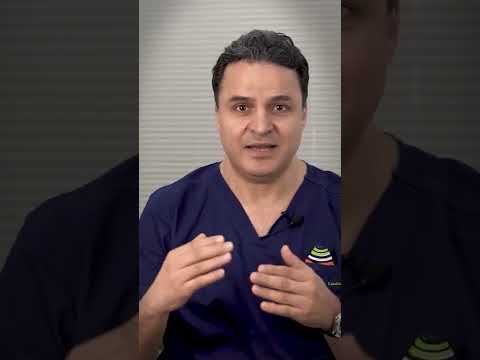
Advanced reproductive technologies have transformed what was once left to chance into a highly precise scientific process. By utilizing Preimplantation Genetic Diagnosis (PGD) and Preimplantation Genetic Screening (PGS), intended parents can now ensure the sex of their baby with near 100% accuracy while simultaneously screening for severe genetic abnormalities. Watch our detailed breakdown and read below to discover how medical tourism is providing couples with affordable, legal, and highly successful avenues to build the exact family they have always envisioned.
Video Chapters & Quick Navigation
Decoding the Science: Understanding PGD and PGS
To fully grasp how modern gender selection works, it is critical to understand the terminology. Historically, the terms PGD (Preimplantation Genetic Diagnosis) and PGS (Preimplantation Genetic Screening) were used interchangeably by patients . Today, the medical community frequently refers to them as PGT-M and PGT-A.
Preimplantation Genetic Screening (PGS / PGT-A)
PGS, now known as Preimplantation Genetic Testing for Aneuploidies (PGT-A), is the process of examining IVF-created embryos for overall chromosomal normality. A healthy human embryo should have 46 chromosomes, arranged in 23 pairs. The 23rd pair dictates the biological sex of the child—XX for a female and XY for a male.
During the PGS process, embryologists remove a tiny cluster of cells from a Day-5 blastocyst. By analyzing these cells, the clinic can identify the presence of the X or Y chromosome with 99.9% accuracy. This allows parents to confidently select which gender they wish to transfer to the uterus.
Preimplantation Genetic Diagnosis (PGD / PGT-M)
PGD, now termed Preimplantation Genetic Testing for Monogenic/Single Gene Defects (PGT-M), goes a step deeper than PGS. This technology is utilized when parents are known carriers of specific inherited genetic diseases. Examples include Cystic Fibrosis, Huntington's Disease, and Sickle Cell Anemia.
Certain genetic disorders are sex-linked, meaning they predominantly affect male children (such as Hemophilia or Duchenne Muscular Dystrophy). In these crucial medical cases, utilizing the best PGD PGS gender selection clinics is not just a matter of preference, but a vital medical intervention to ensure the birth of a healthy baby .
The Rise of Family Balancing Through IVF
Family balancing is the primary driving force behind the surging global demand for gender selection services. Many couples find themselves with multiple children of the same sex and possess a deep emotional desire to experience raising a child of the opposite sex.
In the past, couples relied on unproven methods, such as the Shettles method, specific diets, or timing intercourse around ovulation. Scientifically, these traditional methods yield results no better than a coin flip. IVF paired with PGT-A is the only scientifically proven method to guarantee the sex of your child before pregnancy occurs.
This desire for a balanced household is completely natural. By seeking out top-tier reproductive centers, couples can bypass the emotional toll of "trying one more time" and definitively plan their family's future. The peace of mind provided by accurate embryo screening is invaluable to intended parents.
Navigating the Complex Global IVF Legal Landscape
One of the most significant barriers patients face is their own local legal system. Gender selection for purely elective reasons (family balancing) is strictly prohibited in many developed nations. This legal roadblock has birthed a massive influx of reproductive medical tourism.
Countries with Strict Prohibitions
In the United Kingdom, the Human Fertilisation and Embryology Authority (HFEA) heavily regulates IVF. Under UK law, sex selection is entirely illegal unless it is strictly for preventing a serious sex-linked genetic condition. Similar strict legislations exist in Australia, Canada, and much of Western Europe .
Patients residing in these countries have no choice but to look abroad if they wish to balance their families. This forces them to carefully evaluate international clinics to ensure safety, ethical standards, and high success rates.
Countries Embracing Gender Selection
Conversely, several countries have adopted a more progressive or deregulated approach to family balancing. The United States, for example, has no federal laws banning gender selection, making it a premier, albeit expensive, destination. Other countries, such as Mexico and North Cyprus, have actively cultivated legal environments that welcome international patients seeking these precise services.
Top Global Destinations for PGD PGS Gender Selection
When selecting the best PGD PGS gender selection clinics, the destination country plays a massive role in both the overall cost and the patient experience. Reproductive tourism allows patients to combine world-class medical care with a relaxing vacation environment, which can actually help lower stress levels during an IVF cycle.
1. Mexico: Affordable Excellence Near the US Border
Mexico has rapidly ascended as one of the most popular destinations for fertility treatments, particularly for patients from the United States and Canada. Cities like Tijuana, Cancun, and Guadalajara host state-of-the-art fertility centers that operate at a fraction of the cost of US clinics.
The appeal of Mexico lies not just in the price tag, but in the exceptional quality of care. Many leading Mexican embryologists and fertility specialists have completed their fellowships in the United States or Europe. They utilize the exact same Next-Generation Sequencing (NGS) technology for embryo screening as high-end clinics in Beverly Hills or Manhattan .
Furthermore, undergoing treatment in cities like Cancun allows couples to recover in a serene, tropical environment. Reducing cortisol (stress hormone) levels is frequently cited by reproductive endocrinologists as beneficial for successful embryo implantation.
2. North Cyprus: The European Fertility Hub
For patients traveling from the UK, Europe, or the Middle East, North Cyprus is often the undisputed top choice. North Cyprus has built an entire medical infrastructure dedicated to IVF, egg donation, and highly regulated gender selection procedures.
The legal framework in North Cyprus allows for family balancing, and the clinics here boast some of the highest success rates in the Mediterranean. Due to favorable exchange rates and a lower cost of living, comprehensive IVF packages with PGT-A screening are incredibly affordable. Patients are treated to luxury accommodations, private hospital transfers, and dedicated patient coordinators who speak multiple languages.
3. The United States: The Premium Standard
The United States remains the global gold standard for reproductive technology. Clinics in California, New York, and Colorado are pioneers in genetic screening and complex infertility cases. Gender selection is completely legal and routinely offered as part of standard IVF cycles.
The primary drawback of the US market is the staggering cost. Without insurance coverage—which rarely applies to elective gender selection—patients can expect to pay exorbitant out-of-pocket fees. However, for those with flexible budgets, the US offers unmatched technological infrastructure and access to the world's leading fertility minds.
4. Thailand: Advanced Genomics in Asia
Historically a massive hub for medical tourism, Thailand features highly advanced genomic laboratories capable of precise PGD and PGS screening. The hospitals in Bangkok rival Western facilities in terms of hygiene, technology, and patient care.
It is important to note that Thai regulations regarding gender selection have undergone changes in recent years, often restricting the practice to medical necessity rather than elective family balancing. Patients must consult with updated legal guides or international facilitators to understand the current requirements before booking flights to Southeast Asia.
How to Evaluate and Choose the Right Clinic
With thousands of fertility centers worldwide, isolating the best PGD PGS gender selection clinics requires diligent research. You are investing significant financial resources and emotional energy into this process, so settling for anything less than excellence is not an option.
- Advanced Laboratory Technology: The clinic must utilize Next-Generation Sequencing (NGS) rather than older FISH or microarray techniques. NGS provides the highest resolution for detecting chromosomal abnormalities.
- Day 5 Blastocyst Biopsy: Ensure the clinic performs biopsies on Day 5 or Day 6 embryos (blastocysts) rather than Day 3 embryos. Day 5 biopsies are much safer, yield more accurate genetic material, and do not harm the developing fetus .
- Transparent Success Rates: Reputable clinics publish their clinical pregnancy rates and live birth rates, broken down by maternal age. Beware of clinics promising 100% success rates, as biological variables always exist in IVF.
- Comprehensive Support Staff: The best international clinics employ dedicated international patient coordinators. These individuals handle visa assistance, hotel bookings, airport transfers, and translation services.
The Step-by-Step IVF and Gender Selection Process
Understanding the clinical pathway can alleviate the anxiety associated with medical travel. While every patient's protocol is uniquely tailored, the standard IVF cycle with PGT-A screening follows a highly structured timeline.
Phase 1: Ovarian Stimulation
The journey begins with hormone medications designed to stimulate the ovaries. Instead of releasing a single egg, as happens in a natural menstrual cycle, the goal is to produce multiple mature ovarian follicles. This phase typically lasts 10 to 12 days. Many patients can complete this phase in their home country, working with a local monitoring clinic for ultrasound scans, before traveling abroad for the surgical steps.
Phase 2: Egg Retrieval and Fertilization
Once the eggs are mature, a minor surgical procedure called an egg retrieval is performed under light sedation. On the same day, the male partner provides a sperm sample. The best PGD PGS gender selection clinics use a technique called ICSI (Intracytoplasmic Sperm Injection).
With ICSI, the embryologist selects the single most viable sperm and injects it directly into the center of the egg. This significantly maximizes fertilization rates, ensuring there are enough resulting embryos to test for gender.
Phase 3: Embryo Development and Biopsy
The fertilized eggs are placed in advanced, time-lapse incubators. Over the next five to six days, they grow into complex structures called blastocysts. Once an embryo reaches the blastocyst stage, a highly skilled embryologist uses a microscopic laser to safely extract 3 to 5 cells from the trophectoderm (the part that will become the placenta).
The inner cell mass (which becomes the baby) is left completely untouched. The biopsied cells are then sent to the genetics laboratory for complete chromosomal analysis .
Phase 4: Genetic Results and Embryo Transfer
While the genetic testing is underway, the embryos are safely cryopreserved (frozen) using a rapid-freezing technique called vitrification. Vitrification has a near 99% survival rate for embryos.
Within a few days to a couple of weeks, the genetic report is finalized. This comprehensive report details the chromosomal health of each embryo and clearly identifies them as male (XY) or female (XX). You and your doctor will then review the results and select the healthiest embryo of your desired gender for the final step: the Frozen Embryo Transfer (FET).
Global Cost Comparison for IVF with Gender Selection
Financial planning is a massive component of reproductive travel. Prices vary wildly depending on the geographic location, the specific technology utilized, and the level of luxury included in the medical packages.
| Destination Country | Average IVF + PGT-A Cost (USD) | Key Advantage |
|---|---|---|
| United States | $20,000 - $35,000+ | No travel required for US citizens, premium tech |
| Mexico | $7,500 - $11,000 | Proximity to North America, resort recovery |
| North Cyprus | $6,000 - $9,000 | Highly affordable, relaxed legal framework |
| Colombia | $6,500 - $9,500 | Emerging hub, excellent US-trained doctors |
Note: Prices are estimates and typically cover the medical procedure, ICSI, and genetic testing for a set number of embryos. Travel, accommodation, and stimulation medications may incur additional costs.
Maximizing Your IVF Success Rates
Securing treatment at the best PGD PGS gender selection clinics is the most important step, but patients also play a role in the biological success of their cycle. Preparing your body prior to the commencement of stimulation medications can improve egg and sperm quality.
Reproductive endocrinologists highly recommend adopting a Mediterranean diet rich in antioxidants at least three months prior to your cycle. Supplementation with CoQ10, Vitamin D, and Folic Acid has been shown in numerous clinical studies to enhance cellular energy within the ovaries . Likewise, male partners should strictly limit alcohol consumption and cease smoking, as sperm DNA fragmentation directly impacts embryo development and genetic normalcy.
The Emotional Support System in Medical Travel
Embarking on an international IVF journey is an emotionally taxing endeavor. The rollercoaster of hormone injections, waiting for blastocyst reports, and anticipating genetic results requires immense mental fortitude.
Top international clinics recognize this and integrate robust psychological support into their packages. Many offer pre-cycle counseling to help couples align their expectations. They also establish clear, daily communication channels via WhatsApp or email, ensuring you are never left in the dark about your developing embryos. Surrounding yourself with a compassionate medical team thousands of miles from home transforms a clinical procedure into a supported, empowering life event.
Preparing Logistics for Your Medical Vacation
Once you have selected your clinic, the logistical preparation begins. First, verify passport validity; most countries require at least six months of validity beyond your intended return date. Check if your destination requires a specific medical visa or if a standard tourist visa suffices.
When booking accommodations, prioritize proximity to the clinic. Post-retrieval and post-transfer, you will want to minimize long transit times. Many clinics partner with local hotels to offer discounted, long-term stay rates. Pack comfortable, loose-fitting clothing, as abdominal bloating is highly common during the ovarian stimulation phase.
Finally, utilize reputable medical tourism facilitators. Organizations like PlacidWay eliminate the guesswork by connecting you exclusively with vetted, accredited, and highly reviewed clinics. They advocate on your behalf, negotiate transparent pricing, and ensure your entire focus remains solely on growing your family.
Ready to Complete Your Family?
Take the guesswork out of your journey. Let PlacidWay Medical Tourism connect you with the world's most advanced, legal, and highly successful PGD/PGS gender selection clinics. Secure your free consultation and personalized quote today.
GET A FREE QUOTE TODAY









.jpg)









Share this listing