


The Complete Guide to Tubal Ligation Reversal in Mexicali, Mexico
Are you dreaming of expanding your family but feel limited by a past procedure? Getting a tubal ligation reversal in Mexicali, Mexico, offers a beacon of hope for women seeking to restore their natural fertility. For years, the exorbitant cost of specialized fertility treatments in the United States and Canada has forced countless couples to abandon their dreams of having another child.
Today, advanced microsurgical techniques and highly experienced specialists just across the border make reversing tied tubes both accessible and highly successful. Watch our comprehensive guide to discover how cross-border healthcare is making affordable family planning a reality for thousands of patients.
Video Chapters & Quick Navigation
- The Journey to Restoring Fertility
- Why Choose Mexicali for Surgery?
- Understanding the Microsurgery
- IVF vs. Tubal Reversal
- Comprehensive Financial Breakdown
- Who is the Ideal Candidate?
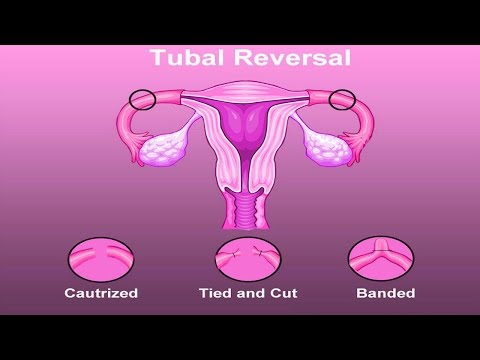
- Impact of Previous Ligation Methods
- Pregnancy Success Rates
- Travel Logistics to Mexicali
- Post-Operative Care & Recovery
The Emotional and Medical Journey to Restoring Fertility
Deciding to undergo a tubal ligation is often a choice made during a specific phase of a woman's life. Circumstances at that time might have made permanent birth control seem like the most responsible and logical decision. However, life is beautifully unpredictable, and circumstances frequently change.
Many women find themselves longing for another child due to a new marriage, improved financial stability, or simply a profound shift in their desire to expand their family. The emotional weight of wanting a child but feeling restricted by a past surgical procedure can be overwhelming. Fortunately, modern medicine provides a highly effective solution.
Reversing tied tubes is a specialized procedure that physically reconnects the separated segments of the fallopian tubes. By carefully restoring this delicate internal pathway, women regain the incredible ability to conceive naturally. As noted in the video at , this procedure represents a second chance at motherhood for countless women worldwide.
Why Choose Mexicali for Tubal Ligation Reversal?
When researching options for reproductive surgery, patients quickly discover that the location of the clinic plays a monumental role in both accessibility and affordability. Mexicali, the vibrant capital city of the Mexican state of Baja California, has rapidly emerged as a premier global destination for medical tourism. This surge in popularity is no accident.
Located immediately adjacent to the US border city of Calexico, California, Mexicali offers unparalleled geographic convenience for North American patients. You can easily drive to the border from major hubs like Los Angeles, San Diego, or Phoenix. Many patients simply walk or drive across the border and arrive at state-of-the-art medical facilities within minutes.
Beyond convenience, Mexicali boasts a highly regulated, modern healthcare infrastructure. The fertility clinics and hospitals operating in this region are outfitted with the exact same advanced microsurgical equipment found in elite Beverly Hills or Manhattan hospitals. The fertility surgeons in Mexicali frequently undergo rigorous specialized training, holding prestigious international board certifications.
Understanding the Microsurgical Reanastomosis Procedure
The medical term for a tubal ligation reversal is microsurgical tubal reanastomosis. This is not a standard general surgery; it is an incredibly delicate procedure requiring specialized training and meticulous precision. The fallopian tubes are remarkably narrow, often compared to the width of a single piece of angel hair pasta.
The Surgical Process Explained
During the procedure, the surgeon makes a small incision in the lower abdomen, often referred to as a "bikini cut" or mini-laparotomy. This strategic placement ensures that any resulting scar remains well-hidden beneath standard underwear or swimwear. Once the reproductive organs are accessible, the surgeon utilizes a high-powered operating microscope to gain a magnified view of the tubes.
The damaged or blocked portions of the fallopian tubes are carefully removed. The surgeon then meticulously aligns the healthy segments and sews them together using ultra-fine, absorbable sutures. These sutures are so minuscule that they are barely visible to the naked eye. As highlighted at in the video, this high level of precision is absolutely critical to prevent scar tissue from forming and blocking the newly repaired tube.
Finally, a special blue dye is injected through the uterus to verify that the reconnected tubes are fully open and functioning correctly. Once patency is confirmed, the incision is closed, and the patient is moved to a comfortable recovery suite. The entire surgery typically takes between two and three hours.
In Vitro Fertilization (IVF) vs. Tubal Reversal: Making the Right Choice
When a woman with tied tubes decides she wants another child, she is generally presented with two distinct medical pathways: In Vitro Fertilization (IVF) or a tubal ligation reversal. Understanding the differences between these two options is vital for making an informed healthcare decision.
IVF completely bypasses the fallopian tubes. It involves taking powerful hormonal medications to stimulate the ovaries, surgically retrieving the eggs, fertilizing them in a laboratory, and then transferring the resulting embryo directly into the uterus. While IVF is a wonderful technology, it is incredibly invasive, physically demanding, and requires multiple clinic visits.
In contrast, a tubal reversal surgery is a one-time procedure that physically corrects the anatomical roadblock. Once the tubes are successfully healed, a couple can attempt to conceive naturally in the privacy of their own home, month after month, without the need for ongoing medical intervention or expensive fertility drugs. Furthermore, a successful reversal allows for the possibility of having multiple children in the future from a single surgical investment.
The High Cost of Fertility Care: A Comprehensive Financial Breakdown
The primary reason thousands of women travel to Mexicali for fertility surgery is the staggering difference in medical costs. In the United States, elective fertility treatments are almost never covered by standard health insurance plans. Patients are forced to pay entirely out-of-pocket for these life-changing procedures.
In the US, the average cost for a tubal ligation reversal ranges dramatically from $10,000 to over $15,000. This steep price tag includes the surgeon's fee, anesthesiologist fees, operating room charges, and pre-operative consultations. For many families, this financial barrier is simply insurmountable.
Conversely, the cost of tubal ligation reversal in Mexicali, Mexico, is remarkably affordable. Comprehensive surgical packages typically range between $3,500 and $4,500. This represents a monumental savings of up to 70%, without sacrificing any quality of care or medical safety.
Cost Comparison: US vs. Mexicali
| Medical Service or Fee | Average Cost in USA | Average Cost in Mexicali |
|---|---|---|
| Surgeon & Operating Room | $8,000 - $12,000 | Included in Package |
| Anesthesia | $1,500 - $2,500 | Included in Package |
| Hospital Stay (1 Night) | $3,000 - $5,000 | Included in Package |
| Total Estimated Cost | $12,500 - $19,500 | $3,500 - $4,500 |
Who is the Ideal Candidate for Tubal Reversal Surgery?
While reversing tied tubes in Mexico is a fantastic option, it is important to understand that not every woman is an ideal candidate for the surgery. Reputable fertility clinics in Mexicali will require a thorough medical evaluation prior to approving you for the procedure. This ensures that you have a realistic and high chance of achieving a successful pregnancy.
Age is a significant contributing factor. Women under the age of 35 generally experience the highest success rates, as their natural ovarian reserve and egg quality remain optimal. However, many women in their late 30s and early 40s still successfully conceive post-surgery, provided their overall reproductive health is strong.
Your partner's fertility status must also be taken into consideration. Before undergoing a reversal, it is highly recommended that the male partner receives a comprehensive semen analysis. If there are severe male factor fertility issues, such as a very low sperm count or poor motility, the natural conception benefits of a tubal reversal may be negated, making IVF the more logical alternative.
The Impact of Previous Ligation Methods
The specific technique used during your original tubal ligation heavily dictates the potential success of your reversal surgery. During your initial consultation, the Mexicali surgical team will request to review your original operative report. This vital document tells the surgeon exactly how your tubes were tied and how much healthy tissue remains.
Certain methods are much easier to reverse than others. For example, if your tubes were tied using Filshie clips or Falope rings, the reversal prognosis is generally excellent. These mechanical devices pinch a very small section of the tube, leaving the vast majority of the delicate tissue intact and healthy for reanastomosis.
Conversely, if your original surgeon used a method involving extensive electrocoagulation—where large portions of the fallopian tubes were burned and destroyed—the reversal process becomes significantly more complex. If too little healthy tube remains (typically less than 4 centimeters), the repaired tube may not function properly, even if the surgical connection is flawless.
Pregnancy Success Rates: What the Data Shows
The ultimate goal of traveling to Mexicali for this procedure is, of course, to bring a healthy baby into the world. Prospective patients naturally want to know their statistical chances of success before committing to surgery. The data surrounding microsurgical tubal reversals is highly encouraging.
For women under the age of 35 who had favorable original ligation methods (like clips or rings), the pregnancy success rate can soar between 70% and 80% within the first year after surgery. As age increases, the success rates naturally taper down, reflecting the standard biological decline in female fertility.
As mentioned at , women between the ages of 35 and 40 typically see success rates hovering around 50% to 60%. Even for women over the age of 40, success rates can range from 30% to 40%, provided their ovarian reserve is adequate. These numbers demonstrate that for many women, a reversal offers a highly viable path to motherhood.
Preparing for Your Medical Journey: Travel Logistics to Mexicali
Planning medical travel across international borders may initially sound intimidating, but the process of traveling to Mexicali is incredibly streamlined. The city caters extensively to American and Canadian medical tourists, meaning the logistical infrastructure is thoroughly optimized for your comfort and safety.
- Arrival and Transportation: Most patients choose to fly into nearby airports such as San Diego International Airport (SAN) or Yuma International Airport (YUM). From there, clinics often arrange private, bilingual shuttle services to pick you up and drive you directly to the clinic or your hotel.
- Border Crossing: Mexicali shares a direct border with Calexico, California. Crossing the border is generally quick and straightforward. Ensure you have a valid, up-to-date passport. Many top-tier clinics provide patients with a medical pass, which grants access to a dedicated fast-lane for a much faster return trip into the United States.
- Accommodation: You will not be recovering in a standard hospital ward for days on end. Tubal reversal packages in Mexicali usually include a one-night stay in a private hospital suite, followed by a few nights in a comfortable, pre-vetted local hotel to rest before traveling home.
Post-Operative Care and Your Recovery Timeline
The immediate recovery phase following a mini-laparotomy tubal reversal requires patience and strict adherence to your surgeon's guidelines. Because the abdominal muscles are carefully separated rather than cut during the procedure, the recovery is generally much faster and less painful than a traditional major abdominal surgery.
Patients can typically expect to feel moderate soreness and fatigue for the first three to five days. You will be prescribed appropriate pain management medications and antibiotics to prevent infection. Most women feel well enough to return to desk work or light daily activities within 7 to 10 days post-operation.
However, it is vital to avoid heavy lifting, rigorous exercise, or strenuous household chores for at least four to six weeks. This resting period allows the incredibly delicate internal microsutures to heal completely. Rushing the recovery process can jeopardize the structural integrity of your newly repaired fallopian tubes.
When Can You Start Trying to Conceive?
One of the most common questions patients ask is how soon they can begin trying for a baby. Your Mexicali surgical team will provide highly specific instructions based on your unique healing profile. Generally, couples are advised to abstain from sexual intercourse for at least three to four weeks following the surgery.
Once you are medically cleared, you can immediately begin trying to conceive naturally. It is important to note that women who become pregnant following a tubal reversal have a slightly elevated risk of an ectopic pregnancy (a pregnancy that implants inside the fallopian tube rather than the uterus). As soon as you get a positive pregnancy test, you must contact your local OB/GYN to schedule an early ultrasound. This vital scan confirms that the embryo has safely reached the uterus.
Partnering with PlacidWay for a Seamless Experience
Navigating the landscape of international medical tourism on your own can feel overwhelming. This is where partnering with a globally recognized medical tourism facilitator becomes invaluable. Organizations dedicated to connecting patients with elite healthcare providers take the guesswork out of the entire process.
They assist with gathering your medical records, translating documents if necessary, facilitating virtual consultations with top Mexicali fertility surgeons, and organizing your complete travel itinerary. By utilizing these specialized services, you can focus all of your emotional energy on your recovery and the exciting prospect of growing your family.
A tubal ligation reversal in Mexicali, Mexico, is more than just a medical procedure; it is a profound journey toward reclaiming your reproductive autonomy. With world-class microsurgeons, exceptional affordability, and comprehensive support systems in place, your dream of having another child is well within reach.
Take the First Step Toward Growing Your Family Today
Don't let the high cost of healthcare stand in the way of your dreams. PlacidWay Medical Tourism connects you with top-rated, board-certified fertility surgeons in Mexicali, Mexico. Let us handle the medical logistics, travel coordination, and clinic communication while you focus on your new beginning.
REQUEST YOUR FREE QUOTE NOW




.png)




.jpg)









Share this listing