


For American women facing high out-of-pocket healthcare costs, gynecological surgery in Mexico offers a highly accessible alternative. Procedures like a hysterectomy or myomectomy in Tijuana cost $3,500 to $7,500 USD, representing a 65% to 75% savings compared to the $15,000–$35,000 averages in the US. These all-inclusive packages feature minimally invasive techniques performed by board-certified gynecologists in internationally accredited hospitals.

Every year, hundreds of thousands of American women require surgical intervention for debilitating conditions such as uterine fibroids, severe endometriosis, and pelvic organ prolapse. Despite paying exorbitant monthly health insurance premiums, many patients are shocked to discover that high deductibles, co-pays, and out-of-network fees can result in personal medical bills exceeding $10,000. For uninsured or underinsured women, the financial barrier to reproductive healthcare is often insurmountable.
Faced with agonizing wait times and crippling costs, a growing number of patients are seeking solutions across the southern border. By choosing gynecological surgery in Mexico, specifically in border cities like Tijuana, women are reclaiming their health without sacrificing their financial stability. Located just a short drive from San Diego, California, Tijuana has emerged as a premier destination for specialized, minimally invasive women's healthcare.
This comprehensive guide explores the realities of traveling for reproductive health procedures. You will learn the exact cost comparisons between the US and Mexico, understand the rigorous safety and accreditation standards of Tijuana hospitals, review a detailed recovery timeline, and discover actionable steps to safely plan your medical journey.
Quick Facts at a Glance
Essential benchmarks for patients researching reproductive and pelvic surgeries in Mexico.
- Average Cost in Tijuana
- $3,500 – $7,500
- Average Cost in the USA
- $15,000 – $35,000+
- Hospital Stay Required
- 1 – 2 Nights
- Total Time in Mexico
- 5 – 7 Days
- Primary Techniques
- Laparoscopic / Minimally Invasive
- Full Recovery Timeline
- 4 – 6 Weeks
What is Gynecological Surgery?
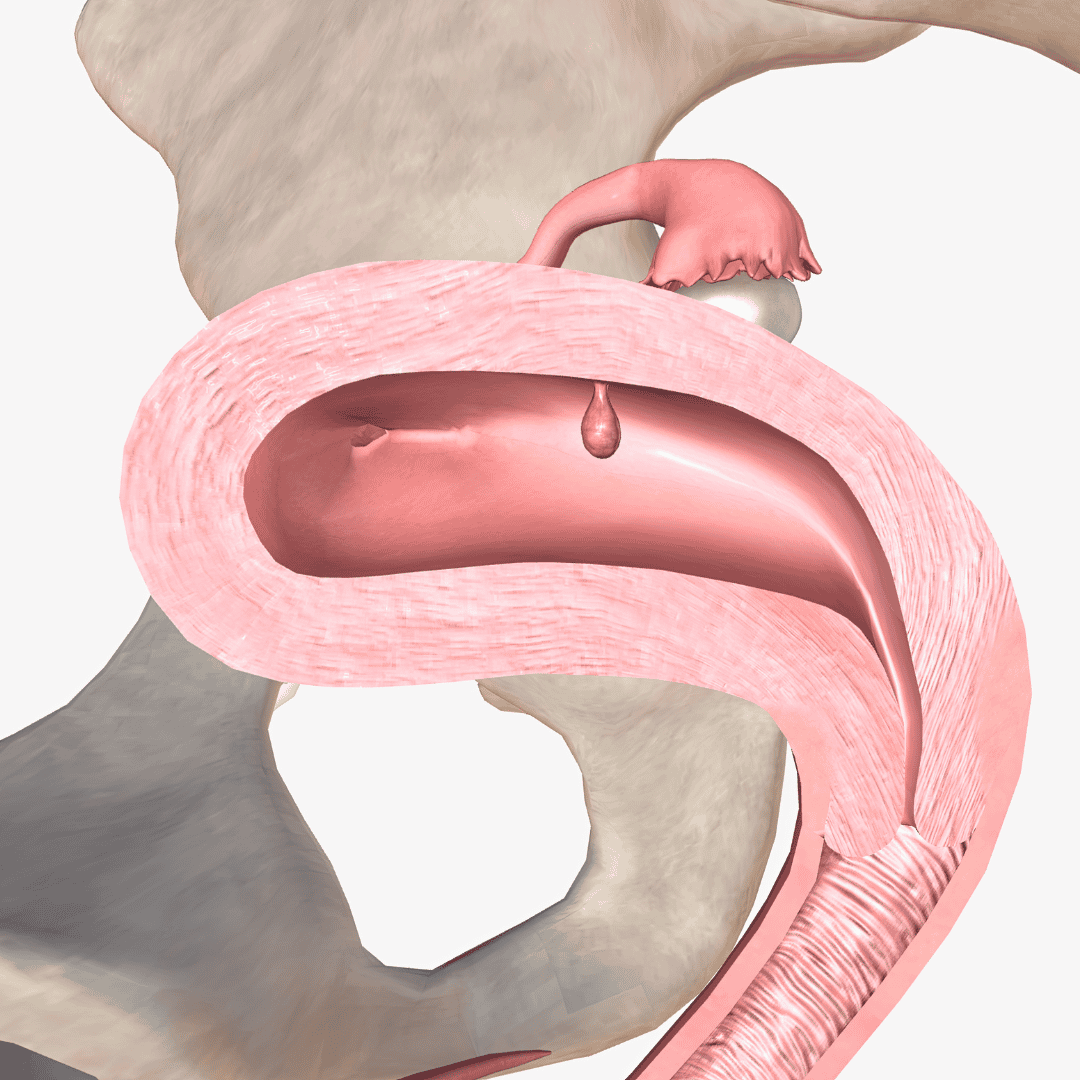
The female reproductive system is complex, and conditions affecting the uterus, ovaries, fallopian tubes, or pelvic floor often require surgical intervention when conservative treatments fail. Modern gynecological surgery heavily prioritizes laparoscopy—a minimally invasive technique that uses small abdominal incisions and a tiny camera to perform complex organ repairs or removals. This approach significantly reduces pain, scarring, and recovery time compared to traditional open abdominal surgery.
Common Procedures Performed in Tijuana
Medical tourists traveling to Mexico frequently seek treatments for conditions that severely impact their daily quality of life. The most commonly performed procedures include:
- Hysterectomy: The surgical removal of the uterus. Depending on the diagnosis (such as cancer, severe bleeding, or adenomyosis), it may also involve removing the cervix, ovaries, and fallopian tubes.
- Myomectomy: A fertility-preserving procedure designed to surgically extract uterine fibroids (benign tumors) while leaving the uterus intact.
- Endometriosis Excision: The meticulous surgical removal of endometrial-like tissue that has grown outside the uterus, aiming to relieve chronic pelvic pain and improve fertility.
- Pelvic Organ Prolapse Repair: Reconstructive surgery to restore the structural support of pelvic organs (bladder, uterus, or rectum) that have dropped from their normal positions.
Why do patients travel for these specific procedures?
In the United States, insurance providers frequently mandate lengthy "step therapy" protocols, forcing women to endure years of ineffective hormonal treatments before approving surgery. By engaging in medical tourism, patients bypass these bureaucratic hurdles, gaining immediate access to definitive surgical care.
Cost Comparison: US vs. Tijuana
The stark difference in pricing is the primary catalyst for the surge in medical tourism for women's healthcare. The table below provides an objective comparison of out-of-pocket costs for common gynecological surgeries.
Note: Prices represent averages for uninsured/cash-pay patients and may fluctuate based on the specific hospital, surgical complexity, and patient health status.
Understanding All-Inclusive Packages
A major advantage of undergoing gynecological surgery in Mexico is the transparency of medical billing. Mexican healthcare facilities typically offer comprehensive packages that eliminate the surprise invoices notorious in the US system. A standard Tijuana surgical package generally includes:
- Pre-operative blood work, electrocardiogram (EKG), and specialist consultations
- Surgeon, anesthesiologist, and nursing staff fees
- Operating room usage, surgical equipment, and laparoscopy technology
- 1 to 2 nights of hospitalization in a private room
- Basic post-operative medications (antibiotics, pain management) during the hospital stay
- Ground transportation between the San Diego airport and the Tijuana clinic
Why is it so much cheaper?
The 70% price reduction is not indicative of lower medical quality. Instead, it reflects favorable macroeconomic factors in Mexico. The cost of living and real estate overhead is significantly lower. Medical professionals do not carry the astronomical malpractice insurance premiums required in the US. Furthermore, by dealing directly with cash-pay patients, clinics bypass the massive administrative costs associated with US insurance billing departments.
Step-by-Step Gynecology Treatment Procedure
Traveling for a major pelvic surgery can feel daunting. Understanding the step-by-step process helps manage expectations and ensures a calm, organized medical journey from start to finish.
- Initial Remote Consultation: Before traveling, you will submit your local medical records, ultrasound, or MRI results to the clinic. You will have a virtual consultation with a Tijuana gynecologist to discuss your diagnosis and confirm surgical eligibility.
- Arrival and Logistics: Patients typically fly into San Diego International Airport (SAN). A clinic representative picks you up and transports you across the border directly to the hospital or your designated hotel using specialized medical fast lanes.
- Pre-Operative Testing: On the day before or morning of your procedure, you undergo in-person blood tests, an EKG, and a final physical examination by your surgical and anesthesia team to ensure you are safe for general anesthesia.
- The Surgical Procedure: The surgery is performed under general anesthesia. Most procedures, like a laparoscopic hysterectomy, take between 1.5 to 3 hours, depending on the severity of the condition (e.g., the size and number of fibroids).
- Hospital Observation: Following surgery, you will spend 1 to 2 nights in a private hospital suite. Dedicated nursing staff will manage your pain intravenously, monitor for complications, and assist you with your first post-op walk to prevent blood clots.
- In-Country Recovery: You will transition to a comfortable nearby recovery hotel for 2 to 4 days. During this period, you rest while remaining close to your surgical team in case any immediate concerns arise.
- Medical Clearance and Return: You attend a final post-operative checkup. Once the surgeon confirms your incisions are healing correctly and you are stable, you receive a fit-to-fly/travel certificate and transportation back to San Diego.
Safety, Quality, and Surgical Standards
The most pressing question for any medical tourist is: "Is it safe?" When properly researched and coordinated, gynecological surgery in Mexico is highly safe. The country boasts a robust, tiered medical system, and private hospitals catering to international patients adhere to global clinical standards.
Surgeon Qualifications
In Mexico, physicians must complete intensive medical training similar to the US system. When selecting a doctor, look for board certification from the Consejo Mexicano de Ginecología y Obstetricia (Mexican Board of Gynecology and Obstetrics). Elite surgeons frequently complete specialized fellowships in minimally invasive laparoscopy in North America or Europe, and many hold affiliate memberships with the American College of Obstetricians and Gynecologists (ACOG).
Hospital Accreditation
Quality medical facilities in Tijuana voluntarily undergo rigorous audits to prove their clinical excellence. You should prioritize hospitals that hold accreditations from respected organizations:
- Joint Commission International (JCI): The global gold standard for healthcare quality, evaluating facilities on hundreds of stringent safety protocols.
- Consejo de Salubridad General (CSG): The highest national healthcare certification awarded by the Mexican government, roughly equivalent to US Joint Commission standards.
Mitigating Risks
Reputable Tijuana clinics utilize the same FDA-approved surgical mesh, sutures, and laparoscopic equipment (such as Stryker or Olympus cameras) found in top US hospitals. Furthermore, they enforce identical preoperative fasting rules and deep vein thrombosis (DVT) prevention protocols, including the use of sequential compression devices during surgery.
Recovery Timeline and Aftercare
Gynecological surgeries involve significant internal tissue repair, even when performed laparoscopically. Adhering to strict recovery guidelines is essential to prevent complications such as internal bleeding or pelvic floor dysfunction.
Phased Recovery Expectations
- Days 1–3 (Acute Phase): Expect grogginess from anesthesia, abdominal soreness, and gas pain in your shoulders (a common side effect of laparoscopy). Pain is managed with prescribed oral medications.
- Weeks 1–2 (Early Healing): You will experience fatigue and light vaginal spotting. You must avoid lifting anything heavier than a gallon of milk. Short, gentle walks are encouraged to promote blood circulation.
- Weeks 3–4 (Intermediate Phase): Energy levels gradually return. While you may feel normal, internal tissues are still healing. Sexual intercourse, soaking in baths, and rigorous exercise remain strictly prohibited.
- Weeks 6–8 (Full Clearance): At this stage, your local gynecologist will evaluate your healing. If cleared, you can resume normal activities, including exercise, swimming, and intercourse.
Warning Signs Post-Surgery
Seek immediate medical attention if you experience heavy vaginal bleeding (soaking a pad in an hour), a fever exceeding 100.4°F (38°C), severe and worsening abdominal pain, or difficulty emptying your bladder. These may be signs of infection or internal surgical complications.
How to Select the Right Clinic for Gynecology Treatment?
Choosing your surgeon and facility is the most critical decision in your medical tourism journey. Use this 6-step checklist to evaluate potential providers objectively.
- Verify Board Certification: Ensure the lead surgeon is officially certified by the Mexican Board of Gynecology and Obstetrics.
- Confirm Hospital Accreditations: Ask for proof of CSG or JCI accreditation. Do not accept surgery in a small, unaccredited outpatient clinic.
- Inquire About Surgical Volume: Ask how many times the surgeon has performed your specific procedure (e.g., laparoscopic myomectomy) in the past year. High volume correlates with better outcomes.
- Demand Transparent Pricing: Request a written, itemized quote that clearly states what is included and what might incur extra charges (e.g., additional nights in the hospital).
- Assess Communication: Are the medical coordinators responsive? Does the surgeon speak fluent English to ensure you fully understand the risks and benefits?
- Plan Local Follow-Up: Confirm you have a primary care doctor or gynecologist in your hometown willing to remove stitches (if necessary) and manage your 6-week post-op checkup.
Understanding Risks and Limitations
It is vital to approach medical tourism with realistic expectations. Every surgical procedure, regardless of geographical location, carries inherent risks. When exploring gynecological surgery in Mexico, you must balance the benefits of affordability with the clinical and logistical realities.
Clinical Risks
General risks of pelvic surgery include infection, excessive bleeding, adverse reactions to anesthesia, and unintended damage to surrounding organs like the bladder or ureters. While minimally invasive techniques reduce these risks, they do not eliminate them entirely.
Travel-Specific Limitations
The primary disadvantage of medical travel is the logistical hurdle of follow-up care. If you develop a complication three weeks after returning to the US, you cannot easily visit your Tijuana surgeon. You must rely on local emergency rooms or your primary care physician, which can incur domestic medical costs. Therefore, strict adherence to post-operative instructions is non-negotiable.
Who Should NOT Pursue Surgery Abroad?
Medical tourism is generally contraindicated for patients with:
- Severe morbid obesity, which complicates anesthesia and recovery.
- Uncontrolled cardiovascular disease, diabetes, or active systemic infections.
- A history of severe blood clotting disorders (high risk of DVT during travel).
- Highly complex gynecological cancers that require integrated, multi-disciplinary oncology teams over several months.
How to Plan Your Gynecology Surgery in Mexico?
If you have determined that medical tourism is the right choice for your healthcare needs, follow this 5-step framework to begin the process safely.
- Gather Your Medical Records: Obtain your latest pelvic ultrasound, MRI, and biopsy results from your local doctor. Tijuana surgeons need these to confirm your diagnosis.
- Request Comprehensive Quotes: Use verified platforms to request itemized pricing from at least two to three accredited hospitals.
- Schedule Virtual Consultations: Speak directly with the gynecologists. Ask specific questions about their preferred surgical techniques and complication rates.
- Secure a Post-Op Care Plan: Before booking your flight, schedule a follow-up appointment with a local healthcare provider for 2 to 4 weeks after your planned return date.
- Organize Travel Logistics: Ensure your passport is valid for at least six months. Book flights, arrange for a trusted companion to travel with you (highly recommended for post-op mobility), and confirm border transportation with your clinic.
Take Control of Your Health Today
Connect with internationally accredited gynecologists in Tijuana. Compare specialized surgical packages, read patient reviews, and schedule a free virtual consultation to explore your treatment options.
Frequently Asked Questions
Reclaim Health and Financial Freedom
No woman should have to endure chronic pain or compromise her reproductive health due to prohibitive medical costs. By exploring gynecological surgery in Mexico, American women are bypassing broken insurance networks to secure timely, high-quality care. A trip to Tijuana can yield savings of up to 70%, transforming a devastating financial burden into an accessible pathway to healing.
Medical tourism empowers you to take charge of your medical journey, provided you commit to diligent research and prioritize internationally accredited healthcare facilities. By verifying credentials and planning for comprehensive post-operative care, you can safely undergo life-changing procedures.
Ready to explore your options? Browse verified specialists on PlacidWay, compare all-inclusive packages, and request a personalized consultation today. Reclaim your health on your own terms.
The information in this article is for educational purposes only and does not constitute medical advice. Individual results vary based on health status, case complexity, and other factors. Always discuss your specific situation with a licensed healthcare professional before making treatment decisions. PlacidWay connects patients with verified healthcare providers but does not provide medical services directly.
- American College of Obstetricians and Gynecologists (ACOG): Patient FAQ: Hysterectomy Overview
- Mayo Clinic: Myomectomy - Procedure Details and Recovery
- World Health Organization (WHO): Fact Sheet: Endometriosis
- National Institutes of Health (NIH): Outcomes of Laparoscopic Gynecological Surgeries
- PlacidWay Medical Tourism: Global Gynecology Treatment Options





.png)



.jpg)









Share this listing