


The Complete Guide to Tubal Ligation in Tijuana, Mexico: Exploring the Procedure and Your Choices
Securing a tubal ligation in Tijuana, Mexico, is rapidly becoming the leading choice for women seeking safe, affordable, and respectful permanent birth control options. For many women, navigating the local healthcare system for female sterilization surgery can be a frustrating labyrinth of age restrictions, paternalistic doctor approvals, and astronomical out-of-pocket costs.
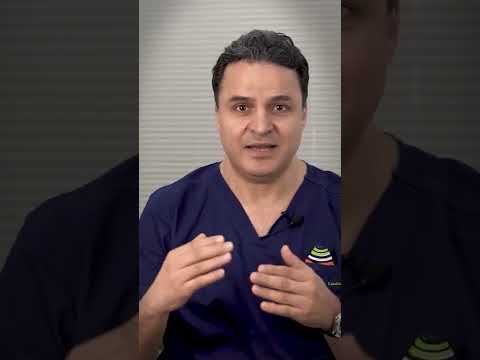
Today, affordable tubal ligation surgery abroad offers a highly empowering alternative. Just across the border from San Diego, state-of-the-art medical facilities in Baja California are providing world-class gynecological care. Watch our comprehensive guide to explore the surgical procedure, understand your reproductive choices, and discover why thousands of women are taking control of their bodily autonomy in Tijuana.
Video Chapters & Quick Navigation
Understanding Tubal Ligation: The Ultimate Permanent Birth Control Option
When considering permanent birth control options, tubal ligation remains one of the most effective and widely recognized procedures worldwide. Often referred to colloquially as "getting your tubes tied," this surgical intervention is designed specifically to prevent future pregnancies permanently. By intentionally blocking, cutting, or sealing the fallopian tubes, the surgery physically prevents an egg from traveling from the ovaries to the uterus.
Simultaneously, it prevents sperm from traveling up the fallopian tubes to reach and fertilize the egg. At in the video, our specialists highlight that the effectiveness rate of female sterilization surgery is over 99%. This makes it a highly appealing option for women who are certain they do not want children in the future, or for those who have completed their families and want to avoid the long-term side effects of hormonal contraceptives.
Unlike birth control pills, hormonal intrauterine devices (IUDs), or contraceptive implants, a tubal ligation does not alter a woman's natural hormone levels. You will continue to have regular menstrual cycles, and the procedure does not induce early menopause. For many patients traveling for affordable tubal ligation surgery abroad, this non-hormonal aspect is a massive relief. It eliminates the mood swings, weight fluctuations, and systemic hormonal changes that many women endure for decades while trying to prevent pregnancy.
Why Choose Tijuana, Mexico for Female Sterilization Surgery?
The decision to pursue a tubal ligation in Tijuana, Mexico, is driven by several compelling factors, primarily revolving around accessibility, cost, and medical autonomy. In the United States and Canada, women frequently encounter significant roadblocks when requesting permanent sterilization. Many doctors implement personal or systemic age restrictions, parity requirements (requiring a woman to already have a certain number of children), or mandate lengthy waiting periods and psychological evaluations before agreeing to perform the surgery.
As discussed at in the video presentation, the medical culture in top Mexican medical tourism hubs takes a much more progressive and respectful approach to bodily autonomy. The best gynecologists in Tijuana, Mexico, respect a woman's right to make permanent decisions about her own reproductive health. As long as the patient is of legal consenting age and fully understands the permanent nature of the procedure, these world-class surgeons are ready to provide top-tier medical care without paternalistic judgment.
Beyond autonomy, geographic proximity plays a massive role. Tijuana is located immediately south of San Diego, California. Patients can fly into San Diego International Airport (SAN) and be whisked across the border in a private, medically approved shuttle in under thirty minutes. This seamless transition transforms what could be a stressful international medical journey into a convenient, accessible, and straightforward trip for high-quality reproductive healthcare.
The Rise of Medical Tourism in Baja California
Tijuana is not a newcomer to the global healthcare stage. Over the past two decades, the city has evolved into a premier destination for specialized medical care, drawing hundreds of thousands of international patients annually. The infrastructure is specifically designed to cater to American, Canadian, and European patients.
This means that modern medical plazas are equipped with the latest surgical technology, bilingual staff are present at every stage of your care, and hygiene standards strictly mirror or exceed those established by international health organizations. You are not stepping into a subpar environment; you are entering a highly competitive, regulated, and advanced medical sector.
Shattering the Price Barrier: US vs. Mexico Cost Comparison
The financial disparity between healthcare in the United States and Mexico is arguably the most significant driver for medical tourism. The cost of getting tubes tied in the United States can be exorbitantly high, especially for women who are uninsured, underinsured, or dealing with high-deductible health plans. Even with insurance, facility fees, anesthesiologist bills, and post-operative care can easily push out-of-pocket expenses into the thousands.
In contrast, the cost of getting tubes tied in Tijuana is dramatically lower. This is not due to a reduction in quality, but rather the lower cost of living, reduced administrative bloat, and the absence of astronomical malpractice insurance premiums that plague the US healthcare system. As outlined at in our video, patients can expect all-inclusive pricing that leaves no room for hidden medical bills.
| Medical Expense Factor | United States (Estimated Cost) | Tijuana, Mexico (Estimated Cost) |
|---|---|---|
| Surgical Procedure & Facility Fees | $4,500 - $8,000+ | $1,500 - $2,500 |
| Anesthesiologist Fees | $1,000 - $2,000 | Included in Package |
| Pre-Op Consultations & Lab Work | $300 - $800 | Included in Package |
| Hidden Fees & Surprise Billing | High Risk | Zero Risk (Transparent Pricing) |
When booking affordable tubal ligation surgery abroad through a reputable agency, the price you are quoted is the price you pay. These comprehensive packages generally include the surgical facility fees, the specialized surgeon's fee, the anesthesiologist, pre-operative lab work, post-operative medications, and even ground transportation from the San Diego airport to your clinic and hotel.
Modern Surgical Techniques for Female Sterilization
Advancements in medical technology have made female sterilization surgery safer and less invasive than ever before. When you consult with the best gynecologists in Tijuana, Mexico, they will discuss the various surgical methods available to tailor the procedure to your specific anatomy and medical history. The most common and preferred method in modern medical tourism is the laparoscopic tubal ligation.
The Laparoscopic Approach
Laparoscopy is the gold standard for outpatient sterilization. At in the video, the surgeon explains how this minimally invasive technique works. While the patient is under general anesthesia, the surgeon makes one or two tiny incisions near the navel. A harmless gas (usually carbon dioxide) is gently pumped into the abdomen to inflate it, providing the surgeon with a clear, unobstructed view of the reproductive organs.
A laparoscope—a thin tube equipped with a high-definition camera and light—is then inserted. Through the second small incision, specialized surgical instruments are introduced to access the fallopian tubes. Depending on the agreed-upon method, the surgeon will then sever, tie, clip, or use an electric current to coagulate and seal the tubes. The entire procedure typically takes less than an hour, and the small incisions are closed with dissolvable stitches or surgical tape.
Bilateral Salpingectomy: An Advanced Option
Another option gaining immense popularity in Tijuana clinics is the bilateral salpingectomy. Instead of just blocking or cutting a section of the tubes, this procedure involves the complete removal of both fallopian tubes. Medical research has shown that many ovarian cancers actually originate in the fallopian tubes.
By completely removing them, patients not only achieve permanent birth control but also significantly reduce their lifetime risk of developing ovarian cancer. Your dedicated specialist in Mexico will help you weigh the benefits of a traditional tubal ligation versus a complete bilateral salpingectomy during your pre-operative consultation.
Evaluating Medical Facilities and Surgeons in Tijuana
Safety and quality of care are naturally the highest priorities for anyone considering surgery in a foreign country. The medical facilities catering to international patients in Tijuana are specifically built to alleviate these concerns. Facilities like the New City Medical Plaza and other upscale clinics in the Zona Rio medical district look and function like luxury health resorts, combined with strict clinical excellence.
The top clinics boast accreditations from international bodies or the Mexican General Health Council (CSG), which models its rigorous standards after the US Joint Commission International (JCI). When choosing your surgeon, you will find that the best gynecologists in Tijuana, Mexico, possess impressive credentials. Many have completed extensive fellowships in laparoscopic surgery in the United States or Europe and hold board certifications from prestigious medical councils.
Furthermore, these clinics utilize state-of-the-art operating rooms equipped with the latest anesthesia machines, high-definition laparoscopic towers, and strict sterilization protocols. The combination of elite surgical talent and modern medical infrastructure guarantees that you are receiving care that easily rivals, and often surpasses, the standard of care available in your home country.
Seamless Travel and Border Logistics
One of the most intimidating aspects of medical tourism is the actual travel. However, coordinating a tubal ligation in Tijuana, Mexico, is incredibly streamlined. The journey begins with a comprehensive virtual consultation. Before you ever pack a bag, you will speak with your surgeon via video call to discuss your medical history, goals, and any concerns you might have.
Once you arrive at San Diego International Airport, a bilingual concierge from your clinic will greet you at the baggage claim. At , the video showcases the comfortable, private transportation provided to patients. You will be driven directly across the border utilizing medical fast-pass lanes, drastically reducing wait times.
You will be taken either straight to the clinic for your pre-operative bloodwork and EKG, or to a partner luxury hotel to rest. This concierge-level service ensures that you never have to navigate a foreign city, hail a taxi, or worry about a language barrier while preparing for your surgical procedure.
Understanding the Laparoscopic Tubal Ligation Recovery Time
Because the procedure is minimally invasive, the laparoscopic tubal ligation recovery time is remarkably short. The surgery is almost always performed on an outpatient basis. This means that after spending a few hours in a comfortable post-anesthesia recovery room under the watchful eyes of bilingual nursing staff, you will be discharged to return to your hotel room.
In the first 24 to 48 hours, patients generally experience mild to moderate discomfort. The most common side effect is a unique pain in the shoulders or neck. This is completely normal and is caused by the carbon dioxide gas used to inflate the abdomen during surgery pressing against the diaphragm, which shares nerve pathways with the shoulders. This gas naturally dissipates within a few days.
You will also likely experience mild abdominal cramping, similar to menstrual cramps, and some spotting. Your clinic will provide you with a detailed aftercare plan and prescription pain medication to manage any discomfort. Most women feel well enough to travel back home within two days of the surgery. By day five to seven, the majority of patients are ready to return to desk work and light daily activities, though strenuous exercise and heavy lifting should be avoided for two to three weeks to allow the internal healing process to complete successfully.
Long-Term Considerations and Empowerment
Choosing permanent birth control is a profound, empowering decision for a woman to make about her own body. The psychological relief reported by women who have undergone female sterilization surgery is immense. The constant, background anxiety of an unintended pregnancy is entirely removed, allowing for a more relaxed and fulfilling intimate life.
It is crucial to enter into this procedure with absolute certainty. While procedures like tubal reversal surgeries do exist—and are also performed with great success by specialists in Mexico—tubal ligation must be viewed as a permanent, irreversible choice. If there is any doubt about wanting children in the future, long-acting reversible contraceptives (LARCs) like IUDs are highly recommended instead.
However, for women who are resolute in their choice, traveling to Baja California offers a dignified, affordable, and safe pathway. You are not just paying for a surgical procedure; you are investing in your long-term peace of mind, free from the constraints and judgments often found in domestic healthcare systems. The combination of pristine medical facilities, elite surgical expertise, and unbeatable pricing makes Tijuana the undisputed capital of accessible reproductive care.
Ready to Take Control of Your Reproductive Health?
PlacidWay Medical Tourism connects you directly with top-rated, board-certified gynecologists in Tijuana, Mexico. Experience safe, non-judgmental care and save thousands on your tubal ligation surgery. Let us handle your medical itinerary so you can focus on your health and peace of mind.
GET A FREE SURGERY QUOTE



.png)




.jpg)









Share this listing