


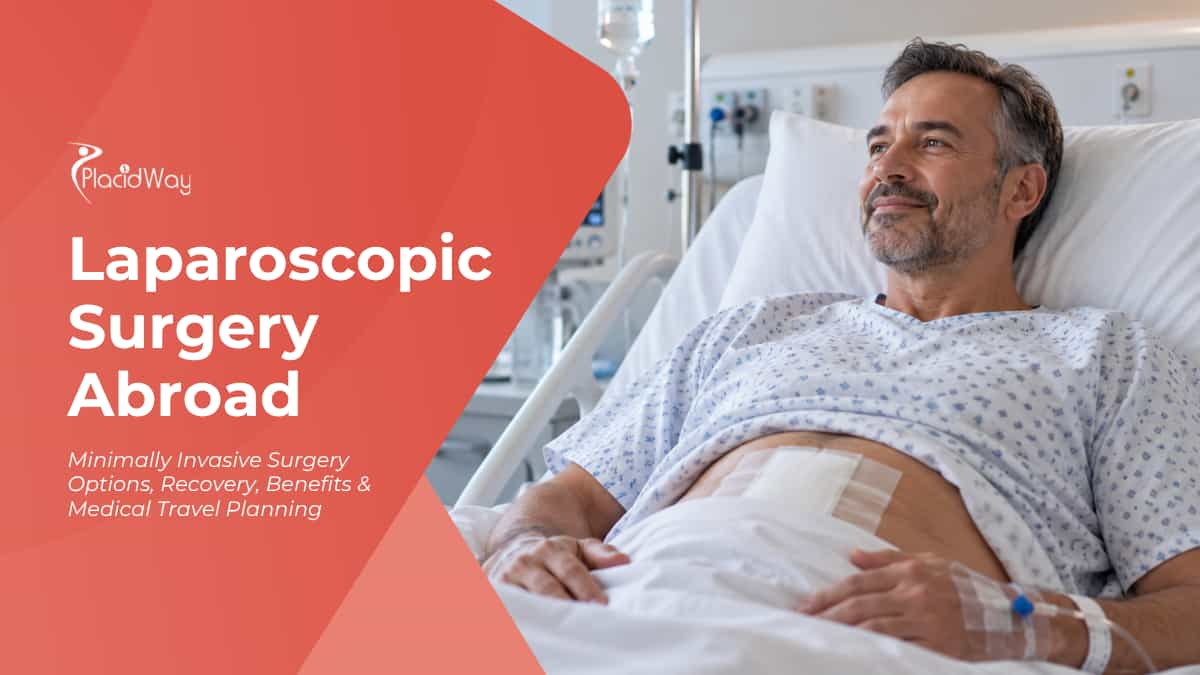
Navigating the Wait: A Consumer Guide to Laparoscopic Surgery Abroad
Understanding whether seeking Laparoscopic Surgery abroad is a safe and practical option to reduce wait times and speed up your functional recovery.
WHY: Patients enduring chronic abdominal pain, symptomatic gallstones, severe endometriosis, or debilitating hernias often face extended months on public surgical waiting lists or prohibitive private healthcare costs. The inability to work, care for family, or exercise drives them to seek faster access to minimally invasive interventions that offer a rapid return to daily life.
HOW: Traveling internationally for care broadens access to specialized endoscopic surgeons and modern surgical facilities. However, it does not automatically guarantee lower total costs or clinical suitability. Patients must rigorously evaluate the surgeon’s complication rates, the facility's intensive care capabilities in case of bowel or bile duct injury, and the logistical burden of flying after abdominal surgery.
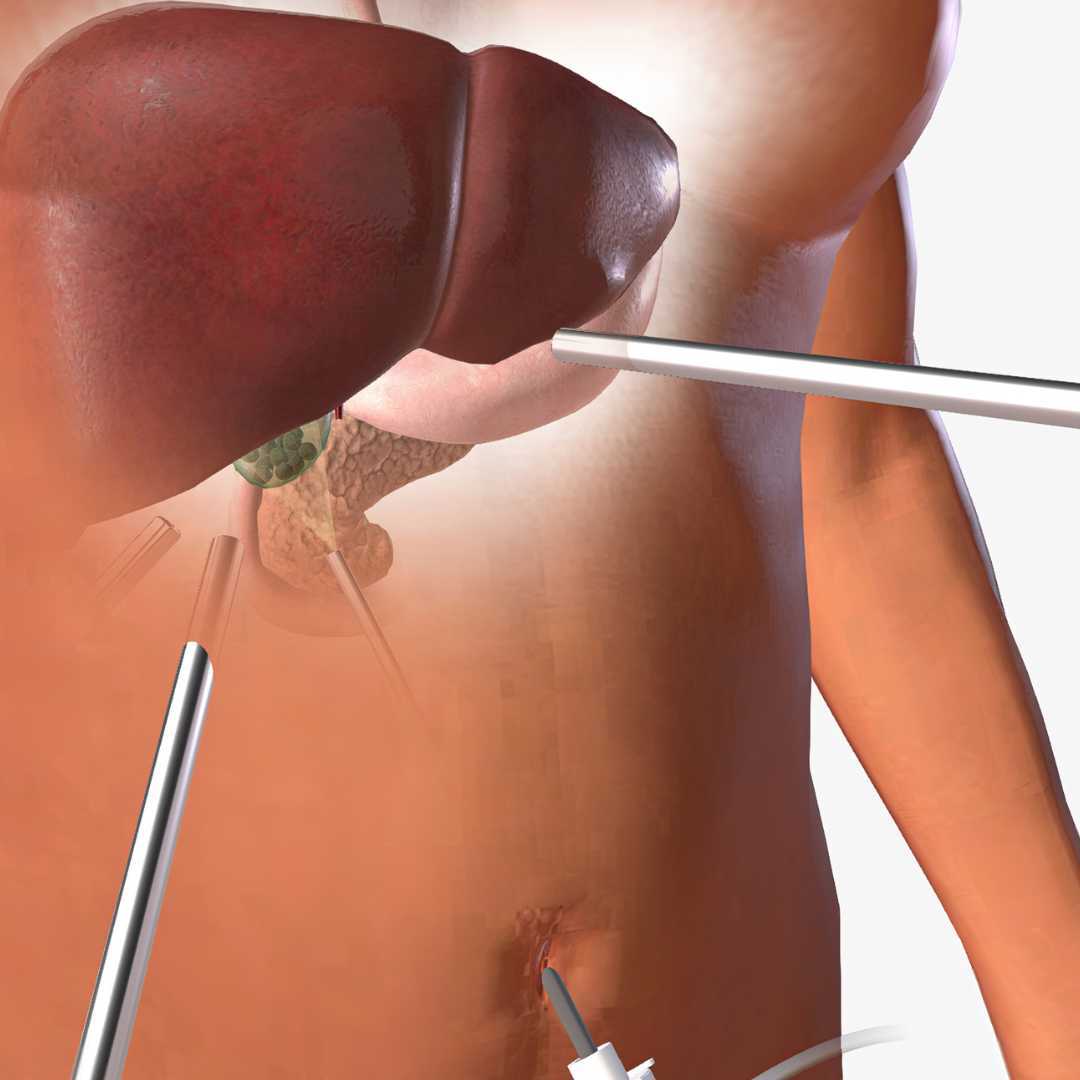
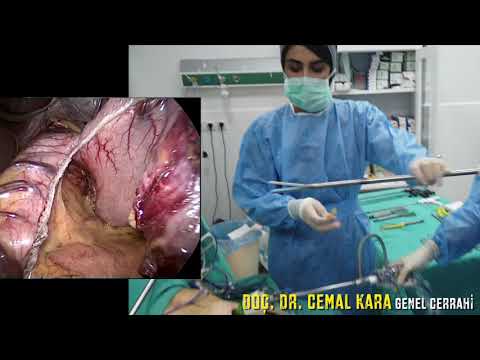
WHAT: Laparoscopic surgery is a minimally invasive technique where a surgeon uses carbon dioxide gas to inflate the abdomen, inserting a high-definition camera (laparoscope) and specialized instruments through tiny incisions (trocars) to diagnose or treat benign and acute abdominal and pelvic pathologies. According to the Society of American Gastrointestinal and Endoscopic Surgeons (SAGES), this approach reduces tissue trauma, hospital stays, and postoperative pain compared to traditional open surgery (laparotomy).
The Frustration of Living Life on Hold: Why Patients Seek Faster Surgical Intervention
Living with an unresolved abdominal or pelvic condition often means functioning at a fraction of your normal capacity. Whether you are managing the unpredictable, sharp pain of biliary colic after meals, the heavy bleeding and exhaustion of uterine fibroids, or the physical limitations of a symptomatic hernia, the daily burden is exhausting.
For many adults juggling careers and caregiving, the traditional 6-to-8-week recovery period associated with a large, open abdominal incision (laparotomy) is simply not feasible. Minimally invasive approaches promise a return to work and light activities within two to four weeks. However, the path to that faster recovery is frequently blocked by local healthcare realities. You may be facing a nine-month wait on a public health roster, or staring at a high-deductible private health plan that makes a local elective surgery financially out of reach.
At this intersection of functional limitation and healthcare access delays, many patients begin wondering if boarding a flight could safely accelerate their treatment timeline. It is a decision that requires balancing the urgent desire to resume a normal life with the careful realities of cross-border medical care.
Understanding Laparoscopic Approaches: Is Minimally Invasive Surgery the Right Clinical Path?
Before comparing international hospitals or reviewing flight routes, you must first understand the specific clinical procedure required for your diagnosis. "Laparoscopic surgery" is a broad umbrella term for a technique, not a single operation. The complexity of the procedure dictates the risks, the required surgeon expertise, and your recovery timeline.
- Diagnostic Laparoscopy: Often used when imaging (ultrasound, MRI) cannot pinpoint the cause of chronic pelvic pain. The surgeon visually inspects the organs and may take biopsies. This is usually a day-case procedure.
- Standard Excisional or Repair Surgery: Includes common procedures like laparoscopic cholecystectomy (gallbladder removal), appendectomy, and routine inguinal or umbilical hernia repairs using mesh. These generally require a 1-to-2-night hospital stay.
- Complex Pelvic or Advanced Endoscopic Surgery: Procedures such as deep infiltrating endometriosis excision, laparoscopic myomectomy (fibroid removal requiring morcellation protocols), or laparoscopic hysterectomy. These require highly specialized gynecological or colorectal surgeons and carry a higher risk of complications or longer hospital stays.
- Robotic-Assisted Laparoscopy: An advanced form of laparoscopy (often using the Da Vinci surgical system) where the surgeon controls highly articulated instruments from a console. It provides 3D visualization and enhanced dexterity, often utilized for complex prostate, gynecological, or colorectal surgeries.
Not every patient is a candidate for a minimally invasive approach. Severe abdominal adhesions from previous open surgeries, extreme obesity, or massive organ enlargement may require a traditional open laparotomy. You must have a local specialist confirm that your specific pathology is suitable for a laparoscopic approach before seeking quotes abroad.
Evaluating International Destinations for Laparoscopic Interventions
When patients research minimally invasive surgery abroad, certain countries emerge frequently based on their geographic proximity, established medical infrastructure, and density of fellowship-trained endoscopic surgeons. The table below outlines why specific locations are commonly considered, but it does not imply an endorsement of any country.
| Destination | Often practical for | Why patients compare it | What to verify |
|---|---|---|---|
| Mexico | US and Canadian patients seeking rapid access for benign conditions (e.g., gallbladder, hernia). | Close geographic proximity allows for shorter flights post-surgery, reducing deep vein thrombosis (DVT) risks. | Surgeon board certification (Consejo de Cirugía General); facility ICUs for managing unexpected bleeding. |
| Turkey | UK and European patients facing long NHS or public system waitlists. | High volume of JCI-accredited private hospitals featuring advanced 3D/4K laparoscopic towers. | Language barriers regarding detailed post-operative discharge instructions and medication management. |
| India | Patients requiring highly complex, multi-specialty laparoscopic care (e.g., severe endometriosis). | Presence of internationally fellowship-trained surgeons and highly competitive pricing for complex cases. | The physical toll of long-haul flights shortly after abdominal insufflation; NABH hospital accreditation. |
| Germany | Patients seeking cutting-edge robotic-assisted procedures or highly complex oncological laparoscopy. | Strict, heavily regulated medical standards and strong integration of surgical technology. | Costs are generally higher than other medical travel hubs; availability of English-speaking nursing staff. |
| Colombia | North American patients seeking affordable surgical interventions with shorter flight times. | Modern clinic infrastructure in major cities (Bogotá, Medellín) with a strong tradition of private surgical care. | Registration of the surgeon with local medical authorities; specific experience with the required procedure. |
Do not rely on a hospital's marketing materials alone. You should independently verify the surgeon's licensing through the national medical council of the destination country, and ensure the facility holds recognized accreditations, such as Joint Commission International (JCI) or equivalent national health ministry approvals.
Mapping the Financial Implications of Minimally Invasive Surgery Overseas
The appeal of lower headline prices can quickly disappear if a patient fails to account for the total medical and logistical budget. Laparoscopic surgery requires specialized disposable equipment (like harmonic scalpels, surgical clips, and specific trocars) that may be billed separately from the surgeon's fee.
| Destination Country | Indicative Treatment Cost Range (USD) | Do not assume it includes |
|---|---|---|
| Mexico | $4,500 – $7,500 | Pre-operative imaging, extended hotel stays, companion costs. |
| Turkey | $3,500 – $6,500 | Treatment for unexpected complications, surgical mesh or specialty implants. |
| India | $2,500 – $4,500 | Long-haul flight upgrades for post-surgical comfort, medical visa fees. |
| Germany | $8,000 – $14,000 | Translation services, post-operative rehabilitation centers. |
| Colombia | $3,500 – $6,000 | Anesthesia overages if surgery takes longer than estimated, pathology labs. |
Consumer rule: Do not compare a package headline with a medically detailed quote. Ask every provider for a written line-by-line estimate after reviewing your records.
Beyond the surgical quote, you must budget for the possibility of conversion to open surgery. If the surgeon encounters severe inflammation or unexpected bleeding, they may need to make a larger incision to complete the operation safely. This converts a 1-night hospital stay into a 3-to-5-night stay, changes your medication requirements, and pushes your safe-to-fly date back by several weeks, incurring significant extra accommodation and flight-change fees.
Assessing Surgical Teams and Hospital Capabilities for Endoscopic Procedures
A beautifully designed hospital lobby does not equate to surgical excellence. Laparoscopy relies on high-tech instrumentation and precise surgeon motor skills. When evaluating an international clinical team, you should focus on metrics that directly impact your safety and surgical outcome.
Ask the treating surgeon directly:
- How many times per year do you perform this specific laparoscopic procedure? (High volume is often linked to lower complication rates).
- What is your personal rate of conversion from laparoscopic to open surgery for this condition?
- If there is an inadvertent injury to the bowel, bladder, or bile duct during the laparoscopy, does this hospital have an on-site Intensive Care Unit (ICU) and the necessary specialists (e.g., biliary or colorectal surgeons) to repair it immediately?
- What type of energy devices or harmonic scalpels do you use to control bleeding, and are they single-use disposables?
- If repairing a hernia, what specific brand and material of surgical mesh is utilized, and is it approved by international regulatory bodies?
The Blueprint for Your Surgery: What Your Written Treatment Plan Must Detail
Never forward a deposit based on an email promising "gallbladder surgery" or "hernia repair." You require a formal, legally and medically binding written treatment plan outlining the exact parameters of your care. The plan must include:
- Your confirmed diagnosis based on the international clinical team's review of your local scans (Ultrasound/CT/MRI).
- The exact name of the planned laparoscopic procedure (e.g., Laparoscopic Cholecystectomy with Intraoperative Cholangiogram).
- The name and credentials of the primary surgeon (not just the clinic name).
- The anesthesia plan (general anesthesia with endotracheal intubation is standard for abdominal laparoscopy).
- Expected hospital nights (typically 1–2) and required nights in a local hotel before flying (typically 7–14, depending on the procedure).
- A clear protocol and cost outline if conversion to open laparotomy is required.
- DVT prophylaxis protocols (blood thinners/compression stockings) for your flight home.
The Laparoscopic Care Pathway: From Initial Consultation to Post-Surgical Clearance
Understanding the sequence of events can help alleviate anxiety and allow you to coordinate time off work and caregiving duties effectively.
- Remote Medical Review: You securely transmit your medical history, current symptom list, blood work, and relevant imaging (like abdominal ultrasounds or pelvic MRIs). The surgical team reviews to ensure you are a safe candidate for pneumoperitoneum (abdominal inflation).
- On-Site Pre-Operative Testing: Upon arrival, you will undergo fresh blood panels, an EKG, and an anesthesia consultation to confirm your fitness for general anesthesia.
- The Procedure: Performed under general anesthesia, the abdomen is inflated with CO2 gas, incisions are made for trocars, and the pathology is addressed. You will wake up in a recovery bay before transfer to your private room.
- In-Patient Monitoring (24-48 Hours): Nurses monitor your vital signs, manage pain, ensure you can pass urine, and encourage early walking to expel residual abdominal gas and prevent blood clots.
- Out-Patient Local Recovery (7-14 Days): You are discharged to a local hotel. You will attend follow-up appointments to check incision healing, remove stitches if necessary, and review any pathology reports.
- Fit-to-Fly Certification: The surgeon examines you a final time and provides documentation clearing you for air travel, along with detailed instructions for your physician back home.
Managing Gas Pain, Incisions, and Flights: Recovery and Travel Safety
While laparoscopy avoids large surgical wounds, it introduces unique recovery challenges. During surgery, your abdomen is inflated with carbon dioxide gas to give the surgeon room to work. Some gas remains trapped against your diaphragm after surgery, which often causes referred pain in the shoulders. This pain can be surprisingly intense but usually resolves within a few days through walking and movement.
Flying too soon after laparoscopic surgery is highly dangerous. Commercial aircraft cabins are pressurized to altitudes of 6,000 to 8,000 feet. At this altitude, trapped gas inside the body expands. If you fly while residual surgical gas is still present, or if your bowels have not fully regained normal function (post-operative ileus), the expansion can cause excruciating pain, tear internal sutures, or lead to a surgical emergency mid-air.
Furthermore, any abdominal surgery under general anesthesia increases the risk of deep vein thrombosis (DVT)—blood clots in the legs—which is further compounded by immobility on an airplane. Your surgeon must dictate your flight timeline based on your clinical healing, not your return ticket. Never book inflexible, non-refundable return flights.
Contingency Planning: When Laparoscopy Requires Conversion to Open Surgery
The most critical safety question in medical travel for laparoscopy is: What is the plan if things don't go as expected?
Conversion from a laparoscopic approach to an open laparotomy is not considered a medical error; it is a clinical judgment made to keep you safe when visibility is poor, bleeding is hard to control, or anatomy is heavily scarred. However, this clinical pivot drastically changes your travel logistics.
- Who pays for the extra 3-4 nights in the hospital required for an open surgery?
- Who manages the cost of extending your hotel stay by several weeks, as you cannot fly safely with a fresh laparotomy incision?
- If you experience a post-operative complication (like an umbilical port-site infection) two weeks after returning to your home country, will your local public health system cover the care, or will you face out-of-pocket emergency costs?
Your Pre-Surgical Preparation and Travel Checklist
Thorough preparation reduces stress and protects your health. Use this checklist tailored to abdominal and pelvic surgical travel:
- Copies of all recent diagnostic imaging (Ultrasound, CT, MRI) digitally transferred and verified as received.
- Operative reports from any previous abdominal surgeries (crucial for assessing adhesion risks).
- A complete, verified list of all current medications, especially blood thinners or hormone therapies.
- Written, signed treatment plan with cost inclusions and conversion-to-open-surgery protocols.
- Independent verification of the surgeon’s national medical license and specialty board status.
- Confirmation of the hospital’s national or international accreditation status.
- Review of medical travel insurance policies (noting specific exclusions for planned elective surgeries).
- Flexible, changeable return flight tickets.
- Loose-fitting clothing for travel (waistbands will irritate trocar incisions).
- Arrangements for a traveling companion (lifting heavy luggage post-surgery can cause hernias).
- A pre-arranged local general practitioner appointment in your home country 7 days after you return.
- Emergency contact details for the international clinic's 24-hour on-call doctor.
Comparing Laparoscopic Surgical Centers: An Independent Evaluation Framework
When evaluating different providers, look past marketing claims of "painless surgery" and evaluate specific clinical capabilities. Use this framework to compare facilities logically.
| Factor Specific to Laparoscopic Surgery | Center A | Center B | Center C |
|---|---|---|---|
| Surgeon's annual case volume for this specific procedure | |||
| Documented conversion-to-open-surgery rate | |||
| Availability of 24/7 on-site Intensive Care Unit (ICU) | |||
| Brand/type of surgical mesh or energy devices used | |||
| Pre-operative anesthesia clearance protocols | |||
| Written DVT prophylaxis and fit-to-fly policy | |||
| Pathology biopsy processing times (if applicable) | |||
| Financial policy for extended stay due to complications |
Evolving Technologies in Minimally Invasive Surgery
The landscape of endoscopic surgery is advancing rapidly. You may encounter marketing for 4K or 3D laparoscopic imaging towers, which provide surgeons with enhanced depth perception—particularly useful in complex pelvic dissections. Similarly, Robotic-Assisted Surgery (e.g., Da Vinci) is increasingly available internationally. While robotics offer better ergonomics for the surgeon and precise instrument articulation, studies often show comparable patient recovery times to standard laparoscopy for routine procedures like gallbladder removal. You should balance the extra cost of robotic surgery against the clinical necessity for your specific condition.
Critical Questions to Answer Before Booking Your Surgical Journey
Take a moment to reflect on your readiness by answering these questions honestly:
- Do I have a confirmed local diagnosis indicating that a minimally invasive approach is appropriate for my anatomy?
- Have I independently verified the licensing and specific endoscopic experience of the named surgeon who will hold the scalpel?
- Am I fully prepared for the possibility, both medically and financially, that I may wake up with an open laparotomy incision?
- Is my return flight entirely flexible to accommodate the surgeon's clinical clearance?
- Do I have a trusted general practitioner or specialist at home willing to manage my wound care and long-term follow-up?
Making an Informed Choice About Your Surgical Timeline
Choosing to travel abroad for laparoscopic surgery is a practical solution for many patients facing intolerable wait times or steep financial barriers. However, "abroad" is not a single entity, and faster access should never come at the expense of safety. The right decision sequence is always: confirm your diagnosis locally first, match the treatment to your clinical needs second, verify the international provider’s credentials third, and plan the logistics and budget last.
By demanding transparency regarding complication protocols, conversion rates, and total costs, you can take control of your healthcare journey. Are you prepared to manage the logistical complexities of medical travel to reclaim your health and daily function?
This guide is general educational information for people researching medical travel. It does not diagnose a condition, determine whether someone is suitable for treatment, recommend a particular provider or country, or replace advice from licensed healthcare professionals. Prices, travel rules, accreditation status, and provider information can change. Confirm current information directly with the relevant authority and treating clinical team before making decisions.
References and Verification Resources
- Patient Information on Laparoscopic Surgery. Society of American Gastrointestinal and Endoscopic Surgeons (SAGES). https://www.sages.org — Verifies clinical indications for laparoscopic approaches, recovery timelines, and risks associated with pneumoperitoneum and conversion to open surgery.
- Guidelines for Minimally Invasive Gynecologic Surgery. American College of Obstetricians and Gynecologists (ACOG). https://www.acog.org — Verifies the clinical parameters for laparoscopic hysterectomies and myomectomies, including morcellation risks.
- Clinical Practice Guidelines. European Association for Endoscopic Surgery (EAES). https://eaes.eu — Verifies international best practices for common endoscopic procedures, including cholecystectomy and hernia repairs.
- Venous Thromboembolism Prophylaxis in Surgery. Centers for Disease Control and Prevention (CDC). https://www.cdc.gov — Verifies the increased risks of deep vein thrombosis (DVT) following abdominal surgery and protocols for safe travel.






















Share this listing