

If you are managing the discomfort of a hernia and facing high out-of-pocket medical costs at home, you may be evaluating surgical options across the Texas border. Crossing into Piedras Negras offers a direct route to qualified general surgeons, but making a safe healthcare decision requires knowing exactly what to look for. This patient resource helps you navigate treatment expenses, verify essential medical licenses like COFEPRIS and CMCG board certifications, and understand realistic surgical outcomes so you can confidently plan your care.
Quick Summary: What to Know Before You Travel
- Estimated Cost: Typically ranges from $2,500 to $4,500 USD, depending on the hernia type, surgical method (open or laparoscopic), and mesh requirements.
- Safety Overview: Reputable clinics operate safely under Mexican federal health regulations. You must look for facilities licensed by COFEPRIS and surgeons certified by the CMCG.
- Ideal Candidate: Adult patients with symptomatic inguinal, umbilical, or incisional hernias who do not have severe, unmanaged underlying health conditions.
- Recovery Time: Most patients stay in Piedras Negras for 2 to 4 days post-surgery, with a return to light daily activities expected within 2 to 3 weeks.
- Main Reason to Travel: Significant cost savings compared to US healthcare prices, combined with the convenience of driving across the border from Eagle Pass, Texas.
- Important Caution: Always request an itemized quote to understand exactly what is included. Verify whether medical complication insurance is available through your provider.
Why Patients Choose Piedras Negras for General Surgery
Traveling across the border for medical care is a serious decision driven by a mix of financial necessity and geographic convenience. Piedras Negras, located directly across the Rio Grande from Eagle Pass, Texas, has developed a healthcare infrastructure specifically tailored to serve both local and international patients. Instead of navigating expensive domestic healthcare systems, uninsured or underinsured patients often look south for accessible surgical relief.
Understanding the primary motivations of medical travelers can help you evaluate if this destination aligns with your own healthcare needs. Patients typically choose this border city for several distinct reasons:
- Proximity to the US border allows Texas residents to drive to their clinic, avoiding expensive flights.
- Out-of-pocket costs are often 50% to 70% lower than standard US hospital billing rates.
- Wait times for elective general surgeries are significantly shorter, allowing for prompt pain relief.
- Bilingual medical coordinators facilitate smooth communication between patients and clinical staff.
- Family members can easily accompany the patient and stay in nearby affordable accommodations.
Cross-Border Travel Trends for General Surgery (2024-2026)
Data reflects verified 2024 outbound healthcare travel reports projecting sustained cross-border surgical growth.
Understanding Types of Hernias Treated in Mexico
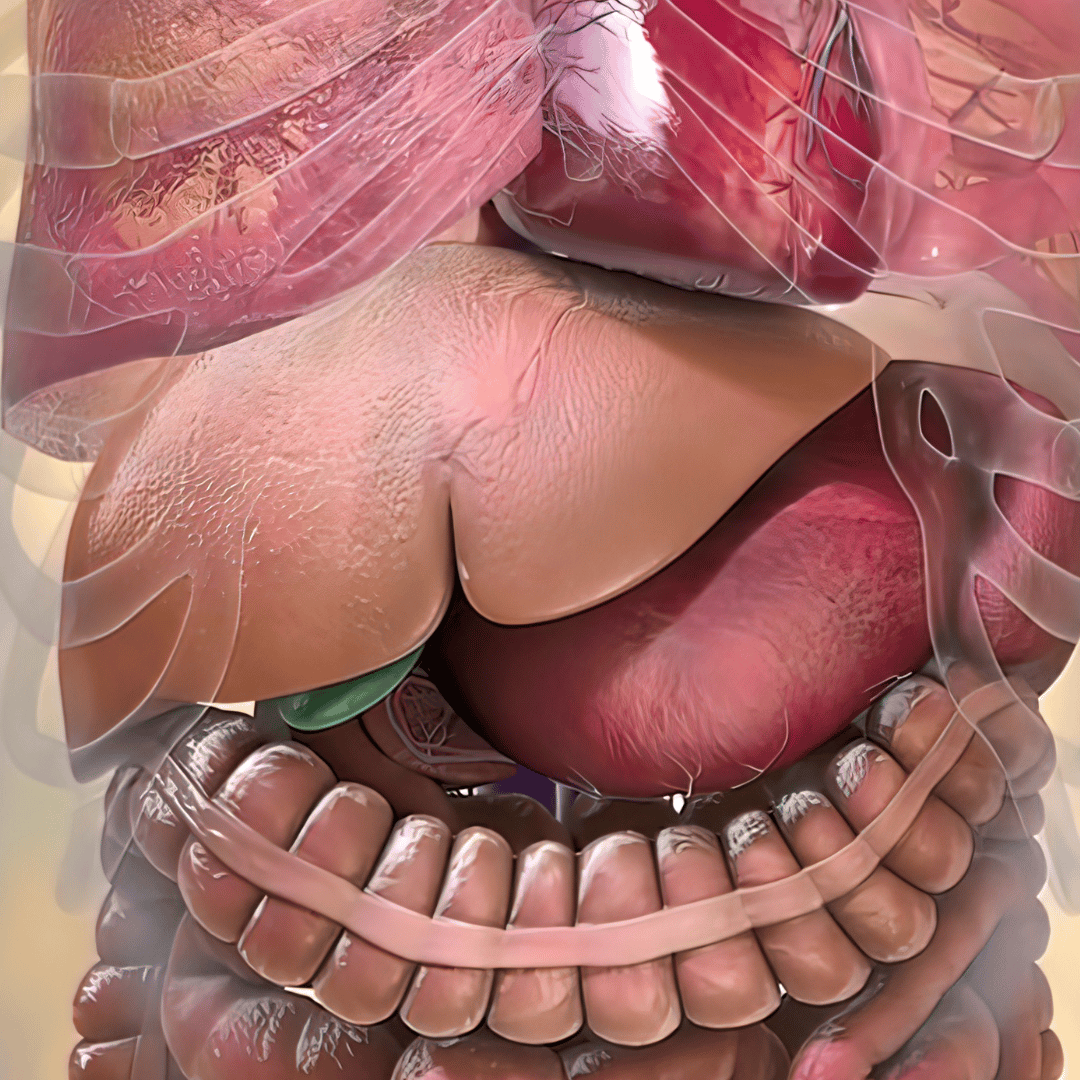
A hernia occurs when an internal organ or fatty tissue squeezes through a weak spot in a surrounding muscle or connective tissue fascia. General surgeons in Piedras Negras routinely evaluate and repair various types of hernias. Your specific diagnosis will dictate the surgical approach, the required anesthesia, and the expected recovery timeline.
The most commonly treated hernia is the inguinal hernia, which occurs in the inner groin. This type is highly prevalent in men due to the natural anatomy of the inguinal canal. Another frequent diagnosis is the umbilical hernia, which presents near the belly button and often affects women post-pregnancy or individuals who have experienced significant weight fluctuations.
Clinical Tip
Always bring your most recent ultrasound or CT scan reports when attending a consultation in Mexico. While your border surgeon will perform a physical exam, existing diagnostic imaging helps confirm the exact size and location of the defect, ensuring an accurate treatment plan.
Patients also frequently travel for incisional hernias, which develop at the site of a previous surgical scar where the abdominal wall has weakened. Hiatal hernias, involving the upper stomach pushing through the diaphragm, require a specialized approach and are typically managed by surgeons with extensive gastrointestinal experience. Discuss your exact symptoms with your chosen specialist to determine the appropriate intervention.
Evaluating Treatment Expenses in Piedras Negras
The total cost of your treatment involves more than just the surgeon's fee. Knowing how clinics structure their pricing ensures you are not caught off guard by unexpected bills. Most reputable medical centers in Piedras Negras offer comprehensive packages to international patients, but you must ask for an itemized breakdown before making a deposit.
Several factors influence your final quote. Laparoscopic surgery, which uses small incisions and a camera, generally costs more than open surgery due to the specialized equipment required. The type and size of the surgical mesh also impact the price. Additionally, patients with underlying health issues may require more extensive pre-operative cardiology clearances or extended observation time.
| Expense Category | Typical Inclusions | Estimated Range (USD) |
|---|---|---|
| Medical Fees | Surgeon, Anesthesiologist, Nursing staff | $1,200 - $2,000 |
| Facility Costs | Operating room time, standard medical supplies | $800 - $1,500 |
| Materials | Standard synthetic mesh, sutures | $300 - $600 |
| Pre-Op Tests | Basic blood panel, EKG | $100 - $250 |
Hidden costs can emerge if you are not careful. Ask your clinic coordinator if medications for post-operative pain management are included in the package. You should also budget separately for travel to Eagle Pass, Texas, hotel accommodations during your recovery, and specialized medical complication insurance if you choose to purchase a policy.
International Cost Comparison for Hernia Surgery
Comparing medical costs across borders helps patients understand the financial viability of medical travel. In the United States and Canada, healthcare systems differ vastly in how patients are billed. Uninsured American patients often bear the full brunt of hospital facility fees, which can quickly escalate the total bill into the tens of thousands.
Canadian patients, while covered by provincial health insurance for necessary surgeries, often face prolonged wait lists for elective hernia repairs. This delay can lead to worsening symptoms and a decrease in quality of life. For both demographics, the Mexican border presents an alternative that balances out-of-pocket spending with timely access to care.
United States
Average out-of-pocket costs for uninsured patients frequently range from $6,000 to over $12,000. Facility fees and anesthesia are often billed separately from the surgeon's fee.
Canada
Treatment is publicly funded, but non-emergency hernia surgeries can carry wait times of 6 to 12 months depending on the province and surgeon availability.
Piedras Negras, Mexico
Private cash-pay packages typically range from $2,500 to $4,500. Clinics usually bundle the facility, surgeon, and anesthesia fees into one transparent quote.
While the savings are evident, cost should never be the sole deciding factor. A lower price tag is only valuable if the medical facility maintains strict safety standards and employs highly trained clinical staff. Always balance your financial research with rigorous provider vetting.
Choosing a Safe Hospital Facility in Mexico
Your safety during surgery depends heavily on the facility where the operation takes place. Piedras Negras is home to several private clinics and small hospitals, but not all are equipped for international medical tourism. You must verify that your chosen facility adheres to national regulatory standards designed to protect patient health.
In Mexico, medical facilities are regulated by federal authorities. The most critical license to verify is from COFEPRIS (Comisión Federal para la Protección contra Riesgos Sanitarios). This government body ensures the hospital meets mandatory sanitary, equipment, and staffing requirements. A clinic operating without current COFEPRIS authorization poses a severe safety risk.
Patient Takeaway
Do not rely solely on glossy marketing photos to evaluate a clinic. Ask the clinic coordinator directly for their facility's COFEPRIS license number. Reputable medical centers will provide this information transparently and without hesitation.
Additionally, look for facilities recognized by the Consejo de Salubridad General (CSG). This is the Mexican equivalent of national hospital accreditation and indicates a higher level of commitment to quality patient care. Determine if the clinic has an on-site intensive care unit (ICU) or a formalized transfer agreement with a larger hospital in case of emergency complications.
Verifying Surgeon Credentials and Medical Licenses
The skill and experience of your surgeon are the most critical factors influencing your surgical outcome. You must independently verify the qualifications of any doctor recommended to you. Mexican medical education is rigorous, but you want a specialist who has completed advanced training specifically in general surgery.
First, check the surgeon's Cédula Profesional. This is a unique registration number issued by the Mexican government (Secretaría de Educación Pública) that proves the doctor has completed their medical degree. You can verify this number through the official government registry online. Furthermore, ensure they hold a separate specialist Cédula for general surgery.
Next, confirm board certification. The doctor should be an active member of the Consejo Mexicano de Cirugía General (CMCG). This national board certification demonstrates that the surgeon has passed comprehensive examinations and maintains continuing medical education requirements. Do not proceed with a surgeon who cannot prove current board certification in general surgery.
Patient Demographics: Who Travels for General Surgery?
Medical tourism demographics have shifted, particularly along the US-Mexico border. Current data indicates that patients seeking general surgery abroad are not just looking for cosmetic enhancements; they are managing necessary, pain-relieving treatments that they cannot afford domestically.
Recent patterns from 2024 to 2026 highlight that the majority of patients traveling for hernia repairs are working-age adults. Many are self-employed individuals, gig-economy workers, or employees of small businesses that do not provide robust health insurance benefits. The gender distribution slightly leans male, aligning with the higher biological prevalence of inguinal hernias in men.
Age Distribution of Cross-Border Hernia Patients (2024-2025)
Data represents documented demographic trends of cross-border general surgery patients updated through 2025.
Patients over the age of 65 often face stricter medical clearances before traveling. Because cardiovascular and respiratory risks increase with age, reputable Mexican surgeons require extensive pre-operative testing to ensure elderly patients can safely undergo anesthesia in a foreign clinical setting.
Determining Your Candidate Eligibility
Not every patient with a hernia should travel abroad for surgery. Safety protocols dictate that medical tourists must be in relatively good overall health to minimize the risk of complications far from home. Your surgeon in Piedras Negras will review your medical history to assess your surgical risk.
Ideal candidates have a confirmed diagnosis, experience symptomatic pain or bulging, and possess a clear understanding of the recovery requirements. Conversely, patients are generally advised against medical travel if they have uncontrolled diabetes, severe heart disease, or a history of blood clotting disorders. These conditions require highly integrated care that is best managed by local healthcare teams.
Medical Warning
If your hernia is causing excruciating pain, vomiting, or if the bulge has turned dark or red, do not attempt to travel. These are symptoms of a strangulated hernia, which is a life-threatening medical emergency requiring immediate attention at the nearest emergency room.
Honesty is crucial during your virtual consultation. You must disclose all medications, supplements, and prior surgeries to the clinical coordinator. Withholding medical information to gain approval for travel severely endangers your life and increases the likelihood of surgical cancellation upon arrival.
Preparing for Your Medical Trip to the Border
Logistical preparation is essential for a smooth medical journey to Piedras Negras. Because the city borders Eagle Pass, Texas, many US patients prefer to drive. If you are flying, the closest major airport is in San Antonio, Texas, which is roughly a two-and-a-half-hour drive from the border.
You must have a valid passport to re-enter the United States after your procedure. Ensure your travel documents are up to date weeks before your scheduled surgery. Additionally, coordinate with your bank to alert them of international charges so your payments to the clinic are not blocked by fraud prevention systems.
- Arrange for a travel companion. You will not be medically cleared to drive yourself home after surgery.
- Pack loose, comfortable clothing and slip-on shoes to avoid bending over during recovery.
- Prepare your home before you leave. Place essential items at waist height so you do not have to reach or stoop when you return.
- Download offline maps and translation apps to assist with local navigation, though most border clinics speak excellent English.
Surgical Techniques: Laparoscopic vs. Open Repair
When you consult with a surgeon in Mexico, they will recommend either an open or laparoscopic approach. Both methods aim to push the protruding tissue back into place and reinforce the abdominal wall, but they utilize different techniques with distinct recovery profiles.
Open surgery involves a single, larger incision over the hernia site. The surgeon physically accesses the defect, places the mesh, and sutures the area closed. This method is often performed under local anesthesia with sedation or spinal anesthesia. It is the traditional approach and is particularly useful for very large or complex hernias.
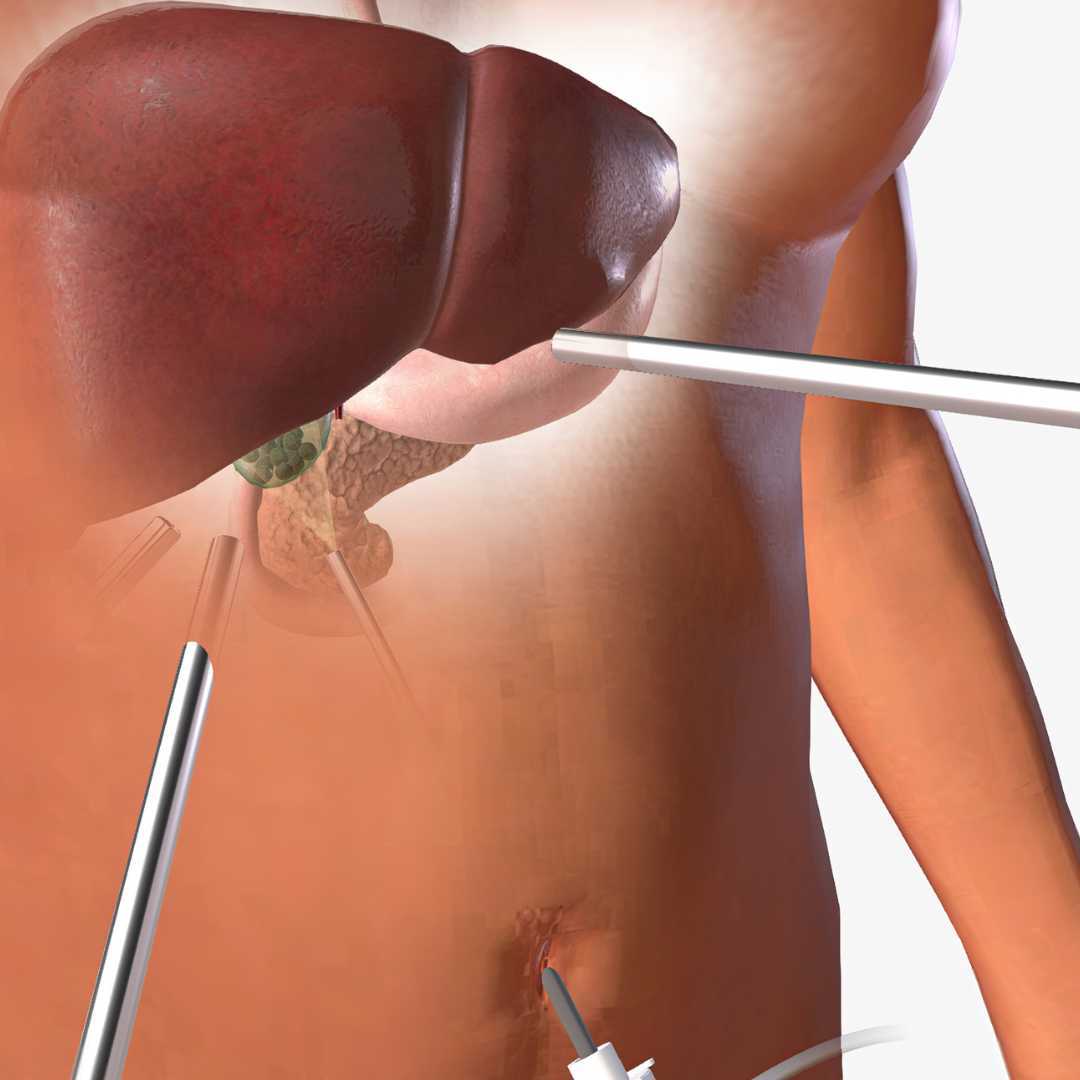
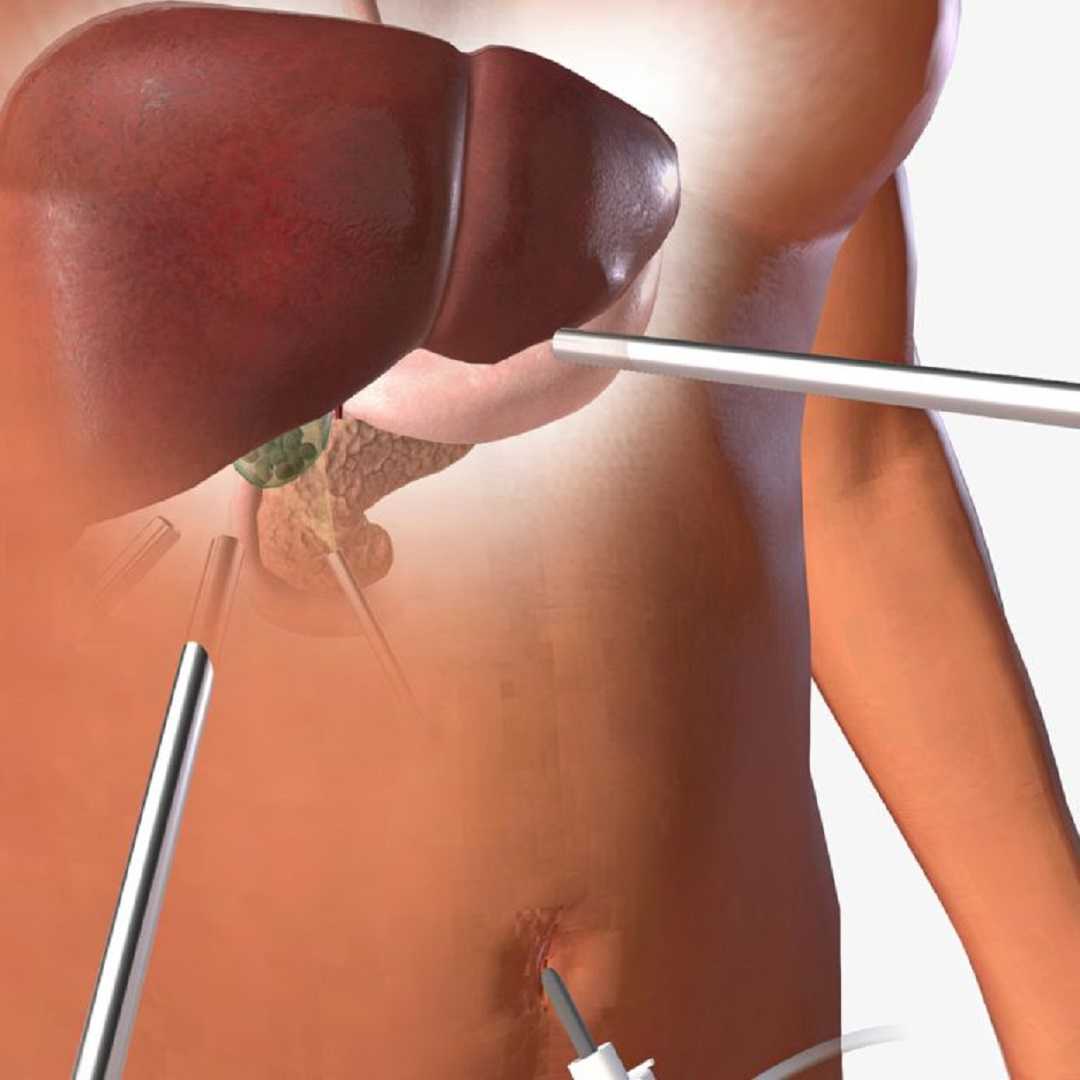
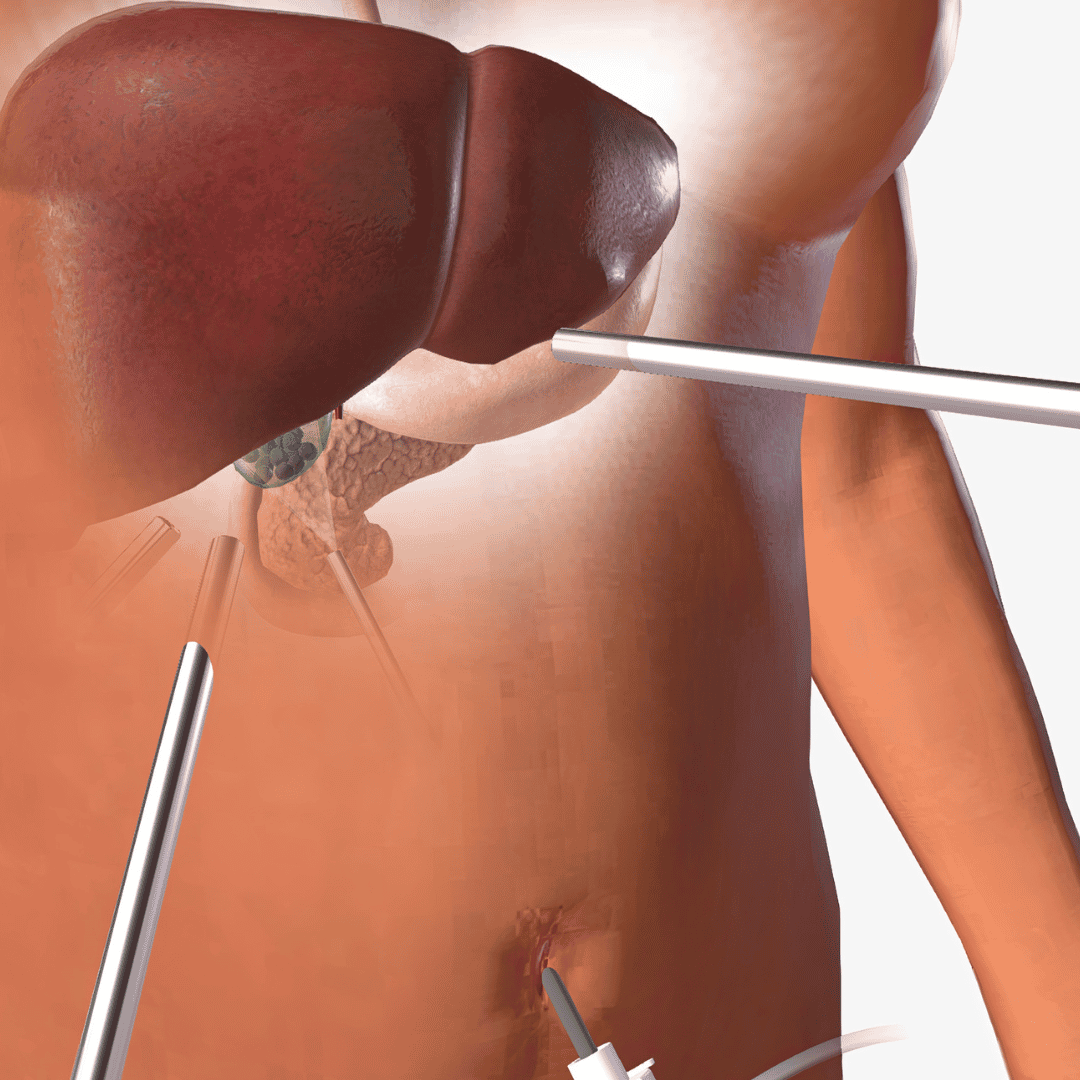
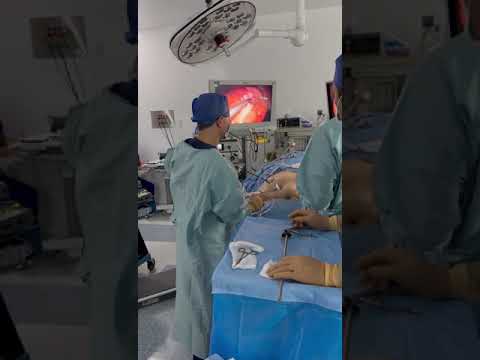
Laparoscopic surgery uses several tiny incisions. The surgeon inserts a thin, lighted tube with a camera (laparoscope) and specialized instruments to repair the hernia from the inside. This method almost always requires general anesthesia. Laparoscopic repair typically results in less post-operative pain and a faster return to normal activities, though it is not suitable for every patient.
Understanding Surgical Mesh Protocols in Mexico
The use of surgical mesh is the standard of care for most adult hernia repairs worldwide, including in Mexico. The mesh acts as a scaffolding, reinforcing the weakened tissue and significantly reducing the rate of hernia recurrence compared to simple suture repairs.
Many international patients express concerns about mesh safety due to high-profile lawsuits in the United States. It is important to know that most modern, FDA-approved synthetic meshes are safe and effective when utilized correctly for abdominal wall hernias. You have the right to ask your surgeon in Piedras Negras about the specific brand and material of the mesh they intend to use.
Questions to Ask Your Surgeon
- What brand of surgical mesh do you use, and is it internationally approved?
- Do you recommend a synthetic, biologic, or absorbable mesh for my specific case?
- What is your personal recurrence rate for patients utilizing this specific mesh?
In rare cases, usually for very small hernias or specific patient contraindications, a non-mesh (tissue-to-tissue) repair may be considered. Discuss your fears openly with your specialist. A qualified CMCG-certified surgeon will take the time to explain the clinical reasoning behind their material selection.
What to Expect on the Day of Surgery
Knowing the sequence of events on surgery day helps alleviate pre-operative anxiety. Upon arriving at the clinic in Piedras Negras, you will complete the final admission paperwork and settle your remaining balance. You will then be guided to a pre-operative room to change into a surgical gown.
The nursing staff will check your vital signs and establish an intravenous (IV) line. You will have a final consultation with the anesthesiologist to review your medical history and discuss the anesthesia plan. The lead surgeon will also visit you to mark the surgical site and answer any last-minute questions.
Once in the operating room, the procedure typically takes between one and two hours, depending on the complexity. After the surgery is complete, you will be moved to a recovery room where nurses will monitor you closely as you wake up from the anesthesia. Pain management protocols will begin immediately to ensure you remain comfortable.
Recovery Timeline and Expectations
Healing from hernia repair is a gradual process. While traveling abroad means you will spend the initial days in a hotel or recovery house, you need to understand the physiological timeline to plan your return to work and normal life.
Following post-operative instructions strictly is vital to prevent tearing the internal sutures or dislodging the mesh. You must avoid heavy lifting, strenuous exercise, and straining during bowel movements during the early phases of healing.
| Timeframe | Biological Process | Patient Sensation | Action Required |
|---|---|---|---|
| Days 1 - 3 | Acute inflammation, initial wound sealing | Soreness, fatigue, bruising at site | Rest in hotel, take prescribed meds, short walks |
| Days 4 - 7 | Reduction in swelling, tissue begins integration | Decreasing sharp pain, itchiness near incision | Travel home safely, avoid lifting over 10 lbs |
| Weeks 2 - 4 | Mesh integration with abdominal fascia | Mild stiffness, feeling generally normal | Return to desk work, light daily activities |
| Weeks 6+ | Strong scar tissue formation complete | No pain during normal movement | Gradually resume heavy lifting and exercise |
Keep in mind that individual healing times vary. If you underwent open surgery, your physical limitations may extend slightly longer than those of a patient who had a laparoscopic procedure. Always defer to the specific timeline provided by your surgical team.
Navigating Surgical Risks and Complications
All surgical procedures carry inherent risks, and undergoing treatment abroad means you must be prepared to handle complications if they arise. Honest discussion regarding these risks is a hallmark of a trustworthy medical provider.
Common, manageable side effects include temporary urinary retention, minor bleeding, and seromas (fluid buildup) at the surgical site. More serious complications, though less frequent, include surgical site infections, chronic groin pain, mesh rejection, or injury to surrounding organs and nerves during the operation.
To mitigate these risks, ensure your chosen clinic has robust sterilization protocols and a clear complication management plan. Ask your coordinator how the clinic handles revisions or emergencies. Many international patients opt to purchase medical tourism complications insurance before their trip, providing financial protection if follow-up care is required after returning to their home country.
Aftercare and Transitioning Back Home
Your relationship with your Mexican medical team does not end when you cross the border back into Texas. A structured aftercare plan is crucial for a successful long-term outcome. Before leaving the clinic, secure digital copies of your complete medical file, including the operative report and mesh details.
Discuss the follow-up schedule with your surgeon. Many clinics conduct post-operative check-ins via video calls or messaging platforms. If your surgeon used non-dissolvable sutures, you might need to coordinate with a local general practitioner in your home city to have them removed a week or two after surgery.
Monitor your body closely for emergency warning signs once you return home. If you experience a persistent fever over 101°F, worsening severe pain, excessive bleeding, or localized redness and heat spreading from the incision, you must seek immediate medical evaluation at a local emergency room, regardless of where your surgery was performed.
Frequently Asked Questions
Do I need a passport to travel to Piedras Negras for surgery?
Yes, while you may be able to enter Mexico easily, you must have a valid passport or an approved WHTI-compliant document (like a US Passport Card) to re-enter the United States through the border checkpoint.
How long do I need to stay in Mexico after hernia repair?
Most surgeons require you to stay in Piedras Negras for 2 to 4 days after the surgery. This allows them to monitor your immediate recovery and ensure there are no acute complications before you travel.
Are the surgeons in Piedras Negras board-certified?
Many top surgeons in the area hold board certification. You should specifically verify that your chosen doctor is actively certified by the Consejo Mexicano de Cirugía General (CMCG).
Can I drive myself back across the border after the procedure?
No. The lingering effects of anesthesia and prescription pain medication impair your reflexes and judgment. Furthermore, the physical strain of driving can disrupt the surgical site. You must have a companion drive you.
What happens if I experience a complication after returning home?
If you experience a medical emergency, go to your local ER immediately. For non-emergencies, contact your surgeon in Mexico via your aftercare plan. Purchasing medical complication insurance prior to travel is highly recommended to cover unexpected domestic care costs.
Does medical insurance from the US cover surgery in Mexico?
Most standard domestic US health insurance plans, including Medicare and Medicaid, do not cover elective procedures abroad. You will likely need to pay out-of-pocket, which is why cash-pay packages are popular.
Will the medical staff in Piedras Negras speak English?
Due to the proximity to the Texas border, most reputable clinics treating international patients employ bilingual surgeons and have English-speaking medical coordinators on staff to facilitate clear communication.
Is laparoscopic hernia surgery always better than open surgery?
Not necessarily. While laparoscopic surgery offers smaller scars and often a faster initial recovery, open surgery may be safer or more effective for complex, very large, or recurrent hernias. Your surgeon will recommend the best approach for your anatomy.
How do I know if the clinic is legally operating and safe?
Ensure the clinic holds a current operational license from COFEPRIS, the Mexican federal health regulatory agency. You can also look for accreditation by the Consejo de Salubridad General (CSG).
How long will I be out of work after my operation?
Patients with desk jobs can typically return to work in 1 to 2 weeks. If your job involves heavy lifting or intense physical labor, you may need 4 to 6 weeks of modified duties to heal properly.
Ready to Explore Your Treatment Options?
PlacidWay can help you compare vetted providers, understand transparent pricing, and connect directly with certified general surgeons in Piedras Negras.
Request Free Information TodayDisclaimer: This information is for educational purposes only and does not replace professional medical advice. Always consult a qualified healthcare provider before making medical decisions.
References
- Hernia Repair Patient Education – American College of Surgeons
- Hernia Surgical Mesh Implants Safety Information – U.S. Food and Drug Administration
- Board Certification Directory – Consejo Mexicano de Cirugía General (CMCG)
- Sanitary Regulation and Clinic Standards – COFEPRIS Mexico
- National Hospital Accreditation Standards – Consejo de Salubridad General (CSG)
- Medical Tourism Patient Safety Guidelines – Centers for Disease Control and Prevention (CDC)
- Cross-Border Healthcare Demographics & Statistics (2024 Updates) – Patients Beyond Borders






















Share this listing