

Living with chronic abdominal pain or waiting months for a hernia or gallbladder procedure can severely disrupt your daily life, but laparoscopic surgery in Puerto Vallarta, Mexico, offers a safe, timely, and affordable solution. By traveling just a short flight away, you can access highly experienced, board-certified surgeons and modern facilities without facing the high out-of-pocket costs typical in the US or Canada. When choosing your medical provider, it is crucial to look for hospitals with Consejo de Salubridad General (CSG) accreditation and surgeons registered with the national medical council (CONACEM) to ensure your care meets strict safety standards. This guide walks you through every step of planning your minimally invasive procedure abroad so you can heal confidently and comfortably.
Quick Answer Summary Box
- Estimated Cost: Typically ranges from $3,500 to $6,500 USD depending on the specific procedure (e.g., gallbladder, hernia) and facility.
- Safety Overview: Highly safe when performed by experienced surgeons in accredited hospitals following rigorous infection control protocols.
- Ideal Candidate: Individuals needing minimally invasive abdominal surgery who are healthy enough for air travel and general anesthesia.
- Recovery Time: Most patients return to light activities within 1 to 2 weeks, with a recommended stay in Mexico of 7 to 10 days post-surgery.
- Why Choose Puerto Vallarta: Combines significant cost savings, immediate access to top-tier private healthcare, and a relaxing environment for recovery.
- Key Certifications: Always verify the hospital holds CSG (Consejo de Salubridad General) accreditation and the surgeon is certified by CONACEM.
- Important Caution: Never plan to fly immediately after abdominal surgery; allow sufficient ground recovery time to prevent blood clots.
Introduction to Laparoscopic Care Abroad
Making the decision to undergo surgery requires careful thought, especially when considering treatment in another country. Patients often seek laparoscopic surgery in Puerto Vallarta, Mexico, to bypass long public healthcare wait times or avoid staggering private healthcare bills. This minimally invasive approach utilizes small incisions, a camera, and specialized tools to treat abdominal issues.
You deserve high-quality care that prioritizes your comfort and safety. By traveling to this established medical hub, you gain access to internationally trained specialists who utilize modern surgical technology. Understanding the local healthcare ecosystem empowers you to make informed, confident choices about your body and your finances.
Primary Reasons Patients Travel to Puerto Vallarta
- Substantial Cost Savings: Procedures often cost 50% to 70% less than equivalent private treatments in the United States or Canada.
- Immediate Availability: Private clinics in Mexico typically have minimal to no waitlists, allowing you to schedule surgery promptly.
- World-Class Facilities: Many private hospitals invest heavily in the latest laparoscopic towers and high-definition imaging equipment.
- Experienced Surgeons: Top specialists often complete fellowships internationally and perform a high volume of complex minimally invasive cases.
- Bilingual Healthcare Teams: Major medical facilities cater to medical tourists with English-speaking staff and dedicated patient coordinators.
- Ideal Recovery Environment: The calm, coastal atmosphere provides a stress-free setting for immediate post-operative rest.
Patient Demographics and Treatment Trends
Understanding who travels for medical care can help you feel more confident in your decision. Data from 2024 shows a steady increase in North American patients seeking general surgery abroad. Most patients traveling for laparoscopic surgery in Puerto Vallarta, Mexico, originate from the United States and Canada.
Patients typically range in age from 35 to 64 years old. They often face high out-of-pocket deductibles back home or suffer from conditions that affect their daily productivity. By viewing recent demographic trends, you can see that seeking cross-border surgical care is a common and established practice.
2024 Outbound Medical Travel Demographics to Mexico by Age Group
Verified 2024 healthcare travel pattern data for general and minimally invasive surgery.
Common Types of Minimally Invasive Procedures
Surgeons utilize laparoscopic techniques to treat various conditions inside the abdomen and pelvis. Laparoscopic surgery in Puerto Vallarta, Mexico, commonly includes procedures like cholecystectomy (gallbladder removal) and hernia repair. These treatments aim to resolve pain, remove infected organs, or repair structural weakness.
Gynecological surgeries, such as hysterectomies or ovarian cyst removals, are also frequently performed using these methods. Your doctor will evaluate your specific medical history to determine if a minimally invasive approach is appropriate. In some complex cases, a surgeon may need to convert to an open procedure for your safety.
| Procedure Type | Medical Purpose | Typical Indication |
|---|---|---|
| Cholecystectomy | Removal of the gallbladder | Gallstones, chronic inflammation, or infection |
| Hernia Repair | Placement of mesh to reinforce the abdominal wall | Inguinal, umbilical, or incisional hernias |
| Appendectomy | Removal of the appendix | Acute appendicitis |
| Diagnostic Laparoscopy | Visual examination of abdominal organs | Unexplained pelvic or abdominal pain |
The Clinical Mechanics of the Treatment
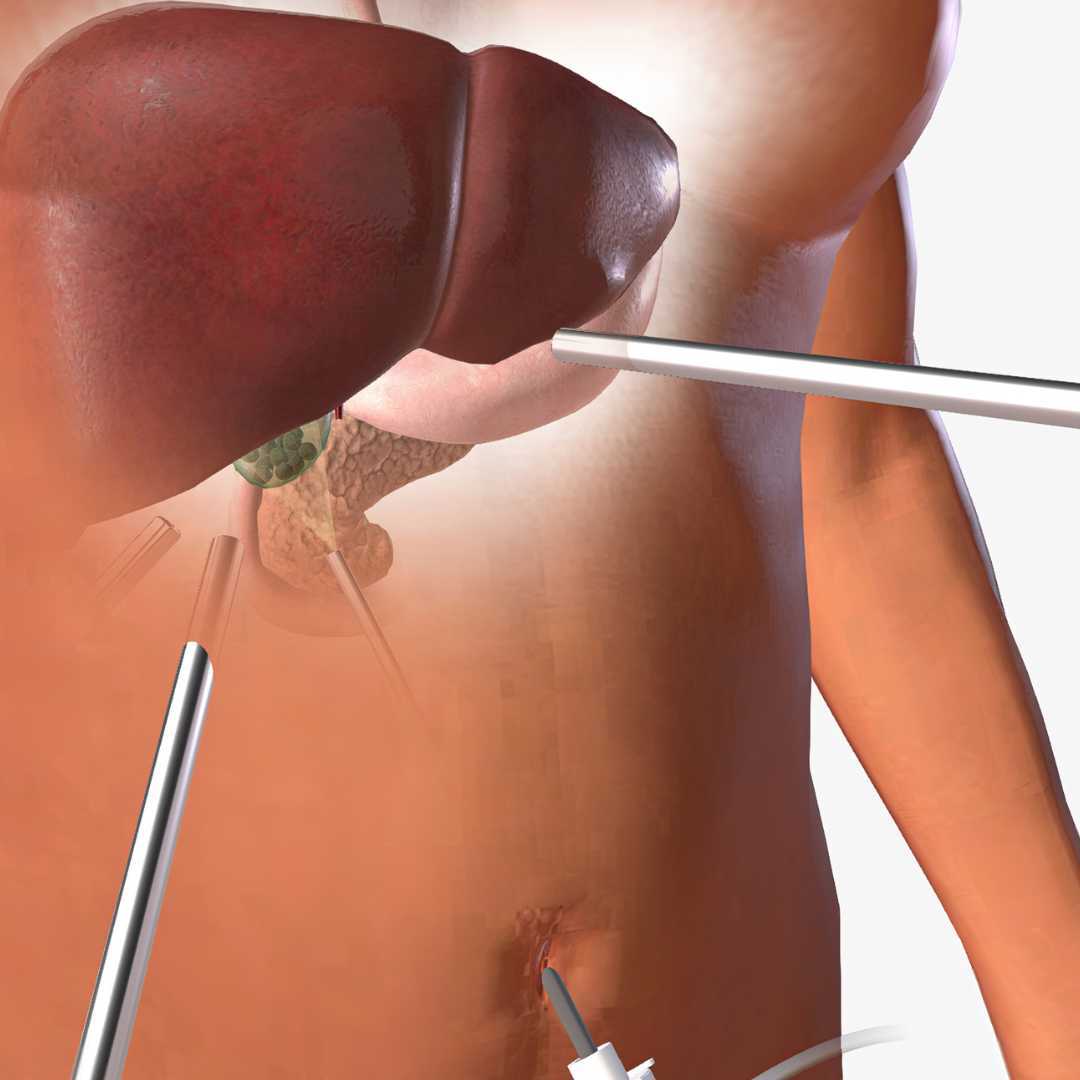
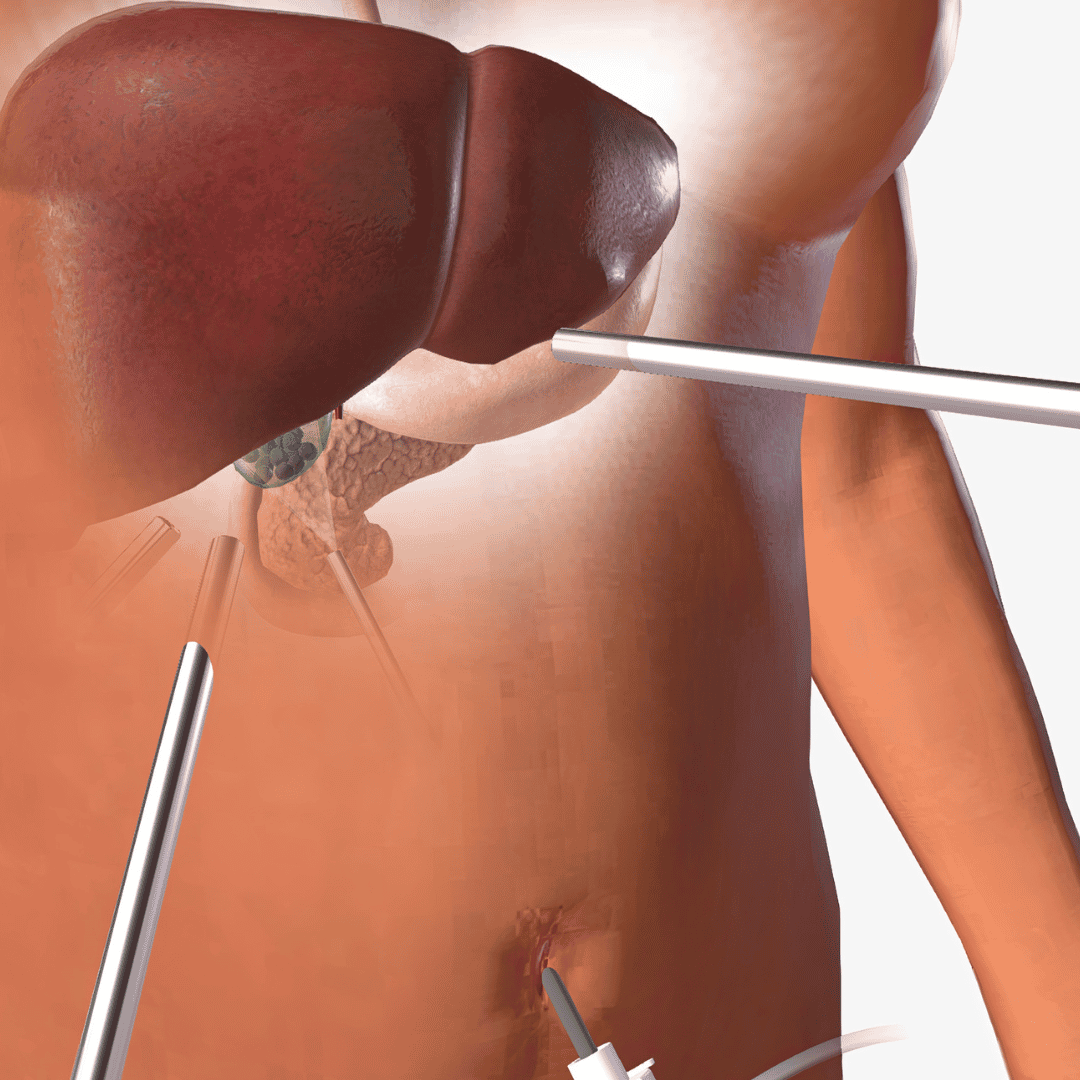
Laparoscopic techniques fundamentally change how surgeons access your internal organs. Instead of creating a large, single incision, the surgeon makes several tiny cuts, usually no larger than half an inch. A specialized tube called a trocar is inserted into one of these incisions to serve as a passageway.
Carbon dioxide gas is then gently pumped into your abdomen to create space and provide a clear view of your organs. A laparoscope—a thin instrument with a high-definition camera and light—is introduced to project images onto a monitor. The surgeon watches this screen while manipulating tiny instruments through the other incisions to complete the procedure.
Biological Benefits of Smaller Incisions
Because the abdominal muscles are separated rather than cut widely, your body experiences less surgical trauma. This biological preservation leads to reduced systemic inflammation. Consequently, patients typically experience less post-operative pain, lower risk of wound infection, and minimal scarring compared to traditional open surgery.
Hospital Certifications to Verify in Mexico
Selecting a safe facility is the most critical step in your medical journey. When researching laparoscopic surgery in Puerto Vallarta, Mexico, you must look beyond modern decor and focus strictly on government and institutional credentials. These certifications ensure the hospital adheres to strict sterilization, emergency response, and patient care protocols.
In Mexico, the primary indicator of hospital quality is accreditation from the Consejo de Salubridad General (CSG). This is the national equivalent of the Joint Commission in the United States. Furthermore, the facility should comply with COFEPRIS regulations, which govern the safety of medical devices and pharmaceuticals.
CSG Accreditation
The Consejo de Salubridad General (CSG) sets the highest national standards for healthcare quality in Mexico. Hospitals with this credential undergo rigorous inspections covering infection control, surgical safety, and overall facility management.
COFEPRIS Compliance
COFEPRIS acts as the Mexican FDA. Ensuring a hospital operates under COFEPRIS compliance means they use legally imported, safe medical equipment, anesthesia machines, and authorized pharmaceutical medications.
Validating Surgeon Credentials and Expertise
Your surgical outcome heavily depends on the skill and experience of your chosen doctor. Simply having a medical degree is not sufficient for performing complex minimally invasive procedures. You must verify that your surgeon has specialized training and is officially recognized by Mexican medical authorities.
Ask your provider for their official medical license number (Cédula Profesional). More importantly, confirm they are board-certified by the appropriate national council, managed by CONACEM. Membership in professional societies also indicates a commitment to continuing medical education.
Surgeon Vetting Checklist
- Cédula Profesional: Verify their active general medical license and specialty license.
- Board Certification: Look for certification from the Consejo Mexicano de Cirugía General (Mexican Board of General Surgery).
- CONACEM Registration: Ensure their board certification is actively registered with the national consultative committee.
- AMCE Membership: Check if they are a member of the Asociación Mexicana de Cirugía Endoscópica, highlighting specific laparoscopic focus.
- Case Volume: Ask how many specific procedures (e.g., laparoscopic gallbladder removals) they perform annually.
Understanding the Financial Investment
Cost is a major driving factor for patients seeking healthcare abroad. The financial structure for laparoscopic surgery in Puerto Vallarta, Mexico, is highly transparent compared to the often confusing billing practices in North American hospitals. Prices typically include the surgeon's fee, anesthesiologist, operating room time, and immediate medical supplies.
However, prices can vary based on the specific procedure, the complexity of your condition, and the hospital chosen. It is vital to request an itemized quote before traveling. Ensure you understand whether pre-operative blood tests, post-operative medications, and follow-up consultations are included in the package.
| Procedure | Est. Cost in USA (Uninsured) | Est. Cost in Canada (Private) | Est. Cost in Puerto Vallarta |
|---|---|---|---|
| Laparoscopic Gallbladder Removal | $15,000 - $25,000+ | $10,000 - $14,000 | $3,500 - $5,500 |
| Laparoscopic Hernia Repair | $10,000 - $18,000+ | $8,000 - $12,000 | $3,000 - $4,800 |
| Diagnostic Laparoscopy | $8,000 - $15,000+ | $6,000 - $9,000 | $2,500 - $4,000 |
Note: The costs listed above are estimates provided in USD for educational purposes. Prices vary by patient condition and facility. Always request a personalized, itemized quote.
Navigating Your Initial Medical Consultation
Your medical journey begins long before you board a flight. A thorough virtual consultation is standard practice when planning laparoscopic surgery in Puerto Vallarta, Mexico. During this video call, the surgeon will review your medical history, current symptoms, and any existing diagnostic imaging.
You must be completely honest about your health, including current medications, past surgeries, and lifestyle habits like smoking. This information helps the clinical team determine if you are a safe candidate for general anesthesia. Prepare a list of questions regarding their complication rates, revision policies, and emergency protocols.
Critical Warning: Pre-Operative Testing
Do not rely solely on medical tests from your home country. Reputable hospitals in Mexico will require you to undergo fresh pre-operative assessments upon arrival. This typically includes a complete blood count (CBC), electrocardiogram (EKG), and a consultation with the anesthesiologist to ensure maximum safety before entering the operating room.
Clinical Outcomes and Length of Hospital Stay
One of the primary medical advantages of the minimally invasive approach is the rapid reduction in hospital admission time. Because the procedure causes less physiological trauma, patients require less intravenous pain management. This allows for faster mobilization, which is crucial for preventing post-operative blood clots.
Recent clinical guidelines from 2024 emphasize early discharge when safe. Most patients undergoing uncomplicated laparoscopic procedures can leave the hospital within 24 hours. In contrast, traditional open surgeries often require several days of inpatient monitoring to manage pain and monitor for wound complications.
Average Length of Hospital Stay: Laparoscopic vs. Open Surgery (2024 Clinical Data)
Verified 2024 clinical recovery metrics representing days spent in inpatient care.
Preparing for Medical Travel to Mexico
Traveling for medical reasons requires more logistical planning than a standard vacation. You must coordinate your flights, ground transportation, and accommodation to align closely with your surgical schedule. Arrive in Puerto Vallarta at least one to two days before your scheduled procedure.
Pack loose, comfortable clothing that will not press against your abdominal incisions during recovery. Ensure you have a valid passport and check any visa requirements based on your country of origin. It is highly recommended to travel with a companion who can assist you during the immediate post-operative days.
Travel and Planning Timeline
- 4-6 Weeks Before: Research clinics, verify surgeon credentials, and conduct a virtual consultation.
- 3-4 Weeks Before: Receive an itemized quote, pay the required deposit, and book your flights and recovery hotel.
- 1 Week Before: Follow all pre-operative dietary or medication instructions provided by your surgeon.
- Arrival Day: Settle into your hotel and rest. Avoid alcohol and heavy meals.
- Day Before Surgery: Attend your in-person consultation and complete required pre-operative bloodwork and EKGs.
Infection Control and Safety Protocols
Patient safety must always be the top priority. Accredited hospitals offering laparoscopic surgery in Puerto Vallarta, Mexico, enforce rigorous infection control measures. These protocols align with international guidelines designed to minimize hospital-acquired infections and surgical complications.
Operating rooms utilize advanced HEPA filtration systems and stringent sterilization techniques for all surgical instruments. During your stay, nursing staff will frequently monitor your vital signs, check your incision sites, and administer prophylactic antibiotics as directed by your surgeon to ensure a safe healing environment.
Detailed Post-Operative Recovery Stages
Understanding the healing process helps you manage expectations and recognize warning signs. When you wake up from anesthesia, you may feel groggy and experience localized pain around the incision sites. It is also very common to feel referred pain in your shoulder, which is caused by the carbon dioxide gas pressing against your diaphragm.
Your surgical team will encourage you to walk lightly within a few hours of waking up. Walking helps dissipate the surgical gas, stimulates your bowel function, and reduces the risk of deep vein thrombosis (DVT). You will be discharged with specific instructions regarding wound care, pain medication, and dietary restrictions.
| Timeframe | Biological Process | Patient Sensation | Action Required |
|---|---|---|---|
| Days 1-2 | Acute inflammatory response; CO2 absorption. | Soreness, fatigue, shoulder pain. | Rest, take prescribed medications, perform light walking. |
| Days 3-7 | Tissue remodeling begins; digestive tract normalizes. | Decreasing pain, returning appetite, mild bruising. | Keep incisions dry and clean. Avoid heavy lifting. |
| Weeks 2-4 | Deep tissue healing; incisions close fully. | Energy levels return to normal. | Gradual return to normal routines. Consult doctor before strenuous exercise. |
Managing Surgical Risks and Complications
While minimally invasive techniques are generally safe, no medical procedure is completely devoid of risk. Potential complications of laparoscopic surgery in Puerto Vallarta, Mexico, are similar to those anywhere else in the world. These may include infection, bleeding, or accidental injury to surrounding organs.
In rare cases, if the surgeon cannot safely complete the procedure laparoscopically due to excessive scar tissue or anatomical challenges, they may need to convert to an open surgery. Discuss these risks thoroughly with your doctor beforehand. You must also know exactly how the clinic handles emergencies and whether they have an intensive care unit (ICU) on-site.
When to Seek Immediate Medical Help
Contact your surgeon or visit an emergency room immediately if you experience a persistent fever over 101°F (38°C), severe and worsening abdominal pain, persistent nausea or vomiting, or redness, swelling, and pus draining from your incision sites.
Language Translation and Patient Support
Effective communication is a cornerstone of safe medical care. While Spanish is the national language of Mexico, major private hospitals in Puerto Vallarta are highly accustomed to treating international tourists. Many top surgeons have completed training in the US or Europe and speak excellent English.
Furthermore, established medical tourism clinics usually provide a dedicated, bilingual patient coordinator. This coordinator will accompany you to consultations, help you complete medical paperwork, and serve as a liaison between you and the nursing staff during your hospital stay, ensuring nothing is lost in translation.
Safely Traveling Home Post-Surgery
Returning home requires careful timing. You must never fly immediately after undergoing abdominal surgery. Changes in cabin pressure and prolonged periods of sitting severely increase the risk of deep vein thrombosis (DVT) and pulmonary embolism.
Surgeons typically recommend staying in Puerto Vallarta for 7 to 10 days post-procedure for proper monitoring. Before you are cleared to fly, you will have a final follow-up appointment where the surgeon will check your incisions and remove any non-dissolvable stitches. During your flight home, wear compression socks, stay hydrated, and walk the aisle periodically.
Frequently Asked Questions
Is laparoscopic surgery in Puerto Vallarta, Mexico safe?
Yes, it can be highly safe when performed in a CSG-accredited hospital by a board-certified surgeon. However, as with any surgery, risks exist, and thorough vetting of the facility and medical team is essential.
How long will I need to stay in Mexico after my procedure?
Most surgeons require international patients to remain in the city for 7 to 10 days post-surgery. This allows time for a post-operative follow-up and ensures you are biologically stable enough to handle air travel safely.
Will I have visible scars after the surgery?
Laparoscopic techniques utilize very small incisions, typically less than half an inch. While minor scarring will occur, the marks are generally much smaller and fade more significantly over time compared to the large scars left by open surgery.
What happens if a complication occurs during surgery?
If an unexpected complication arises, your surgeon may convert the procedure to an open surgery for your safety. Always ensure your chosen hospital has a fully equipped ICU and a clear emergency transfer protocol in place.
Do Mexican hospitals accept US or Canadian health insurance?
Most domestic US and Canadian health insurance policies do not cover planned medical care abroad. Patients typically pay out-of-pocket. However, some specialized medical travel insurance plans may cover complications.
How do I manage the pain in my shoulder after surgery?
Referred shoulder pain is caused by the CO2 gas used during surgery. Walking frequently, using a heating pad on your shoulder, and taking prescribed analgesics typically resolve this discomfort within a few days.
Are the medical supplies and mesh used in Mexico of good quality?
Accredited private hospitals use high-quality, international-brand surgical supplies and hernia meshes that comply with COFEPRIS regulations, which are similar to FDA standards.
Can I travel alone for this medical procedure?
While possible, it is strongly advised to bring a companion. You will be restricted from lifting heavy luggage and may need assistance navigating the hotel and airport during your early recovery days.
How do I verify a Mexican doctor's medical license?
You can ask for the doctor's Cédula Profesional (license number) and verify it through the official Mexican government registry. Additionally, look for their active registration with CONACEM.
What dietary changes are required immediately after surgery?
Your doctor will likely recommend starting with clear liquids and gradually progressing to bland, easy-to-digest foods to prevent nausea and avoid stressing your digestive system as you recover.
How PlacidWay Supports Your Medical Journey
Navigating international healthcare choices can feel daunting. PlacidWay can help you compare certified providers, understand transparent treatment costs, and request specific information directly from top-rated clinics in Puerto Vallarta.
Request Information TodayDisclaimer: This information is for educational purposes only and does not replace professional medical advice. Always consult a qualified healthcare provider before making medical decisions.
References
- Patient Information for Laparoscopic Gallbladder Removal – Society of American Gastrointestinal and Endoscopic Surgeons (SAGES)
- Safe Surgical Care Guidelines (2024 Updates) – American College of Surgeons (ACS)
- Travel Health Information for Mexico – Centers for Disease Control and Prevention (CDC)
- Hospital Certification Standards – Consejo de Salubridad General (CSG Mexico)
- Clinical Standards in Minimally Invasive Surgery – Asociación Mexicana de Cirugía Endoscópica (AMCE)
- Safe Surgery Checklist and Infection Prevention – World Health Organization (WHO)
- Prevention of Deep Vein Thrombosis Post-Surgery – National Institutes of Health (NIH)
























Share this listing