


Laparoscopic Inguinal Hernia Testimonial: The Complete Guide to Minimally Invasive Repair
Welcome to an in-depth exploration of minimally invasive surgical solutions, centered around an inspiring laparoscopic inguinal hernia testimonial. For countless individuals worldwide, the daily reality of suffering from an inguinal hernia involves chronic discomfort, limited physical mobility, and a persistent groin bulge that dictates what activities they can safely perform. Dealing with this abdominal wall weakness often forces patients to put their active lives on an indefinite hold. Furthermore, many patients find themselves trapped between enduring the physical pain of the hernia or facing the staggering financial burden of advanced surgical care in their home countries.
However, modern medical advancements and global healthcare accessibility have created a new pathway to healing. By leveraging world-class medical tourism, patients can now access state-of-the-art laparoscopic inguinal hernia repair performed by internationally accredited surgeons at a fraction of domestic costs. Watch to uncover how advanced medical techniques, affordable surgical packages, and expert patient care are seamlessly combined to restore health, eliminate pain, and rebuild overall quality of life.
Video Chapters & Quick Navigation
The decision to undergo surgical intervention is never one taken lightly. However, when conservative management fails and abdominal pain escalates, patients must seek permanent, structural solutions. Globally, inguinal hernias are among the most common surgical issues, affecting millions of adults annually. The landscape of treating this condition has shifted dramatically, moving away from large incisions and extended hospital stays toward highly sophisticated, minimally invasive techniques that prioritize rapid healing and drastically reduced postoperative pain.
Understanding the Physical Burden of an Inguinal Hernia
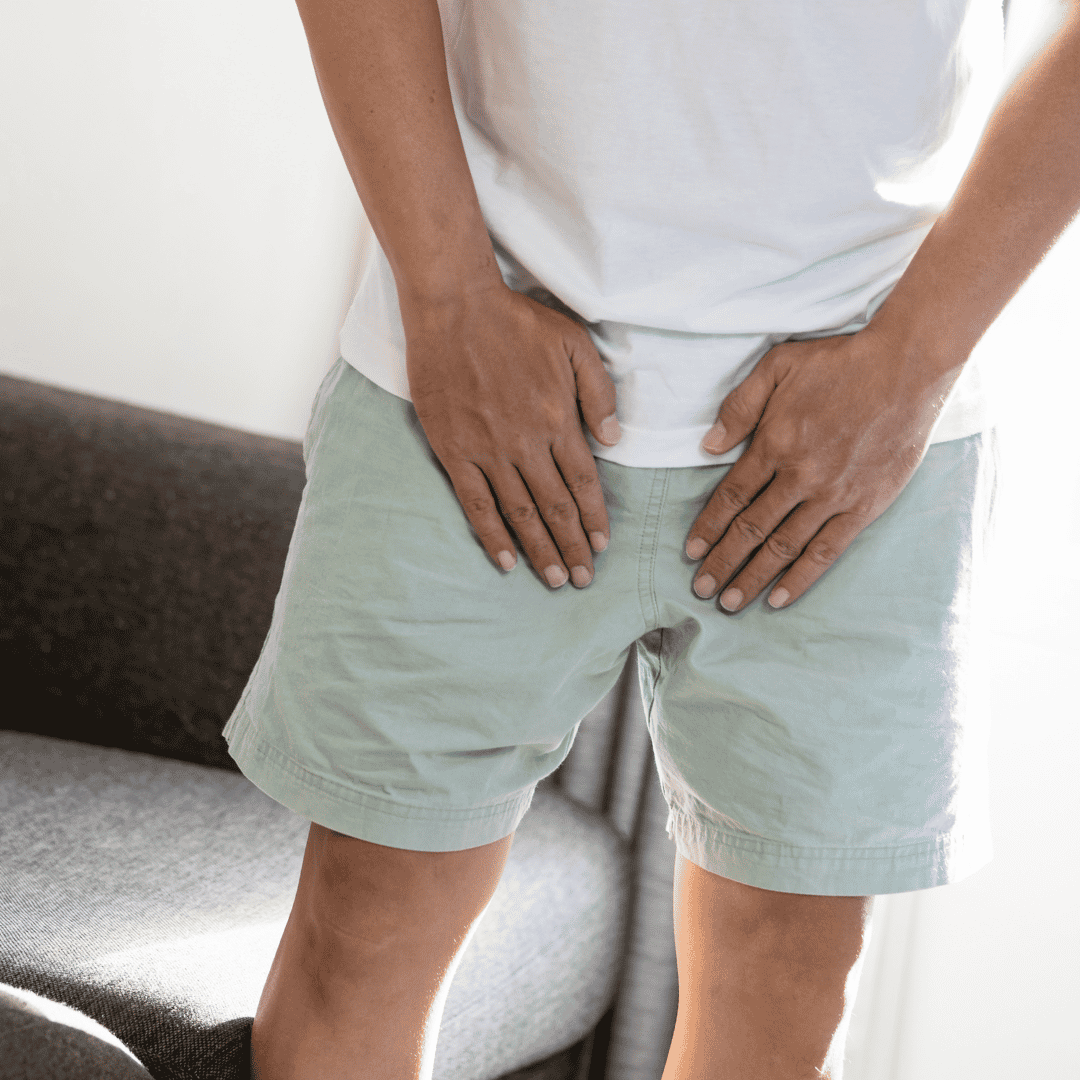
To fully appreciate the life-changing nature of a laparoscopic inguinal hernia testimonial, it is essential to understand the complex anatomy involved in this medical condition. An inguinal hernia occurs when soft tissue, usually a portion of the intestine or abdominal fat, protrudes through a weakened area or tear in the lower abdominal wall muscles. This resulting bulge is not only visible but often presents a heavy, dragging sensation in the groin area that worsens throughout the day, particularly when standing, lifting heavy objects, or coughing.
The Hidden Dangers of Postponing Treatment
Many patients initially attempt to ignore the early signs of an inguinal hernia, mistaking the dull ache for a simple muscle strain. However, the abdominal wall will not heal itself organically. Without surgical intervention, the fascial defect will continue to widen over time, allowing more intestinal tissue to slip into the inguinal canal. The most critical risk associated with delaying treatment is a condition known as strangulation. This occurs when the protruding intestine becomes tightly trapped, cutting off its vital blood supply.
A strangulated hernia is a severe, life-threatening medical emergency requiring immediate, open surgical intervention, which completely negates the possibility of choosing a preferred, minimally invasive approach. Recognizing the early symptoms and proactively seeking out options for affordable laparoscopic hernia repair abroad allows patients to maintain control over their healthcare journey, mitigating these severe risks before they manifest.
The Evolution to Minimally Invasive Hernia Repair
Historically, the standard treatment for a groin hernia was open tension-free mesh repair. While effective, this traditional method involved a large incision across the lower abdomen, significant disruption of surrounding muscle tissues, and a grueling, extended recovery period. In stark contrast, modern surgical centers worldwide have widely adopted the laparoscopic approach, fundamentally transforming the patient experience.
How Laparoscopic Inguinal Hernia Surgery Works
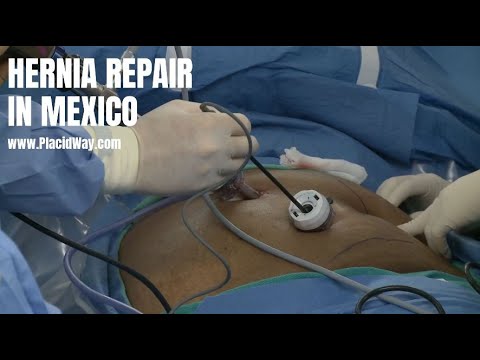
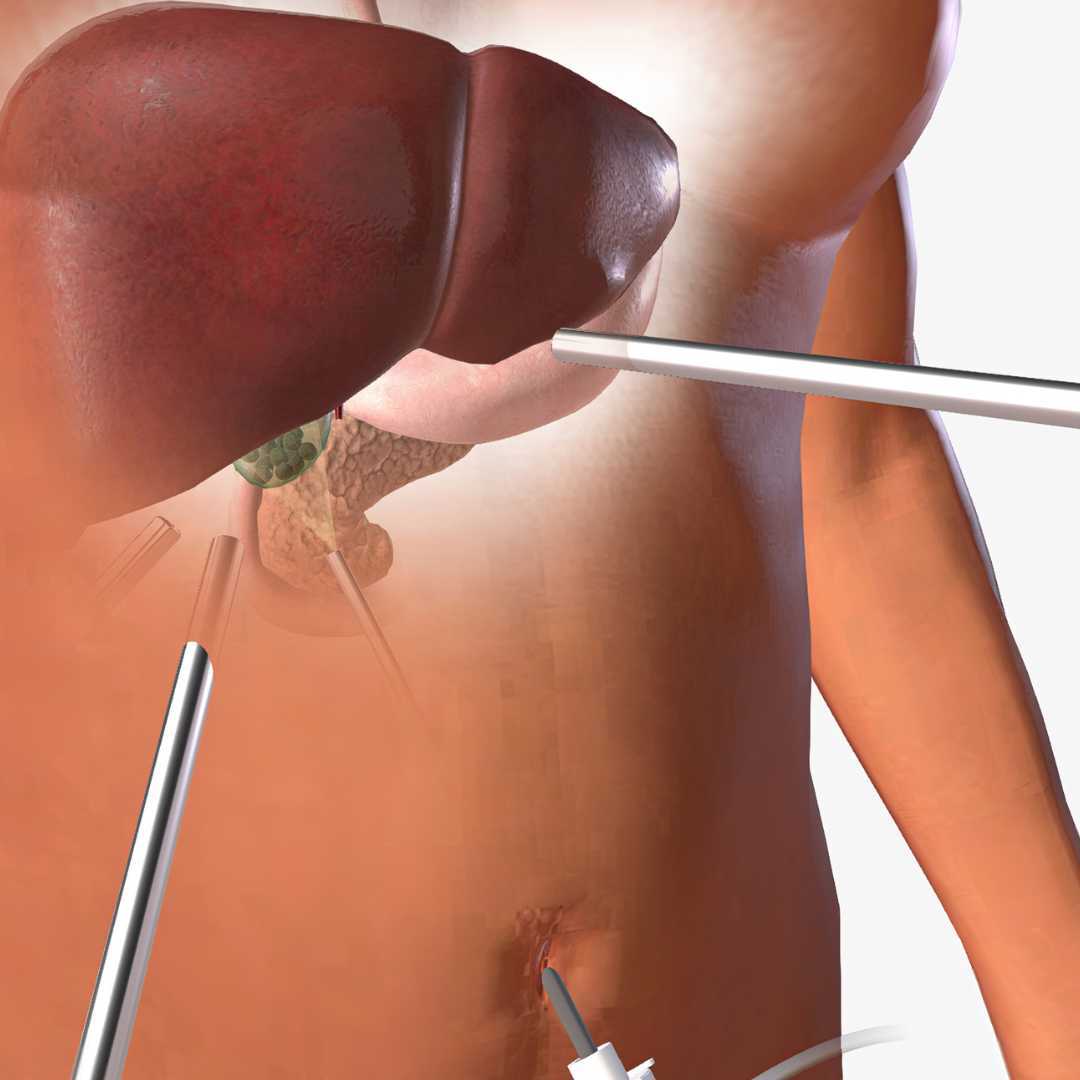
During a minimally invasive hernia repair, the surgeon makes three tiny incisions, typically no larger than a centimeter each, near the umbilicus (belly button). A laparoscope—a slender, high-definition camera—is inserted into one of these microscopic ports, projecting a magnified, highly detailed view of the patient's internal anatomy onto large surgical monitors. Utilizing specialized, long-handled surgical instruments inserted through the remaining ports, the surgeon carefully reduces the hernia, gently pulling the protruding intestine back into its proper abdominal cavity position.
Once the hernia is reduced, a piece of biocompatible synthetic mesh is meticulously positioned over the muscular defect from the inside. This tension-free mesh acts as a sturdy internal scaffold. Over the following weeks, the patient's natural tissue will grow into the pores of the mesh, creating a permanently reinforced abdominal wall that successfully prevents future recurrences.
| Factor | Traditional Open Surgery | Laparoscopic Repair |
|---|---|---|
| Incision Size | One large 3-6 inch incision | Three tiny keyhole incisions |
| Postoperative Pain | Moderate to severe, requires heavy pain management | Minimal to mild, often managed with over-the-counter medication |
| Recovery Time to Work | Typically 3 to 6 weeks | Often as fast as 1 to 2 weeks |
| Bilateral Repair | Requires two separate large incisions | Both sides repaired through the same three tiny ports |
Insights from the Laparoscopic Inguinal Hernia Testimonial
Real-world patient experiences provide invaluable clarity for those anticipating surgery. By examining our featured video testimonial, prospective patients can gain a transparent understanding of the entire medical tourism journey, straight from someone who has successfully navigated the process.
As highlighted early in the video at , the patient describes the initial onset of their symptoms, characterized by a persistent pulling sensation and a noticeable lump in the groin area. The narrative underscores the frustration of living with restricted mobility, a common complaint among those suffering from significant abdominal wall defects. The patient emphasizes that the fear of a long, painful recovery from traditional open surgery initially caused them to delay seeking necessary medical assistance.
The Turning Point: Discovering Minimally Invasive Options
The pivotal moment in the patient’s journey occurs at , when they discuss discovering the benefits of laparoscopic inguinal hernia repair and the possibilities of medical tourism. Faced with exorbitant out-of-pocket healthcare expenses domestically, the patient began researching international surgical centers renowned for their expertise in minimally invasive techniques. They detail the comprehensive virtual consultations provided by the international surgical team, which alleviated their initial apprehensions regarding traveling abroad for medical care.
Moving further into the testimonial at , the discussion shifts to the exceptional quality of the clinical facility. The patient expresses sheer amazement at the pristine, high-tech hospital environment and the warm, communicative nature of the nursing staff and lead surgeon. This specific segment serves to dismantle outdated stigmas surrounding international healthcare, proving that highly accredited hospitals abroad frequently exceed the standard of care found in the United States and the United Kingdom.
Finally, at , the patient eagerly shares their rapid postoperative recovery experience. Instead of spending weeks bedridden, they report walking comfortably within hours of waking up from general anesthesia. The absence of a large surgical wound resulted in vastly reduced pain, allowing them to enjoy their remaining time exploring their medical tourism destination before flying home.
The Financial Landscape: Hernia Surgery Cost Considerations
The primary catalyst driving thousands of patients to seek medical care outside their home borders is the undeniable, often prohibitive, cost of domestic healthcare. In regions like the United States, patients without robust premium insurance coverage can expect the laparoscopic inguinal hernia surgery cost to range anywhere from $8,000 to an astounding $15,000. These figures frequently do not include hidden fees such as separate anesthesiologist billing, facility usage charges, or preoperative diagnostic testing.
Shattering the High Price Tag with Medical Tourism
Medical tourism completely disrupts this financial strain. By choosing internationally certified centers of excellence in destinations such as Mexico, India, Turkey, or Costa Rica, patients can access identical minimally invasive hernia repair procedures for $2,500 to $4,500. This represents a monumental cost reduction of up to 70%. It is crucial to understand that these drastically lower prices are not reflective of inferior care or substandard surgical mesh.
Instead, these affordable hernia surgery rates are the direct result of a lower cost of living, reduced administrative healthcare bloat, and favorable international exchange rates. Surgeons operating in top-tier medical tourism hubs utilize the exact same premium, FDA-approved polypropylene mesh implants and state-of-the-art laparoscopic towers used by top-ranking surgeons in North America and Western Europe.
Exploring All-Inclusive Hernia Surgery Packages
Navigating healthcare in a foreign country might seem daunting initially, which is precisely why leading medical tourism facilitators bundle their services into streamlined, all-inclusive packages. These comprehensive medical packages are specifically designed to remove the stress of logistical planning, allowing the patient to focus entirely on their upcoming procedure and subsequent healing process.
When reviewing options for affordable laparoscopic surgery abroad, high-quality packages typically include the following essential components:
- Complete Medical Fees: Covers the primary surgeon's fee, the anesthesiologist, and all operating room charges.
- Preoperative Diagnostics: Includes necessary blood panels, electrocardiograms (EKG), and physical evaluations to ensure you are cleared for general anesthesia.
- Surgical Materials: The cost of the biocompatible synthetic mesh and any fixation devices (such as dissolvable tacks or surgical glue) used to secure it.
- Hospital Stay: Typically includes a one-night stay in a private recovery suite with 24/7 nursing care monitoring.
- VIP Ground Transfers: Dedicated concierge services providing private transportation from the airport to your hotel, and between your hotel and the medical facility.
Preparing for Your Minimally Invasive Hernia Repair Abroad
Success in surgery begins long before the patient enters the operating room. Preparing for your medical tourism journey requires careful attention to physical health and logistical organization. Firstly, your chosen international surgeon will conduct a thorough review of your medical history via telehealth consultations. You will be required to share any recent imaging or diagnostic reports confirming the presence and specific location of the inguinal hernia.
In the weeks leading up to your departure, it is heavily advised to cease the use of any tobacco products. Smoking significantly constricts blood vessels, directly impairing the body’s natural healing response and increasing the risk of respiratory complications during general anesthesia. Furthermore, patients are typically instructed to temporarily halt the use of blood-thinning medications, including common over-the-counter anti-inflammatory drugs, to prevent excessive bleeding during the laparoscopic procedure.
Logistically, ensure your passport is valid for at least six months beyond your planned travel dates. It is highly recommended to pack loose, comfortable clothing, particularly pants or shorts with an elastic waistband, to ensure zero pressure is placed on the small keyhole incisions during your flight back home.
Navigating the Hernia Surgery Recovery Time and Process
One of the most celebrated advantages of the laparoscopic technique is the remarkably accelerated minimally invasive hernia repair recovery time. Because the abdominal wall muscles are gently bypassed rather than deeply sliced open, the tissue trauma is exponentially lower. Upon waking in the recovery room, patients generally report feeling groggy from the anesthesia but cite only a dull, manageable ache in the groin, rather than sharp, debilitating pain.
The First 72 Hours: Early Ambulation
Within a few hours post-surgery, nurses will actively encourage you to stand up and take slow, short walks around the hospital ward. This early ambulation is a critical component of modern recovery protocols, as it stimulates blood circulation, dramatically lowering the risk of deep vein thrombosis (blood clots) and helping to naturally dissipate the carbon dioxide gas used to inflate the abdomen during surgery.
By the second or third day, most patients feel well enough to transition from prescription pain relievers to standard over-the-counter options. If your surgery is taking place in a medical tourism destination, this period is perfect for resting in your hotel, enjoying room service, and taking gentle walks in a stress-free environment away from the demands of daily home life.
Weeks One to Three: Returning to Normalcy
Upon returning home, the healing progression continues rapidly. The small incision sites will begin to seal and fade. By the end of the first week, individuals working remote or sedentary desk jobs can typically resume their professional duties comfortably. Driving is generally permitted once the patient is no longer taking narcotic pain medication and can execute sudden movements, such as slamming the brakes, without experiencing sharp abdominal pain.
While cardiovascular activities like light jogging or stationary cycling can often be reintroduced by week two, strict lifting restrictions remain paramount. Surgeons universally mandate that patients refrain from lifting anything heavier than 10 to 15 pounds for a minimum of four to six weeks. Adhering to this restriction is non-negotiable, as the synthetic mesh requires adequate time to firmly integrate with the surrounding biological tissues.
Ensuring Long-Term Success After Inguinal Hernia Mesh Repair
A successful surgical operation is only half of the equation; patient compliance during the long-term recovery phase dictates the permanent success of the repair. The primary objective following an inguinal hernia mesh repair is the strict prevention of recurrence. Recurrent hernias are significantly more complex to treat, requiring highly specialized revisional surgery.
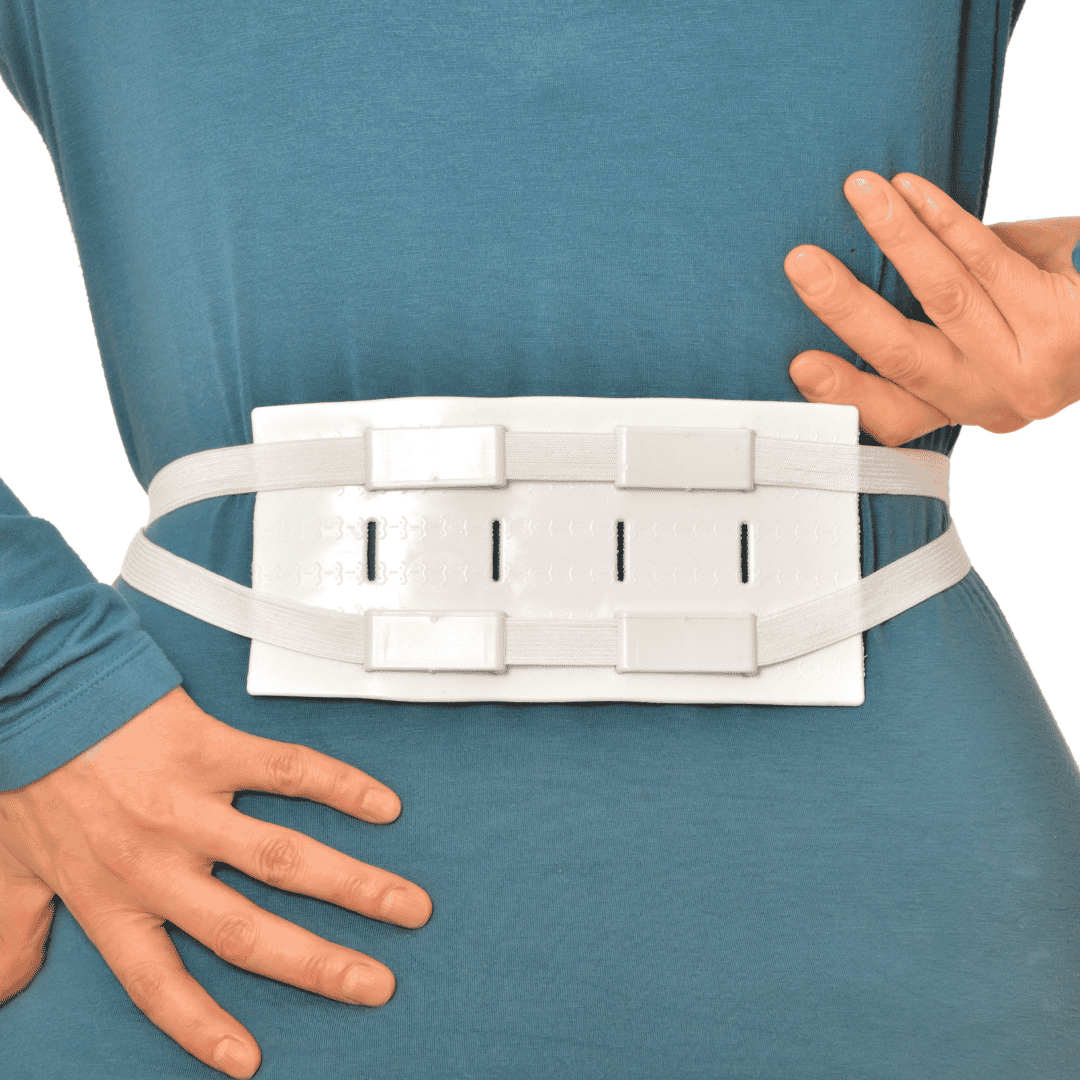
To protect the integrity of the abdominal wall long-term, patients are advised to implement strategic lifestyle modifications. Maintaining a healthy body weight is crucial, as excess visceral fat places continuous, unrelenting intra-abdominal pressure on the lower abdominal wall and the newly placed mesh. Implementing a high-fiber diet rich in fruits, vegetables, and whole grains, coupled with adequate daily hydration, is equally important to prevent constipation. Chronic straining during bowel movements is a leading catalyst for post-surgical hernia recurrence.
Furthermore, individuals with chronic respiratory issues, such as severe allergies causing repetitive sneezing, or a persistent smoker's cough, should seek specialized medical management for these conditions. The forceful, explosive pressure generated by severe coughing directly strains the inguinal canal. For athletes and heavy laborers, learning and strictly utilizing proper ergonomic lifting techniques—engaging the robust leg muscles rather than bearing weight through the core and back—will safeguard the surgical repair for decades to come.
The journey from suffering chronic groin pain to reclaiming total physical freedom is highly attainable. As demonstrated by countless patient testimonials, embracing the opportunities provided by global healthcare options empowers individuals to bypass long waitlists and astronomical local bills. Through advanced laparoscopic techniques, premium materials, and the care of globally trained surgical specialists, lasting relief from inguinal hernias is now safer, faster, and more accessible than ever before.
Ready to Reclaim Your Life from Hernia Pain?
Stop letting a painful abdominal bulge dictate your physical activities. Connect with PlacidWay Medical Tourism today to discover highly accredited, affordable clinics offering premium laparoscopic inguinal hernia repair packages. Let us handle your healthcare logistics so you can focus entirely on your rapid recovery.
REQUEST YOUR FREE QUOTE TODAY



.jpg)











Share this listing