


Laparoscopic Solutions: The Ultimate Guide to Inguinal Hernia Surgery and Recovery
Imagine living with a constant, sharp ache in your lower abdomen that worsens with every movement. For millions of individuals, this debilitating reality is caused by a groin hernia. Fortunately, modern surgical advancements offer a permanent, low-pain solution. Laparoscopic inguinal hernia surgery represents the absolute pinnacle of minimally invasive abdominal repair, allowing patients to achieve rapid recovery times and minimal scarring. If you are seeking lasting relief, watch this patient testimonial and read our comprehensive guide to understand how these advanced laparoscopic solutions can help you reclaim a completely pain-free life.
Video Chapters & Quick Navigation
- Understanding the Agony: What is an Inguinal Hernia?
- Laparoscopic vs. Open Hernia Surgery
- Benefits of Minimally Invasive Groin Hernia Repair
- A Patient's Perspective: Real Testimonials
- Advanced Inguinal Hernia Mesh Repair Techniques
- Accessing Top Clinics for Hernia Surgery Abroad
- Laparoscopic Hernia Surgery Recovery Time
- Preparing for Your Minimally Invasive Procedure
Understanding the Agony: What is an Inguinal Hernia?
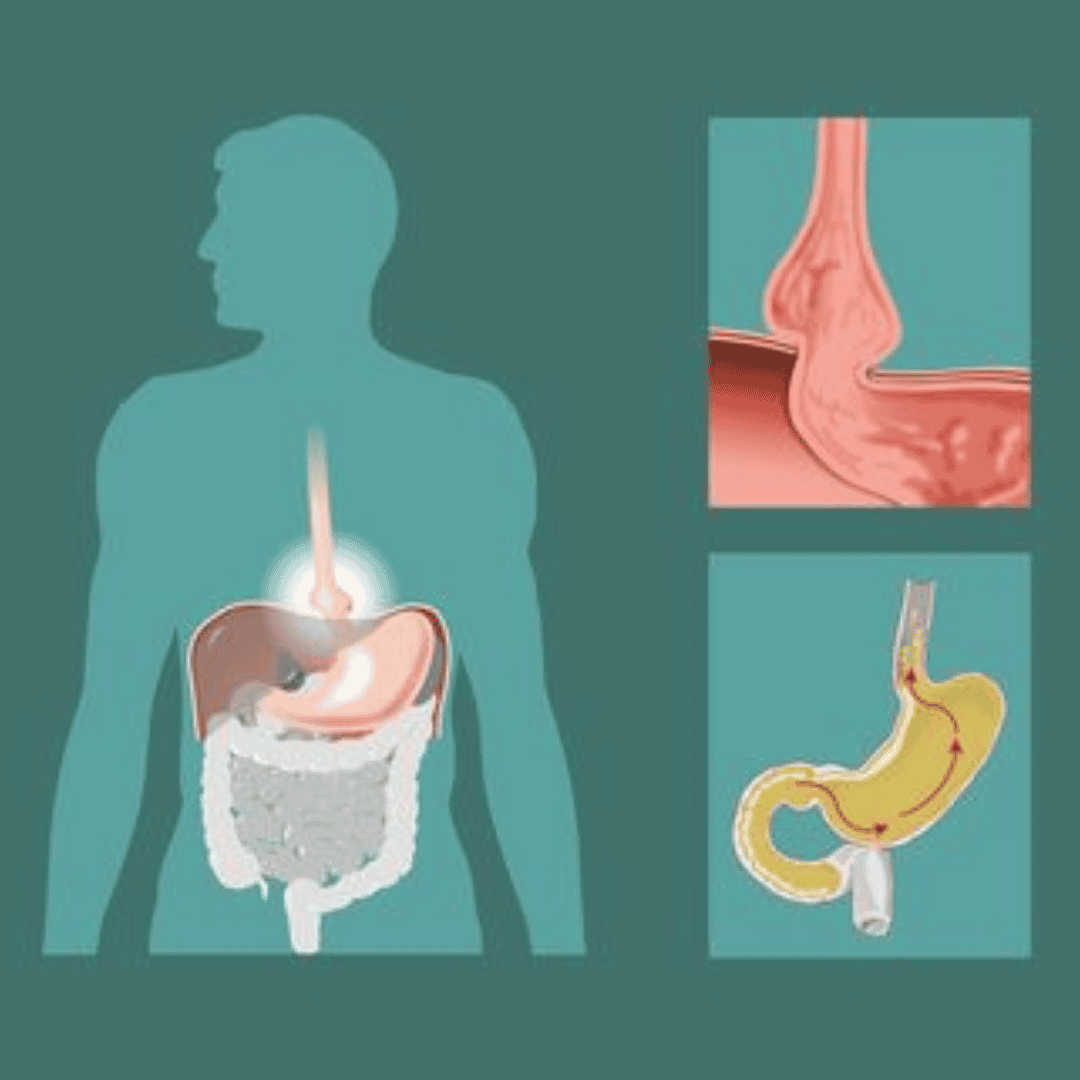
Before diving into the revolutionary laparoscopic solutions available today, it is critical to understand the biological mechanics of a hernia. An inguinal hernia occurs when tissue, such as part of the intestine or abdominal fat, protrudes through a weak spot in the abdominal muscles. This specific type of hernia happens in the inguinal canal, which is located at the base of the abdomen near the groin.
The human abdominal wall is designed to hold your internal organs securely in place. However, due to genetics, heavy lifting, chronic coughing, or simple aging, the transversalis fascia—the primary connective tissue in the abdominal wall—can begin to degrade. Once a tear occurs, the relentless intra-abdominal pressure forces internal tissues outward, creating a noticeable, often painful bulge.
Identifying Common Signs and Symptoms
Many patients initially ignore the warning signs of a developing groin issue, mistaking it for a simple muscle strain. However, recognizing the signs and symptoms of an inguinal hernia early can prevent severe complications down the road. The most common indicator is a palpable bulge in the groin area on either side of the pubic bone. This bulge becomes far more obvious when you are standing upright, coughing, or straining.
Patients frequently report a burning, gurgling, or aching sensation precisely at the site of the bulge. As the condition worsens over weeks or months, a heavy or dragging sensation in the groin becomes a daily burden. Pain and discomfort intensify dramatically when bending over, lifting heavy objects, or performing rigorous cardiovascular exercises. In severe cases, the protruding intestine can become trapped or "incarcerated," cutting off blood flow—a life-threatening condition known as strangulation that requires immediate emergency surgical intervention.
The Evolution of Treatment: Laparoscopic vs. Open Hernia Surgery
For decades, the only viable method to fix a torn abdominal wall was traditional open surgery. During this conventional procedure, a surgeon makes a single, large incision—typically three to four inches long—directly over the hernia site. They manually push the protruding tissue back into the abdomen and sew a synthetic mesh patch over the weakened area to reinforce it.
While open surgery is effective, it involves cutting through multiple layers of healthy muscle and fascia to reach the defect. This inherently causes significant postoperative pain, dramatically longer recovery timelines, and a much higher risk of surgical site infections. Today, the medical paradigm has shifted toward a far more elegant approach.
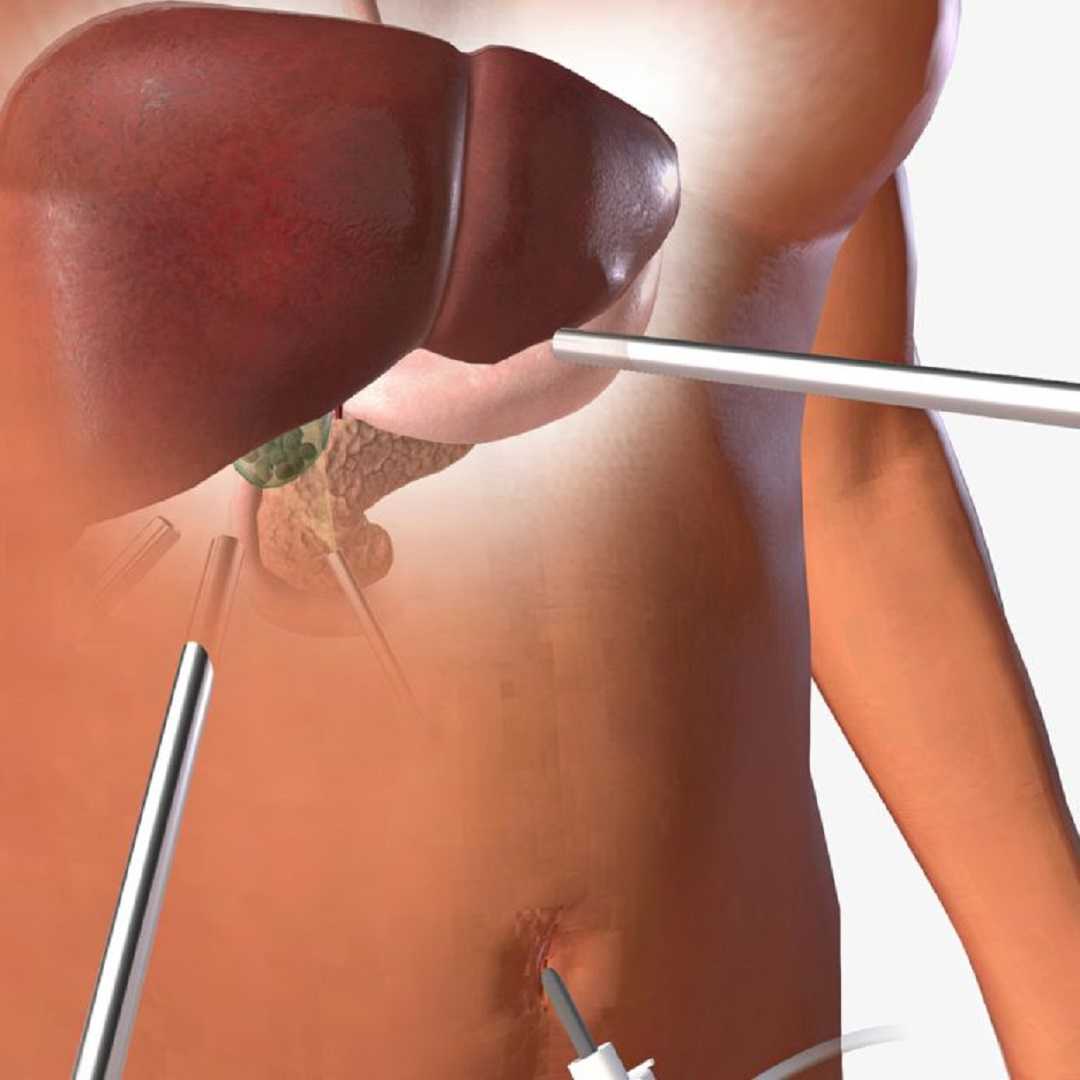
Laparoscopic inguinal hernia surgery is a minimally invasive technique that completely bypasses the need for massive incisions. Instead, the surgeon creates three tiny "keyhole" incisions, each less than a centimeter wide, near the navel. The abdomen is then gently inflated with carbon dioxide gas, creating a spacious, dome-like working environment. A laparoscope—a slender tube equipped with a high-definition fiber-optic camera—is inserted into one of the keyholes, projecting a magnified, crystal-clear view of the patient's internal anatomy onto a surgical monitor.
| Feature Comparison | Laparoscopic Hernia Surgery | Traditional Open Surgery |
|---|---|---|
| Incision Size | Three tiny keyhole incisions (0.5 to 1 cm) | Single large incision (3 to 4 inches) |
| Bilateral Repair Capability | Can repair both sides through the same tiny keyholes | Requires a second large incision on the opposite side |
| Postoperative Pain | Significantly lower; less disruption to healthy tissue | Higher; significant muscle and tissue cutting required |
| Return to Normal Activity | Typically 1 to 2 weeks | Typically 4 to 6 weeks |
The Transformative Benefits of Minimally Invasive Groin Hernia Repair
The sheer mechanical brilliance of the laparoscopic approach lies in how the mesh is placed. In open surgery, the patch is placed on the outside of the abdominal wall defect. The pressure from your internal organs constantly pushes outward against this patch. In contrast, laparoscopic surgery allows the surgeon to place the mesh on the inside of the abdominal wall.
By placing the mesh internally, the natural outward pressure of your organs actually works in your favor. The intra-abdominal pressure pins the surgical mesh tightly against the healthy muscle wall, acting much like a drain plug in a bathtub. The harder the water pushes, the tighter the seal becomes. This specific internal placement dramatically reduces the long-term recurrence rate of the condition.
Tackling Bilateral Issues Simultaneously
One of the most profound benefits of laparoscopic vs open hernia surgery emerges when a patient suffers from bilateral hernias—meaning they have ruptures on both the left and right sides of the groin. If a patient undergoes open surgery for a bilateral issue, the surgeon is forced to make two massive, separate incisions on either side of the body, doubling the trauma and recovery time.
With minimally invasive groin hernia repair, the surgeon uses the exact same three tiny keyholes near the belly button to access and repair both sides of the groin simultaneously. There is no need for additional incisions. This drastically minimizes the physical trauma to the abdominal wall, meaning the patient undergoes a double repair with the recovery timeline of a single, localized procedure.
A Patient's Perspective: Real Laparoscopic Inguinal Hernia Surgery Testimonials
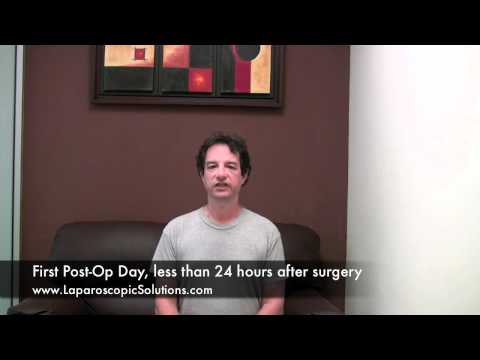
Medical facts and surgical statistics are vital, but understanding the human element is what truly highlights the value of this procedure. In the accompanying video, the patient details their deeply personal journey from debilitating pain to complete physical restoration.
As heard at , the patient vividly describes experiencing severe groin pain that lingered for months before they finally sought professional medical intervention. Living with chronic pain significantly degrades mental health, leading to anxiety, sleep deprivation, and a total withdrawal from active hobbies and family life.
The situation escalated when a specialist diagnosed the issue as a bilateral inguinal hernia at . A dual diagnosis can be incredibly terrifying for patients who assume they will need to endure months of bed rest. However, at , the surgeon carefully explained the numerous benefits of laparoscopic hernia repair, shifting the patient's perspective from fear to profound relief.
The true testament to modern medicine is highlighted during the recovery phase. The laparoscopic inguinal hernia surgery itself was remarkably swift, taking less than two hours to complete as noted at . Because the procedure avoids slicing through healthy muscle tissue, the patient woke up to minimal pain, experiencing only mild discomfort from the surgical gas .
The most shocking milestone occurred within the first 24 hours post-operation. The patient was already mobile, comfortably walking around their hotel room . By week two, they had returned to their normal daily routine, living completely pain-free . Testimonials like this emphasize that laparoscopic solutions don't just repair anatomy; they give people their lives back.
Advanced Inguinal Hernia Mesh Repair Techniques
The cornerstone of a successful minimally invasive operation is the surgical mesh. Historically, surgeons used pure suturing techniques—such as the Bassini or Shouldice methods—to simply stitch the edges of the torn muscle back together. However, pulling degraded tissue under high tension inevitably led to high failure rates as the stitches tore through the weakened muscle over time.
Modern inguinal hernia mesh repair techniques are entirely tension-free. Today's meshes are highly advanced, biocompatible implants typically woven from medical-grade polypropylene or polyester. Some modern variations even feature bioabsorbable coatings that minimize inflammation and prevent the intestines from adhering to the implant during the initial healing phase.
How the Mesh Integrates with Your Body
The true magic of the synthetic mesh is its porous design. It is not simply a wall that blocks tissue from falling out; rather, it functions as a biological scaffold. Within days of the surgery, your body's natural cellular repair mechanisms kick into overdrive. Fibroblasts and collagen begin to grow rapidly through the thousands of microscopic pores in the mesh framework.
Over a period of several weeks, the mesh becomes completely encapsulated by your own living tissue, creating a formidable, reinforced barrier that is often stronger than your original abdominal wall. This seamless integration ensures that the hernia defect is permanently sealed, providing patients with peace of mind and long-lasting security whenever they lift, exercise, or strain.
Medical Tourism: Accessing Top Clinics for Hernia Surgery Abroad
While the clinical advantages of minimally invasive procedures are clear, many patients in North America and Western Europe face a secondary crisis: crippling healthcare costs. For the underinsured or uninsured, specialized laparoscopic surgery can represent an insurmountable financial hurdle, forcing them to live in chronic pain.
This stark reality has driven a massive surge in medical tourism. Patients are increasingly crossing borders to access the top clinics for hernia surgery abroad. Countries in Latin America, Eastern Europe, and Asia have developed world-class medical infrastructure featuring Joint Commission International (JCI) accredited hospitals. These facilities utilize the exact same state-of-the-art laparoscopes, high-definition monitors, and premium surgical meshes found in elite US hospitals.
Navigating Bilateral Inguinal Hernia Repair Costs
The financial disparity is nothing short of astounding. In the United States, out-of-pocket bilateral inguinal hernia repair costs can easily exceed $15,000 to $25,000 once facility fees, anesthesiology, and the lead surgeon's rates are bundled together. Even with decent insurance coverage, high deductibles often leave patients paying thousands of dollars out of pocket.
Conversely, traveling abroad through trusted facilitators like PlacidWay allows patients to secure all-inclusive surgical packages for a fraction of the domestic price. These comprehensive medical packages often range from $3,500 to $5,500 total. The incredible value is not indicative of lower quality care; it simply reflects the differing economic scales and lack of inflated administrative overhead in foreign healthcare systems. As highlighted by our patient at , choosing a top-tier clinic abroad provided unparalleled safety and an immaculate standard of medical care.
Accelerated Laparoscopic Hernia Surgery Recovery Time
Because the surgeon does not slice through the primary muscular load-bearing structures of the abdomen, the laparoscopic hernia surgery recovery time is dramatically shorter than that of open surgery. However, healing is still a biological process that requires patience and strict adherence to postoperative guidelines.
In the first 48 hours following the procedure, rest is paramount. It is completely normal to experience mild swelling or a sensation of bloating. This is primarily due to the carbon dioxide gas used to inflate the abdomen during surgery. The body naturally absorbs and expels this harmless gas over a few days. Frequent, short walks around the house are highly encouraged during this early phase, as mobility helps dissipate the gas and prevents dangerous deep vein thrombosis (blood clots).
- Days 1-3: Focus on rest, hydration, and brief indoor walking. Manage mild pain with prescribed or over-the-counter analgesics.
- Days 4-7: Most patients can return to desk jobs or light daily activities. Driving is usually permitted once you are off narcotic pain medications and can comfortably stomp on the brakes.
- Weeks 2-4: Light cardiovascular exercises, such as brisk walking or using a stationary bike, can be gradually reintroduced. Avoid core-straining exercises.
- Weeks 4-6: Complete clearance is typically given by the surgeon. Patients can confidently return to heavy lifting, intense sports, and rigorous manual labor.
Preparing for Your Minimally Invasive Procedure
Surgical success is not entirely dependent on the surgeon; the patient plays a massive role in optimizing their body for the procedure. Proper pre-operative preparation ensures a smoother operation and drastically minimizes the risk of infection and complications.
First and foremost, patients must meticulously review their current medications with their medical team. Blood thinners, aspirin, and specific anti-inflammatory drugs generally need to be halted several days before the operation to prevent excessive bleeding. If you are a smoker, it is critical to cease smoking at least two weeks prior to the surgery. Nicotine severely constricts blood vessels, depriving the surgical site of the vital oxygen and nutrients required for rapid tissue healing, which can significantly increase the risk of the hernia returning.
Finally, set up your home recovery environment before you depart for the hospital or clinic. Ensure that essential items—such as remote controls, reading materials, water bottles, and comfortable loose-fitting clothing—are easily accessible at waist height. You will want to avoid deep bending or reaching overhead during your first few days home. By taking these proactive steps, you guarantee that your transition from a painful hernia to a fully restored, active life is as seamless and comfortable as possible.
Ready to Reclaim Your Active, Pain-Free Life?
Stop letting a painful inguinal hernia dictate what you can and cannot do. PlacidWay Medical Tourism connects you with globally accredited, elite surgical clinics offering advanced laparoscopic solutions at a fraction of domestic costs. Let our experts orchestrate your medical journey while you focus entirely on your healing and recovery.
REQUEST YOUR FREE SURGICAL QUOTE TODAY


.jpg)











Share this listing