


Inguinal Hernia Surgery Testimonial: Overcoming Pain with Laparoscopic Solutions
Living with a painful groin bulge can quickly derail your active lifestyle and daily comfort. If you are seeking an inspiring inguinal hernia surgery testimonial, this video highlights the life-changing benefits of advanced laparoscopic solutions.
Watch to discover how minimally invasive hernia repair techniques offer faster healing, minimal scarring, and permanent relief for patients seeking to reclaim their physical freedom without the long downtime of traditional open surgery.
Video Chapters & Quick Navigation
The Silent Agony of Living With an Untreated Inguinal Hernia
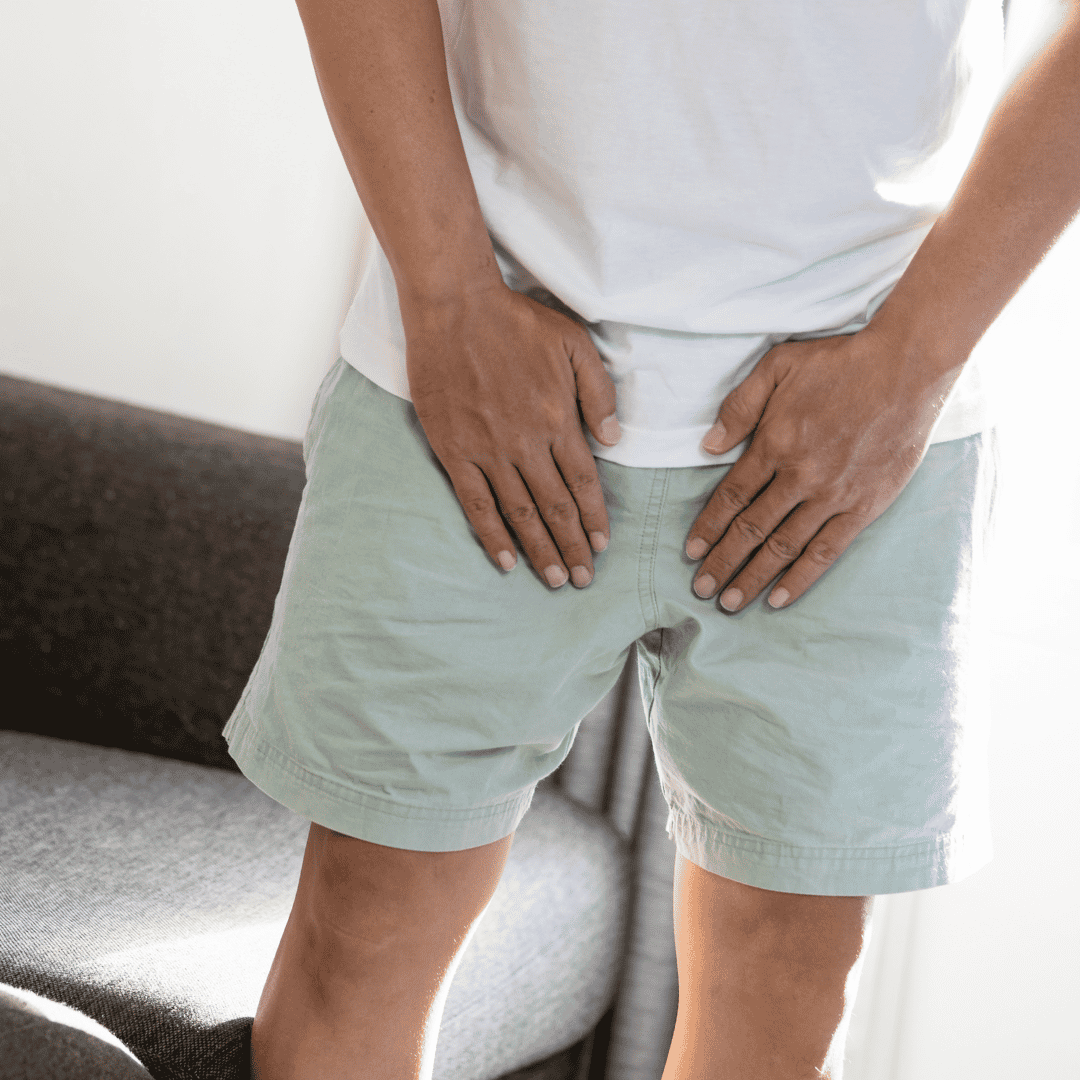
An inguinal hernia occurs when tissue, such as part of the intestine, protrudes through a weak spot in the abdominal muscles. The resulting bulge can be painful, especially when you cough, bend over, or lift a heavy object. For many patients, the initial symptoms are subtle, often manifesting as a dull ache or a feeling of heaviness in the groin area.
Over time, however, the symptoms of an inguinal hernia in men and women can escalate dramatically. What starts as a minor inconvenience can quickly evolve into debilitating pain that prevents you from enjoying daily activities. Simple tasks like carrying groceries, playing with your children, or engaging in your regular gym routine become daunting physical challenges.
Many patients endure this discomfort for months or even years, fearing the supposed long recovery times associated with traditional surgical interventions. They rely on temporary fixes like hernia belts or restrictive garments, which do nothing to repair the underlying structural defect. As noted in the video at , the constant fear of the hernia worsening creates a significant psychological burden alongside the physical pain.
Recognizing the Early Warning Signs
Early detection is vital for preventing serious complications. A visible bulge on either side of your pubic bone is the most obvious indicator. This bulge typically becomes more pronounced when you stand upright or strain your core muscles.
You may also experience a burning or gurgling sensation at the site of the bulge. Some patients report sharp, shooting pains that radiate down into the leg or scrotum. If you are experiencing groin pain when lifting weights or during bowel movements, it is imperative to consult a medical professional to discuss minimally invasive hernia repair options.
What Are Laparoscopic Solutions for Hernia Repair?
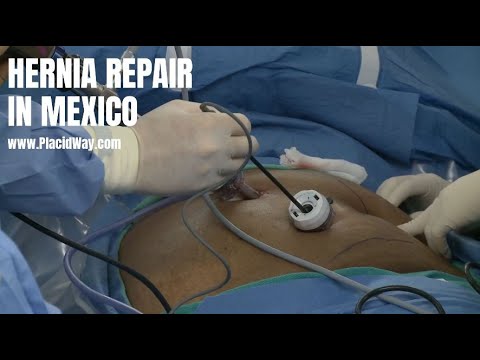
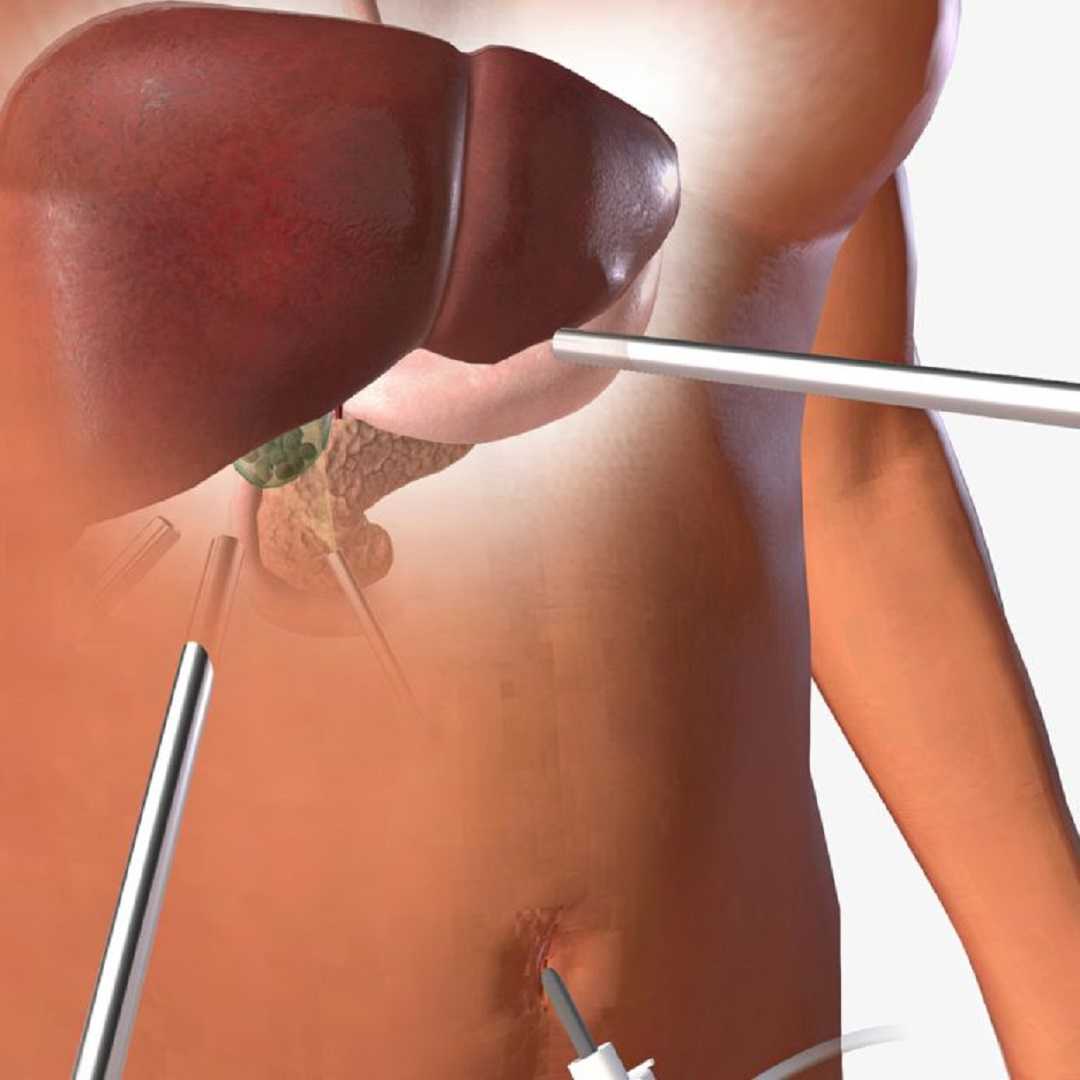
Laparoscopic inguinal hernia surgery is a highly advanced, minimally invasive procedure designed to push the protruding tissue back into place and strengthen the abdominal wall. Unlike traditional open surgery, which requires a large incision across the groin, the laparoscopic approach utilizes three tiny keyhole incisions.
Through one of these small incisions, the surgeon inserts a laparoscope—a thin, flexible tube equipped with a high-definition camera and a light source. This camera projects a magnified view of the patient's internal anatomy onto monitors in the operating room. The surgeon then uses specialized micro-instruments inserted through the other incisions to perform the delicate repair work.
To reinforce the weakened abdominal wall, the surgeon places a synthetic, biocompatible mesh over the defect. This mesh acts as a durable scaffold, allowing the body's natural tissues to grow into it over time. The result is a highly secure, tension-free repair that drastically reduces the chances of the hernia recurring in the future.
TAPP vs. TEP Laparoscopic Techniques
There are two primary techniques used in modern laparoscopic hernia repair: Transabdominal Preperitoneal (TAPP) and Totally Extraperitoneal (TEP). Both methods have incredibly high success rates and share the goal of achieving a tension-free mesh placement.
In the TAPP procedure, the surgeon enters the peritoneal cavity (the space containing the abdominal organs) to access the hernia from the inside. The peritoneum is carefully peeled back, the mesh is placed over the muscle defect, and the peritoneum is then sutured or tacked closed to cover the mesh.
Conversely, the TEP approach never breaches the peritoneal cavity. Instead, the surgeon creates a working space between the muscle layers and the peritoneum using a specialized balloon. This technique is often preferred for bilateral inguinal hernias, as both sides can be repaired through the same small incisions without entering the main abdominal cavity.
Comparing Open Surgery vs. Laparoscopic Hernia Repair
When researching the best hernia surgeons abroad or at home, patients frequently ask about the differences between open and laparoscopic procedures. While open surgery is a proven and effective method, it comes with a significantly larger incision and a higher risk of post-operative chronic pain.
Laparoscopic surgery is often considered the gold standard for recurrent hernias and double inguinal hernia repairs. Because the surgeon approaches the defect from behind the abdominal wall, they can easily view and repair both the left and right sides without needing additional incisions.
| Feature | Open Hernia Surgery | Laparoscopic Hernia Surgery |
|---|---|---|
| Incision Size | Single large incision (3-6 inches). | Three tiny keyhole incisions (0.5-1 cm each). |
| Recovery Time | 4 to 6 weeks for full activity. | 1 to 3 weeks for full activity. |
| Post-Op Pain | Moderate to severe in the first few days. | Minimal to mild discomfort. |
| Scarring | Noticeable linear scar in the groin. | Barely visible micro-scars. |
| Best Suited For | Patients with prior complex abdominal surgeries. | Bilateral hernias, recurrent hernias, and active individuals. |
A Deep Dive into the Inguinal Hernia Surgery Testimonial
Real patient experiences provide the most valuable insights into the realities of undergoing surgery. In the featured video, the patient shares a compelling journey from chronic discomfort to complete physical restoration. At , the patient details the sheer frustration of having to abandon their favorite sports and hobbies due to the constant threat of the hernia enlarging.
The turning point for many patients is realizing that their quality of life has fundamentally degraded. The patient describes the extensive research process involved in finding the right medical solution. This included comparing the average cost of laparoscopic hernia surgery locally versus exploring high-quality medical tourism options through specialized providers.
By , the video delves into the comprehensive consultation process. The patient highlights the professionalism of the surgical team, who took the time to explain the precise mechanics of the mesh placement. Understanding the science behind the tension-free repair significantly alleviated the patient's pre-surgery anxiety.
The Day of Surgery and Immediate Aftermath
One of the most remarkable aspects of this inguinal hernia surgery testimonial is the description of the post-anesthesia experience. As mentioned at , the patient woke up in the recovery room expecting severe pain but was pleasantly surprised by the lack of discomfort. Thanks to the minimally invasive nature of the laparoscopy, the trauma to the surrounding muscles was virtually non-existent.
The patient was able to stand up and walk around the hospital ward on the very same day. This rapid mobilization is a hallmark of laparoscopic solutions and is crucial for preventing post-operative complications such as deep vein thrombosis. The small incisions were covered with simple waterproof dressings, allowing the patient to shower safely within 48 hours.
The Step-by-Step Hernia Surgery Recovery Timeline
Understanding how long it takes to recover from laparoscopic hernia surgery helps patients plan their personal and professional lives. While individual healing rates vary based on age, overall health, and the complexity of the repair, the laparoscopic approach generally follows a predictable and swift recovery trajectory.
During the initial phase, patients are encouraged to listen strictly to their body's signals. Returning to work after hernia surgery is a major concern, but desk-bound employees often find themselves back at the office within a matter of days.
- ? Days 1 to 3 (Immediate Recovery): You will likely experience mild soreness and bruising around the incision sites. Over-the-counter pain relievers are usually sufficient. Light walking is highly encouraged to promote blood circulation and reduce gas pains caused by the carbon dioxide used to inflate the abdomen during surgery.
- ? Days 4 to 7 (Regaining Independence): By the end of the first week, most patients are off all pain medication. You can resume driving once you are no longer taking narcotics and can comfortably press the brake pedal without hesitation. Returning to a desk job or remote work is entirely feasible during this window.
- ? Weeks 2 to 3 (Gradual Activity Increase): The internal mesh begins to integrate firmly with your abdominal tissues. You can engage in light cardiovascular exercises like stationary biking, swimming, or brisk walking. However, strict restrictions on heavy lifting (anything over 15 pounds) remain in place to protect the surgical site.
- ? Weeks 4 to 6 (Full Clearance): At this stage, your surgeon will likely clear you to resume all normal activities. This includes heavy weightlifting, high-intensity interval training, contact sports, and strenuous manual labor. The hernia repair is now considered fully stabilized.
The Severe Risks of Delaying Inguinal Hernia Treatment
A common misconception is that a painless hernia can be safely ignored. Unfortunately, hernias do not heal on their own; they only grow larger as the abdominal wall weakens further. Postponing surgery out of fear or financial concerns places you at a significant risk for life-threatening complications.
The most immediate danger is an incarcerated hernia. This occurs when the protruding intestine becomes trapped in the abdominal wall defect and cannot be massaged back into the abdominal cavity. An incarcerated hernia can quickly escalate into a strangulated hernia, which is an absolute medical emergency.
The symptoms of a strangulated hernia include sudden and severe abdominal pain, nausea, vomiting, fever, and a hernia bulge that turns red, purple, or dark. Strangulation cuts off the blood supply to the trapped intestine, leading to tissue death (necrosis) within a matter of hours. Treating a strangulated hernia requires emergency open surgery, bowel resection, and a vastly prolonged and complicated recovery period.
The Financial Advantage of Medical Tourism for Hernia Repair
For uninsured or underinsured patients in countries like the United States, the out-of-pocket cost for a laparoscopic hernia repair can be staggeringly high, often exceeding $10,000 to $15,000. This financial barrier forces many individuals to live with chronic pain indefinitely.
However, the landscape of global healthcare has shifted dramatically. Thousands of patients are now leveraging medical tourism to access world-class surgical care at a fraction of the domestic price. Destinations in Latin America, Europe, and Asia boast internationally accredited hospitals equipped with the latest laparoscopic technology.
By partnering with specialized medical tourism facilitators like PlacidWay, patients can secure all-inclusive surgical packages. These packages typically cover the surgeon's fees, anesthesia, high-grade mesh materials, hospital stay, pre-operative blood work, and even ground transportation. Patients save up to 60-70% on their procedure without sacrificing the quality or safety of their care.
Selecting the Right Surgeon for Your Laparoscopic Repair
The success of your inguinal hernia surgery relies heavily on the skill and experience of your chosen surgeon. Laparoscopic techniques require a steep learning curve and precise hand-eye coordination. It is crucial to select a board-certified general surgeon who specializes specifically in minimally invasive hernia repairs.
When evaluating potential surgeons abroad, inquire about their specific case volume. A high-volume hernia specialist will have performed hundreds, if not thousands, of successful TAPP and TEP procedures. Furthermore, check for international affiliations, such as memberships in the American Hernia Society or the European Hernia Society, which indicate a commitment to global best practices.
Do not hesitate to request your own video consultations prior to booking your trip. Speaking directly with the medical team allows you to gauge their communication style, review the specific type of mesh they intend to use, and discuss tailored post-operative pain management protocols. A transparent, patient-centric approach is the hallmark of a premier surgical center.
Ready to Reclaim Your Active Life?
Don't let hernia pain hold you back any longer. PlacidWay connects you with globally recognized, board-certified surgeons offering highly affordable, state-of-the-art laparoscopic hernia repair packages. Experience world-class care, faster recovery, and absolute peace of mind.
REQUEST YOUR FREE CUSTOM QUOTE NOW


.jpg)











Share this listing