



For many uninsured or underinsured North Americans, a sudden medical diagnosis brings not just physical discomfort, but intense financial anxiety. Pursuing affordable hernia surgery in Mexico has quickly transformed from a niche alternative into a mainstream strategy for individuals looking to escape overwhelming stateside medical debt. By exploring cross-border healthcare options, patients frequently discover that they can receive top-tier medical interventions without draining their life savings or taking on high-interest loans.
Approaching an international medical journey requires careful consideration and thorough planning to ensure clinical safety and optimal outcomes. The landscape of medical tourism in Mexico is highly developed, catering explicitly to international patients who demand rigorous clinical standards and modern facilities. This comprehensive overview explores the practical steps, financial expectations, and clinical realities of securing quality hernia repair abroad.
Mexico routinely hosts over a million international patients annually, solidifying its reputation as one of the top destinations globally for elective and necessary medical procedures.
- High-quality medical infrastructure heavily mirrors North American clinical environments.
- Surgical pathways are designed to prioritize both rapid intervention and patient comfort.
- Care protocols generally focus on minimally invasive techniques to accelerate recovery.
Common Types of Procedures for Hernia Surgery in Mexico
A hernia occurs when an internal organ or fatty tissue squeezes through a weak spot in the surrounding muscle or connective tissue. When patients consult with hernia clinics in Mexico, they typically present with one of several distinct anatomical variations, each requiring a tailored surgical approach. Accurate diagnosis is the critical first step, as the location and severity of the protrusion dictate the surgical technique required to restore the abdominal wall's integrity.
Experienced surgeons abroad are well-versed in addressing the full spectrum of abdominal wall defects. Whether treating a minor, newly developed protrusion or a complex, recurrent issue, modern facilities utilize advanced diagnostic imaging to map the surgical field. Understanding the specific type of hernia you have is essential for realistic pre-trip budgeting and medical planning.
Always obtain a recent ultrasound or CT scan from your local doctor to send to your prospective international surgeon for a precise, preliminary surgical assessment.
- Inguinal Hernia: The most frequent variation, occurring primarily in the inner groin region.
- Umbilical Hernia: Generally presents as a bulge near the navel, frequently related to previous pregnancies or excess abdominal weight.
- Hiatal Hernia: Occurs internally when the upper stomach pushes through the diaphragm, often requiring specialized surgical intervention.
- Incisional/Ventral Hernia: Typically forms at the site of a previous abdominal surgical scar due to weakened tissue healing.
Primary Benefits of Choosing Hernia Surgery in Mexico
The decision to cross international borders for surgery is typically driven by a convergence of high healthcare costs at home and the accessibility of quality care abroad. The most prominent benefit of pursuing an affordable hernia repair in Mexico is the dramatic reduction in out-of-pocket expenses without sacrificing clinical safety. This financial relief allows patients to undergo necessary procedures before their condition deteriorates and causes more severe, emergency complications.
Beyond the cost factor, efficiency plays a massive role in patient satisfaction. In many nationalized or heavily burdened healthcare systems, wait times for elective joint and abdominal surgeries can span several months to over a year. Private medical centers catering to international patients typically offer highly expedited scheduling, allowing individuals to address their pain and regain their mobility within weeks.
Inguinal hernias account for roughly 75% of all abdominal wall hernias, making them the most commonly performed abdominal surgery globally.
- Access to board-certified specialists with extensive international training.
- Transparent, all-inclusive pricing structures that eliminate surprise medical billing.
- State-of-the-art medical technology comparable to facilities in the US and Canada.
Cost Comparison for Affordable Hernia Surgery in Mexico
Understanding the financial dynamics is often the most pressing concern for prospective patients. When evaluating the hernia surgery cost in Mexico, it is vital to request comprehensive quotes that encompass the surgeon's fees, anesthesia, operating room time, the surgical mesh, and immediate post-operative care. This transparency starkly contrasts with the highly fragmented and confusing billing practices commonly experienced in the United States healthcare system.
While prices will naturally fluctuate based on the specific city, the clinic's prestige, and the complexity of the patient's individual anatomy, the overall savings are generally substantial. This cost discrepancy is largely driven by lower administrative overhead, favorable currency exchange rates, and a lower cost of living, rather than a reduction in medical material quality. Below is an estimated market comparison to assist in budgeting your medical journey.
Be cautious of healthcare quotes that appear exceptionally far below the market average. Unusually low prices may indicate hidden fees, outdated surgical materials, or operations performed in non-accredited clinical environments.
| Procedure Name | Average Cost in Mexico (USD) | Estimated Cost in US/Canada (USD) |
|---|---|---|
| Inguinal Hernia Repair (Laparoscopic) | $3,500 - $4,800 | $10,000 - $18,000 |
| Umbilical Hernia Repair | $3,200 - $4,500 | $9,000 - $15,000 |
| Hiatal Hernia Repair (Nissen Fundoplication) | $5,500 - $7,500 | $18,000 - $30,000 |
| Complex Ventral/Incisional Repair | $4,500 - $6,500 | $15,000 - $25,000 |
Pre-Operative Preparation for Hernia Clinics in Mexico
A successful surgical outcome is heavily reliant on thorough preparation long before you board a plane. Patients preparing for medical tourism in Mexico must engage in a detailed medical history exchange with their prospective overseas clinical team. This involves fully disclosing pre-existing conditions, lifestyle habits like smoking, and providing a comprehensive list of all current prescription medications and over-the-counter supplements.
Most reputable surgeons will mandate specific pre-operative blood panels and cardiovascular clearance, especially for patients over a certain age. To prevent complications during anesthesia, you may be instructed to cease taking blood-thinning medications several days prior to the procedure. Following these pre-surgical guidelines strictly is generally essential for ensuring your body is in the optimal state for operative stress.
Tobacco use significantly constricts blood vessels and impedes oxygen flow, which can critically delay wound healing and increase the risk of hernia recurrence post-surgery.
- Complete all requested local lab work at least two weeks before traveling.
- Optimize your pre-surgical diet by increasing lean proteins to support tissue healing.
- Arrange your home environment to minimize bending and lifting upon your return.
The Standard Patient Timeline for Hernia Surgery in Mexico
Establishing realistic logistical expectations helps mitigate the natural anxiety associated with receiving medical care abroad. The standard trajectory for hernia surgery in Mexico generally encompasses a structured 5 to 7-day itinerary, designed to prioritize patient safety over rapid turnaround. This measured approach ensures that the patient is medically stable and cleared by the surgical team before undertaking the physical rigors of international travel.
Upon arrival, the first day is typically dedicated to an in-person surgical consultation, reviewing final consent forms, and conducting any last-minute blood work. The surgery occurs the following day, followed by either a brief outpatient recovery or an overnight hospital stay, depending on the procedure's complexity. The remaining days are spent resting locally, attending a final follow-up appointment, and receiving clearance to fly or drive home.
Digital health platforms and telemedicine now allow international surgeons to conduct highly detailed pre-operative consultations, smoothing the transition for cross-border patients.
- Day 1: Arrival, hotel check-in, and pre-operative clinical consultation.
- Day 2: Surgical procedure and immediate post-operative monitoring.
- Days 3-5: Rest, light walking, and initial pain management.
- Day 6: Final surgical review, drain removal if necessary, and medical clearance.
Minimally Invasive Techniques for Hernia Repair in Mexico
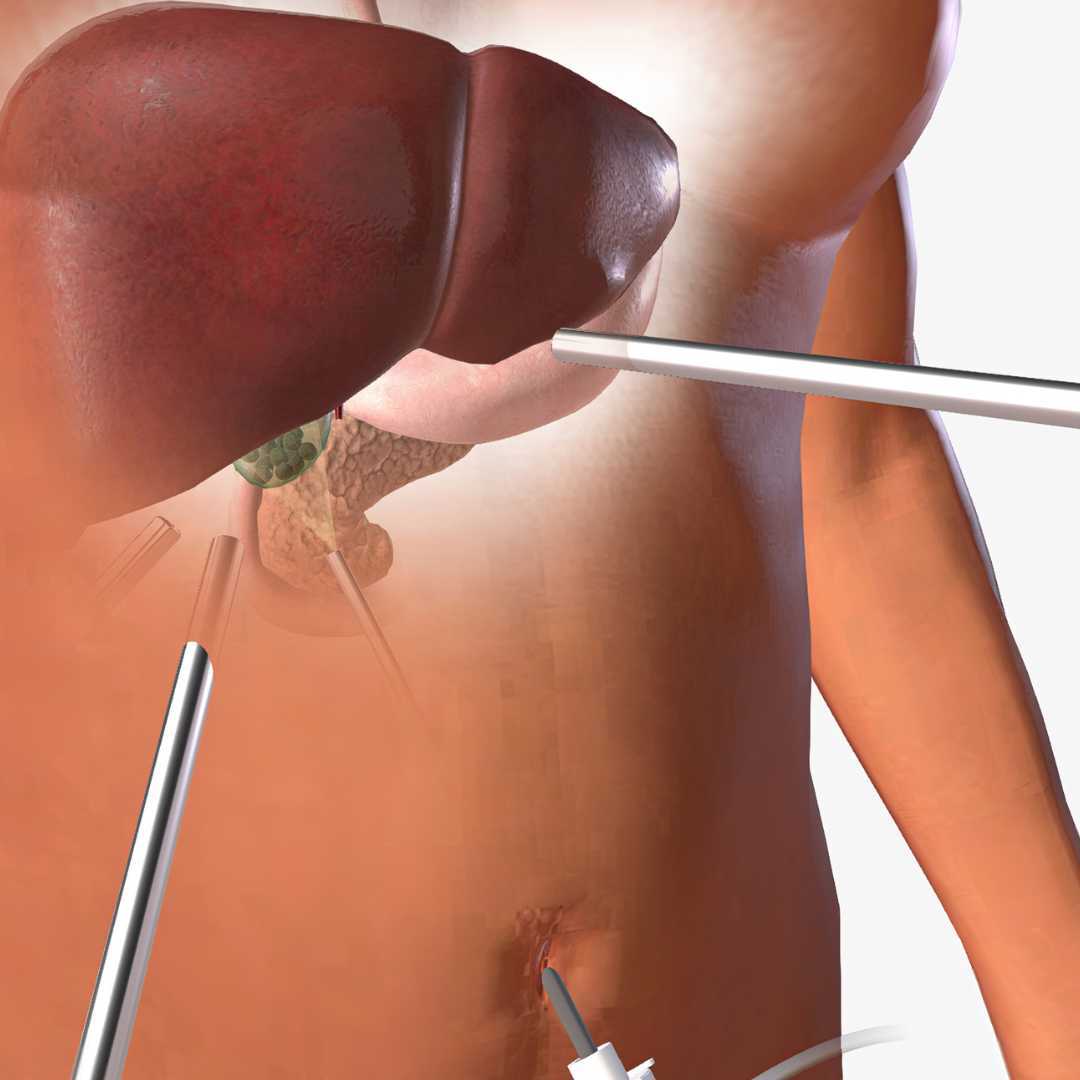
Advancements in surgical technology have profoundly shifted how abdominal defects are repaired. Leading hernia clinics in Mexico predominantly favor laparoscopic (minimally invasive) techniques over traditional open surgery whenever clinically viable. Laparoscopy involves utilizing a tiny camera and specialized, elongated instruments inserted through several small, keyhole-sized incisions to repair the internal defect.
This approach is generally preferred by both patients and surgeons because it typically causes significantly less trauma to the surrounding muscle tissue. The use of modern, FDA-approved synthetic meshes to reinforce the weakened abdominal wall is a global standard that helps distribute abdominal tension and greatly minimizes the risk of future recurrences. The surgical team will carefully select the specific technique based on your unique anatomical presentation.
Discuss your cosmetic concerns with your surgeon beforehand; laparoscopic incisions typically result in minimal scarring that fades significantly over time.
- Laparoscopic procedures generally result in substantially less post-operative pain.
- Patients frequently experience a much faster return to routine daily activities.
- Smaller surgical wounds typically carry a lower risk of post-operative infections.
Selecting Top Specialists for Hernia Surgery in Mexico
The success and longevity of your surgical outcome are directly tied to the skill and experience of the operating physician. When researching top hernia surgeons in Mexico, prospective patients must prioritize medical professionals who possess robust credentials, including board certifications in general or abdominal surgery. It is highly advantageous to seek out surgeons who maintain active memberships in recognized international surgical societies.
Transparency is a hallmark of high-quality medical care. A reputable international surgeon will openly share their educational background, their complication rates, and their specific experience with the type of procedure you require. Engaging in a thorough vetting process generally ensures that you are placing your health in the hands of a highly qualified medical professional who adheres to strict clinical guidelines.
Studies suggest that surgeons who perform high volumes of specific hernia repairs (over 50 annually) generally have notably lower patient complication and recurrence rates.
- Verify the surgeon's active medical license through official national registries.
- Inquire about the specific brands and origin of the surgical mesh they utilize.
- Request to review anonymized before-and-after case studies of similar previous patients.
Hospital Standards for Medical Tourism in Mexico
The environment in which your surgery is performed is just as critical as the hands performing it. Premier facilities catering to medical tourism in Mexico operate within rigorous safety frameworks designed to prevent healthcare-associated infections and manage unexpected clinical emergencies. These hospitals are typically equipped with advanced intensive care units, fully sterilized operating theaters, and sophisticated imaging departments.
When selecting a clinic, patients should look for clear evidence of independent, third-party accreditation. Recognition from entities like the Joint Commission International (JCI) or the General Health Council of Mexico (CSG) serves as a powerful indicator of a facility’s commitment to excellence. These organizations audit hospitals on hundreds of safety metrics, ensuring that international standards of care are consistently met.
JCI-accredited facilities are required to adhere to the exact same rigorous safety, hygiene, and patient privacy protocols as top-tier hospitals located in the United States.
- Strict adherence to advanced sterilization protocols for all surgical instruments.
- Employment of highly trained, specialized anesthesiologists for patient monitoring.
- Comprehensive emergency protocols established for immediate response to rare surgical complications.
Managing Post-Operative Recovery for Hernia Surgery in Mexico
The immediate days following abdominal intervention require strict adherence to post-operative guidelines to ensure the surgical mesh integrates properly with your natural tissue. Patients recovering from hernia surgery in Mexico are typically prescribed a tailored regimen of pain relievers and anti-inflammatory medications. While mild to moderate discomfort and localized swelling are normal, severe pain is uncommon with modern laparoscopic techniques.
Protecting the surgical site is the primary goal during early recovery. Patients are generally advised to physically support their abdomen with a pillow when coughing, sneezing, or laughing to prevent undue stress on the internal sutures. While early, gentle walking is highly encouraged to promote healthy blood circulation, strenuous activities and heavy lifting are strictly contraindicated for several weeks.
Pack loose, highly breathable clothing with elastic waistbands, such as sweatpants, to avoid putting pressure directly on your abdominal incisions during your trip home.
- Keep the incision sites clean and dry according to the nurse's instructions.
- Eat small, frequent, high-fiber meals to prevent post-surgical constipation and straining.
- Never attempt to lift luggage or heavy bags during your return travel; always seek assistance.
Cross-Border Travel Logistics for Hernia Surgery in Mexico
Successfully navigating international travel while recovering from surgery requires meticulous pre-planning. When organizing your logistics for medical tourism in Mexico, factoring in your temporarily restricted mobility is crucial. Most patients opt for specialized medical transport services or direct flights to minimize the physical stress of layovers and lengthy border crossings.
Ensure that all personal documentation is current and that you carry comprehensive, printed copies of your medical records. Having physical copies of your surgical report, the specific details of the mesh implanted, and your prescribed medication list ensures that both transport authorities and your local physician have immediate access to vital information. Arriving prepared typically guarantees a smooth, low-stress transition back to your home environment.
Airlines generally offer complementary wheelchair assistance through the terminal; this service must usually be booked at least 48 hours prior to your scheduled flight.
- Verify that your passport is valid for at least six months past your travel dates.
- Communicate your recent surgical status to flight attendants for necessary accommodations.
- Plan to have a friend or family member drive you home from your local arrival airport.
Patient Success Stories for Hernia Surgery in Mexico
Exploring the journeys of previous patients can provide invaluable context and reassurance for those considering international care. Firsthand accounts regarding affordable hernia surgery in Mexico frequently highlight the exceptional level of personalized nursing care and the profound relief of finally addressing chronic pain. These stories generally underscore the positive outcomes achievable through diligent research and preparation.
While every medical journey is deeply personal and dependent on individual health factors, common themes of clinical professionalism, financial relief, and swift recoveries emerge frequently. The following summaries reflect the typical experiences reported by well-prepared international medical tourists.
Overcoming Financial Barriers
Facing a $15,000 quote in the US, Mark sought a laparoscopic inguinal repair in Monterrey. He noted the state-of-the-art facility and experienced an uncomplicated recovery, allowing him to return to his office job entirely pain-free within two weeks.
A Seamless Bilingual Experience
Sarah traveled across the border for a complex hiatal procedure. She was particularly impressed by the clear, English-speaking communication from her entire surgical team, which alleviated her pre-operative anxiety and ensured she fully understood her care plan.
High Standards of Care
James, an active athlete, required a prompt umbilical repair to resume training. He praised the modern surgical techniques utilized by his board-certified specialist, reporting that his meticulously executed surgery resulted in minimal scarring and a strong, stable core.
Regaining Independence
Linda had suffered from a painful incisional hernia for years. By choosing an accredited facility abroad, she secured top-tier intervention at a fraction of the cost, noting that the attentive post-operative nursing care made her recovery incredibly comfortable.
How PlacidWay Facilitates Your Hernia Surgery in Mexico
Coordinating major medical interventions in a foreign country can be a complex and intimidating undertaking. For patients seeking hernia clinics in Mexico, navigating medical credentials, requesting international quotes, and securely transferring private medical records requires significant administrative effort. Utilizing professional facilitation services generally ensures a more organized and secure healthcare experience.
PlacidWay serves as a crucial bridge, connecting international patients with carefully evaluated healthcare institutions worldwide. By streamlining the complex logistics of medical tourism, patients can dedicate their full focus and energy to their physical preparation and post-surgical healing.
Working with an established medical tourism facilitator typically saves patients dozens of hours of independent research and helps bypass common language and communication barriers.
- Providing access to an extensive, curated network of globally accredited hospitals and board-certified surgeons.
- Facilitating the secure, rapid transfer of digital medical records and imaging to prospective clinical teams for accurate evaluation.
- Assisting with the acquisition of transparent, comprehensive medical estimates to support precise patient budgeting.
- Offering dedicated coordination support to maintain clear, continuous communication between the patient and the medical provider.
Frequently Asked Questions About Hernia Surgery in Mexico
When preparing for medical travel, asking detailed questions is a sign of an engaged and proactive patient. Prospective medical tourists evaluating hernia repair in Mexico often share similar concerns regarding clinical safety, logistical requirements, and specific recovery timelines.
Addressing these common inquiries helps build confidence and ensures that individuals are making fully informed, health-focused decisions. Below are straightforward answers to the most common questions surrounding international abdominal surgery.
When advanced, tension-free surgical mesh techniques are utilized by experienced specialists, the long-term recurrence rate for standard hernias typically drops to below 5%.
The overall cost generally ranges from $3,500 to $6,000 depending on the complexity of the hernia and the surgical technique used. This typically represents a savings of 60% to 80% compared to standard out-of-pocket costs in the United States.
Yes, top orthopedic and general surgeons in Mexico frequently utilize advanced laparoscopic techniques. This minimally invasive approach generally results in smaller incisions, reduced post-operative pain, and faster recovery times.
Most surgeons advise patients to remain in the country for 4 to 7 days post-surgery. This timeframe allows the medical staff to monitor your initial healing and remove any surgical drains or sutures before you travel.
Reputable healthcare providers typically use FDA-approved, globally recognized surgical mesh made from synthetic materials like polypropylene. The exact type of mesh is selected based on the patient's anatomical needs to minimize the risk of rejection or recurrence.
Facilities catering to international medical tourists purposefully employ bilingual surgeons, nurses, and coordinators. This ensures that clinical instructions, consent forms, and recovery guidelines are completely understood by English-speaking patients.
Citizens of the United States and Canada typically do not require a special medical visa for trips shorter than 180 days; a standard valid passport is usually sufficient. However, it is always recommended to check current border requirements prior to departure.
Patients are encouraged to secure a local primary care physician who is aware of their upcoming surgery abroad. Mexican clinics typically provide comprehensive, translated digital medical records to facilitate a smooth transition of post-operative care.
As with any surgical intervention, general risks include infection, bleeding, and adverse reactions to anesthesia. Choosing board-certified surgeons operating in accredited facilities significantly helps to mitigate these typical clinical risks.
While it is technically possible to travel alone, it is highly recommended to bring a companion to assist with luggage and personal care during the immediate recovery days. The temporary mobility restrictions post-surgery can make independent travel quite challenging.
Patients are generally encouraged to do light walking immediately after surgery, but heavy lifting and strenuous exercise are strictly prohibited for 4 to 6 weeks. Your surgical team will provide a specific timeline based on your individual healing progress.
Ready to explore your options for safe, affordable medical care? Contact PlacidWay today for assistance with your medical journey.
References
- Mayo Clinic. (2026). Hernia - Symptoms and causes. https://www.mayoclinic.org/
- WebMD. (2026). Understanding Hernia Basics. https://www.webmd.com/
- PubMed. (2026). Outcomes of Laparoscopic vs Open Hernia Repair. https://pubmed.ncbi.nlm.nih.gov/
- World Health Organization. (2026). Global surgical guidelines and safety. https://www.who.int/
.jpg)






.jpg)
.png)










Share this listing