



Comprehensive Hiatal Hernia Surgery in Piedras Negras, Mexico
Choosing an effective Hiatal Hernia Surgery in Piedras Negras, Mexico, provides patients with a permanent solution to chronic acid reflux and hiatal hernia symptoms without the exorbitant costs associated with healthcare in the United States or Canada. Located directly across the border from Eagle Pass, Texas, Piedras Negras has emerged as a premier destination for medical tourism, offering state-of-the-art facilities and board-certified surgeons who specialize in minimally invasive laparoscopic procedures. Patients seeking relief from Gastroesophageal Reflux Disease (GERD) can access world-class medical attention that adheres to strict international safety standards while enjoying significant financial savings.
The decision to undergo hiatal hernia repair in Piedras Negras is often driven by the combination of accessibility, affordability, and high-quality surgical outcomes. Medical tourists can easily drive across the border, eliminating the need for expensive long-haul flights often required for other overseas destinations. Furthermore, the medical community in this border city understands the needs of international patients, providing English-speaking staff and personalized care plans. By choosing this destination, you are prioritizing your health and well-being with a healthcare package designed to offer a seamless, comfortable, and successful surgical experience.
Key Benefits of Choosing Anti-Reflux Surgery in Piedras Negras
- Significant Cost Reduction: Patients can expect to save up to 70% on surgical costs compared to US prices, making high-quality hiatal hernia repair accessible to those without comprehensive insurance coverage.
- Geographic Convenience: Located right on the Texas-Mexico border, Piedras Negras allows for easy drive-in access, reducing travel stress and eliminating airfare costs for patients coming from the Southern United States.
- Minimally Invasive Techniques: Surgeons in Piedras Negras utilize advanced laparoscopic technology, ensuring smaller incisions, reduced post-operative pain, and a much faster recovery time for patients.
- Experienced Medical Teams: The city boasts specialists who are frequently trained internationally and are accustomed to treating cross-border patients with the highest standards of medical ethics and care.
- Comprehensive Care Packages: Treatment packages are designed to be all-inclusive regarding medical fees, minimizing out-of-pocket surprises and simplifying the financial aspect of your medical journey.
Cost Analysis for Hiatal Hernia Repair in Piedras Negras vs. Other Regions
One of the primary motivators for international patients is the affordable cost of Hiatal Hernia Surgery in Piedras Negras, Mexico. While quality and safety remain paramount, the lower cost of living and overhead expenses in Mexico allow medical centers to offer premium surgical services at a fraction of the price found in North America. Typically, a patient can secure a full surgical package here for a price that is significantly lower than just the facility fee in an American hospital. This financial advantage allows patients to focus on their recovery rather than the burden of medical debt.
| Destination | Average Procedure Cost | Estimated Savings |
|---|---|---|
| Piedras Negras, Mexico | $4,500 - $6,500 | - |
| United States | $15,000 - $25,000 | 70% - 80% |
| Canada | $12,000 - $18,000 | 60% - 70% |
*Note: Prices mentioned above are estimates and may vary based on the complexity of the hernia, the specific surgical technique used (e.g., Nissen Fundoplication), and individual patient health requirements.
What Is Included in Your Piedras Negras Hiatal Hernia Surgery Package
- Professional Medical Fees: This covers the fees for the lead surgeon, assistant surgeon, and the anesthesiologist for the duration of the procedure.
- Pre-Operative Testing: Essential standard blood work, EKGs, and any necessary chest X-rays required immediately before the surgery to ensure patient safety.
- Hospital Stay & Nursing: Costs associated with the operating room use and a standard overnight hospital stay for observation and recovery monitoring.
- Surgical Supplies & Equipment: Utilization of advanced laparoscopic equipment, surgical mesh (if required for repair), and disposable medical supplies.
- Post-Operative Medication: A starter pack of necessary antibiotics, painkillers, and anti-inflammatory medications required for the immediate days following discharge.
- Medical Consultations: Initial consultation with the specialist upon arrival and follow-up check-ups before you depart Piedras Negras.
What Is Not Included in the Package
- Transportation Costs: Airfare to nearby airports or gas mileage for driving to the border is the responsibility of the patient.
- Accommodation: Hotel stays before admission to the hospital or after discharge are generally not included unless specified in a custom bundle.
- Personal Expenses: Meals for companions, phone calls, laundry services, and any sightseeing activities in Piedras Negras.
- Complications Insurance: Costs related to unforeseen medical complications that may require extended hospital stays or additional procedures.
- Travel Documents: Fees associated with obtaining a passport or visa for entry into Mexico.
- Extended Medication: Long-term prescriptions needed beyond the immediate recovery period pack provided by the clinic.
Understanding Laparoscopic Hiatal Hernia Repair in Piedras Negras
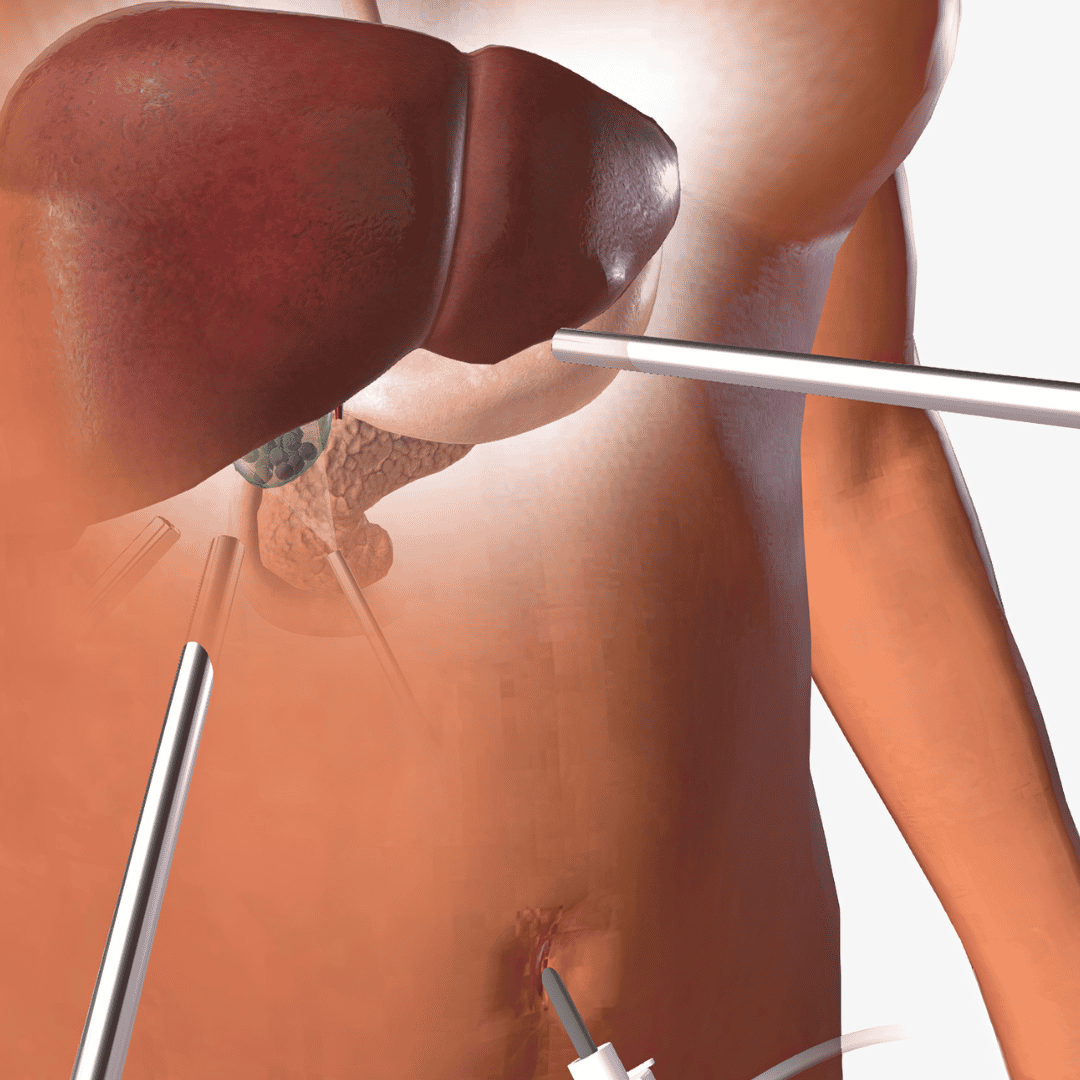
- Procedure Purpose: The primary goal is to pull the stomach back into the abdomen and repair the opening in the diaphragm to prevent acid reflux and restore normal function.
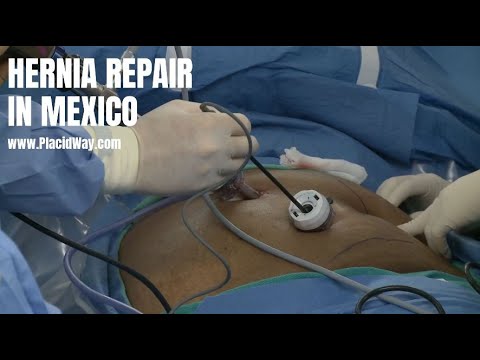
- Surgical Technique: Most surgeries in Piedras Negras are performed laparoscopically, also known as keyhole surgery, which involves making 3 to 5 tiny incisions rather than one large open cut.
- Nissen Fundoplication: Often combined with the hernia repair, this involves wrapping the upper part of the stomach around the lower esophagus to reinforce the sphincter and stop acid from backing up.
- Duration of Surgery: The procedure typically lasts between 2 to 3 hours, depending on the size of the hernia and the amount of scar tissue present.
- Success Rates: This surgery has a very high success rate, with the vast majority of patients experiencing immediate and long-term relief from GERD symptoms and heartburn.
- Hospital Stay: Due to the minimally invasive nature of the technique, patients usually only require a hospital stay of 24 to 48 hours for monitoring.
Who Is the Ideal Candidate for Hiatal Hernia Surgery?
- Persistent Symptoms: Individuals who suffer from severe heartburn, acid reflux, or chest pain that does not improve significantly with medication or lifestyle changes.
- Confirmed Diagnosis: Patients who have had an endoscopy or barium swallow test confirming the presence of a sliding or paraesophageal hiatal hernia.
- Medication Intolerance: Candidates who experience adverse side effects from long-term use of proton pump inhibitors (PPIs) or other acid-suppressing drugs.
- Structural Complications: Those who are experiencing complications such as narrowing of the esophagus (stricture), Barrett’s esophagus, or twisting of the stomach (volvulus).
- General Health Status: Candidates should generally be in good enough health to undergo general anesthesia, with controlled chronic conditions like diabetes or hypertension.
- Commitment to Lifestyle Changes: Ideal patients are those willing to adhere to post-operative dietary restrictions, such as eating smaller meals and avoiding certain foods during recovery.
Day-by-Day Itinerary for Your Hiatal Hernia Procedure in Piedras Negras
- Day 1: Arrival and Evaluation: Arrive in Piedras Negras or cross from Eagle Pass. You will be transported to the clinic for final pre-op blood work, cardiology clearance (if needed), and a consultation with your surgeon to discuss the plan.
- Day 2: Surgery Day: Admission to the hospital in the morning. The laparoscopic hiatal hernia repair is performed under general anesthesia. You will spend the rest of the day in recovery under close nursing supervision.
- Day 3: Hospital Recovery and Discharge: Most patients start a liquid diet and begin walking around the room. If vitals are stable, you will be discharged to your hotel or recovery accommodation in the afternoon.
- Day 4: Rest and Recuperation: A day dedicated to resting at your hotel. It is important to walk gently to prevent blood clots and help with gas pain, but strenuous activity is avoided.
- Day 5: Final Check-up and Departure: A follow-up visit with the surgeon to check incision sites and ensure you are healing well. Once cleared, you can begin your journey back home.
What to Expect from Your Hiatal Hernia Surgery in Piedras Negras
Patients traveling for Hiatal Hernia Surgery in Piedras Negras, Mexico, can expect a professional environment that rivals medical centers in the United States. The hospitals are equipped with modern surgical suites and follow rigorous sterilization protocols. From the moment you arrive, the focus is on patient comfort and clear communication. You should expect the medical staff to be attentive and the surgeons to be approachable, taking the time to explain every aspect of the procedure.
Physically, patients should expect some discomfort immediately following the surgery, primarily in the abdomen and sometimes in the shoulders due to the gas used during laparoscopy. This is normal and temporary. The most significant change to expect is the immediate relief from acid reflux symptoms. However, you must also be prepared for a temporary change in eating habits, starting with liquids and gradually moving to solids over several weeks. This transition period is crucial for the success of the repair and requires patience and discipline.
Post-Hiatal Hernia Surgery Recovery in Piedras Negras
- Dietary Progression: Recovery involves a strict diet starting with clear liquids, moving to full liquids, then soft foods (purees), and finally returning to regular solid foods over a period of 4 to 6 weeks.
- Managing Gas Pain: Shoulder pain caused by residual carbon dioxide gas is common. Walking frequently and avoiding carbonated beverages helps the body absorb the gas faster.
- Incision Care: The small incisions from the laparoscopy require minimal care. Keep them clean and dry. Stitches are usually dissolvable or will be removed by your local doctor if you have returned home.
- Activity Levels: Heavy lifting (anything over 10-15 pounds) must be avoided for at least 6 weeks to prevent straining the repair. Light walking is highly encouraged immediately after surgery.
- Swallowing Difficulties: Some patients experience mild dysphagia (difficulty swallowing) due to swelling around the esophagus. This is typically temporary and resolves as inflammation subsides.
- Long-term Outlook: Most patients can eventually return to a normal diet but may find they feel full faster. The need for acid reflux medication is usually eliminated entirely.
Why Choose Piedras Negras for Your Hernia Repair?
- Border Convenience: For residents of Texas and nearby states, Piedras Negras offers the convenience of driving to your appointment, avoiding the hassle and health risks of air travel.
- Bilingual Medical Community: The close relationship with the US border means that doctors and hospital staff are fluent in English, ensuring no communication barriers regarding your health.
- High Regulatory Standards: Hospitals catering to medical tourists in Piedras Negras are subject to strict health regulations, often partnering with US consultants to maintain high safety protocols.
- No Waiting Lists: Unlike the healthcare systems in Canada or the UK, surgery in Piedras Negras can often be scheduled within weeks of your initial inquiry.
- Cultural Warmth: Mexican healthcare is renowned for its "warm" approach, where doctors and nurses provide a level of personal attention and empathy that is sometimes missing in busy US hospitals.
Explore Piedras Negras While You Recover: Top Attractions
- Plaza de las Culturas: A perfect spot for a gentle recovery walk, this plaza features replicas of ancient Mayan, Olmec, and Aztec pyramids, along with beautiful murals and fountains.
- Mercado Zaragoza: If you are feeling up to it before your surgery or days after, this traditional market offers local crafts, leather goods, and souvenirs in a vibrant but relaxed atmosphere.
- Gran Plaza: Located near the International Bridge, this large square is home to the largest Mexican flag in the country and offers plenty of seating for relaxing outdoors.
- Paseo del Rio: A scenic riverwalk along the Rio Grande that provides a peaceful environment for the light walking recommended by your surgeon to aid in recovery.
- Sanctuary of Guadalupe: A beautiful and serene church that offers a quiet place for reflection and prayer, which many patients find comforting during their medical journey.
FAQs About Hiatal Hernia Surgery in Piedras Negras
1. Is it safe to have hernia surgery in Piedras Negras?
Yes, it is generally very safe. The clinics catering to medical tourists utilize modern technology and adhere to hygiene standards comparable to US facilities. Surgeons are often board-certified and highly experienced.
2. How much can I save by choosing Piedras Negras?
Patients typically save between 60% and 75% compared to US prices. A procedure costing $20,000 in the US might cost around $5,000 to $6,000 in Piedras Negras.
3. Will the surgeons speak English?
Yes, due to the city's location on the border, most specialists and medical staff are bilingual and accustomed to treating American and Canadian patients.
4. Do I need a passport to enter Piedras Negras?
Yes, a valid passport or passport card is required for US citizens to re-enter the United States from Mexico.
5. How long do I need to stay in Piedras Negras?
You should plan to stay for about 4 to 5 days total. This includes the pre-op evaluation, the surgery, hospital stay, and a couple of days for initial recovery and follow-up.
6. Can I drive home after the surgery?
You cannot drive immediately after surgery due to the anesthesia and pain medication. You will need a companion to drive you, or you must arrange for medical transport.
7. What happens if there is a complication?
Reputable surgeons will discuss risks beforehand. In the rare event of a complication, major hospitals in Piedras Negras are equipped to handle emergencies, or patients can be transferred to US hospitals in Eagle Pass if stable.
8. Is the Nissen Fundoplication the only option?
While it is the gold standard, surgeons in Piedras Negras may also perform partial fundoplications (Toupet or Dor) depending on your esophageal motility. This will be decided during your consultation.
9. Will my US insurance cover the surgery in Mexico?
Most domestic US health insurance plans do not cover surgery in Mexico. However, some international PPO plans might. It is best to check with your provider and expect to pay out-of-pocket.
10. How soon can I return to work?
Most patients with desk jobs can return to work in 1 to 2 weeks. Those with physically demanding jobs requiring lifting may need 6 weeks off.
Partner with PlacidWay for Your Medical Journey
PlacidWay is your trusted guide to accessing affordable, high-quality medical care in Piedras Negras. We streamline the process of booking your Hiatal Hernia Surgery so you can focus on healing.
- Vetted Medical Providers: We only partner with certified clinics and experienced surgeons who meet rigorous international standards.
- Transparent Pricing: Get detailed cost breakdowns upfront with no hidden fees, ensuring you know exactly what you are paying for.
- Personalized Coordination: Our team assists in connecting you directly with the doctor for initial consultations and assessments before you travel.
- Patient Advocacy: We support you throughout the entire process, from the first inquiry to post-surgery follow-up, ensuring your voice is heard.
- Customized Solutions: We help tailor medical packages that suit your specific health needs and budget requirements.




.png)
.png)











Share this listing