


An Interview with PlacidWay Founder Pramod Goel: Innovation, Ethics, & Medical Tourism Evolution
Welcome to an exclusive deep dive into the dynamic world of global healthcare globalization. In this comprehensive discussion, we explore an illuminating interview with PlacidWay Founder Pramod Goel regarding innovation, ethics, and medical tourism evolution. As cross-border healthcare transforms from a niche alternative into a mainstream medical strategy, understanding the driving forces behind this global industry is absolutely essential.
Patients worldwide are actively seeking affordable international medical care options, fundamentally pushing the boundaries of traditional healthcare systems. This detailed analysis uncovers how pioneering leadership and technological advancements are democratizing access to life-saving treatments across the globe.
Video Chapters & Quick Navigation
The Genesis of Global Healthcare and Medical Tourism Evolution
The concept of traveling for health and wellness is not a modern invention, though its current iteration is vastly different from historical practices. Centuries ago, individuals would journey across continents to access natural hot springs or seek out specific holistic healers. Today, as noted at in the interview, the global medical travel industry is driven by a quest for high-tech surgical precision and internationally accredited hospitals.
The modern evolution of medical tourism truly accelerated at the turn of the 21st century. Rapid globalization, combined with the exponential rise in domestic healthcare costs in Western nations, created a perfect storm for a new industry. Patients suddenly realized that geographical borders should not dictate the quality or affordability of their medical care.
Key Drivers of International Medical Travel
Several distinct factors have pushed the medical tourism evolution into overdrive over the past two decades. Foremost among these is the undeniable crisis of healthcare affordability in countries like the United States. When life-saving procedures become financially crippling, exploring affordable international medical care options becomes a necessity rather than a luxury.
Additionally, patients in nations with socialized medicine often face unacceptably long wait times for elective or specialized surgeries. Traveling abroad allows these individuals to bypass multi-year waiting lists, directly accessing top-tier surgeons on their own schedule. This empowerment has fundamentally shifted the balance of power from the healthcare provider to the patient.
Pramod Goel's Vision for PlacidWay and Patient Empowerment
At the very heart of the medical tourism evolution stands Pramod Goel, whose visionary approach to global healthcare has reshaped how patients interact with international medical providers. Discussing the origins of his platform at , Goel highlights that PlacidWay was born out of a profound need for transparency. Patients needed a reliable, centralized hub to evaluate their options objectively.
Before the advent of comprehensive medical tourism platforms, patients attempting to seek care abroad were navigating in the dark. Finding verifiable information about a foreign hospital's success rates, surgeon credentials, and hidden costs was a nearly impossible task. Goel recognized that democratizing access to premium medical procedures required a robust, user-friendly digital infrastructure.
Creating a Transparent Global Medical Marketplace
The overarching philosophy driving PlacidWay is the unwavering belief in patient empowerment. By aggregating data on thousands of certified medical centers worldwide, the platform allows users to compare global healthcare solutions side-by-side. This level of transparency forces international providers to remain competitive, naturally elevating the global standard of care.
Empowered patients are fundamentally better patients. When individuals can research their specific condition, compare international treatment protocols, and directly communicate with foreign specialists, they take active ownership of their healing journey. This shift is a defining characteristic of modern global healthcare dynamics.
Technological Innovations Driving the Medical Tourism Industry
Technology is the invisible bridge connecting patients in one hemisphere to world-class surgeons in another. As explored at , technological innovations are the true catalysts making seamless cross-border healthcare possible. Without secure data transmission and high-definition video conferencing, international medical travel would still be fraught with insurmountable logistical barriers.
Telemedicine has entirely revolutionized the pre-surgical consultation process. Patients can now securely upload their MRI scans, blood panels, and comprehensive medical histories to a secure cloud portal. A specialized oncology or orthopedic team in Mexico, Turkey, or Thailand can review these files and conduct a face-to-face virtual consultation before the patient ever books a flight.
Artificial Intelligence and Digital Treatment Planning
Beyond simple communication, artificial intelligence is beginning to play a crucial role in international patient care. AI-driven algorithms assist facilitators in matching specific patient profiles with the most appropriate global specialists. This hyper-personalization ensures that patients are not just finding a good doctor, but finding the exact right doctor for their unique genetic and medical needs.
| Aspect of Care | Traditional Local Healthcare | Digital Medical Tourism |
|---|---|---|
| Consultation Phase | In-person, localized, limited by geographical proximity. | Global telemedicine access, multiple second opinions virtually. |
| Cost Transparency | Often opaque, post-treatment billing surprises. | Upfront global package pricing, inclusive of all major fees. |
| Treatment Access | Restricted by local FDA/regulatory approvals. | Access to globally approved, innovative alternative therapies. |
Navigating the Complex Ethics of Cross-Border Healthcare
With massive industry growth comes the absolute necessity for strict ethical oversight. Addressing the nuanced landscape of international patient care ethics at , Pramod Goel emphasizes that profit must never supersede patient well-being. The commodification of healthcare poses significant ethical risks if not carefully managed by industry leaders.
One of the primary ethical debates within the medical tourism evolution is the concept of "brain drain" versus "brain gain." Critics often worry that international hospitals catering to wealthy foreigners might siphon top medical talent away from local public health systems. However, responsible platforms focus on promoting destination facilities that reinvest their international revenues into improving local community healthcare infrastructure.
Ensuring Transparent Informed Consent Abroad
Informed consent takes on a highly complex dimension when language barriers and differing legal jurisdictions are involved. Ethical medical travel requires robust translation services and culturally competent patient coordinators. Patients must fully comprehend the risks, recovery times, and precise nature of their procedures before signing any documentation in a foreign country.
Furthermore, ethical facilitation companies will actively turn away patients who are not suitable candidates for travel. If an individual's medical condition makes flying post-surgery too dangerous, an ethical medical provider will prioritize the patient's safety over securing a booking. This moral compass is what separates reputable medical tourism facilitators from opportunistic brokers.
Quality Assurance, Global Accreditation, and Patient Safety
The biggest psychological barrier for anyone considering overseas medical care is the fear of subpar safety standards. As highlighted at , establishing rigorous global accreditation protocols has been pivotal in building patient trust. The wild west era of medical tourism has firmly ended, replaced by a highly regulated, internationally monitored healthcare environment.
Facilities catering to international patients now actively seek out the most stringent global certifications available. These exhaustive audits examine everything from the sterilization of surgical instruments to the continuous education of the nursing staff. By achieving these global healthcare industry standards, foreign hospitals prove they meet or exceed the safety metrics of Western institutions.
The Role of the Joint Commission International (JCI)
The Joint Commission International (JCI) remains the gold standard for global hospital accreditation. When a patient sees the JCI seal on a hospital in India, Mexico, or South Korea, they instantly know that facility adheres to strict, standardized safety protocols. PlacidWay and similar industry leaders heavily prioritize promoting hospitals that have successfully navigated these grueling accreditation processes.
- JCI (Joint Commission International): The premier global healthcare accreditation body focusing on rigorous patient safety goals.
- ISO 9001 Certification: Ensures robust quality management systems are effectively implemented across the hospital administration.
- Temos International: Specialized certification specifically focusing on the unique needs and safety of international medical travelers.
The Economic Impact of Healthcare Globalization
The financial ramifications of the medical tourism evolution are truly staggering, creating a unique micro-economy that benefits both the traveler and the host nation. Discussing the financial landscape at , it is clear that cross-border healthcare solutions offer an economic lifeline to uninsured and underinsured patients. Procedures like complex spinal fusions or comprehensive dental rehabilitations can cost upwards of 70% less abroad.
These massive cost savings are not due to inferior materials or poorly trained doctors. Instead, they reflect the lower cost of living, reduced administrative bloat, and favorable exchange rates in destination countries. A patient can often cover the cost of first-class flights, luxury hotel accommodations, and the medical procedure itself for less than the deductible required by their domestic insurance policy.
Boosting Developing Economies Through Medical Travel
For destination countries, incoming medical travelers represent a highly lucrative demographic. These patients inject significant foreign capital directly into the local economy. This influx of revenue allows developing nations to heavily reinvest in their national healthcare infrastructure, purchasing cutting-edge MRI machines and robotic surgical suites that benefit the local populace as well.
Governments in countries like Thailand, Turkey, and Costa Rica have recognized this economic potential and actively subsidize their medical tourism sectors. They streamline medical visa processes, provide tax incentives for hospitals seeking international accreditation, and fund global marketing campaigns. This symbiotic economic relationship is a cornerstone of the medical tourism evolution.
Expanding Access to Specialized and Transformative Treatments
While cost savings initiate many medical travel inquiries, the pursuit of specialized, cutting-edge therapies is an equally powerful motivator. As noted at , patients frequently face stringent regulatory bottlenecks in their home countries. The FDA and similar bodies operate with necessary caution, but their slow approval processes can leave patients with degenerative diseases out of viable options.
Global medical travel democratizes access to transformative treatments that might be perfectly legal and highly regulated in Europe or Asia, but remain tied up in clinical trials in North America. Patients suffering from chronic joint pain, autoimmune disorders, or advanced staged cancers are increasingly looking overseas for innovative hope. They refuse to let bureaucratic red tape dictate their longevity.
Regenerative Medicine and Advanced Stem Cell Therapies
One of the most rapidly expanding sectors within the medical tourism evolution is regenerative medicine. High-quality stem cell treatments, specifically utilizing ethically sourced mesenchymal stem cells, are widely available in nations like Colombia, Mexico, and Germany. These treatments offer profound anti-inflammatory and regenerative properties for patients struggling with conditions like osteoarthritis and multiple sclerosis.
Similarly, alternative oncology treatments that combine conventional chemotherapy with holistic, immune-boosting therapies are highly sought after. Integrative cancer centers in Mexico and Europe offer personalized protocols that focus on treating the entire body, rather than just attacking the tumor. Expanding access to these multidisciplinary approaches is a vital achievement of global healthcare networks.
The Future Landscape of Global Medical Travel
Looking ahead, the trajectory of the global healthcare industry points toward seamless, borderless medical integration. Projecting into the next decade at , Pramod Goel anticipates a world where medical travel is no longer viewed as an alternative option, but as a standard component of comprehensive health management. The stigma of leaving one's home country for surgery is rapidly dissolving.
We are on the cusp of witnessing the deep integration of wearable health technology with international medical networks. Smartwatches and continuous glucose monitors will soon transmit real-time patient data directly to their international medical teams. This continuous loop of biofeedback will allow foreign doctors to monitor their patients' post-operative recovery precisely, regardless of the physical distance between them.
Personalized Medicine on a Global Scale
The ultimate goal of the medical tourism evolution is the realization of true personalized medicine on a global scale. In the near future, genomic sequencing will dictate exactly which international clinic is best suited to treat a patient's specific genetic markers. By combining artificial intelligence, robust ethical frameworks, and visionary leadership, platforms like PlacidWay are steadily building this interconnected global healthcare ecosystem.
Ultimately, the power has shifted permanently into the hands of the consumer. As healthcare globalization continues to mature, it promises a future where everyone, regardless of their zip code, has the fundamental right to access affordable, high-quality, and ethical medical care anywhere in the world.
Ready to Explore Your Global Healthcare Options?
Take control of your medical journey. PlacidWay connects you with globally accredited, world-class medical centers offering innovative treatments at accessible prices. Let us help you navigate the future of global healthcare.
GET A FREE QUOTE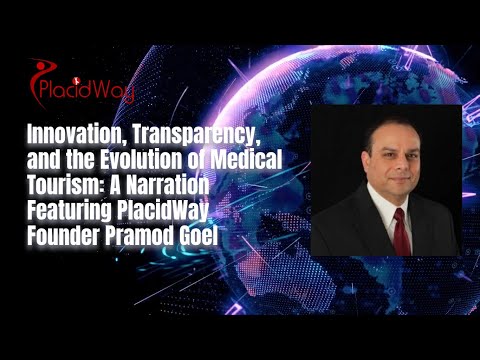





.png)
.png)








Share this listing