


Do You Suffer from Glaucoma? Exploring Advanced Treatments and Global Care Options
Do you suffer from Glaucoma? If you have been diagnosed with this progressive eye condition, you understand the profound anxiety associated with potential vision loss. Often referred to as the silent thief of sight, glaucoma stealthily damages the optic nerve, slowly robbing patients of their independence and visual clarity. For years, patients have relied solely on daily prescription eye drops and localized, often expensive surgeries to manage their intraocular pressure.
Today, the landscape of ocular medicine is rapidly shifting. Groundbreaking advancements in regenerative medicine, minimally invasive glaucoma surgeries (MIGS), and stem cell therapy for optic nerve repair are offering new hope to patients worldwide. Watch to discover how international medical centers are combining state-of-the-art ophthalmic technology with affordable, comprehensive care packages to help you preserve and protect your precious eyesight.
Video Chapters & Quick Navigation
Understanding the Silent Thief of Sight: What is Glaucoma?
Glaucoma is not a single disease, but rather a complex group of related eye conditions that cause progressive damage to the optic nerve. This crucial nerve acts as the primary data cable connecting your eye to your brain, transmitting the visual information necessary for you to see the world around you. When this nerve becomes damaged, typically due to abnormally high pressure within the eye, irreversible vision loss occurs.
The human eye constantly produces a clear fluid known as the aqueous humor, which nourishes the ocular tissues and maintains the eye's shape. In a healthy eye, this fluid flows out through a drainage angle located at the junction of the iris and the cornea. However, as noted at , if this drainage system becomes blocked or inefficient, the fluid builds up, leading to elevated intraocular pressure (IOP).
The Different Types of Glaucoma
To properly treat this condition, an ophthalmologist must first identify the specific type of glaucoma a patient is suffering from. The most prevalent form is Primary Open-Angle Glaucoma, which develops slowly over many years. In this variation, the eye's drainage canals become clogged over time, causing a gradual, almost imperceptible increase in internal eye pressure.
Conversely, Angle-Closure Glaucoma (also known as closed-angle glaucoma) occurs suddenly when the iris bulges forward, rapidly narrowing or completely blocking the drainage angle. This causes a severe and sudden spike in eye pressure, constituting an immediate medical emergency. Another variant, Normal-Tension Glaucoma, damages the optic nerve even when intraocular pressure remains within a statistically normal range, puzzling researchers and requiring highly specialized treatment approaches.
| Glaucoma Type | Onset & Progression | Primary Characteristics |
|---|---|---|
| Open-Angle Glaucoma | Slow and gradual | Clogged drainage canals, painless initial stages. |
| Angle-Closure Glaucoma | Sudden and acute | Blocked drainage angle, severe pain, medical emergency. |
| Normal-Tension Glaucoma | Gradual deterioration | Optic nerve damage despite normal intraocular pressure. |
Recognizing the Early Warning Signs and Symptoms of Glaucoma
The most terrifying aspect of primary open-angle glaucoma is its complete lack of early warning signs. Patients do not experience pain, redness, or immediate vision changes, which is why half of all people living with glaucoma are entirely unaware of their condition. By the time a patient notices a decrease in their vision, irreversible damage to the optic nerve has already occurred.
As the disease progresses, the first noticeable symptom is typically the loss of peripheral (side) vision. Patients often describe this as "tunnel vision," where they can see what is directly in front of them clearly, but the edges of their visual field become dark or blurry. If left entirely untreated, this tunnel vision will eventually close in completely, resulting in total blindness.
Symptoms of Acute Angle-Closure Glaucoma
Unlike its slow-moving counterpart, acute angle-closure glaucoma presents with severe and unmistakable symptoms. As mentioned in the video at , this condition requires immediate intervention to prevent permanent blindness. The rapid accumulation of fluid creates immense pressure, leading to profound physical discomfort.
Patients experiencing an acute attack will typically suffer from sudden, excruciating eye pain accompanied by a severe headache. Other hallmark signs include significantly blurred vision, the appearance of rainbow-colored halos around bright lights, nausea, and vomiting. If you ever experience this combination of symptoms, you must visit an emergency room or an eye specialist immediately.
The Underlying Causes and Risk Factors for Glaucoma
While the direct cause of optic nerve damage is most often linked to high intraocular pressure, medical science is still investigating why the eye's drainage system fails in the first place. However, researchers have identified several prominent risk factors that significantly increase a person's likelihood of developing this sight-threatening disease.
Age is a primary determining factor; individuals over the age of 60 are at a much higher risk of developing glaucoma. Genetics also play a massive role in the onset of the disease. Having a family history of glaucoma—particularly if a parent or sibling has been diagnosed—drastically increases your chances of experiencing elevated eye pressure and subsequent nerve damage.
- Medical Conditions: Chronic health issues such as diabetes, heart disease, high blood pressure, and sickle cell anemia have all been linked to increased glaucoma risks.
- Ocular Anatomy: Individuals with extremely thin corneas or severe nearsightedness (myopia) are statistically more vulnerable to optic nerve damage.
- Corticosteroid Use: Prolonged use of corticosteroid medications, particularly eye drops for long periods, can inadvertently raise intraocular pressure.
Traditional Glaucoma Treatment Options: Drops, Lasers, and Surgery
The primary goal of all traditional glaucoma therapies is to lower the pressure inside the eye to halt further optic nerve damage. For most patients, the first line of defense comes in the form of prescription eye drops. These highly specialized medications work either by drastically reducing the amount of fluid the eye produces or by helping the fluid drain more effectively.
Prostaglandin analogs and beta-blockers are the most commonly prescribed medicated drops. While highly effective, they require strict daily compliance. Patients must instill the drops exactly as prescribed, often multiple times a day. Unfortunately, these medications can carry frustrating side effects, including red eyes, stinging sensations, changes in eyelash growth, and even systemic effects like fatigue or shortness of breath.
Laser Therapy and Trabeculectomy
When eye drops are insufficient or cause intolerable side effects, ophthalmologists often turn to laser therapy. Selective Laser Trabeculoplasty (SLT) is a highly effective outpatient procedure where a targeted laser beam is used to open up the clogged drainage canals in the trabecular meshwork. As highlighted at , this procedure is relatively painless and can significantly reduce reliance on daily eye drops.
For more advanced cases, a surgical procedure known as a trabeculectomy may be required. In this conventional surgery, the doctor creates a tiny new drainage channel in the sclera (the white part of the eye) to allow fluid to bypass the clogged drainage canals completely. While highly effective at lowering pressure, conventional surgeries require longer recovery times and carry higher risks of postoperative complications such as infection or dangerously low eye pressure.
The Rise of Minimally Invasive Glaucoma Surgery (MIGS)
In recent years, the field of ophthalmology has been revolutionized by Minimally Invasive Glaucoma Surgeries, commonly referred to as MIGS. These microscopic procedures bridge the gap between medical therapy and traditional, invasive glaucoma surgeries. MIGS procedures are designed to provide a safer, faster, and less traumatic surgical option for patients with mild to moderate glaucoma.
During a MIGS procedure, microscopic equipment and tiny implants—some as small as an eyelash—are inserted into the eye to open up existing drainage pathways or create minor new ones. Because these procedures utilize micro-incisions, there is significantly less trauma to the eye tissues. This translates to a dramatically faster recovery time and a substantially lower risk profile compared to traditional trabeculectomies.
Benefits of Choosing MIGS Procedures
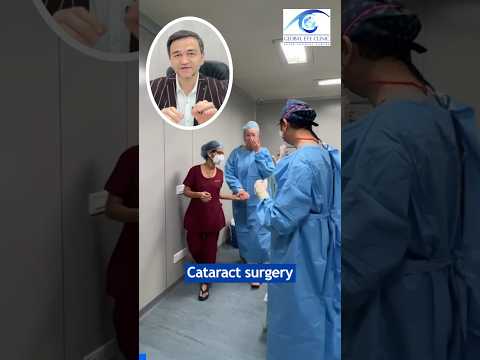
One of the most appealing aspects of MIGS is that it can often be combined with standard cataract surgery. For elderly patients suffering from both cataracts and glaucoma, this means they can have both conditions treated simultaneously in a single, efficient operation. The patient wakes up with clearer vision from the new intraocular lens and better-controlled eye pressure from the MIGS implant.
Furthermore, MIGS implants are remarkably durable. Devices like the iStent or the Xen Gel Stent are biocompatible and designed to remain safely within the eye permanently. By facilitating natural fluid outflow, these microscopic marvels have successfully freed thousands of patients from the financial burden and daily hassle of prescription glaucoma eye drops.
Breakthroughs in Optic Nerve Repair: Stem Cell Therapy for Glaucoma
For decades, medical science operated under the strict belief that once the optic nerve was damaged by glaucoma, vision loss was entirely permanent. However, the rapidly advancing field of regenerative medicine is beginning to challenge this long-held dogma. Stem cell therapy for glaucoma represents the absolute cutting-edge of modern ophthalmic research, offering unprecedented hope for neural regeneration.
Stem cells, particularly mesenchymal stem cells (MSCs) derived from umbilical cord tissue or the patient's own bone marrow, possess incredible anti-inflammatory and regenerative properties. When introduced into the ocular environment, these cells secrete powerful neurotrophic factors. As detailed at , these factors work to protect surviving retinal ganglion cells from further damage and stimulate the repair of injured optic nerve tissues.
The Future of Vision Restoration
While still considered an emerging and highly specialized treatment, international clinics are pioneering protocols that utilize stem cells to treat advanced glaucoma. The primary goal of this therapy is neuroprotection—halting the progression of the disease at a cellular level. In some extraordinary cases, patients have reported modest improvements in their visual fields and light perception following comprehensive stem cell protocols.
It is important to understand that stem cell therapy is not a magic cure, nor does it typically replace the need for pressure-lowering treatments. Instead, it serves as a powerful adjunctive therapy. By managing the mechanical pressure with advanced surgeries and addressing the biological nerve damage with regenerative cells, specialized international clinics are providing a holistic, two-pronged attack against glaucoma.
Comparing the Cost of Advanced Glaucoma Treatments Globally
One of the most significant barriers to accessing advanced glaucoma treatments, particularly MIGS and regenerative medicine, is the astronomical cost in Western healthcare systems. In the United States and the United Kingdom, patients often face exorbitant out-of-pocket expenses, high deductibles, or strict insurance limitations that classify newer therapies as "experimental."
Because of this financial strain, thousands of patients are turning to medical tourism. By traveling to globally accredited medical hubs in countries like Mexico, Colombia, Turkey, or India, patients can access the exact same FDA-approved microscopic implants and cutting-edge stem cell therapies for a fraction of the domestic price. These international clinics are staffed by board-certified ophthalmologists who often trained at prestigious institutions in Europe and the USA.
- Exceptional Savings: Patients can frequently save between 50% and 70% on complex ophthalmic procedures, even after factoring in the cost of international flights and luxury hotel accommodations.
- No Waiting Lists: In many countries with socialized medicine, patients wait months for essential eye surgeries. International clinics offer immediate, priority booking.
- All-Inclusive Packages: Companies like PlacidWay arrange comprehensive care packages that include the surgery, VIP hospital transfers, dedicated translators, and post-operative medications.
Long-Term Management and Preserving Your Vision
Regardless of whether you choose traditional eye drops, a revolutionary MIGS procedure, or experimental stem cell therapy abroad, managing glaucoma is a lifelong commitment. Successfully preserving your vision requires continuous vigilance, regular monitoring, and a healthy lifestyle designed to support overall cardiovascular and ocular health.
Routine comprehensive eye exams are non-negotiable. Your ophthalmologist must regularly measure your intraocular pressure, perform visual field tests, and use advanced imaging techniques like Optical Coherence Tomography (OCT) to monitor the exact thickness of your retinal nerve fibers. Catching minute changes early allows for rapid adjustments to your treatment plan.
Lifestyle Modifications for Ocular Health
Beyond medical interventions, lifestyle choices play a surprisingly critical role in managing glaucoma. Engaging in regular, moderate aerobic exercise can naturally lower intraocular pressure over time. However, patients with glaucoma should avoid exercises that involve strict inversions, such as certain yoga poses, as these can temporarily cause dangerous spikes in eye pressure.
Dietary choices also impact ocular health. A diet rich in dark, leafy greens, omega-3 fatty acids, and powerful antioxidants helps protect the optic nerve from oxidative stress. Additionally, moderating caffeine intake and avoiding smoking are essential steps, as both habits can negatively impact blood flow to the delicate microvasculature of the eye.
Your vision is your window to the world, and receiving a glaucoma diagnosis does not mean you have to surrender your independence. By educating yourself on the myriad of advanced, affordable global treatment options available today, you can take proactive control of your eye health. From microscopic surgical innovations to the profound possibilities of regenerative stem cells, the future of glaucoma care is brighter than ever.
Ready to Protect Your Vision with Advanced Glaucoma Treatments?
Don't let glaucoma steal your independence. PlacidWay connects you with globally accredited eye institutes offering affordable, cutting-edge therapies including MIGS and regenerative stem cell treatments. Take control of your ocular health today.
REQUEST A FREE CONSULTATION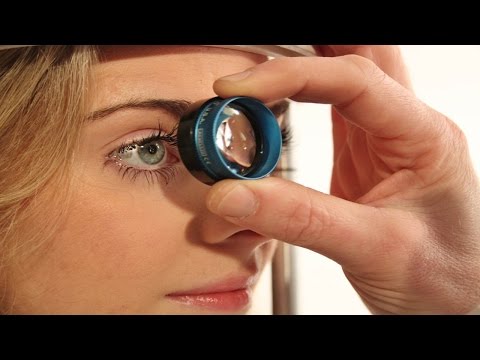







.png)
.png)

.png)













Share this listing