


The Complete Guide to Varicose Veins: Diagnosis, Symptoms, and Advanced Treatment Options
Millions of adults globally suffer silently from the discomfort, heaviness, and cosmetic concerns associated with enlarged leg veins. If you are seeking comprehensive information regarding varicose veins diagnosis and treatment, you have arrived at the ultimate resource. For many years, patients enduring the painful symptoms of chronic venous insufficiency believed their only option was invasive, painful vein-stripping surgery that required weeks of arduous recovery.
Today, the landscape of vascular medicine has been completely revolutionized. You no longer have to live with the throbbing pain, nocturnal leg cramps, or aesthetic embarrassment of bulging veins. Modern phlebology offers highly effective, outpatient solutions that require zero downtime. Watch our detailed breakdown to understand exactly how vascular specialists accurately diagnose the root cause of pooling blood, and discover how breakthrough minimally invasive treatments are restoring leg health and patient confidence worldwide.
Video Chapters & Quick Navigation
Understanding Varicose Veins: More Than Just a Cosmetic Issue
Many individuals begin their search for comprehensive varicose veins diagnosis and treatment options after experiencing persistent discomfort in their lower extremities. As mentioned in the video at , varicose veins are abnormally enlarged, twisted blood vessels that bulge just beneath the surface of the skin. They most commonly appear in the legs, calves, and feet.
This condition occurs due to increased internal pressure in the venous system of the lower body. When you stand or walk upright, the deoxygenated blood in your leg veins must work vigorously against the powerful force of gravity to return to your heart. To assist with this constant upward flow, your veins are equipped with tiny, delicate one-way valves. These valves open to let blood flow upward and then snap shut to prevent it from flowing backward.
However, when these valves become weakened, damaged, or entirely dysfunctional—a condition medically referred to as chronic venous insufficiency—blood begins to leak backward and pool in the lower extremities. The immense pressure from this pooling blood causes the thin walls of the veins to stretch, balloon outward, and twist, resulting in the visible, rope-like appearance we identify as varicose veins. Understanding this mechanical failure is the first critical step toward seeking appropriate medical intervention.
Recognizing the Early Warning Signs of Varicose Veins
Early intervention is vital for managing venous disease effectively. While many patients initially notice the distinct visual changes on their legs, the physical symptoms often precede the visible bulging. As highlighted at , recognizing the early warning signs can prevent the condition from progressing to a more severe state.
One of the most frequently reported early symptoms is a profound sense of heaviness or achiness in the legs, particularly after prolonged periods of standing or sitting. Patients often describe this sensation as feeling like their legs are weighed down by lead. This heavy feeling is a direct result of blood pooling in the lower legs and increasing hydrostatic pressure within the venous system.
Additionally, individuals suffering from early-stage venous insufficiency frequently experience throbbing, burning, or intense muscle cramping, especially during the nighttime hours. Restless leg syndrome is another highly common indicator, forcing patients to constantly move their legs to relieve an uncomfortable tingling sensation. Furthermore, localized itching around one or more veins can occur as the stretched vein walls irritate the surrounding nerve endings. If you frequently experience swollen ankles or a tight feeling in your calves at the end of the workday, consulting a vascular specialist is highly recommended.
Spider Veins vs. Varicose Veins: Understanding the Vital Differences
There is frequent confusion among patients regarding the difference between spider veins and varicose veins. While both conditions stem from similar underlying issues related to venous insufficiency, they present very differently and require entirely different treatment approaches, as explained at in the video guide.
Spider veins, medically known as telangiectasias, are tiny, web-like networks of blood vessels that appear very close to the surface of the skin. They are typically red, blue, or purple and rarely bulge outward. They are primarily a cosmetic concern, though they can occasionally cause mild burning or itching. In contrast, varicose veins are significantly larger, deeper, and palpable. They protrude from the skin like twisted cords and are fundamentally associated with significant physical pain and deeper circulatory issues.
| Characteristic | Spider Veins | Varicose Veins |
|---|---|---|
| Size & Appearance | Small, thin, flat against the skin, resembling a spider's web or tree branches. | Large, thick, bulging, and twisted. Resembles swollen cords beneath the skin. |
| Physical Symptoms | Rarely painful. May cause mild itching or a slight burning sensation locally. | Causes aching, heaviness, throbbing, night cramps, and significant swelling. |
| Primary Treatment | Cosmetic Sclerotherapy or superficial laser treatments. | Endovenous Laser Ablation, Radiofrequency Ablation, or Phlebectomy. |
| Medical Severity | Almost entirely a cosmetic issue; rarely leads to health complications. | A medical condition that can lead to blood clots, ulcers, and bleeding if ignored. |
Primary Risk Factors and Genetic Predisposition
Why do some individuals develop severe venous issues while others maintain flawless circulation throughout their lives? The development of bulging veins is influenced by a complex interplay of genetic, occupational, and lifestyle factors. The single most significant determinant is family history. If both of your parents suffer from chronic venous insufficiency, your likelihood of developing the condition approaches ninety percent. Genetics dictate the structural integrity of your vein walls and the resilience of your venous valves.
Beyond genetics, biological sex plays a massive role. Women are disproportionately affected by venous disease due to profound hormonal fluctuations. The hormones estrogen and progesterone naturally relax the vein walls, making them more susceptible to stretching. This is why many women first notice the onset of vascular issues during pregnancy, when blood volume dramatically increases to support the fetus, placing immense pressure on the pelvic and leg veins.
Occupational hazards also significantly contribute to vascular degradation. Individuals whose jobs require prolonged periods of static standing or sitting—such as nurses, teachers, factory workers, and office professionals—are at an incredibly high risk. When the calf muscles are inactive, they fail to pump blood back to the heart, allowing blood to stagnate and pool in the lower extremities. Obesity also compounds this issue by adding excessive physical weight and intra-abdominal pressure, further hindering the upward flow of blood.
The Hidden Dangers of Ignoring Venous Insufficiency
A dangerous misconception persists among the general public that bulging leg veins are merely a cosmetic annoyance that can be safely ignored. As detailed at , failing to seek proper diagnosis and treatment can lead to severe, debilitating, and sometimes life-threatening medical complications. Chronic venous insufficiency is a progressive disease; it will inevitably worsen over time without medical intervention.
One of the most alarming complications is the formation of venous stasis ulcers. As blood continually pools in the lower legs, the immense pressure forces fluid to leak out of the veins and into the surrounding skin tissue. Over time, this fluid buildup deprives the skin of necessary oxygen and nutrients, causing the tissue to break down and form incredibly painful, slow-healing open sores, typically located near the ankles.
Furthermore, the stagnant pooling of blood drastically increases the risk of superficial thrombophlebitis, which is the formation of blood clots in veins located just below the skin's surface. While these surface clots are painful, a far more severe risk is Deep Vein Thrombosis (DVT). If a blood clot forms in a deep, internal vein, there is a risk it could break loose, travel through the bloodstream, and lodge in the lungs, causing a potentially fatal pulmonary embolism. Prompt treatment is the only way to mitigate these severe risks.
Advanced Diagnostic Techniques for Varicose Veins
Before any treatment plan can be formulated, an accurate and thorough diagnosis is absolutely paramount. The landscape of vascular diagnostics has evolved dramatically from simple physical examinations. Today, board-certified vascular surgeons rely on cutting-edge imaging technology to map the entire circulatory system of the leg. As shown at , the diagnostic journey begins with a comprehensive medical history and a visual examination of the affected extremities while the patient is standing.
The Gold Standard: Color Duplex Ultrasound
The undisputed gold standard for diagnosing the root cause of venous disease is the Color Duplex Ultrasound. This completely painless, non-invasive imaging test utilizes high-frequency sound waves to create a real-time, highly detailed map of the leg's internal venous anatomy. Unlike a standard ultrasound that only shows the physical structure of the veins, a duplex ultrasound also measures the speed and direction of blood flow.
During this examination, the vascular technician can actually observe the blood flowing backward through malfunctioning valves. By pinpointing the exact location of the refluxing valves—often hidden deep within the great saphenous vein or the small saphenous vein—the physician can tailor a precise, targeted treatment plan. This level of diagnostic accuracy ensures that treatments address the underlying medical cause, rather than just erasing the visible surface symptoms.
Modern, Minimally Invasive Varicose Vein Treatment Options
The era of painful, hospital-based vein stripping under general anesthesia is officially over. Today, patients have access to highly advanced, minimally invasive treatments that boast incredibly high success rates. As explored at , these modern procedures are performed in an outpatient clinic setting, require only local anesthesia, and allow patients to walk out the door and return to normal activities almost immediately.
Endovenous Laser Ablation (EVLA)
Endovenous Laser Ablation (EVLA) is one of the most common and effective treatments for large, problematic veins. Using ultrasound guidance, the vascular surgeon inserts a microscopic laser fiber into the diseased vein through a tiny incision no larger than a freckle. Once correctly positioned, the laser emits targeted thermal energy, heating the vein wall. This precisely controlled heat causes the diseased vein to collapse, seal shut, and eventually be reabsorbed by the body. The blood is then naturally rerouted to healthier surrounding veins, instantly improving circulation.
Radiofrequency Ablation (RFA)
Similar in concept to EVLA, Radiofrequency Ablation (RFA) utilizes a highly specialized catheter instead of a laser fiber. The catheter delivers gentle, consistent radiofrequency energy to the vein wall in segments. Many patients and practitioners prefer RFA because the controlled, lower-temperature thermal energy often results in slightly less post-procedural bruising and localized tenderness compared to laser therapy. RFA boasts an astonishing long-term closure rate exceeding ninety-five percent.
Ultrasound-Guided Sclerotherapy
For smaller, tortuous veins that cannot easily accommodate a catheter, Ultrasound-Guided Sclerotherapy is the treatment of choice. Under direct ultrasound visualization, the physician injects a specialized medical solution, known as a sclerosant, directly into the diseased vein. The sclerosant irritates the inner lining of the blood vessel, causing it to swell, stick together, and permanently close. Modern foams are often used instead of liquids, as the foam displaces blood within the vein, allowing for superior contact with the vein wall and highly effective closure.
Ambulatory Phlebectomy
When large, ropey varicose veins are located extremely close to the surface of the skin, a procedure known as Ambulatory Phlebectomy is highly effective. After thoroughly numbing the area with local anesthesia, the surgeon makes micro-punctures along the path of the bulging vein. Using a specialized, microscopic hook, the diseased vein is gently extracted in small sections. Because the incisions are so minute, no stitches are required, and the tiny marks fade completely within a few months, leaving incredibly pleasing aesthetic results.
Lifestyle Modifications to Prevent and Manage Varicose Veins
While cutting-edge medical interventions are necessary to eliminate existing dysfunctional veins, long-term vascular health requires proactive lifestyle management. As summarized at , modifying your daily habits can drastically reduce symptoms and prevent new venous issues from developing in the future.
The most crucial lifestyle intervention is the daily use of medical-grade compression stockings. These specialized garments are designed to apply graduated pressure to the legs—tighter at the ankle and gradually looser further up the leg. This intelligent design physically assists the calf muscles in pumping blood upward against gravity, effectively minimizing blood pooling, swelling, and evening-time aching. Your vascular specialist will prescribe the precise compression level suited to your specific medical needs.
Regular physical exercise is another non-negotiable component of vascular health. Low-impact cardiovascular activities that heavily engage the calf muscles—such as brisk walking, cycling, swimming, and elliptical training—are exceptionally beneficial. The repetitive contraction of the calf muscles acts as a powerful secondary heart, forcefully propelling venous blood upward. Conversely, high-impact exercises like heavy weightlifting can actually increase intra-abdominal pressure and exacerbate venous reflux, so moderate, consistent movement is key.
Finally, simple postural changes can yield profound relief. Elevating your legs above the level of your heart for just fifteen to twenty minutes at the end of a long day allows gravity to passively drain the accumulated blood from your lower extremities. Additionally, individuals who sit or stand for prolonged periods at work must consciously make an effort to shift their weight, perform seated ankle pumps, and take brief walking breaks every hour to keep their circulatory system actively engaged.
Ready to Eliminate Vein Pain and Restore Your Leg Health?
PlacidWay connects you with globally recognized vascular specialists offering top-tier diagnostic services and minimally invasive vein treatments. Discover world-class care designed to restore your comfort, circulation, and confidence.
GET A FREE QUOTE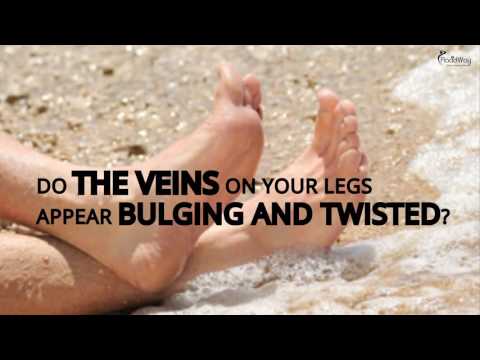















Share this listing