


Removing Impacted Wisdom Teeth: The Ultimate Patient Guide
Are you experiencing severe jaw pain or worrying about an upcoming dental procedure? Removing impacted wisdom teeth is one of the most common yet misunderstood surgical interventions performed today. When a wisdom tooth extraction becomes necessary, understanding the underlying process can rapidly alleviate severe anxiety and prepare you for a remarkably smooth recovery.
In this comprehensive medical guide, we will explore everything you need to know about the surgical wisdom tooth removal procedure. From identifying the early warning signs of impaction to mastering the post-operative healing phase, read on to discover essential insights that will safeguard your long-term oral health.
Video Chapters & Quick Navigation
What Are Impacted Wisdom Teeth and Why Do They Matter?
Wisdom teeth, formally known in the dental community as third molars, are the final set of teeth to develop in the human mouth. For most individuals, these late-blooming teeth attempt to emerge through the gum line during the late teenage years or early twenties. Historically, early humans required these powerful extra molars to grind down a tough, coarse diet consisting of raw roots, leaves, and tough meats.
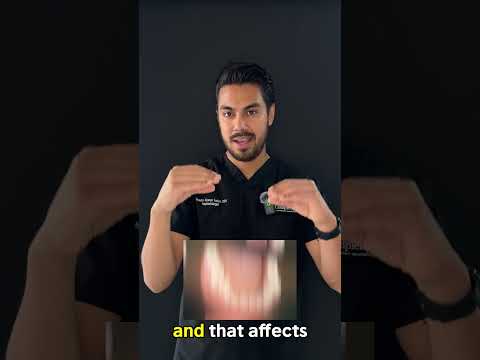
However, as human diets have softened over thousands of years and our jaws have evolutionarily become smaller, a significant spatial problem has arisen. As discussed in the video at , the modern human jaw simply does not have enough anatomical real estate to accommodate these additional four teeth comfortably. Because of this lack of space, third molars frequently become trapped—or "impacted"—beneath the dense gum tissue and jawbone.
When a tooth is impacted, it is physically prevented from growing into its proper, functional position. Instead of growing vertically, these teeth may grow sideways, emerge only partially, or remain completely buried within the jaw. Ignoring an impacted wisdom tooth is highly dangerous, as it can lead to severe bacterial infections, painful cysts, and irreversible structural damage to the healthy neighboring teeth.
Identifying the Early Signs of an Impacted Wisdom Tooth
Many patients are entirely unaware that their wisdom teeth are impacted until severe symptoms manifest. Because an impacted tooth can remain completely hidden beneath the gum line, visual inspection alone is rarely enough to diagnose the condition. This highlights the absolute necessity of routine dental X-rays, which can reveal the exact angle and depth of the hidden molars long before they cause active discomfort.
Common Warning Symptoms
When an impacted wisdom tooth begins to cause problems, the symptoms are usually localized but can radiate throughout the head and neck. According to the breakdown at , patients often experience a persistent, throbbing ache at the very back of the jaw. This pain is frequently accompanied by red, swollen, or bleeding gums, especially if the tooth has partially erupted and created a flap of tissue where food and bacteria can easily become trapped.
Other common indicators include an unpleasant metallic taste in the mouth, chronic bad breath (halitosis) caused by trapped bacteria, and noticeable difficulty or stiffness when opening the jaw (a condition known as trismus). In severe cases of infection, patients may also notice swelling around the jawline, tender lymph nodes in the neck, and even mild to moderate fevers. If you experience any of these symptoms, immediate evaluation for a surgical wisdom tooth removal procedure is necessary.
The Four Primary Types of Wisdom Tooth Impaction
Not all impacted wisdom teeth are identical. The complexity of removing impacted wisdom teeth depends entirely on how the tooth is positioned within the jawbone. Oral and maxillofacial surgeons classify impactions into four distinct categories based on the angular trajectory of the tooth's growth. Understanding your specific type of impaction will help you anticipate the complexity of your surgical wisdom tooth removal procedure.
| Type of Impaction | Anatomical Description | Surgical Complexity |
|---|---|---|
| Mesial Impaction | The tooth is angled forward, pushing directly against the neighboring second molar. | Most common. Complexity ranges from moderate to high depending on root depth. |
| Vertical Impaction | The tooth is oriented straight up but lacks the vertical space to break through the gums. | Usually the least complex, often extracted without extensive bone removal. |
| Horizontal Impaction | The tooth is lying completely flat on its side, fully parallel to the jawbone line. | Highly complex. Requires significant bone removal and careful tooth sectioning. |
| Distal Impaction | The tooth is angled backwards, pointing toward the rear of the mouth. | Very rare. High complexity due to its proximity to the back of the jawbone. |
The video explains at that horizontal impactions generally pose the greatest risk to the adjacent teeth. Because the crown of the wisdom tooth is pressing directly into the roots of the second molar, it can cause severe root resorption, cavities, and bone loss. In these scenarios, prompt surgical intervention is critical to save the healthy neighboring teeth.
Preparing for Surgery: Understanding Anesthesia Options
One of the most common sources of anxiety regarding wisdom tooth extraction is the fear of pain during the procedure. Modern dentistry has largely eliminated this concern through advanced pharmacological options. Before your surgery, you will have a comprehensive consultation to determine the most appropriate anesthesia method based on the complexity of your extraction and your personal anxiety levels.
Local Anesthesia vs. IV Sedation
For simple, fully erupted wisdom teeth or minor vertical impactions, local anesthesia is often sufficient. The surgeon will administer multiple numbing injections directly into the surrounding gum tissue. While you remain completely awake and alert, you will feel only pressure, not pain. Nitrous oxide, commonly known as laughing gas, is frequently paired with local anesthesia to help patients relax.
However, for deeply impacted teeth or horizontal impactions, Intravenous (IV) Sedation is highly recommended. As noted at in the presentation, IV sedation places the patient in a state of deep relaxation and partial consciousness. You will have little to no memory of the surgical wisdom tooth removal procedure itself. For the most complex cases, or for patients with severe dental phobias, general anesthesia may be administered in a hospital setting, rendering the patient completely unconscious.
Step-by-Step: The Surgical Wisdom Tooth Removal Procedure
Understanding the exact biomechanical steps of the surgery can significantly demystify the process. Removing impacted wisdom teeth is a highly delicate, precision-based operation that requires the expertise of an oral and maxillofacial surgeon. The exact technique varies based on the tooth's position, but the fundamental stages remain consistent across most operations.
1. Incision and Accessing the Tooth
Once the chosen anesthesia has taken full effect, the surgeon begins by making a small, precise incision in the gum tissue covering the impacted tooth. This creates a small surgical flap that is carefully pulled back to expose the underlying bone and the hidden crown of the wisdom tooth. If the tooth is fully encased in bone, a specialized, high-speed surgical drill is used to carefully remove the overlying bone structure to gain access to the root.
2. Tooth Sectioning
Attempting to pull a large, impacted molar out in a single piece would require removing a massive amount of healthy jawbone, leading to a brutal and prolonged recovery. Instead, surgeons utilize a highly efficient technique called sectioning. As demonstrated at , the tooth is systematically cut into smaller, manageable fragments. These smaller pieces are then gently elevated and extracted one by one, preserving as much of the surrounding healthy jawbone as possible.
3. Site Cleaning and Suturing
After all tooth fragments and roots have been successfully removed, the surgical site is thoroughly flushed with sterile saline to remove any lingering debris, bone dust, or bacteria. To promote proper blood clot formation and accelerate the healing process, the surgeon closes the incision flap using medical sutures. In most modern practices, these are dissolvable stitches that naturally break down and disappear within seven to ten days, eliminating the need for a follow-up appointment to have them removed.
The Wisdom Tooth Extraction Recovery Time and Timeline
The success of removing impacted wisdom teeth depends heavily on the patient's adherence to post-operative care instructions. The initial healing phase is critical for stabilizing the surgical site and preventing massive complications. By understanding the wisdom tooth extraction recovery time, you can better prepare your home environment for a comfortable healing journey.
The First 24 Hours: Clot Formation
The absolute most important physiological event during the first 24 hours is the formation of a stable blood clot over the extraction socket. This clot serves as a protective biological bandage, shielding the exposed bone and highly sensitive nerve endings. During this window, minor bleeding and oozing are completely normal. Patients are instructed to bite down firmly on sterile gauze pads, changing them every 30 to 45 minutes until the active bleeding subsides.
Swelling will begin to develop shortly after the anesthesia wears off. Applying ice packs to the outside of the face—alternating 20 minutes on and 20 minutes off—is the most effective way to minimize extreme facial swelling. Strenuous physical activity must be strictly avoided, as elevated blood pressure can dislodge the newly formed clot and trigger secondary bleeding.
Days 2 to 4: Managing Swelling and Discomfort
It is important to note that facial swelling typically peaks on the second or third day post-surgery. As mentioned in the post-op guide at , patients transition from using ice packs to applying warm, moist heat to the jaw to help dissipate the swelling and soothe sore facial muscles. Pain is generally managed through a combination of prescribed analgesics and over-the-counter anti-inflammatory medications like Ibuprofen.
Post-Operative Dietary Guidelines for Healing
Nutrition plays a massive role in tissue regeneration. However, the physical mechanics of eating can pose a significant threat to your fragile surgical sites. Adapting your diet is an unavoidable necessity during the wisdom tooth extraction recovery time. For the first 48 hours, patients must strictly adhere to a liquid and heavily blended diet to avoid placing mechanical stress on the jaw and to prevent food particles from lodging in the open sockets.
- Ideal Soft Foods: Applesauce, smooth yogurt, blended soups (lukewarm, never hot), mashed potatoes, scrambled eggs, and protein shakes.
- Foods to Strictly Avoid: Anything crunchy, chewy, or spicy. Avoid seeds, nuts, popcorn, and rice, as these tiny particles can easily fall into the extraction site and cause severe bacterial infections.
- The Golden Rule: Never, under any circumstances, use a drinking straw during your recovery phase. The suction created in the mouth can forcefully rip the blood clot out of the socket.
Preventing Dry Socket and Surgical Complications
While the surgical wisdom tooth removal procedure is overwhelmingly safe, complications can arise if post-operative care is neglected. The most infamous and painful complication associated with this surgery is alveolar osteitis, commonly known throughout the medical community as a dry socket.
Understanding Dry Socket
A dry socket occurs when the crucial blood clot that forms in the extraction site either fails to develop or is prematurely dislodged before the underlying tissue has healed. As detailed at , this catastrophic loss of the clot leaves the underlying jawbone and highly sensitive alveolar nerves completely exposed to air, food, and oral fluids. The resulting pain is often described as a severe, radiating agony that travels from the jaw up to the ear, and it is entirely unresponsive to standard pain medications.
Proactive Prevention Strategies
Preventing a dry socket requires strict discipline during the first week of recovery. Smoking is one of the leading causes of dry socket; the toxic chemicals in tobacco inhibit healing blood flow, while the physical act of inhaling creates dangerous oral suction. Patients must cease smoking entirely for at least 72 hours post-surgery. Furthermore, vigorous rinsing or aggressive spitting must be avoided. When cleaning the mouth, patients should gently tilt their head side to side with warm salt water and simply let the liquid fall out into the sink rather than forcing it out.
The Cost of Impacted Wisdom Tooth Removal
Navigating the financial aspect of removing impacted wisdom teeth can be almost as stressful as the surgery itself. The total cost of an impacted wisdom tooth removal procedure varies wildly based on geographical location, the complexity of the impaction, and the type of anesthesia utilized. In the United States and the United Kingdom, patients without robust dental insurance can easily face bills ranging from $1,500 to over $3,500 for the extraction of all four impacted teeth under IV sedation.
Because these costs are often prohibitive, an increasing number of patients are turning to medical tourism as a safe, highly viable alternative. Internationally accredited dental clinics in countries like Mexico, Turkey, Costa Rica, and Hungary offer the exact same high-tech surgical wisdom tooth removal procedures performed by globally trained maxillofacial surgeons. By exploring these international options, patients can routinely save between 50% to 70% on their overall surgical costs without sacrificing an ounce of safety or quality of care.
Do not let financial constraints force you to live with the excruciating pain and structural risks of impacted third molars. Quality, affordable oral surgery is accessible if you know where to look.
Ready to Safely Remove Your Impacted Wisdom Teeth?
PlacidWay Medical Tourism connects you with top-rated, internationally accredited dental clinics offering world-class oral surgery at highly affordable prices. Stop living in pain—let us handle the details while you focus on a smooth recovery.
GET A FREE QUOTE







.png)

.png)
.png)


.png)
.png)
.png)
-1.png)








Share this listing