


The Ultimate Guide to Hip Resurfacing Surgery in India for UK Patients
Are you struggling with chronic joint pain while languishing on long NHS waiting lists? For many individuals in the United Kingdom, hip resurfacing surgery in India has become the ultimate lifeline. This highly advanced, bone-preserving procedure offers active adults a second chance at mobility without the limitations of a total hip replacement. By choosing top-tier Indian orthopedic hospitals, international patients receive world-class medical care at a fraction of private UK healthcare costs. Explore this powerful UK patient testimonial to understand why medical tourism in India is transforming lives and restoring active lifestyles.
Video Chapters & Quick Navigation
The Growing Demand for International Orthopedic Surgery
For thousands of UK residents, living with severe hip arthritis means enduring daily agony while facing an incredibly overburdened public healthcare system. The waiting lists for orthopedic procedures on the NHS have reached unprecedented lengths in recent years. Many patients are forced to wait upwards of eighteen to twenty-four months just to get an initial surgical consultation.
This agonizing delay is more than just an inconvenience; it actively deteriorates a patient's quality of life. Prolonged immobility leads to muscle atrophy, weight gain, and significant psychological distress. As the patient in our featured video highlights at , the inability to perform basic daily tasks pushes many to seek alternative healthcare solutions abroad.
Faced with exorbitant costs for private healthcare within the UK, individuals are increasingly looking toward global medical hubs. Medical tourism in India has emerged as a beacon of hope for these patients. By traveling overseas, UK citizens can bypass the waiting lists entirely and receive immediate, high-quality joint care from internationally accredited specialists.
The Impact of Osteoarthritis on Active Adults
Osteoarthritis is a degenerative joint disease that strips away the protective cartilage cushioning the ends of the bones. When this occurs in the hip joint, the resulting bone-on-bone friction causes excruciating pain, stiffness, and a severely restricted range of motion. For younger, highly active individuals—those in their forties and fifties—this diagnosis can feel like a premature end to their active lifestyle.
Traditional total hip replacements, while effective, often come with movement restrictions and a limited lifespan, making them less than ideal for younger patients. This demographic requires a surgical solution that accommodates high physical demands. They need a procedure that allows them to return to heavy lifting, running, and rigorous sports.
This is precisely why alternative procedures like joint resurfacing have gained immense popularity. By preserving the natural anatomy of the joint as much as possible, patients retain better proprioception and joint stability. As discussed in the patient testimonial at , finding a surgeon skilled in these advanced, bone-conserving techniques is paramount.
Understanding Birmingham Hip Resurfacing (BHR)
Hip resurfacing, commonly referred to by its most successful implant system, the Birmingham Hip Resurfacing (BHR), is a highly sophisticated surgical alternative to total hip replacement. Instead of completely amputating the head and neck of the femur, the surgeon merely shaves away the damaged cartilage and bone. The femoral head is then capped with a smooth, durable metal covering.
Simultaneously, a matching metal shell is placed inside the acetabulum (the hip socket). This creates a highly stable, metal-on-metal articulation that closely mimics the natural anatomy of the human hip. Because the femoral neck is preserved, the natural biomechanics of the patient's gait are maintained, leading to a more natural feeling during movement.
The bone-preserving nature of BHR provides a critical safety net for younger patients. If the implant ever wears out or fails decades later, the patient still has enough healthy bone stock remaining to undergo a standard total hip replacement. This "buy time" strategy is a massive advantage for individuals who are likely to outlive a traditional implant.
Hip Resurfacing vs. Total Hip Replacement
To truly understand why UK patients travel thousands of miles for this specific procedure, it is vital to compare it directly with traditional methods. While total hip replacement (THR) is the gold standard for elderly patients with severe osteoporosis, it poses distinct disadvantages for robust, active adults.
THR involves completely removing the femoral head and driving a long metal spike down into the hollow center of the thigh bone. This fundamentally alters the way forces are distributed across the femur. In contrast, resurfacing respects the natural load-bearing architecture of the skeletal system.
| Feature | Hip Resurfacing (BHR) | Total Hip Replacement (THR) |
|---|---|---|
| Bone Preservation | High. Femoral head and neck are retained. | Low. Femoral head and neck are amputated. |
| Activity Level | Unrestricted. Suitable for high-impact sports. | Restricted. High-impact activities discouraged. |
| Dislocation Risk | Extremely low due to anatomically sized implant. | Higher risk due to smaller prosthetic head size. |
| Future Revisions | Easier. Can be converted to a standard THR. | Complex. Requires removing the deeply implanted stem. |
Why Are UK Patients Choosing India for Orthopedic Surgery?
India has rapidly cemented its reputation as a global epicenter for complex orthopedic surgeries. The country boasts a massive network of Joint Commission International (JCI) accredited hospitals. These state-of-the-art medical facilities rival, and frequently surpass, the technological capabilities found in many Western hospitals.
Indian orthopedic surgeons are among the most experienced in the world. Many of the leading consultants practicing in cities like New Delhi, Mumbai, and Chennai have completed extensive fellowships in the UK, the United States, and Germany. They bring a wealth of international expertise back to their home country, performing hundreds of resurfacing procedures annually.
Furthermore, the high volume of surgeries performed by these specialists translates to unparalleled surgical precision. As the video details at , practice makes perfect in the realm of orthopedic surgery. Surgeons who perform a procedure daily are significantly less likely to encounter preventable intraoperative complications.
Advanced Robotic Technology and Infrastructure
The technological infrastructure in top-tier Indian hospitals is breathtaking. Patients benefit from cutting-edge innovations such as MAKO robotic-arm assisted surgery and advanced 3D preoperative surgical mapping. These technologies allow surgeons to place the resurfacing implants with millimeter precision, ensuring optimal alignment and longevity.
Infection control is another area where Indian medical tourism hospitals excel. Dedicated laminar airflow operating theaters with specialized HEPA filters drastically reduce the risk of post-operative joint infections. This meticulous attention to sterility gives international patients profound peace of mind when traveling abroad for major invasive surgery.
Language is never a barrier in the Indian medical tourism sector. English is the primary language of medical education and professional communication across the country. From the chief surgeon to the nursing staff and the physiotherapy team, patients from the UK experience seamless, clear, and empathetic communication throughout their entire stay.
A UK Patient’s Perspective: The Medical Tourism Journey
Making the decision to fly across the globe for major joint surgery is undeniably daunting. However, the comprehensive support systems established by medical tourism facilitators make the process incredibly smooth. As highlighted in the testimonial at , patients are treated like VIP guests from the moment they land.
Upon arrival at the airport, international patients are greeted by dedicated guest relations officers and transported via comfortable, private ambulances directly to the hospital or their luxury recovery hotel. This concierge-level service eliminates the stress of navigating a foreign country while dealing with severe physical pain.
Inside the hospital, patients are typically housed in expansive, private deluxe suites. These rooms often include sleeping accommodations for a traveling companion, en-suite bathrooms, high-speed Wi-Fi, and personalized dietary menus. The emphasis is on creating a healing environment that feels more like a luxury hospitality experience than a clinical hospital ward.
The Surgical Consultation and Preparation
Before any incisions are made, the patient undergoes an exhaustive battery of diagnostic tests. This includes high-resolution MRI scans, bone density tests, and comprehensive cardiac evaluations to ensure they are fit for anesthesia. The chief surgeon spends ample time with the patient, explaining the procedure step-by-step and addressing any lingering anxieties.
This level of individualized attention stands in stark contrast to the rushed, impersonal consultations many patients experience in overloaded public health systems. In India, the surgeon-patient relationship is prioritized. The patient is encouraged to ask questions about the implant materials, the surgical approach (such as posterior vs. anterior), and the expected recovery trajectory.
Once cleared for surgery, the patient is prepped in world-class facilities. The use of advanced regional anesthesia, such as spinal blocks combined with precise sedation, ensures the patient is completely pain-free during the procedure while minimizing the grogginess associated with traditional general anesthesia.
Comprehensive Cost Analysis: UK Private Care vs. India
The primary catalyst driving the exodus of orthopedic patients from the UK to India is the undeniable economic advantage. To put it plainly, the cost of going private in the UK is prohibitively expensive for the average citizen. A private hip resurfacing surgery in London or Manchester can easily cost between £13,000 and £16,000.
In sharp contrast, the same procedure utilizing the exact same FDA-approved implant materials in India costs approximately £5,000 to £7,000. This dramatic price difference is not a reflection of lower medical standards; rather, it is a byproduct of India's significantly lower cost of living, reduced administrative overhead, and favorable exchange rates.
Even when factoring in the cost of round-trip business class flights and extended hotel stays for a companion, the total expenditure remains a fraction of the UK private cost. Patients are able to save thousands of pounds while simultaneously receiving care that is faster, more personalized, and highly technologically advanced.
What is Included in an Indian Medical Tourism Package?
One of the most appealing aspects of traveling to India for surgery is the transparency of the pricing structure. Facilities and facilitators offer highly inclusive package deals that cover nearly every aspect of the medical journey. This prevents the dreaded "bill shock" that often plagues patients in Western private healthcare systems.
A standard all-inclusive orthopedic package for international patients typically features:
- Pre-operative diagnostics: All necessary blood work, X-rays, ECGs, and physical evaluations.
- The Surgical Procedure: The surgeon's fees, anesthesiologist fees, and operating theater charges.
- The Implant: The cost of the premium, internationally branded resurfacing implant (e.g., Smith & Nephew).
- Hospital Stay: 4 to 6 days in a private, deluxe hospital room with meals included for the patient and companion.
- Rehabilitation: Intensive in-patient physiotherapy sessions tailored to joint resurfacing recovery.
- Logistics: Airport transfers and visa assistance documentation.
By bundling these services together, medical tourism platforms ensure that patients can focus 100% of their energy on healing, rather than navigating complex medical billing systems.
Post-Operative Care and Intensive Physiotherapy
The success of a hip resurfacing surgery relies just as heavily on the post-operative rehabilitation as it does on the surgical execution itself. Indian hospitals excel in aggressive, early-mobilization physiotherapy protocols. The goal is to get the patient moving as quickly and safely as possible to prevent blood clots and stimulate soft tissue healing.
As noted in the video testimonial at , patients are often assisted out of bed and encouraged to take their first steps with a walker within 24 hours of waking up from surgery. This early weight-bearing is a hallmark of modern orthopedic recovery and instills a profound sense of confidence in the patient.
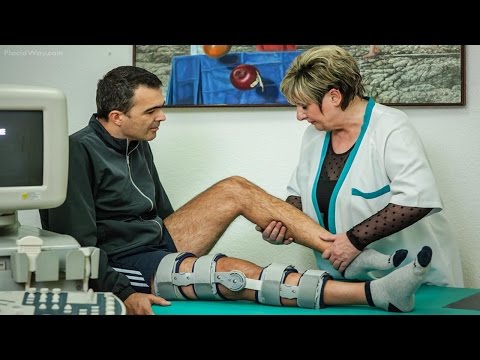
Throughout the hospital stay, dedicated physiotherapists visit the patient twice daily. They guide them through a rigorous regimen of range-of-motion exercises, muscle-strengthening routines, and gait-training techniques. The therapists ensure that the patient understands exactly how to move, bend, and sit without compromising the new joint.
Transitioning to Outpatient Care and Returning Home
Following discharge from the hospital, international patients usually relocate to a nearby hotel or a specialized rehabilitation center for an additional 7 to 10 days. During this critical window, outpatient physiotherapy continues. The medical team conducts regular check-ups to monitor the surgical incision and ensure there are no signs of infection.
Before the patient is cleared to board a long-haul flight back to the UK, the surgical team conducts a final, comprehensive evaluation. They are provided with detailed medical notes, X-rays of the new joint, and a long-term physiotherapy plan to share with their local doctors back home.
Flying back requires some precautions, such as taking prescribed blood thinners and performing frequent ankle pumps to prevent deep vein thrombosis (DVT). However, with the heavy burden of chronic hip pain finally lifted, patients describe the journey home not as a medical ordeal, but as the triumphant beginning of a renewed, pain-free life.
Ready to Reclaim Your Active Lifestyle?
Don't let endless waiting lists dictate your quality of life. PlacidWay Medical Tourism connects UK patients with internationally accredited orthopedic hospitals in India for affordable, world-class hip resurfacing surgery. Discover your options today.
GET A FREE QUOTE TODAY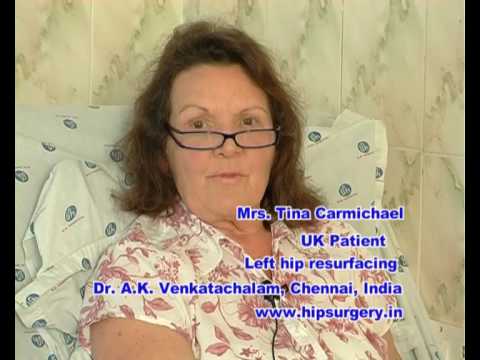





.png)

.jpg)









Share this listing