


The Complete Guide to Before & After Successful Knee Replacement Surgery in India
Living with debilitating joint pain can make even the simplest daily activities feel like insurmountable obstacles. If you are researching before & after successful knee replacement surgery in India, you are already taking the first step toward reclaiming your mobility and independence. For millions of patients suffering from severe osteoarthritis or degenerative joint disease, medical tourism offers a life-changing alternative to long waiting lists and exorbitant healthcare costs.
India has rapidly emerged as a premier global destination for advanced orthopedic care, offering world-class surgical precision at a fraction of Western prices. This comprehensive guide will explore the entire restorative journey, from understanding your symptoms to experiencing unparalleled post-operative freedom.
Video Chapters & Quick Navigation
- The Burden of Chronic Joint Pain
- Why Choose India for Orthopedics?
- Total vs. Partial Arthroplasty
- Advanced Robotic Knee Replacements
- Global Cost Comparison
- Premium Implant Materials
- The Step-by-Step Recovery Timeline
- Comprehensive Rehabilitation Protocol
- Preparing for Your Medical Trip
- Transformative Patient Realities
The Agony of the "Before": The Daily Burden of Chronic Joint Pain
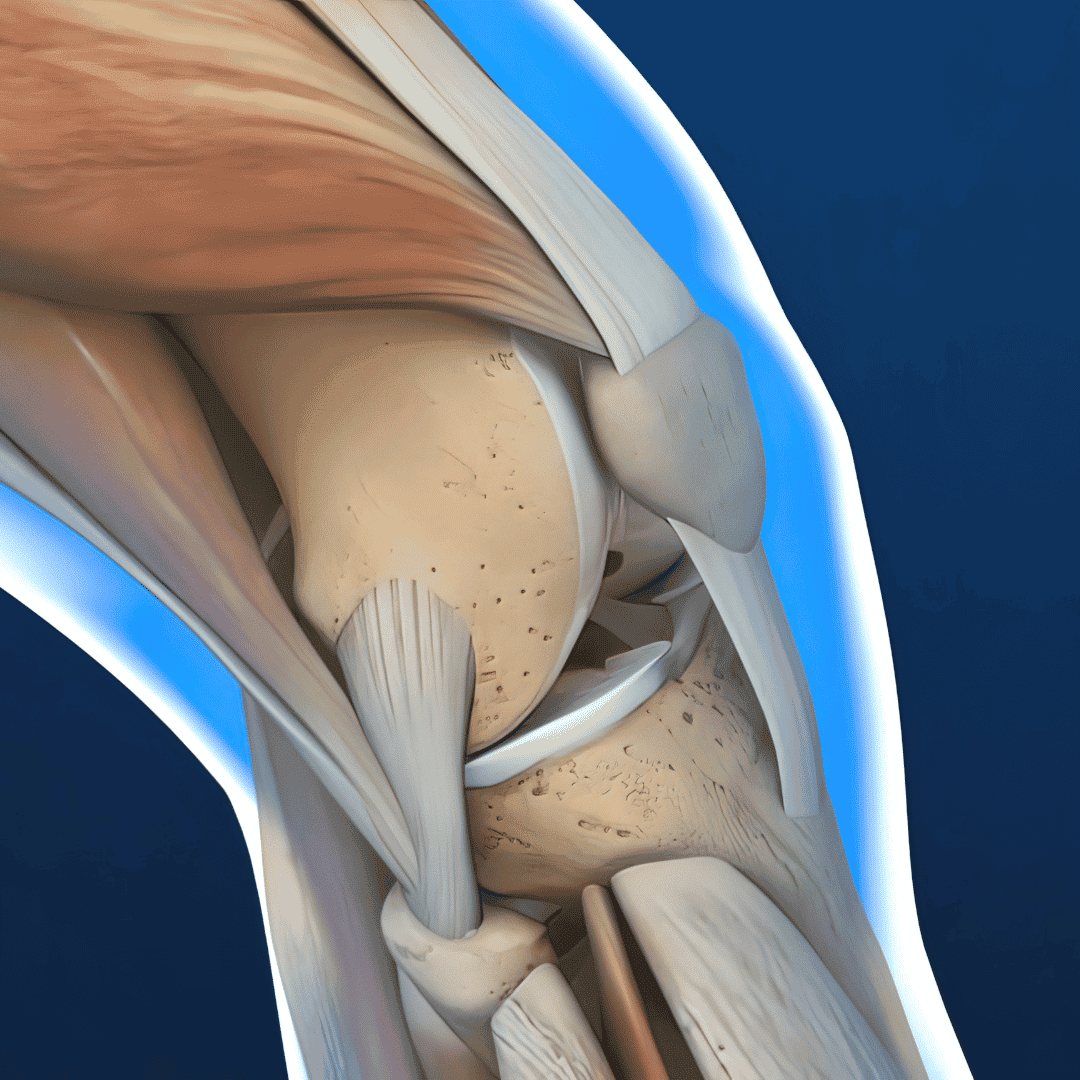
Before considering a massive intervention like joint arthroplasty, patients endure months or even years of escalating physical discomfort. The underlying cause for the vast majority of knee replacement candidates is severe osteoarthritis. This degenerative condition systematically destroys the protective articular cartilage that acts as a shock absorber between the femur (thigh bone) and the tibia (shin bone).
As this cartilage wears away, patients begin to experience bone-on-bone friction, which triggers localized inflammation, swelling, and excruciating sharp pain. Simple tasks like walking up a flight of stairs, getting out of a low chair, or even sleeping comfortably become monumental challenges. This physical decline often leads to a sedentary lifestyle, which subsequently causes weight gain and exacerbates the stress on the deteriorating knee joints.
As highlighted at in our featured video, the emotional toll is just as severe as the physical pain. The inability to participate in family outings, play with grandchildren, or engage in favorite hobbies leads to significant psychological distress and feelings of isolation. When conservative treatments like corticosteroid injections, physical therapy, and heavy pain medications fail to provide relief, surgical intervention becomes the only viable path forward.
Why India is the Global Epicenter for Orthopedic Surgery
The decision to travel internationally for a major surgical procedure requires absolute trust in the destination's healthcare infrastructure. India has cultivated a formidable reputation as the global epicenter for orthopedic surgery, drawing tens of thousands of medical tourists annually. Major metropolitan hubs like New Delhi, Mumbai, Chennai, and Bangalore boast specialized orthopedic institutes that operate at the cutting edge of modern medicine.
One of the primary reasons international patients choose India is the high concentration of Joint Commission International (JCI) accredited hospitals. This prestigious accreditation ensures that the hospital adheres to the exact same stringent safety, hygiene, and clinical protocols required of top-tier hospitals in the United States and the United Kingdom. Patients are not compromising on quality; they are simply accessing it in a more economically favorable environment.
Furthermore, Indian orthopedic surgeons are renowned worldwide for their exceptional skill levels and vast clinical experience. Because of the sheer volume of patients they treat, top Indian joint replacement specialists often perform over a thousand knee replacements per year. As noted at , many of these elite surgeons have completed advanced fellowships in the US, UK, or Germany, bringing the latest minimally invasive techniques back to their home country.
Decoding the Procedure: Total vs. Partial Knee Arthroplasty
Understanding the medical mechanics of your upcoming surgery is crucial for mental preparation and setting realistic post-operative expectations. Orthopedic surgeons in India offer highly customized surgical plans based on the precise degradation of the patient's joint. The knee is divided into three distinct compartments: the medial (inside), the lateral (outside), and the patellofemoral (front).
Total Knee Replacement (TKA)
Total knee arthroplasty is the gold standard for patients with widespread, multi-compartmental arthritis. During this procedure, the surgeon carefully removes the damaged cartilage and a small amount of underlying bone from all compartments of the knee. These surfaces are then replaced with high-grade metal alloys and a medical-grade plastic spacer, completely resurfacing the joint to restore smooth, frictionless movement.
Unicompartmental (Partial) Knee Replacement
For patients whose arthritis is strictly isolated to just one compartment of the knee, surgeons in India frequently recommend a partial knee replacement. This minimally invasive alternative preserves all healthy cartilage, bone, and crucial stabilizing ligaments, such as the ACL. Because less tissue is disturbed, partial knee replacements typically offer a faster recovery, less post-operative pain, and a more natural-feeling knee in the long run.
The Technological Revolution: Advanced Robotic Knee Replacements
The landscape of orthopedic surgery in India has been completely transformed by the rapid integration of robotic-assisted technologies. High-end medical facilities across the country have heavily invested in state-of-the-art systems like the NAVIO Surgical System and the Mako Robotic-Arm Assisted System. These advanced tools provide surgeons with unprecedented levels of precision and control during the complex joint resurfacing process.
Prior to a robotic surgery, the patient undergoes a high-resolution 3D CT scan of their knee. The robotic software utilizes this imaging to generate a highly personalized, patient-specific surgical blueprint. As discussed at , this allows the surgeon to virtually plan the exact size, orientation, and alignment of the implant before making a single incision.
During the actual operation, the robotic arm acts as an intelligent guide, establishing a virtual boundary that prevents the surgical instruments from accidentally damaging surrounding healthy tissues, nerves, or ligaments. This sub-millimeter precision ensures optimal implant positioning, which drastically improves the longevity of the prosthetic joint and significantly reduces post-operative pain and swelling for the patient.
Shattering the Price Tag: The Unmatched Cost Advantage in India
The primary catalyst driving the massive influx of medical tourists to India for orthopedic care is the undeniable financial advantage. Healthcare costs in North America and Western Europe have skyrocketed, leaving many uninsured or underinsured patients entirely priced out of essential life-improving surgeries. Even with insurance, out-of-pocket deductibles and copays can be financially devastating.
In the United States, an uninsured patient can expect to pay anywhere from $30,000 to over $50,000 for a single total knee replacement, not including extended physical therapy or lengthy hospital stays. In stark contrast, top-tier medical facilities in India offer comprehensive, all-inclusive knee replacement packages ranging from $4,500 to $6,500 per knee. This translates to an astonishing savings of 60% to 80% without any compromise in surgical quality or clinical outcomes.
| Destination Country | Average Cost (Single Knee) | Average Hospital Stay |
|---|---|---|
| United States | $30,000 - $50,000+ | 1 - 3 Days |
| United Kingdom | $15,000 - $20,000 | 2 - 4 Days |
| Australia | $18,000 - $25,000 | 3 - 5 Days |
| India | $4,500 - $6,500 | 4 - 7 Days (Included) |
No Compromise on Quality: Premium Implant Materials
A common misconception among prospective medical tourists is that the drastically lower prices in India are a result of using inferior or generic surgical implants. This could not be further from the truth. The premier orthopedic hospitals in India strictly utilize FDA-approved, high-end prosthetic implants manufactured by the most respected global medical device companies.
Patients receiving surgery in India benefit from the exact same premium implants used in top American and European hospitals. Surgeons routinely utilize advanced prosthetics from industry giants such as Zimmer Biomet, Stryker, DePuy Synthes (Johnson & Johnson), and Smith & Nephew. These implants are crafted from highly durable materials designed to withstand the rigors of daily human movement for decades.
- Cobalt-Chromium Alloys: Known for their incredible strength, these metals are typically used for the femoral component of the implant.
- Titanium Alloys: Highly biocompatible and exceptionally strong, titanium is frequently used for the tibial baseplate to encourage strong bone integration.
- Highly Cross-Linked Polyethylene: This advanced, medical-grade plastic acts as the crucial spacer, mimicking the function of natural cartilage to ensure smooth gliding.
Because of the superior quality of these materials combined with precise robotic alignment, modern knee implants placed in India boast an impressive lifespan. Clinical data suggests that over 90% of these premium implants continue to function flawlessly 15 to 20 years post-surgery, providing patients with a permanent, long-term solution.
The "After": A Detailed Step-by-Step Recovery Timeline
The journey to full mobility does not end when the patient leaves the operating room; the post-operative recovery phase is arguably the most critical component of a successful knee replacement. As highlighted at in the video, Indian hospitals excel in providing comprehensive, inpatient post-operative care that is rarely matched in Western healthcare systems.
Unlike the US, where patients are often discharged within 24 hours of major joint surgery, medical tourists in India typically remain under strict hospital observation for 4 to 7 days. This extended hospital stay ensures that medical staff can meticulously manage post-operative pain through epidurals or nerve blocks, monitor for potential infections, and administer vital intravenous antibiotics and blood thinners to prevent complications like deep vein thrombosis (DVT).
The physical recovery begins almost immediately. Within 12 to 24 hours post-surgery, nurses and physiotherapists will assist the patient in standing up and taking their first tentative steps using a walker or crutches. By day three or four, patients are actively practicing walking up and down short flights of stairs, ensuring they are fully capable of navigating basic home environments before they are discharged to their hotel.
The Critical Role of Comprehensive Rehabilitation
Once discharged from the hospital, the focus shifts entirely to aggressive but measured physical rehabilitation. Many international patients choose to stay in India for an additional two to three weeks to undergo intensive daily physiotherapy. The cost of daily, one-on-one sessions with a dedicated physical therapist in India is astonishingly affordable, allowing patients to jumpstart their recovery under expert supervision.
The primary goals of the initial physiotherapy phase are restoring the knee's full range of motion and strengthening the supporting musculature. Therapists will guide patients through targeted exercises designed to rebuild the strength of the quadriceps, hamstrings, and calf muscles. These muscles are essential for stabilizing the new prosthetic joint and ensuring a smooth, natural gait pattern.
Patients must strictly adhere to their prescribed home exercise program even after returning to their home country. While initial pain and swelling subside significantly within the first month, the complete internal healing process of a total knee replacement can take up to a full year. Consistency in daily stretching and low-impact strengthening exercises is the ultimate key to achieving the spectacular "after" results desired.
Preparing for Your Orthopedic Medical Journey
Traveling halfway across the world for a major orthopedic surgery requires meticulous planning and logistical coordination. Facilitators like PlacidWay specialize in removing the stress of this process, handling the complex administrative tasks so patients can focus entirely on their health and recovery. The first step involves a comprehensive remote consultation with the chosen Indian surgeon.
Patients are required to digitally transfer their medical records, recent blood work, and high-resolution imaging, such as X-rays or MRI scans. The orthopedic team in India will review these files to determine surgical eligibility and craft a customized treatment plan. Once approved, the logistical machinery kicks into gear, beginning with securing an Indian e-Medical Visa, which is a streamlined process specifically designed for medical tourists.
When packing for the trip, patients should prioritize comfort and ease of movement. Loose-fitting clothing, slip-on shoes with strong grip, and essential personal hygiene items should dominate the suitcase. The all-inclusive medical packages typically cover airport transfers in specialized vehicles, fast-tracked hospital admission, and coordination with nearby, accessible hotels designed to accommodate recovering post-operative patients.
Transformative Patient Realities: Embracing the "After"
The true measure of a successful knee replacement is found in the profound lifestyle transformations experienced by the patients. What begins as a journey to escape relentless pain ultimately becomes a gateway to an entirely revitalized life. As shown vividly at , patients who once relied heavily on canes and wheelchairs are able to rediscover the simple joys of unimpeded movement.
Months after returning home from India, patients report astounding milestones. The bone-on-bone grinding is entirely replaced by the smooth, silent function of a state-of-the-art prosthetic. Sleep, once constantly interrupted by throbbing joint pain, becomes deep and restorative. The psychological fog of chronic pain lifts, replaced by renewed energy and enthusiasm for physical activity.
With careful rehabilitation and a commitment to low-impact fitness, individuals are able to return to activities they assumed were lost forever. Bicycling, swimming, hiking mild trails, and playing multiple rounds of golf become realistic weekend plans rather than painful impossibilities. The decision to undergo affordable, world-class knee replacement surgery in India proves to be an investment not just in a joint, but in the holistic quality of the patient's entire future.
Ready to Reclaim Your Mobility in India?
Stop letting chronic knee pain dictate your life. PlacidWay connects you with globally recognized, JCI-accredited orthopedic hospitals in India for affordable, world-class joint replacement surgery. Take the first step toward your pain-free "after" today.
GET A FREE MEDICAL QUOTE






.png)

.jpg)













Share this listing