


The Complete Guide to Stem Cell Treatment for Parkinson's Disease in Barcelona
Living with a progressive neurodegenerative condition often feels like an exhausting, uphill battle. However, exploring the top stem cell treatment for Parkinson disease in Barcelona, Spain opens a groundbreaking new frontier in medical science. Patients no longer have to rely exclusively on traditional medications that may lose their efficacy over time.
Today, cutting-edge regenerative medicine offers unprecedented hope for restoring motor function and significantly enhancing daily life. Watch this comprehensive guide to understand how world-class Spanish medical facilities are pioneering advanced, affordable cellular therapies to combat Parkinson's disease effectively.
Video Chapters & Quick Navigation
Understanding the Burden of Parkinson's Disease
Parkinson's disease is a complex, progressive neurological disorder that silently alters the lives of millions worldwide. It primarily affects the substantia nigra, a critical region of the brain responsible for producing dopamine. As these vital dopaminergic neurons deteriorate and die off, patients begin to experience a cascade of challenging physical symptoms.
The most recognizable signs include involuntary resting tremors, profound muscle rigidity, and bradykinesia, which is the abnormal slowing of voluntary movements. These primary motor symptoms make routine daily tasks, such as tying shoelaces or holding a cup of coffee, incredibly difficult. Furthermore, as the disease advances, patients often suffer from debilitating non-motor symptoms like severe sleep disturbances, chronic fatigue, and cognitive decline.
Because the progression of Parkinson's is relentless, finding a treatment that alters the underlying disease course has been the holy grail of modern neurology. While standard care focuses on managing the outward symptoms, it does little to stop the continuous loss of brain cells. This grim reality underscores the desperate need for advanced neuro-restorative therapies that can intervene at a cellular level.
The Limitations of Traditional Parkinson's Care
For decades, the cornerstone of Parkinson's disease treatment has been Levodopa, a medication designed to artificially replenish the brain's dwindling dopamine supply. Initially, this pharmacological approach provides a remarkable "honeymoon phase" where patients experience significant relief from their motor symptoms. However, over time, the brain's remaining neurons continue to degrade, rendering the medication less and less effective.
The Onset of Medication Complications
As the disease progresses, patients require increasingly higher doses of Levodopa to achieve the same level of symptom relief. This escalation inevitably leads to severe side effects, most notably dyskinesia—uncontrollable, erratic bodily movements that can be as disabling as the disease itself. Furthermore, patients often experience "wearing-off" periods where the medication stops working abruptly before the next dose is due.
When oral medications fail, physicians may recommend invasive surgical procedures like Deep Brain Stimulation (DBS). While DBS can effectively manage tremors, it involves implanting electrodes deep inside the brain and carrying a pacemaker-like device in the chest. It is a highly invasive procedure with strict eligibility criteria, leaving many patients searching for safer, more biological alternatives like regenerative medicine.
The Regenerative Medicine Revolution
In recent years, the medical community has witnessed a massive paradigm shift from merely managing symptoms to actively attempting to heal the underlying tissue damage. This is where advanced stem cell therapy for Parkinson's disease comes into play. Regenerative medicine utilizes the body's own biological building blocks to repair, replace, and rejuvenate damaged cells within the central nervous system.
Unlike pharmaceutical drugs that act as a temporary chemical bandage, stem cells possess the unique ability to seek out areas of severe inflammation and tissue injury. Leading clinics in Europe have perfected the extraction and cultivation of these powerful cells. By introducing a high concentration of healthy stem cells into the patient's body, specialists aim to halt the progression of neurodegeneration.
The Role of Mesenchymal Stem Cells (MSCs)
The most commonly utilized cells in modern neurological treatments are adult Mesenchymal Stem Cells (MSCs). These incredible cells can be safely harvested from the patient's own bone marrow or adipose (fat) tissue, entirely eliminating the risk of ethical controversies or immune rejection. Alternatively, highly screened and purified umbilical cord-derived MSCs are often used for their robust vitality and high replication rates.
MSCs are multipotent, meaning they can differentiate into various types of specialized cells depending on the environment they are placed in. When utilized for neurodegenerative diseases, their primary function is not necessarily to turn directly into new neurons. Instead, they act as microscopic pharmaceutical factories, releasing a powerful cocktail of healing factors directly into the damaged neural pathways.
How Stem Cells Repair the Damaged Brain
Understanding the exact mechanism of action is crucial for patients considering this innovative treatment abroad. When MSCs are introduced into the body, they deploy a multi-faceted defense against Parkinson's disease. The primary biological mechanism is known as the "paracrine effect," a process where stem cells secrete vital neurotrophic factors that support the survival of existing neurons.
These specialized proteins, including Glial Cell Line-Derived Neurotrophic Factor (GDNF), actively protect the remaining dopamine-producing cells from premature death. Furthermore, stem cells have profound immunomodulatory properties. They calm the chronic neuroinflammation that is widely believed to accelerate the progression of Parkinson's disease, effectively cooling the biological fire inside the brain.
- Neuroprotection: Shielding vulnerable dopaminergic neurons from further toxic damage and oxidative stress.
- Angiogenesis: Stimulating the formation of new blood vessels to increase oxygen and nutrient delivery to the brain.
- Synaptic Plasticity: Encouraging the brain to form new neural connections to bypass areas of severe damage.
This comprehensive biological approach addresses the root cause of the motor and non-motor symptoms. Patients who undergo successful treatment frequently report noticeable reductions in muscle stiffness, fewer debilitating tremors, and a profound restoration of their natural energy levels.
Why Choose Barcelona, Spain for Neurological Care?
While the science behind stem cell therapy is universal, the quality of medical application varies drastically across the globe. Barcelona has rapidly emerged as the premier destination for advanced medical tourism in Europe, specifically for complex neurological conditions. The Spanish healthcare system is consistently ranked among the top ten in the world by the World Health Organization.
Barcelona boasts an impressive array of Joint Commission International (JCI) accredited hospitals and specialized regenerative medicine clinics. These cutting-edge facilities are staffed by internationally renowned neurologists and cellular biologists who adhere strictly to European Medical Agency (EMA) safety standards. Patients receive care that perfectly bridges the gap between rigorous scientific safety and innovative therapeutic application.
The Healing Environment of the Mediterranean
Beyond the clinical excellence, the environment in which a patient recovers plays a critical role in the overall success of the treatment. Barcelona offers a mild, sun-drenched Mediterranean climate that is naturally conducive to healing and relaxation. The city's accessible infrastructure makes it easy for patients with mobility issues to navigate during their medical stay.
Choosing to undergo stem cell treatment for Parkinson's disease in Spain means stepping away from the clinical, stressful hospital environments found in North America. Patients and their families can recover while enjoying the tranquil views of the Balearic Sea, experiencing a holistic approach to healing that comforts both the body and the mind.
The Clinical Treatment Protocol Explained
For international patients, understanding what happens upon arrival in Barcelona helps alleviate anxiety and sets proper expectations. The medical journey begins with an exhaustive, multi-day evaluation. Expert neurologists will conduct advanced MRI scans, comprehensive blood panels, and detailed neurological assessments to tailor the stem cell dosage specifically to the patient's disease stage.
Once cleared, the actual administration of the stem cells is a minimally invasive procedure, usually completed within a few hours. Depending on the personalized medical protocol, the stem cells may be administered intravenously (IV) to target systemic inflammation, or via an intrathecal injection (into the spinal canal) to bypass the blood-brain barrier directly. This direct delivery method ensures the maximum concentration of healing cells reaches the central nervous system.
Post-Administration Monitoring
Unlike invasive brain surgeries, stem cell administration requires no prolonged general anesthesia or intensive care unit stays. Patients are typically monitored in a comfortable recovery suite for a few hours before returning to their hotel. Over the following days, the medical team conducts follow-up evaluations to ensure the body is integrating the therapy positively without any adverse immune reactions.
The true magic happens in the weeks and months following the treatment. The infused stem cells require time to engraft, secrete their neurotrophic factors, and initiate the long-term repair processes. While some patients report immediate boosts in energy, the most significant neurological improvements generally unfold gradually over a three to six-month period.
Global Cost Comparison: The Financial Advantage of Spain
One of the primary driving factors for the surge in medical tourism to Spain is the extreme disparity in healthcare costs. In countries like the United States, experimental or advanced cellular therapies are rarely covered by traditional health insurance. Patients can easily face out-of-pocket expenses that deplete their life savings, making these life-changing treatments entirely inaccessible for the average family.
Barcelona offers an exceptional financial advantage without compromising a single ounce of medical quality or safety. By leveraging more efficient healthcare systems, lower administrative overhead, and specialized clinic models, Spanish medical centers can offer top-tier regenerative treatments at a fraction of the North American price.
| Country | Estimated Treatment Cost | Wait Time / Accessibility |
|---|---|---|
| United States | $25,000 - $45,000+ | Strict clinical trial limits; Highly restricted |
| United Kingdom | £15,000 - £30,000+ | Long NHS waiting lists; Private care expensive |
| Canada | $20,000 - $35,000 (CAD) | Limited availability for neurological use |
| Barcelona, Spain | $9,000 - $15,000 | Immediate booking; High global accessibility |
This transparent pricing model in Barcelona typically includes the initial neurological consultations, the entire cellular laboratory cultivation process, the precise medical administration, and comprehensive post-procedure follow-ups. Many specialized medical tourism packages even bundle luxury airport transfers and local accommodations into a single, predictable price.
The Complete Patient Experience: Beyond the Clinic
Securing the best possible outcome from regenerative medicine requires more than just biological intervention; it requires holistic care. The top-rated neurology clinics in Barcelona understand that stem cell therapy is most effective when paired with aggressive, targeted physical rehabilitation. This integrated approach ensures that as the brain attempts to form new neural pathways, the physical body is actively trained to utilize them.
Patients are often introduced to specialized physical therapists who understand the unique movement challenges associated with Parkinson's disease. These experts craft customized exercise regimens designed to improve gait, balance, and core stability. Additionally, specialized speech therapists work with patients to combat vocal tremors and swallowing difficulties, ensuring a comprehensive restoration of function.
Nutritional Support and Lifestyle Alignment
Cellular healing demands substantial nutritional support. As part of the comprehensive care packages in Spain, patients frequently consult with neuro-nutritionists who design anti-inflammatory dietary plans. A diet rich in Mediterranean staples—such as olive oil, fresh fish, and antioxidant-rich vegetables—provides the precise micronutrients the new stem cells need to thrive and replicate successfully.
This multifaceted methodology transforms a simple medical procedure into a profound lifestyle reset. Patients return home not only with renewed cellular biology but with the physical tools, dietary knowledge, and psychological confidence needed to actively fight back against Parkinson's disease progression.
Seamlessly Navigating Your Medical Journey Abroad
The thought of traveling internationally for complex medical care can initially seem overwhelming, especially for a patient already dealing with significant motor limitations. However, the medical tourism infrastructure in Barcelona is designed specifically to eliminate this logistical friction. Dedicated international patient coordinators handle every microscopic detail of the journey, allowing the patient to focus entirely on their recovery and healing process.
Through trusted platforms like PlacidWay, the entire process is streamlined and stress-free. From the initial virtual consultations with Spanish neurologists to reviewing patient medical records, securing travel visas, and booking accessible, ground-floor hotel rooms, every step is meticulously planned. Bilingual medical concierges accompany patients to their appointments, ensuring seamless communication and absolute comfort.
Empowering the Future of Your Health
Receiving an advanced diagnosis like Parkinson's disease alters the trajectory of a family's life forever. Yet, the rapid advancements in regenerative medicine dictate that an inevitable decline is no longer the only acceptable outcome. By exploring international medical options, you are actively taking control of your health narrative and seeking out the very best science the world has to offer.
The top stem cell treatments available in Barcelona represent a beacon of genuine, scientifically backed hope. It is an opportunity to reduce your dependence on harsh synthetic medications, slow the neurodegenerative process, and reclaim the precious moments, movements, and memories that Parkinson's attempts to steal. Your journey to a better quality of life begins with a single step toward global healthcare excellence.
Take the First Step Toward Neuro-Restoration Today
Do not let Parkinson's disease dictate your future. PlacidWay Medical Tourism connects you directly with internationally accredited, top-tier regenerative medicine clinics in Barcelona, Spain. Let our dedicated team handle the complex medical logistics while you focus entirely on reclaiming your health and mobility.
REQUEST YOUR FREE MEDICAL QUOTE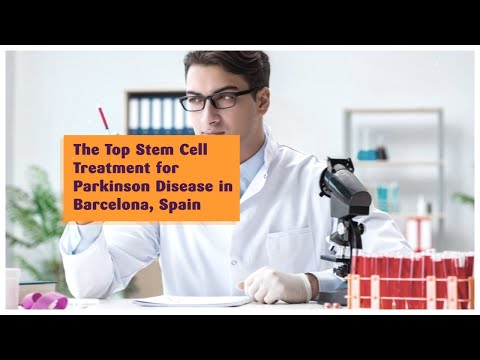



.png)



.png)


Share this listing