


The Complete Guide to Transformative Joint Pain Therapy with Stem Cell Treatment in Germany
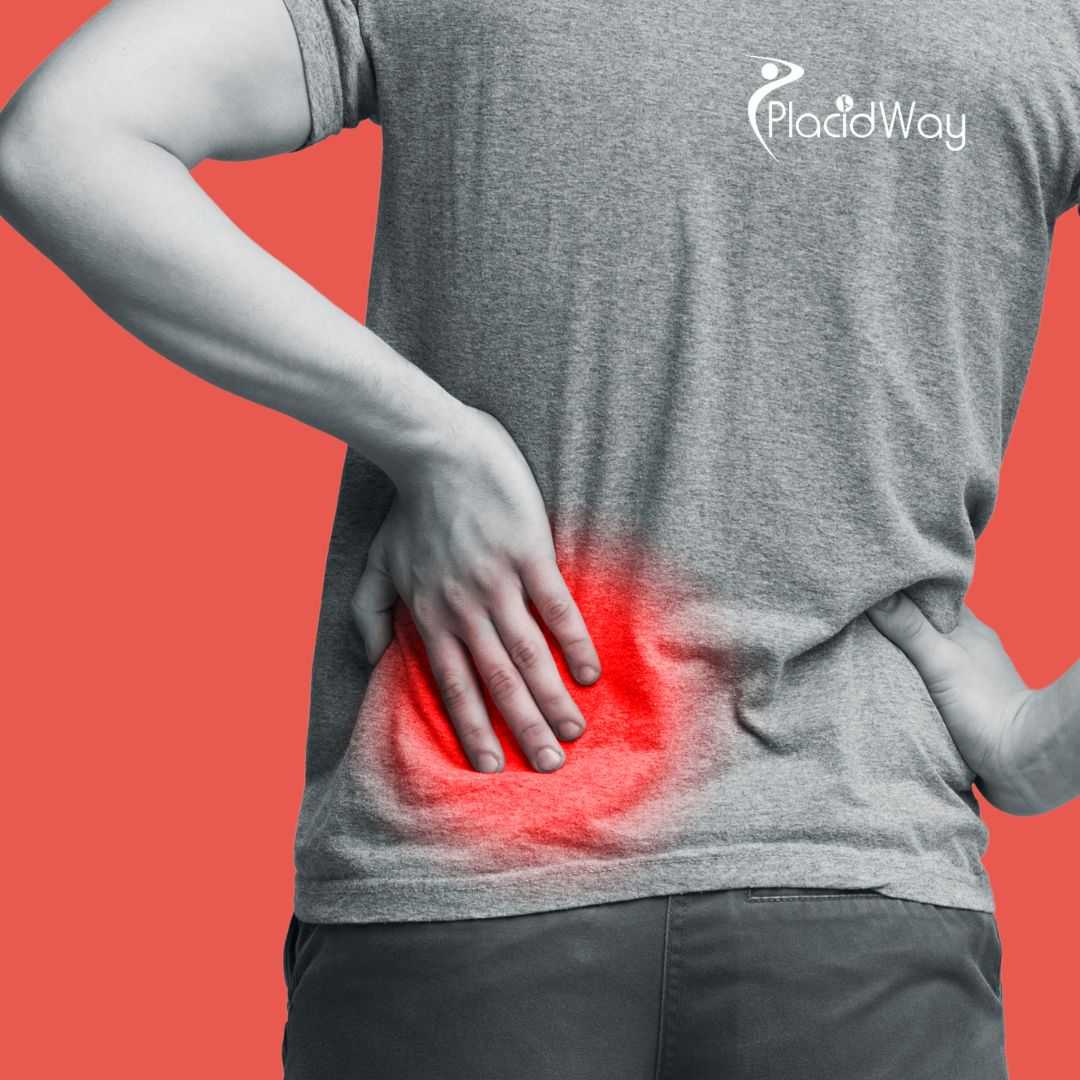
Joint pain dictates every aspect of daily living, turning simple, everyday tasks into monumental physical challenges. For decades, individuals suffering from severe osteoarthritis, cartilage degradation, or chronic joint deterioration have been presented with a notoriously grim set of options: lifelong reliance on harsh pharmaceutical painkillers, endless rounds of temporary corticosteroid injections, or undergoing highly invasive, permanent joint replacement surgery. Today, the medical landscape has dramatically shifted. Transformative joint pain therapy with stem cell treatment in Germany is revolutionizing the global approach to orthopedic care.
By harnessing the body’s own profound regenerative capabilities, cutting-edge German medical facilities are helping international patients avoid the operating table entirely. Why settle for managing symptoms when you can actively repair the underlying cellular damage? Watch to discover how strict German medical regulations, world-renowned orthopedic specialists, and advanced cellular therapies are converging to restore mobility, eliminate chronic pain, and give patients their active lives back.
Video Chapters & Quick Navigation
- The Burden of Chronic Joint Pain
- Why Choose Germany for Regenerative Medicine?
- The Science Behind Orthopedic Stem Cells
- Targeted Conditions and Joint Treatments
- Advanced Stem Cell Delivery Methods
- Cost Comparison: Germany vs. The US
- The Comprehensive Patient Journey
- Preparing for Your Orthopedic Trip
The Relentless Burden of Chronic Joint Pain
Understanding the mechanical failure of our bodies is the first step toward finding a viable, long-term solution. The human joint is a marvel of biological engineering, relying on a complex matrix of synovial fluid, ligaments, and smooth articular cartilage to provide frictionless movement. However, as we age, or following severe sports injuries, this vital cartilage begins to degrade. Because cartilage lacks a direct blood supply, its natural ability to heal itself is incredibly poor. This inevitably leads to bone-on-bone friction, severe inflammation, and the debilitating condition known as osteoarthritis.
For decades, standard medical protocols have focused entirely on symptom management rather than root-cause resolution. Patients are typically prescribed non-steroidal anti-inflammatory drugs (NSAIDs) which can cause severe gastrointestinal and cardiovascular issues over time. When pills fail, localized corticosteroid injections are offered. While these may temporarily mask the pain, clinical studies have proven that repeated cortisone use actually accelerates cartilage loss, leaving the joint in a worse state than before.
Ultimately, millions of patients are told that total joint replacement surgery is their only remaining path. This involves sawing away the natural bone and hammering in metal and plastic prosthetics. It requires months of painful rehabilitation, carries high risks of infection or blood clots, and the artificial joint has a limited lifespan. Regenerative medicine for joint pain offers a highly effective, scientifically validated alternative that halts this downward spiral and promotes genuine tissue repair without the scalpel.
Why Choose Germany for Regenerative Medicine?
When seeking advanced medical therapies, the regulatory environment and technological capability of the destination country are paramount. Germany has firmly established itself as the undisputed global leader in the field of regenerative orthopedics. Unlike many countries where stem cell treatments are either heavily restricted, mired in bureaucratic red tape, or offered in unregulated, sub-standard clinics, Germany strikes the perfect balance of relentless innovation and uncompromising patient safety.
The German healthcare system is governed by strict federal bodies, most notably the Paul-Ehrlich-Institut (PEI), which oversees all biological medicines and advanced therapy medicinal products (ATMPs). This rigorous oversight ensures that any stem cell therapy for joint pain in Germany adheres to the highest possible standards of sterility, cell viability, and ethical medical practice. Patients traveling to German clinics are not receiving experimental guesswork; they are receiving highly standardized, precision-engineered cellular therapies.
Furthermore, German medical culture is deeply rooted in precision and evidence-based results. The orthopedic specialists administering these therapies are often globally recognized pioneers in biomechanics and cellular biology. They operate out of state-of-the-art facilities equipped with advanced diagnostic imaging, proprietary cell-culturing laboratories, and specialized clean rooms that far exceed international hospital standards. This profound dedication to medical excellence is why professional athletes, executives, and chronic pain sufferers from the US, UK, and Canada make the journey to Germany every year.
The Science Behind Orthopedic Stem Cell Therapy
To truly appreciate the value of this treatment, one must understand the microscopic warfare happening inside a degenerating joint. The cornerstone of transformative joint pain therapy with stem cell treatment in Germany is the use of Mesenchymal Stem Cells (MSCs). MSCs are powerful, multipotent adult stem cells found naturally in the human body, most abundantly in bone marrow and adipose (fat) tissue. Unlike embryonic stem cells, adult MSCs carry zero ethical concerns and, when harvested from the patient's own body (autologous), carry no risk of immune rejection.
When a joint is suffering from osteoarthritis, the local environment is highly toxic, flooded with inflammatory cytokines that constantly break down tissue. Introducing a concentrated dose of MSCs into this environment dramatically alters the biological landscape through three distinct mechanisms:
1. Profound Immunomodulation
The immediate and most noticeable effect of MSC injection is massive reduction in inflammation. Stem cells act as intelligent biological directors; they sense the toxic, inflamed environment and release specific proteins that down-regulate the aggressive immune response, providing rapid and sustained pain relief that far outlasts cortisone.
2. Paracrine Signaling and Trophic Support
Stem cells secrete a rich soup of growth factors, cytokines, and extracellular vesicles (exosomes). This "paracrine effect" essentially wakes up the dormant, exhausted local cells in the joint, instructing the body's native repair mechanisms to shift from a state of degeneration into a state of active healing and regeneration.
3. Direct Cellular Differentiation
While less common than the signaling effect, MSCs possess the unique physical capability to differentiate, or transform, into chondrocytes—the very cells responsible for producing new, healthy cartilage matrix. This allows for the physical thickening and repairing of the joint lining over a period of months following the procedure.
Targeted Conditions and Joint Treatments
The versatility of advanced regenerative medicine in Germany means that it is not limited to a single body part. Orthopedic specialists have developed highly customized protocols to address specific biomechanical failures across the entire musculoskeletal system.
Knee Osteoarthritis and Meniscus Tears
The knee is the most common joint treated due to its weight-bearing nature and susceptibility to wear. Stem cell therapy for knee osteoarthritis in Germany has shown remarkable success rates. Patients facing imminent total knee arthroplasty (TKA) have successfully utilized cellular injections to repair torn menisci, stabilize ligaments, and regenerate the medial cartilage, resulting in restored range of motion and pain-free walking.
Hip Joint Degeneration
Hip osteoarthritis presents uniquely difficult challenges due to the depth of the joint and the massive forces it endures. Avascular necrosis (AVN), a condition where blood flow to the femoral head is disrupted causing bone death, is notoriously difficult to treat conventionally. German clinics utilize high-density bone marrow concentrate (BMAC) combined with stem cells to stimulate angiogenesis (new blood vessel formation) in the hip, saving the native joint from total collapse.
Shoulder Rotator Cuff and Labral Injuries
For athletes and active individuals, complex shoulder injuries often lead to chronic weakness and limited overhead mobility. Surgical repair of the rotator cuff has a notably high failure and re-tear rate. By injecting concentrated stem cells directly into the frayed tendon tissue, German orthopedists accelerate the tensile strengthening of the tendon, bypassing the need for extensive arthroscopic suturing and the brutal six-month recovery timeline.
Advanced Stem Cell Delivery Methods
The efficacy of stem cell treatment relies entirely on two factors: the quality of the harvested cells, and the precise accuracy of the reinjection. Simply injecting cells blindly into a joint capsule is an outdated and highly ineffective practice. Leading orthopedic centers in Germany utilize state-of-the-art image guidance technology to ensure absolute perfection.
During the procedure, doctors use high-resolution ultrasound or live fluoroscopy (real-time X-ray) to map the internal terrain of the joint. This allows the specialist to navigate the needle with millimeter precision, bypassing healthy tissue and depositing the concentrated stem cells directly into the microscopic fissures, osteochondral defects, and tears where they are needed most.
Furthermore, German clinics excel in specialized cell processing. They employ advanced closed-system centrifuges that isolate the maximum yield of viable stem cells from the patient's fat or bone marrow within minutes, ensuring the cells are not exposed to airborne contaminants and do not lose their potency before being reintroduced to the body.
Cost Comparison: Germany vs. The United States
When considering medical tourism, financial transparency is a critical factor. The cost of stem cell therapy for joint pain in the United States is famously opaque, wildly inconsistent, and rarely covered by major health insurance providers. US clinics often charge exorbitant fees for basic PRP (Platelet-Rich Plasma) under the guise of "stem cell therapy," while genuine, high-yield MSC treatments can cost tens of thousands of dollars.
In contrast, the cost of stem cell treatment in Germany is highly regulated, transparent, and significantly more comprehensive. Patients receive world-class care, superior cellular processing technology, and extensive post-operative monitoring for a fraction of the cost of comparable North American procedures.
| Treatment Aspect | United States | Germany |
|---|---|---|
| Average Cost per Joint | $8,000 - $15,000+ | $4,500 - $8,000 (Comprehensive) |
| Cell Culturing/Expansion | Severely Restricted by FDA | Permitted under strict PEI guidelines |
| Image-Guided Injection | Often billed separately as an add-on | Standard inclusion in all protocols |
| Overall Value | Low transparency, variable quality | High transparency, stringent regulations |
The financial advantage is clear, but the true value lies in the long-term outcome. Avoiding a $40,000 knee replacement surgery, alongside the associated loss of income during months of physical therapy, makes regenerative medicine in Germany an incredibly sound investment in one's long-term health and independence.
The Comprehensive Patient Journey: From Consultation to Recovery
Traveling across the globe for a medical procedure can seem daunting, but specialized clinics in Germany, supported by medical tourism facilitators like PlacidWay, have optimized the patient journey to be entirely seamless and stress-free. The process begins long before you board a plane.
Pre-Arrival Evaluation and Telemedicine
Patients begin by submitting their recent MRI scans and medical records through a secure, encrypted portal. German orthopedic specialists meticulously review these diagnostics to determine if the patient is a viable candidate for cellular therapy. A comprehensive telemedicine video consultation is then conducted to discuss expectations, exact protocols, and answer all clinical questions.
The Procedure Day Experience
Upon arrival at the clinic, patients undergo a final physical examination and bloodwork. The procedure itself is typically done on an outpatient basis under local anesthesia or light sedation. First, the doctor performs a minimally invasive extraction—often a mini-liposuction to gather adipose tissue, or a marrow aspiration from the iliac crest (pelvis). While the patient rests comfortably, the tissue is processed in the on-site lab to isolate millions of highly potent stem cells. Within hours, these cells are precisely injected into the targeted joint under image guidance.
Post-Operative Care and Rehabilitation
Unlike invasive surgery, the downtime is minimal. Patients can usually walk out of the clinic the very same day. Some mild soreness at the injection and extraction sites is expected for a few days. The medical team provides detailed post-care protocols, emphasizing joint protection for the first two weeks, followed by highly specific physiotherapy exercises designed to stimulate blood flow and support the newly regenerating tissue. Over the subsequent 3 to 6 months, patients typically experience a profound decrease in pain and a remarkable increase in joint mobility as the structural repair takes hold.
Preparing for Your Orthopedic Trip to Europe
Combining world-class medical treatment with the opportunity to recover in the heart of Europe is a profound experience. Cities like Munich, Frankfurt, and Berlin are not only medical hubs but cultural treasures. However, traveling with chronic joint pain requires careful preparation and logistical support.
First, ensure your passport is valid for at least six months beyond your planned date of departure. Most North American and UK citizens do not require a visa for short medical stays in Germany, but it is always vital to verify current regulations. Pack comfortable, loose-fitting clothing that allows easy access to the treated joint, and slip-on supportive footwear to minimize bending.
Because navigating airports and foreign transit systems can exacerbate joint pain, it is highly recommended to arrange mobility assistance (wheelchair service) through your airline in advance. Through PlacidWay, patients can book comprehensive all-inclusive packages that eliminate travel stress entirely. These curated packages typically include VIP airport transfers, ground transportation in comfortable vehicles, and accommodations in carefully vetted hotels situated near the medical facility that cater specifically to patients with limited mobility.
Choosing to undergo transformative joint pain therapy with stem cell treatment in Germany is a definitive step toward reclaiming your life. It is a decision to reject the limitations of chronic pain and embrace the absolute pinnacle of modern regenerative science. With expert guidance, unparalleled medical precision, and a commitment to whole-body healing, your journey to a pain-free, active future begins in Europe.
Ready to Reclaim Your Mobility in Germany?
Don't let chronic joint pain dictate your life or push you toward irreversible surgery. PlacidWay Medical Tourism connects you directly with the most advanced, certified regenerative orthopedic clinics in Germany. Let us handle your medical travel details while you focus on genuine healing.
GET A FREE CLINICAL EVALUATION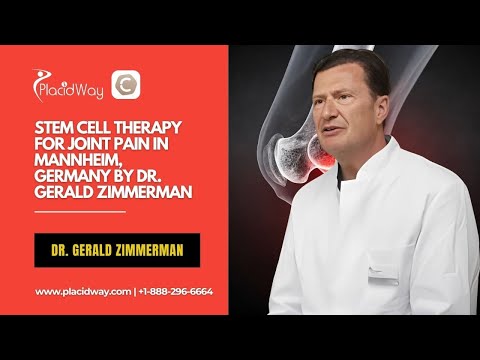















Share this listing