


The Complete Guide to Spinal Hernia Laser Treatment in Tassi, Italy, Europe
Living with the debilitating agony of sciatic nerve compression or chronic lower back pain can completely drain the joy from your daily life. For thousands of global patients, finding a permanent, minimally invasive solution often feels like an impossible dream. However, advanced European medical tourism offers a groundbreaking path forward. Today, seeking Spinal Hernia Laser Treatment in Tassi, Italy, Europe has become the premier choice for individuals wanting rapid relief without the severe risks associated with open back surgery.
Patients no longer have to endure endless cycles of ineffective physical therapy or face the daunting prospect of highly invasive spinal fusion procedures. By leveraging state-of-the-art percutaneous laser disc decompression (PLDD) under the guidance of world-renowned specialists, you can reclaim your mobility. Watch this comprehensive breakdown to understand how Italian medical innovation is transforming spine care, offering international patients a safe, cost-effective, and highly successful route to a pain-free life.
Video Chapters & Quick Navigation
Understanding Spinal Hernia and Chronic Back Pain
To fully grasp why minimally invasive laser spine surgery is so revolutionary, we must first understand the anatomical nightmare that is a herniated disc. The human spine is a complex column of bones separated by soft, shock-absorbing discs. Each of these intervertebral discs acts as a crucial cushion, preventing bone-on-bone friction during everyday movements.
These discs consist of a tough outer layer called the annulus fibrosus and a jelly-like inner core known as the nucleus pulposus. As highlighted in the video at , when the spine experiences trauma, age-related degeneration, or improper lifting strain, this tough outer layer can tear. Consequently, the inner jelly protrudes outward, creating what medical professionals diagnose as a slipped or herniated disc.
The Ripple Effect of Nerve Compression
The core issue with a herniated disc is not just the structural damage to the disc itself, but the severe collateral damage it causes to the surrounding nervous system. The protruding disc material frequently presses directly against sensitive spinal nerve roots. This intense mechanical pressure and resulting chemical inflammation trigger excruciating pain signals.
Patients typically experience radiculopathy, which is pain that radiates outward from the spine. In the lower back, this manifests as severe sciatica, shooting electrical pain down the buttocks, legs, and even into the feet. In the cervical spine, it causes numbness, tingling, and weakness radiating down the arms and hands.
When Conservative Back Pain Treatments Fail
Standard medical protocol dictates that a herniated disc should first be treated with conservative, non-surgical measures. Patients are often prescribed a grueling regimen of non-steroidal anti-inflammatory drugs (NSAIDs), muscle relaxants, and intensive physical therapy. Furthermore, pain management doctors may administer epidural steroid injections to temporarily numb the affected nerve roots.
Unfortunately, for a significant percentage of chronic pain sufferers, these traditional treatments only mask the symptoms without addressing the root mechanical compression. When conservative therapy fails after several months, patients are historically told their only remaining option is highly invasive open back surgery. This grim prognosis is exactly why alternative treatments abroad have surged in popularity.
The Evolution of Minimally Invasive Spine Surgery in Europe
The landscape of neurosurgery has undergone a monumental shift over the past three decades, particularly within European medical centers. Historically, the gold standard for treating a stubborn herniated disc was an open microdiscectomy or a full laminectomy. These traditional approaches required general anesthesia, a large surgical incision, and the traumatic stripping of back muscles away from the spine.
While often effective at relieving nerve compression, traditional open spine surgery carries substantial inherent risks. Patients frequently suffer from extensive post-operative scarring, which can tether the nerve roots and cause a condition known as failed back surgery syndrome (FBSS). Moreover, the removal of stabilizing bone and ligament during open surgery can lead to long-term spinal instability, sometimes necessitating future spinal fusion.
The Shift Toward Micro-Interventions
Recognizing the severe drawbacks of traditional open surgery, pioneering neurosurgeons began seeking alternative methods to decompress the spinal nerves. The primary goal was to achieve the exact same nerve relief without destabilizing the spine or creating large surgical wounds. This relentless pursuit of tissue-preserving techniques led to the development of percutaneous (through the skin) interventions.
European medical institutions, unbound by some of the slower bureaucratic approval processes seen in North American insurance models, rapidly adopted and refined these micro-interventions. Advanced imaging technology allowed surgeons to navigate the spine using tiny needles rather than scalpels. This precise, targeted approach drastically minimized collateral tissue damage.
The Introduction of Laser Technology in Spinal Care
The true breakthrough arrived with the integration of medical laser technology into spinal care. By combining high-resolution fluoroscopic imaging with advanced laser energy, surgeons gained the ability to modify internal disc structures through a mere needle puncture. As discussed at , this technological leap represented a paradigm shift in neurosurgery.
Laser spine surgery allowed for the outpatient treatment of conditions that previously required a week-long hospital stay. The precision of the laser ensures that surrounding healthy tissues, vital nerves, and stabilizing spinal structures remain completely untouched. Consequently, the recovery timeline for patients was reduced from several arduous months to just a few short weeks.
What is Percutaneous Laser Disc Decompression (PLDD)?
Percutaneous Laser Disc Decompression, widely abbreviated as PLDD, is the premier minimally invasive laser procedure utilized to treat contained herniated discs. It is a highly specialized technique that relies on precise biophysics rather than manual cutting or tissue extraction. The procedure is performed entirely under local anesthesia, eliminating the risks associated with general anesthetics.
During a PLDD procedure, the patient remains awake and comfortably positioned on a specialized operating table. The neurosurgeon uses real-time fluoroscopic X-ray guidance to carefully insert a microscopic needle into the exact center of the damaged spinal disc. There is no surgical incision, no muscle tearing, and absolutely no bone removal involved in this delicate process.
The Physics of Laser Decompression
Once the hollow needle is perfectly positioned within the nucleus pulposus, a remarkably thin optical laser fiber is threaded through it. The surgeon then delivers highly calibrated pulses of laser energy—typically using an Nd:YAG or diode laser—directly into the disc's core. This laser energy is precisely absorbed by the water content inside the gelatinous nucleus.
The absorption of laser energy instantly vaporizes a very small volume of the disc's inner fluid, converting it into gas which escapes through the needle. While the volume of vaporized tissue is minuscule, it creates a disproportionately massive drop in intradiscal pressure. This fundamental principle of physics is the core mechanism behind the success of PLDD.
Retraction of the Herniation
By drastically lowering the pressure inside the disc, a localized vacuum effect is generated. This internal vacuum gently pulls the herniated portion of the disc away from the compressed spinal nerve root. As the bulging material recedes, the nerve is finally freed from its mechanical prison, and the inflammatory pain cycle is immediately halted.
Patients frequently report an instant cessation of their radiating leg or arm pain while still lying on the operating table. Because the outer structure of the disc remains intact and the spinal muscles are untouched, the structural integrity of the back is completely preserved. Following a brief observation period, the patient is able to walk out of the clinic the very same day.
Why Choose Dr. Tassi in Italy for Laser Treatment?
When seeking highly specialized medical interventions abroad, the expertise of the attending surgeon is the single most critical factor in determining success. In the realm of European minimally invasive spine surgery, Dr. Gian Paolo Tassi stands out as a preeminent pioneer. Based in Italy, Dr. Tassi has dedicated his extensive medical career to mastering and advancing percutaneous spinal techniques.
Dr. Tassi is internationally recognized for his exceptional proficiency in PLDD. He trained directly under the original inventors of the procedure and has since performed thousands of successful laser decompressions. His clinic in Italy attracts a massive influx of international patients from the United States, the UK, and Canada, all seeking his highly specialized surgical hands.
The Italian Medical Tourism Advantage
Choosing Italy for your spinal surgery is not just about accessing top-tier surgical talent; it is also about benefiting from one of the world's most advanced healthcare systems. Italian medical facilities operate under incredibly stringent European Union health and safety regulations. Patients receive care in pristine, ultra-modern private hospitals equipped with the latest neuro-navigation technology.
Furthermore, the standard of patient care in Italian private clinics is famously luxurious and deeply personalized. Unlike the crowded, high-volume surgical centers often found in North America, international patients in Italy receive dedicated, unhurried attention. The medical staff ensures that every aspect of the patient's pre-operative and post-operative experience is meticulously managed.
Recovering in a Mediterranean Paradise
The environment in which you recover plays a surprisingly significant role in your overall healing process. Medical tourism in Italy offers the unparalleled advantage of recovering in a stunning Mediterranean setting. Stress significantly hinders the body's natural healing mechanisms, and there are few places less stressful than the picturesque Italian countryside or coastline.
After their brief outpatient procedure, patients can spend their initial recovery days enjoying gentle walks, mild Mediterranean weather, and world-renowned anti-inflammatory cuisine. This holistic approach to post-surgical care transforms a daunting medical procedure into a restorative health retreat. It completely redefines the daunting experience of spine surgery.
Comparing Laser Surgery vs. Traditional Microdiscectomy
When deciding on a treatment path, patients must carefully weigh the differences between traditional open surgery and minimally invasive laser options. The distinction between these two modalities is profound, impacting everything from anesthesia risks to long-term spinal stability. To provide absolute clarity, we must break down the core differences step by step.
The video points out at that while both procedures aim to decompress the nerve, their methods of achieving this goal are vastly different. Traditional microdiscectomy involves physically cutting away the herniated disc material. In contrast, PLDD relies on physics to retract the herniation from the inside out.
| Feature | Traditional Microdiscectomy | PLDD (Laser Treatment) |
|---|---|---|
| Anesthesia Type | General Anesthesia | Local Anesthesia |
| Incision Size | 1 to 2 inches | 1 millimeter (Needle puncture) |
| Muscle Damage | Muscles stripped from bone | Zero muscle damage |
| Hospital Stay | 1 to 3 days inpatient | Outpatient (Discharged same day) |
| Recovery Timeline | 6 to 12 weeks | 1 to 2 weeks |
| Scar Tissue Risk | High risk of epidural scarring | Virtually no internal scarring |
Why Preservation Matters
The data presented in the comparison table strongly highlights the superiority of the laser approach for eligible patients. Avoiding general anesthesia alone eliminates a vast array of potential cardiovascular and respiratory complications. Furthermore, preserving the paraspinal muscles means patients do not have to undergo months of agonizing rehabilitation just to regain basic core strength.
Epidural fibrosis, or the formation of dense scar tissue around the spinal nerves after open surgery, is a leading cause of long-term surgical failure. Because PLDD utilizes a tiny needle rather than a scalpel, the body's aggressive scarring response is never triggered. The nerve remains free, clear, and unencumbered by post-surgical fibrous bands.
The Patient Journey: From Remote Consultation to Recovery
Embarking on a medical journey across international borders may initially sound intimidating to patients dealing with chronic pain. However, specialized medical tourism facilitators like PlacidWay have completely streamlined the process. The entire patient journey is meticulously orchestrated to ensure zero stress and maximum clinical efficiency.
The process begins entirely from the comfort of your own home. Prospective patients are asked to submit their recent MRI scans and medical history via a secure digital portal. Dr. Tassi and his elite team review these diagnostic images remotely to confirm if the patient is an ideal candidate for percutaneous laser disc decompression.
Arrival and Pre-Operative Care in Italy
Once candidacy is confirmed and the trip is booked, patients are typically greeted at the Italian airport by a dedicated medical concierge. You are transported directly to your comfortable hotel accommodation near the surgical facility. The following day, you will attend a comprehensive in-person consultation with Dr. Tassi to discuss the procedure and address any lingering questions.
During this pre-operative visit, updated imaging or blood work may be conducted to ensure maximum safety. The surgical team takes immense pride in explaining the exact biophysics of the laser treatment to the patient. This transparent, educational approach drastically reduces pre-surgical anxiety and builds immense trust between the doctor and patient.
The Procedure Day and Immediate Aftermath
On the day of the procedure, patients walk into the clinic and are prepped for local anesthesia. The actual laser delivery usually takes less than forty-five minutes per disc level. As noted at , patients remain conversant throughout the operation, often providing real-time feedback to the surgeon as their leg pain vanishes.
Following a short monitoring period of roughly two hours, patients are discharged with a small bandage over the needle puncture site. There are no stitches to remove and no drains to manage. Patients spend the next few days relaxing at their Italian hotel, engaging in light walking to promote blood flow, before safely boarding their flight back home.
Cost Analysis of Spine Surgery in Europe vs. North America
The financial burden of chronic back pain and subsequent surgical intervention is astronomical, particularly in the United States. Even with premium health insurance, out-of-pocket deductibles and co-pays for an inpatient microdiscectomy can easily bankrupt a family. Uninsured or underinsured patients face terrifying hospital bills that frequently exceed $30,000 to $50,000.
In the United Kingdom, while the NHS provides free care, the waiting lists for non-emergency spinal surgery can stretch into multiple years. Private spinal surgery in the UK is prohibitively expensive, often costing upwards of £15,000. These financial and temporal barriers leave millions of patients suffering needlessly in agonizing pain while waiting for relief.
The Affordability of Excellence in Italy
Traveling to Italy for PLDD with Dr. Tassi offers a radical financial alternative without compromising a single ounce of medical quality. Comprehensive laser spine treatment packages in Italy typically cost 50% to 70% less than equivalent private procedures in the US or UK. This massive cost reduction is driven by lower administrative overhead, transparent pricing models, and the lack of predatory hospital markups.
A typical medical tourism package usually encompasses the surgeon's fee, the clinic and laser equipment costs, pre-operative consultations, and all necessary post-operative medications. Even when factoring in the cost of international flights and a week-long stay in a beautiful Italian hotel, patients still save thousands of dollars. It represents a monumental triumph of value-based global healthcare.
Long-Term Success Rates and Patient Outcomes
Cost and convenience mean very little if the medical procedure does not yield lasting results. Fortunately, the clinical data surrounding percutaneous laser disc decompression is overwhelmingly positive. Extensive medical studies and peer-reviewed journals report long-term success rates ranging between 75% and 85% for properly selected PLDD candidates.
The crucial phrase is "properly selected." PLDD is incredibly effective for contained herniations where the outer annulus is still intact. Because Dr. Tassi rigorously screens his international patients via their MRI scans, his personal success rates are exceptionally high. Patients who adhere to the straightforward post-operative guidelines rarely experience a recurrence of their sciatica.
Safeguarding Your Spine Post-Surgery
While the laser miraculously fixes the immediate mechanical compression, long-term spinal health requires patient participation. Following their return home, patients are encouraged to engage in dedicated core strengthening programs. Building a robust muscular corset around the spine dramatically reduces the daily physical load placed on the freshly healed intervertebral discs.
Additionally, patients are educated on proper ergonomic practices and safe lifting techniques. Maintaining a healthy body weight also plays a vital role in preventing future disc herniations. By combining the brilliant, minimally invasive work of Italian neurosurgeons with a commitment to spinal hygiene, patients can look forward to decades of active, entirely pain-free living.
Ready to Cure Your Back Pain in Italy?
Stop letting a herniated disc dictate your life. Connect with Dr. Tassi's elite clinic in Italy through PlacidWay Medical Tourism. Receive a free MRI review and personalized quote for minimally invasive laser spine surgery.
GET A FREE QUOTE & MRI REVIEW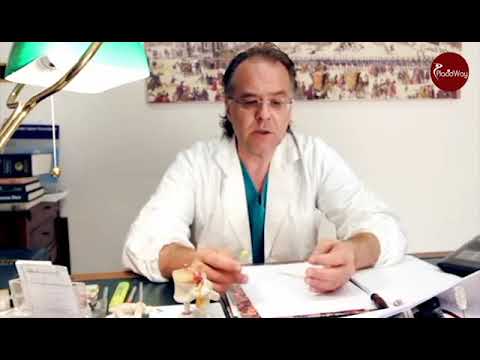




.png)


.png)










Share this listing