


The Ultimate Guide to Complex Dental Restorations in Los Algodones, Mexico
For patients facing severe tooth decay or catastrophic tooth loss, the exorbitant cost of full mouth reconstruction in the United States often feels like an insurmountable barrier. However, a transformative solution lies just across the border. Successfully completing complex procedures—including 5 dental implants, bilateral sinus lifts, and a complete set of custom dental crowns and bridges—is entirely possible and highly affordable in Los Algodones, Mexico. Known globally as Molar City, this medical tourism hub offers world-class restorative dentistry, allowing patients to reclaim their oral health, chewing functionality, and aesthetic confidence without draining their life savings.
Video Chapters & Quick Navigation
The Rise of the Molar City Phenomenon
Los Algodones, affectionately known as "Molar City," is a small Mexican border town situated just steps away from Yuma, Arizona. Over the past two decades, this compact geographic area has transformed into the undisputed global capital of dental tourism. With over 300 dental clinics packed into a few square miles, the concentration of dental expertise is unparalleled. Millions of North Americans cross the border annually, seeking everything from routine cleanings to highly complex oral surgeries.
The appeal of Los Algodones goes far beyond mere cost savings. The region has attracted top-tier dental talent, with many oral surgeons, periodontists, and implantologists holding advanced degrees and certifications from prestigious institutions in the United States and Europe. Clinics in Los Algodones are frequently equipped with state-of-the-art technology, including 3D Cone Beam Computed Tomography (CBCT) scanners, intraoral digital scanners, and in-house CAD/CAM milling machines. This allows for precision diagnostics and rapid fabrication of dental prosthetics.
For a patient requiring an extensive restoration protocol—such as the placement of five dental implants paired with two sinus lifts—the expertise found in Molar City is highly reassuring. As discussed in the patient testimonial , the collaborative environment among specialists in these mega-clinics ensures that surgical and restorative phases are executed seamlessly.
The Engineering and Strategy Behind 5 Dental Implants
When a patient presents with multiple missing teeth or terminal dentition, a full or partial arch reconstruction is required. While many patients are familiar with the All-on-4 concept, a customized treatment plan involving exactly five dental implants is often the most biomechanically sound choice for specific jaw structures. Dental implants are biocompatible titanium posts surgically embedded into the jawbone, acting as artificial tooth roots.
The Science of Osseointegration
The success of these titanium posts relies heavily on a biological process known as osseointegration. Once placed, the living bone tissue of the jaw heals and fuses directly to the microscopic porous surface of the implant. This fusion creates an incredibly stable foundation that prevents the implants from shifting, slipping, or causing the friction commonly associated with traditional removable dentures. Proper osseointegration is the cornerstone of long-term implant survival, often lasting a lifetime with appropriate care.
Why Five Implants?
The strategic placement of five implants is a calculated engineering decision made by the implantologist. Unlike a standard four-implant system, a fifth implant offers additional load-bearing distribution. This is particularly crucial when restoring an upper arch, where bone density is naturally softer and more porous than the lower mandible. By adding a fifth anchor point, the spanning distance between each implant is reduced. This drastically minimizes the risk of prosthetic fracture and ensures that the biting forces generated during chewing are evenly dispersed across the jawbone. showcases the dramatic structural difference this customized approach provides to patients requiring robust bite strength.
Overcoming Bone Loss: Understanding Bilateral Sinus Lifts
One of the most significant anatomical hurdles in upper jaw restoration is the proximity of the maxillary sinuses. When teeth in the back of the upper jaw (premolars and molars) are lost, the surrounding alveolar bone rapidly begins to resorb or melt away due to a lack of stimulation. Simultaneously, the air-filled sinus cavities located just above this area tend to expand downward into the empty space. This results in an inadequate vertical volume of bone to safely anchor a titanium dental implant.
The Mechanics of the Sinus Lift Procedure
To safely install posterior implants, an oral surgeon must perform a sinus augmentation, commonly referred to as a sinus lift. When a patient requires implants on both the left and right sides of the upper posterior maxilla, a bilateral sinus lift (2 sinus lifts) is prescribed. During this delicate surgical procedure, the doctor creates a small window in the exposed jawbone to access the sinus cavity. The delicate Schneiderian membrane lining the sinus is gently gently pushed upward, or "lifted."
Once the membrane is elevated, the newly created space beneath it is packed with a specialized bone grafting material. This material acts as a scaffold, encouraging the patient's own body to regenerate natural bone over a period of four to six months. Depending on the existing bone height, implants may be placed simultaneously with the sinus lift, or the surgeon may require the graft to fully heal and solidify before drilling the implants.
Bone Grafting Materials Used in Mexico
Top-tier clinics in Los Algodones utilize internationally recognized, FDA-approved bone grafting materials. These typically include:
- Allografts: Human donor bone that has been rigorously sterilized and processed.
- Xenografts: Bovine (cow) or porcine (pig) derived bone minerals, highly favored for their structure and ability to maintain volume.
- Alloplasts: Synthetic, biocompatible materials made from calcium phosphate.
Restoring Function and Aesthetics with Custom Crowns and Bridges
While implants serve as the unseen foundational roots, the dental crowns and bridges are the visible, functional components that restore the beauty of a smile. After the five implants have successfully osseointegrated, small connector pieces called abutments are attached. These abutments serve as the mounting platform for the final prosthetics. In a complex restoration, a combination of single crowns and multi-tooth bridges are expertly engineered to fit over the five implant posts.
The Role of Implant-Supported Bridges
An implant-supported bridge is a continuous row of artificial teeth anchored by implants rather than natural teeth. For a patient with five implants, a series of custom bridges can be designed to replace an entire arch of up to 12 or 14 teeth. This completely eliminates the need for an individual implant per missing tooth, which would be surgically excessive and financially prohibitive. The bridges "bridge the gap" between the implant posts, providing a seamless, natural-looking gumline and optimal chewing efficiency.
Material Selection: Zirconia vs. Porcelain
The choice of material for the final crowns and bridges is critical to both the longevity and aesthetic success of the procedure. Clinics in Los Algodones offer the same premium materials found in Beverly Hills or Manhattan. details the transformative moment when the final zirconia prosthetics are securely attached, instantly restoring youthful facial contours.
- Monolithic Zirconia: Known as white steel, zirconia is exceptionally durable and highly resistant to chipping or fracturing. It is ideal for patients with a heavy bite or a history of teeth grinding (bruxism).
- Porcelain Fused to Metal (PFM): A traditional and highly reliable option where an inner metal framework is covered in aesthetic porcelain.
- E-Max (Lithium Disilicate): Highly translucent and unparalleled for front-tooth aesthetics, mimicking the light-reflecting properties of natural enamel flawlessly.
Comprehensive Cost Comparison: United States vs. Los Algodones
The primary catalyst driving patients to Los Algodones for extensive treatments like 5 implants, 2 sinus lifts, and full bridge restorations is the dramatic disparity in healthcare pricing. Dental care in the US is burdened by high administrative costs, exorbitant malpractice insurance premiums, and high laboratory fees. In contrast, Mexican clinics operate with lower overhead while frequently utilizing in-house dental laboratories, passing immense savings directly to the patient.
To illustrate the financial impact, consider the breakdown of these advanced procedures. Keep in mind that prices are estimates and vary based on the specific premium brand of implant (e.g., Straumann, Nobel Biocare, or Megagen) and the chosen prosthetic material.
| Dental Procedure | Estimated Cost (US/Canada) | Estimated Cost (Los Algodones) | Estimated Savings |
|---|---|---|---|
| Single Titanium Implant (Post Only) | $2,000 - $3,500 | $750 - $1,200 | Up to 70% |
| Sinus Lift Surgery (Per Side) | $1,500 - $3,000 | $400 - $800 | Up to 75% |
| Zirconia Crown (Per Unit) | $1,200 - $2,500 | $350 - $550 | Up to 80% |
| Implant-Supported Bridge (3-Unit) | $4,000 - $7,000 | $1,200 - $1,800 | Up to 75% |
| Total Package Estimate (5 Implants, 2 Lifts, Full Arch Bridge) | $35,000 - $55,000+ | $9,500 - $14,000 | Massive Savings |
The Phased Treatment Timeline for Complex Cases
It is crucial to understand that a comprehensive restoration involving bone grafting, multiple implants, and fixed bridges is not a single-day procedure. To ensure medical safety and the highest rate of long-term success, reputable clinics in Los Algodones strictly adhere to a phased, multi-trip treatment protocol. Attempting to rush biological healing processes severely increases the risk of implant failure and severe infections.
Trip 1: The Surgical Phase
The initial visit typically requires a stay of three to five days. Upon arrival, the patient undergoes exhaustive 3D imaging, blood tests, and consultations. Once cleared, the oral surgeon performs the necessary extractions, executes the two sinus lifts, and strategically places the five titanium dental implants into the jaw. Following the surgery, the patient is fitted with a temporary, removable prosthetic to ensure they do not leave without functional teeth. The patient is then sent home to heal. This critical healing phase, known as osseointegration, requires patience and typically lasts between four to six months.
Trip 2: The Restorative Phase
Once the jawbone has completely fused with the titanium posts and the sinus grafts have hardened into solid bone, the patient returns to Los Algodones for the final phase. During this second trip, which usually lasts five to seven days, the temporary healing caps are removed, and digital impressions are taken. The clinic's specialized dental laboratory then custom-mills the permanent zirconia crowns and bridges. The prosthodontist meticulously checks the bite alignment, shading, and fit before permanently cementing or screwing the final restorations onto the implants. captures the emotional reveal when the patient sees their permanent, fully restored smile for the first time.
Navigating the Logistics of Traveling to Molar City
The logistical ease of accessing Los Algodones is a major factor in its popularity. For patients traveling from across the United States or Canada, the standard route involves flying into Yuma International Airport (YUM) in Arizona. Alternatively, some patients fly into Phoenix or San Diego and drive to the border.
The Andrade border crossing is exceptionally pedestrian-friendly. Most dental tourists choose to park their vehicles in the massive, secure parking lots on the US side and simply walk across the border into Mexico. The moment you step into Los Algodones, you are immediately greeted by an incredibly safe, tourist-oriented environment heavily monitored by local authorities. Virtually all dental staff, restaurant workers, and pharmacists in the town speak fluent English, completely eliminating any language barriers. To accommodate the influx of medical tourists, premium dental clinics frequently offer complementary concierge services, including airport shuttles, VIP border fast-passes, and partnerships with local boutique hotels.
Long-Term Aftercare Strategies for Implant Survival
Investing in 5 dental implants, bilateral sinus lifts, and custom bridges is a life-changing medical achievement. However, the responsibility of maintaining this investment rests heavily on the patient's daily habits. While titanium and zirconia cannot develop cavities, the surrounding gum tissue and remaining natural bone are still highly susceptible to bacterial infections, a condition known as peri-implantitis.
Meticulous oral hygiene is mandatory. Patients with fixed implant bridges must invest in a high-quality water flosser (such as a Waterpik) to flush out microscopic food debris trapped beneath the bridge pontics. Traditional brushing twice a day with a non-abrasive toothpaste is essential to prevent scratching the glaze on the crowns. Furthermore, if a patient has a history of grinding their teeth at night, a custom-fitted occlusal night guard must be worn diligently. The immense biting force generated during nocturnal grinding can chip even the strongest zirconia ceramics and exert dangerous lateral pressure on the underlying implants. Routine professional cleanings, either at home or by returning to your clinic in Los Algodones annually, ensure your restorations remain pristine and structurally sound for decades to come.
Ready to Reclaim Your Smile and Your Confidence?
Don't let the high cost of local dental care keep you from living a pain-free, fulfilling life. PlacidWay connects you with globally accredited, elite dental clinics in Los Algodones, Mexico. Let our experts orchestrate your complex dental restoration with precision, safety, and massive savings.
REQUEST YOUR FREE QUOTE TODAY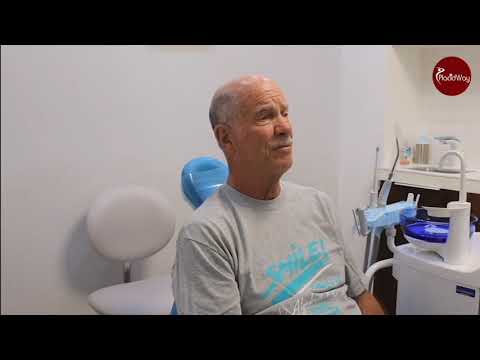





.png)










Share this listing