


Patient Richard Undergoes Hair Transplant at Clinic Center in Istanbul: A Complete Guide
Hair loss can profoundly impact your confidence, but modern medical tourism offers a life-changing, highly accessible solution. In this detailed look at how Patient Richard undergoes a hair transplant at Clinic Center in Istanbul, Turkey, we explore the transformative journey of permanent hair restoration. If you are struggling with a receding hairline, thinning crown, or severe male pattern baldness, navigating the vast array of global surgical options can feel overwhelming.
This comprehensive review breaks down everything you need to know about premium hair transplant surgery in Turkey. From understanding advanced Follicular Unit Extraction (FUE) techniques and unmatched cost-effective packages to detailed recovery timelines and world-class clinical standards, discover why thousands of international patients trust Istanbul to restore their hair and their self-esteem.
Video Chapters & Quick Navigation
The Rise of Hair Transplant Medical Tourism in Turkey
Over the past decade, Istanbul has firmly established itself as the undisputed global capital of hair restoration. Patients suffering from Androgenetic Alopecia (genetic male pattern baldness) are increasingly looking beyond their local borders for viable medical solutions. The primary driver of this mass medical migration is a unique convergence of highly specialized surgical expertise, state-of-the-art clinical infrastructure, and remarkably accessible pricing.
The Turkish government has heavily subsidized the medical tourism sector, allowing top-tier medical facilities to invest in the latest technologies without passing exorbitant costs onto the patient. As seen when Patient Richard arrives in Istanbul, the experience is designed to be entirely stress-free. From VIP airport transfers to luxury hotel accommodations, the medical tourism infrastructure in Turkey is built around international patient comfort and safety.
Furthermore, because Turkish hair transplant surgeons perform thousands of procedures annually, their practical experience far exceeds that of many western counterparts. This high volume of specialized FUE hair transplant surgeries translates directly into refined surgical skills, higher graft survival rates, and masterfully natural-looking hairline designs.
Patient Richard’s Initial Consultation and Hairline Design
The success of any permanent hair restoration surgery begins long before the first incision is made. It starts with a rigorous and personalized medical consultation. For international patients like Richard, the process usually begins with an online assessment where photographs of the scalp are analyzed to estimate graft requirements and confirm surgical candidacy.
Upon arriving at Clinic Center, the in-person consultation takes this a step further. As shown at , the medical team conducts a thorough examination of the donor area (typically the back and sides of the head). This area is genetically resistant to Dihydrotestosterone (DHT), the primary hormone responsible for hair follicle miniaturization and subsequent hair loss. The doctor must meticulously calculate the donor capacity to ensure that removing grafts will not leave the back of the head looking overharvested or visibly thin.
The Art of Facial Symmetry
One of the most critical aspects of the consultation is the drafting of the new hairline. A poorly designed hairline is the most obvious telltale sign of a low-quality hair transplant. Top surgeons in Istanbul utilize facial proportion metrics—often referred to as the Golden Ratio—to map out a hairline that frames the face naturally. They take into account the patient's age, future hair loss projections, and natural temple angles to ensure the result looks completely natural both immediately after recovery and decades down the line.
The Core Technologies: Sapphire FUE and DHI Techniques
The days of painful, linear scar-producing FUT (Follicular Unit Transplantation) surgeries are largely behind us. Leading clinics in Turkey primarily utilize advanced variations of the FUE (Follicular Unit Extraction) method. Understanding these technological advancements is vital for anyone considering traveling for a hair transplant.
- Classic FUE (Follicular Unit Extraction): Individual hair follicles are harvested one by one using a micro-motor punch tool typically ranging from 0.7mm to 0.9mm in diameter. This leaves only microscopic dot scars that are virtually invisible to the naked eye once healed.
- Sapphire FUE: An evolution of the classic method where the recipient channels (the tiny incisions where the new hair will be placed) are opened using blades crafted from pure sapphire rather than traditional steel. Sapphire blades are sharper, smoother, and allow for much denser packing of grafts. More importantly, they minimize tissue trauma, resulting in significantly faster healing times and less postoperative swelling.
- DHI (Direct Hair Implantation): This technique utilizes a specialized tool called a Choi Implanter Pen. It allows the surgeon to extract and implant the follicle simultaneously without needing to pre-open recipient channels. DHI is exceptionally effective for adding density among existing hairs without requiring the patient to completely shave their recipient area.
During Patient Richard's procedure at , the utilization of these precise micro-surgical tools guarantees maximum graft viability and an aesthetic outcome that seamlessly blends with his native hair characteristics.
The Surgical Process: What Happens Inside the Operating Room
A full hair transplant session typically takes between 6 to 8 hours, depending on the number of grafts required. The length of the surgery underscores the need for a comfortable, state-of-the-art medical environment. The procedure is broken down into three highly meticulous phases, ensuring optimal safety and graft survival.
Phase 1: Extraction
After local anesthesia is administered—often utilizing a needle-free dermojet device to minimize discomfort—the extraction phase begins. As seen at , the surgical team carefully extracts healthy follicles from the donor zone. These extracted grafts are immediately placed in a specialized, nutrient-rich hypotermosol solution. Keeping the grafts chilled and hydrated is absolutely critical; if the grafts dry out or remain outside the body for too long, they will fail to take root.
Phase 2: Channel Opening
Following a brief lunch break for the patient, the lead surgeon begins the most artistic phase of the surgery: opening the recipient channels. The angle, depth, and direction of every single incision must mimic natural hair growth patterns. If the channels are angled incorrectly, the resulting hair will grow straight out or in unnatural directions, leading to a "pluggy" or artificial look.
Phase 3: Implantation
The final phase requires a synchronized team of technicians working alongside the surgeon to carefully insert the harvested grafts into the freshly opened channels. Using specialized micro-forceps, they handle the follicles by their surrounding tissue, never touching the delicate root bulb. Single-hair grafts are meticulously placed at the very front of the hairline to create a soft, natural transition, while multi-hair grafts (containing two to four hairs) are placed in the mid-scalp and crown to build core density.
Financial Breakdown: Cost Comparison of Hair Transplants
One of the most compelling reasons individuals like Patient Richard travel to Clinic Center in Istanbul is the tremendous cost savings. In western countries, hair transplant clinics typically charge "per graft," meaning a patient requiring 4,000 grafts could easily face a bill exceeding $15,000. In stark contrast, top-tier Turkish clinics operate on highly inclusive package models.
These medical tourism packages are designed to provide absolute financial transparency, eliminating the fear of hidden post-surgical fees. Because the cost of living and operational overheads are lower in Turkey, clinics can offer world-class medical care at a fraction of western prices.
| Location | Average Cost (3,000 - 4,000 Grafts) | Pricing Model |
|---|---|---|
| United States / Canada | $10,000 - $18,000 | Strictly Per Graft |
| United Kingdom | £6,000 - £12,000 | Strictly Per Graft |
| Istanbul, Turkey | $2,000 - $3,500 | All-Inclusive Maximum Graft Package |
What makes these packages even more attractive is the sheer volume of inclusions. A standard all-inclusive hair transplant package in Istanbul typically features:
- Maximum number of safe grafts required for your specific hair loss pattern.
- 3 nights of accommodation in a 4-star or 5-star hotel in central Istanbul.
- Private VIP transfers between the airport, hotel, and medical clinic.
- A dedicated, multi-lingual patient host and medical translator.
- Post-operative medications, pain relief, and specialized aftercare shampoos.
- Platelet-Rich Plasma (PRP) therapy to stimulate blood flow and boost graft retention.
Post-Operative Care and the Critical Recovery Timeline
The success of an FUE hair transplant does not end when you leave the operating table; it relies heavily on diligent post-operative care. The newly implanted hair follicles are incredibly fragile during the first 10 days and require strict adherence to the clinic's medical protocols to anchor securely into the scalp.
The First 48 Hours
Immediately after the procedure, patients will have a bandage wrapped around the donor area to prevent infection, while the recipient area is left open to breathe. Swelling is a common biological reaction. Patients are instructed to sleep at a 45-degree angle using a specialized neck pillow to prevent fluid from settling into the forehead and to avoid accidental friction against the newly implanted grafts.
The First Wash and Scab Removal
Around 48 hours post-operation, patients return to the clinic for their critical first hair wash. As documented at , nurses gently apply a specialized lotion to soften the newly formed crusts, followed by a medicated, chemical-free shampoo. Over the next 10 days, the patient must repeat this gentle washing process at home until all scabs and crusts have safely fallen off, leaving a clean, healing scalp.
The Shock Loss Phase
One of the most psychologically challenging aspects of the recovery journey occurs between weeks 3 and 6. This period is known as "Shock Loss." The trauma of the surgery causes the newly transplanted hairs to shed and fall out. While alarming to unprepared patients, this shedding is entirely normal and expected. The vital follicle root remains secure beneath the skin, merely entering a dormant resting phase before new, permanent growth begins.
How to Prepare for Your Medical Trip to Istanbul
Proper preparation is key to ensuring both an enjoyable travel experience and an optimal medical outcome. Booking a medical tourism package to Turkey requires some straightforward but important logistical and biological preparations.
Medical Preparation: Two weeks prior to your surgery, it is imperative to cease the consumption of any blood-thinning medications, including Aspirin and certain vitamin supplements like Vitamin E. Patients must also stop smoking and abstain from alcohol consumption. Nicotine constricts blood vessels, significantly reducing vital oxygen flow to the scalp, which can severely compromise the survival rate of your newly transplanted grafts.
Travel and Packing Tips: When packing for your trip to Clinic Center in Istanbul, focus on clothing logistics. You should exclusively pack button-down shirts or zip-up hoodies. Pulling tight t-shirts or sweaters over your head in the days following the procedure poses a massive risk of dislodging the unsecured grafts. Additionally, while the clinic provides standard post-op gear, bringing your own comfortable airplane neck pillow can make the flight home significantly more comfortable while protecting your head.
Understanding the Long-Term Hair Growth Cycle After Transplantation
A hair transplant is an exercise in patience. It is not an overnight fix, but rather a permanent, progressive restoration of your youthful appearance. Understanding the biological timeline of hair growth helps manage expectations and reduces post-surgical anxiety.
Following the initial shock loss phase mentioned earlier, the scalp will appear largely as it did before the surgery for a few months. The exciting phase begins around month three to four, as fine, baby-like hairs begin to push through the scalp. By the sixth month, patients generally see about 40% to 50% of their final result. The hair will continue to mature, thicken in caliber, and gain textural maturity.
The final, definitive results of a high-quality FUE procedure are fully realized between 12 to 18 months post-operation. As Patient Richard notes at , the transformation is not just physical; the psychological boost in self-esteem, social confidence, and overall well-being is often described as life-changing. To protect this investment, top surgeons often recommend a maintenance protocol utilizing FDA-approved treatments such as Minoxidil, Finasteride, or Biotin supplements to protect the remaining native hair from future thinning.
Opting for a hair transplant in Turkey is more than just a medical procedure; it is a holistic journey towards reclaiming your confidence. With globally recognized clinics, master surgeons, and comprehensive, affordable care packages, the dream of a full head of hair is closer and more attainable than ever before.
Ready to Transform Your Hair and Confidence?
Don't let hair loss dictate your self-esteem any longer. PlacidWay Medical Tourism connects you directly with top-rated, internationally accredited hair transplant clinics in Istanbul. Secure your all-inclusive package today and take the first step toward permanent hair restoration.
GET A FREE CONSULTATION & QUOTE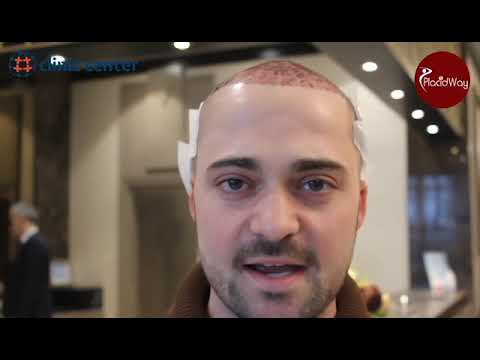













Share this listing