


Amazing Stem Cell Therapy Package for Autism in New Delhi, India
Parents constantly search for effective treatments to help their children thrive and overcome developmental challenges. If you are exploring breakthrough medical interventions, the amazing stem cell therapy package for autism in New Delhi, India, offers unprecedented hope. New Delhi has rapidly emerged as a global hub for regenerative medicine, combining cutting-edge medical science with deeply compassionate pediatric care. This comprehensive guide explores how advanced cellular therapies are transforming lives, offering significant cognitive and behavioral improvements. Discover why families worldwide are traveling to India for this life-changing, affordable autism treatment protocol.
Video Chapters & Quick Navigation
- The Rising Demand for Therapies
- Science of Regenerative Medicine
- Why Choose New Delhi?
- Package Inclusions & Details
- Financial Breakdown & Costs
- Role of Mesenchymal Stem Cells
- Synergizing Supportive Therapies
- Step-by-Step Patient Journey
- Specialized Pediatric Facilities
- Managing Treatment Expectations
- Nutritional & Dietary Protocols
- Expert Multidisciplinary Teams
The Rising Demand for Advanced Autism Spectrum Disorder Treatments
Autism Spectrum Disorder (ASD) is a complex neurodevelopmental condition that affects communication, social interaction, and behavior. For decades, traditional approaches have focused solely on managing symptoms through behavioral therapies and educational support. However, parents are increasingly seeking medical interventions that address the biological and neurological root causes of the disorder.
As highlighted at in the associated medical presentation, the rising global prevalence of autism has sparked an urgent need for innovative treatments. Families often feel exhausted by local healthcare systems that offer limited medical options beyond standard psychiatric care. This frustration has fueled the rapid growth of medical tourism for neurodevelopmental disorders, drawing global attention toward specialized international clinics.
Regenerative medicine presents a profound paradigm shift in how the medical community approaches ASD. By utilizing the body's own natural healing mechanisms, researchers aim to repair damaged neural pathways and reduce neuroinflammation. This biological approach offers a new tier of hope for children who have plateaued with traditional behavioral therapies alone.
The Science of Regenerative Medicine: How Stem Cells Target Neurological Disorders
To truly appreciate the amazing stem cell therapy package for autism in New Delhi, India, one must understand the underlying science. Stem cells are unique because they have the potential to develop into many different types of cells in the body. When introduced into a patient with ASD, these cells act as a biological repair system, migrating to areas of tissue damage and inflammation.
Clinical studies indicate that many children with autism suffer from chronic inflammation in the brain and immune system dysregulation. As discussed around , administered stem cells release powerful anti-inflammatory cytokines that help calm this neurological inflammation. Reducing this neuroinflammation is crucial for restoring optimal brain function and allowing new neural connections to form.
Furthermore, stem cells promote angiogenesis, which is the creation of new blood vessels. Improved blood flow to the brain ensures that vital nutrients and oxygen reach damaged tissues more efficiently. This enhanced microenvironment fosters neurogenesis, enabling the brain to repair injured networks and potentially improve cognitive and communicative abilities.
Understanding the Blood-Brain Barrier and Cellular Repair Mechanisms
One of the greatest challenges in treating neurological disorders is the blood-brain barrier, a highly selective membrane that protects the brain. Traditional pharmaceuticals often struggle to cross this barrier effectively. However, specific types of stem cells, particularly those administered intrathecally, can bypass this hurdle to deliver therapeutic benefits directly to the central nervous system.
Once inside the neurological environment, these cells secrete growth factors that stimulate the patient's existing dormant cells. This paracrine effect is a cornerstone of regenerative medicine for neurodevelopmental delays. Instead of merely masking symptoms, the therapy actively works to alter the physiological landscape of the brain.
Why New Delhi is the Premier Destination for Medical Tourists
India’s capital has firmly established itself as a leading destination for advanced medical treatments, particularly in the field of stem cell therapy. The medical infrastructure in New Delhi rivals that of top hospitals in the United States, Germany, and the United Kingdom. Patients benefit from state-of-the-art laboratory facilities that adhere strictly to international quality and safety standards.
Cost-effectiveness is another major driving factor, as noted around the mark of the video. The cost of living and operational expenses in India are significantly lower, allowing premier clinics to offer these advanced therapies at a fraction of Western prices. This affordability does not come at the expense of quality; rather, it democratizes access to life-changing medical care.
Additionally, the regulatory environment in India has fostered rapid but safe advancements in regenerative medicine. Renowned neurologists and stem cell scientists collaborate closely in these metropolitan hubs. This synergy ensures that patients receive the most up-to-date, evidence-based protocols available globally.
Comprehensive Inclusions of the Amazing Stem Cell Therapy Package for Autism
When international patients book an amazing stem cell therapy package for autism in New Delhi, India, they are securing a holistic medical experience. These packages are meticulously designed to remove the stress of international travel from the parents' shoulders. From the moment you land, dedicated medical concierges handle all logistics, allowing you to focus entirely on your child's well-being.
A standard high-quality package goes far beyond the cellular injections themselves. It typically includes extensive pre-treatment diagnostics, consultations with pediatric neurologists, and comprehensive blood work. Below is a detailed look at what families can expect to be included in these specialized medical tourism packages:
- Pre-Therapy Diagnostics: Comprehensive neurological assessments, EEG, heavy metal toxicity screening, and standard blood panels.
- Stem Cell Administration: Multiple sessions of high-viability Mesenchymal Stem Cells (MSCs) tailored to the child's specific weight and condition.
- Supportive Therapies: Integrated sessions of occupational therapy, speech therapy, and behavioral interventions during the stay.
- Hospital Stays: VIP private hospital rooms accommodating the child and parents, inclusive of specialized dietary meals.
- Logistical Support: VIP airport transfers, local transportation to the clinic, and dedicated translation services if required.
Breaking Down the Financials: Affordable Autism Treatment Packages vs. Western Costs
The financial burden of raising a child with autism can be overwhelming, especially in countries with privatized healthcare systems. In the United States or Europe, experimental or regenerative therapies are rarely covered by insurance and can cost tens of thousands of dollars. This financial barrier prevents many children from accessing potentially transformative care.
As outlined at , India offers a dramatic contrast in pricing structure without compromising laboratory excellence. A full, multi-day stem cell treatment protocol in New Delhi is exceptionally cost-competitive. To provide a clear perspective, consider the comparative data below regarding the cost of autism stem cell therapy.
| Treatment Location | Estimated Cost (USD) | Typical Package Inclusions |
|---|---|---|
| New Delhi, India | $6,000 - $9,500 | Therapy, diagnostics, hospital stay, local transfers, supportive therapies. |
| United States | $20,000 - $35,000 | Usually limited to therapy only; out-of-pocket diagnostics. |
| Western Europe | $15,000 - $25,000 | Therapy and limited follow-up; travel and accommodation separate. |
The Role of Mesenchymal Stem Cells (MSCs) in Pediatric Neurological Care
Not all stem cells are created equal, and the success of these packages relies heavily on the type of cells used. Mesenchymal Stem Cells (MSCs), typically sourced from umbilical cord tissue (Wharton's Jelly) or bone marrow, are the gold standard for treating autism. These cells are multipotent, meaning they can adapt and differentiate based on the specific signals they receive from the patient's damaged tissues.
MSCs are highly valued because they are immunoprivileged. This means they do not provoke an immune response or rejection when transplanted into a patient, eliminating the need for harsh immunosuppressive drugs. This safety profile is absolutely critical when dealing with pediatric patients who already possess sensitive or compromised immune systems.
Once administered, MSCs immediately begin their work of immunomodulation. They act like biological conductors, downregulating hyperactive immune responses and upregulating tissue repair mechanisms. This targeted action is why so many parents report improvements in their child's eye contact, socialization, and overall calm demeanor.
Synergizing Stem Cell Protocols with Traditional Supportive Therapies
A critical point emphasized around is that stem cell therapy is not a magic standalone cure. To maximize the neurological benefits, the cellular treatment must be paired with intensive rehabilitation and supportive therapies. The new neural connections formed by the stem cells need to be trained and strengthened through repetitive, guided exercises.
Top clinics in New Delhi seamlessly integrate Applied Behavior Analysis (ABA), speech therapy, and occupational therapy into the patient's daily schedule. For instance, while stem cells may reduce the neuroinflammation causing a speech delay, it is the speech therapist who helps the child utilize their newly restored cognitive capacity. This synergistic approach ensures the biological improvements translate into real-world functional gains.
Occupational therapy is equally vital, helping children process sensory information more effectively. Many autistic children struggle with sensory overload, which triggers meltdowns and anxiety. Combining stem cell-induced neural repair with expert sensory integration therapy yields far superior outcomes than either treatment method alone.
Step-by-Step Patient Journey: Navigating International Medical Travel
The prospect of traveling internationally for medical care can be daunting for any family, let alone one traveling with a child on the spectrum. However, medical tourism facilitators and specialized clinics in India have perfected the patient journey. The process begins long before you board a flight, starting with a comprehensive remote video consultation to determine the child's eligibility.
Once approved, the clinic assists with securing medical visas, which the Indian government expedites for international patients seeking specialized care. Upon arrival at Indira Gandhi International Airport in New Delhi, families are greeted by a dedicated patient coordinator. This coordinator ensures a smooth transfer to either the VIP hospital suite or a partnered luxury hotel designed to accommodate medical tourists.
The treatment phase is paced carefully to avoid overwhelming the child. Diagnostic testing occurs on day one, followed by the stem cell administration procedures spaced out over several days. In between medical procedures, the child engages in the aforementioned supportive therapies, making the entire trip a productive, holistic healing retreat.
Specialized Pediatric Care Facilities and Laboratory Standards in India
Safety and quality control are paramount when considering regenerative medicine. The best autism clinics in New Delhi operate alongside Good Manufacturing Practice (GMP) certified laboratories. These strict certifications guarantee that the stem cells are cultured, expanded, and stored under the highest possible standards of sterility and viability.
Furthermore, the clinical environments are designed specifically with pediatric neurodivergent patients in mind. Harsh lighting, loud noises, and chaotic waiting rooms are replaced with sensory-friendly environments. Medical staff undergo specialized training to handle the unique behavioral challenges and anxieties that autistic children may experience during medical procedures.
The laboratories utilize advanced flow cytometry to count and verify the live stem cells before administration. This transparency ensures that the patient receives the exact prescribed dose of active, healthy cells. By adhering to these rigorous international standards, Indian clinics provide peace of mind to parents traveling thousands of miles for care.
Managing Expectations: Timeline for Cognitive and Behavioral Improvements
One of the most common questions parents ask is how quickly they will see results from the amazing stem cell therapy package for autism in New Delhi, India. It is essential to understand that tissue repair and neural regeneration are gradual biological processes. As discussed near , while some parents notice minor changes within weeks, the most significant improvements typically manifest over several months.
Early signs of improvement often include better sleep patterns, reduced hyperactivity, and a decrease in gastrointestinal issues. As the neuroinflammation subsides, parents frequently report enhanced eye contact and a greater willingness to engage in social play. These foundational changes pave the way for more complex cognitive advancements.
Around the three to six-month mark, many children demonstrate expanded vocabularies, improved attention spans, and a significant reduction in repetitive or self-injurious behaviors. Setting realistic expectations and maintaining consistent therapies at home are crucial steps in supporting the long-term success of the cellular treatment.
Nutritional and Dietary Interventions Accompanying Cellular Treatments
A comprehensive autism treatment protocol does not ignore the critical gut-brain connection. Many children with ASD suffer from severe gastrointestinal distress, dysbiosis, and leaky gut syndrome. To maximize the efficacy of the stem cells, Indian medical packages heavily emphasize customized dietary interventions during and after the treatment phase.
Expert nutritionists collaborate with the medical team to design diets that reduce systemic inflammation. Typically, this involves transitioning the child to a strict Gluten-Free and Casein-Free (GFCF) diet. Removing these inflammatory proteins allows the gut lining to heal, which directly impacts the brain's neurochemistry and overall mood regulation.
By coupling advanced stem cell injections with targeted nutritional therapies, the body is placed in the optimal state for regeneration. This multi-pronged attack on inflammation is exactly why specialized clinics in New Delhi boast such high patient satisfaction rates. The focus is on healing the whole body, not just addressing isolated neurological symptoms.
Expert Multidisciplinary Medical Teams Designing Personalized Protocols
The success of regenerative medicine relies heavily on the expertise of the administering physicians. In New Delhi, treatment protocols are not one-size-fits-all; they are meticulously customized by multidisciplinary medical boards. These boards typically consist of pediatric neurologists, immunologists, stem cell scientists, and developmental pediatricians.
This collaborative approach ensures that every aspect of the child's medical history is considered before the stem cell dosage and administration route are finalized. Depending on the severity of the autism spectrum disorder, the team may opt for intravenous (IV) infusions, intrathecal injections, or a combination of both. This precision medicine approach maximizes the therapeutic reach of the stem cells.
Furthermore, these top-tier Indian specialists frequently participate in global medical conferences and publish peer-reviewed research. By choosing New Delhi for your child's treatment, you are placing them in the hands of thought leaders who are actively shaping the future of regenerative pediatric care.
Post-Treatment Follow-Up and Long-Term Cellular Integration Strategies
The medical relationship does not end once the family boards their flight home. A hallmark of the best autism clinics in New Delhi is their commitment to rigorous post-treatment follow-up. Through telehealth platforms, doctors routinely monitor the child's progress, adjusting at-home therapies and supplements as needed.
Parents are provided with detailed discharge summaries and a comprehensive roadmap for the coming months. As highlighted at , ongoing communication ensures that the child's local therapists are aligned with the new medical baseline established by the stem cell treatment. This global continuity of care is vital for locking in the behavioral and cognitive gains achieved in India.
Ultimately, investing in an amazing stem cell therapy package for autism in New Delhi, India, is an investment in your child's independent future. By addressing the root biological causes of ASD with advanced, safe, and affordable regenerative medicine, families are rewriting the narratives of their children's lives. The journey to a brighter, more connected future begins with a single step toward innovative healthcare solutions.
Ready to Explore Stem Cell Therapy for Autism in India?
Take the first step toward unlocking your child's full potential. PlacidWay connects you directly with top-rated, accredited stem cell clinics in New Delhi. Get comprehensive package details, transparent pricing, and expert guidance for your medical journey.
GET A FREE QUOTE TODAY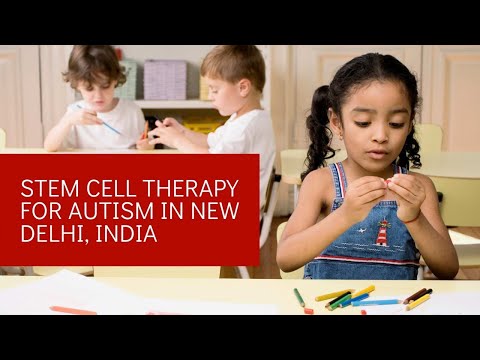

.png)
.png)
.png)
.png)

.png)

Share this listing