
Mauritius Boy Almost Lost Leg in Accident: How StemRx Regenerative Therapy Saved His Limb
When a horrific traffic accident shattered the physical foundation of a young boy from Mauritius, local doctors delivered the most devastating news a family can hear: immediate amputation. However, an incredible medical intervention changed his fate forever. StemRx Regenerative Therapy provided a groundbreaking alternative to leg amputation, utilizing advanced cellular science to repair severe tissue, muscle, and nerve damage. Watch to discover how this innovative stem cell treatment for severe crush injuries is revolutionizing orthopedic medicine, preventing permanent disability, and offering global patients a second chance at an active, unhindered life.
Video Chapters & Quick Navigation
The Devastating Reality of Traumatic Limb Injuries
Traumatic accidents involving motor vehicles, heavy machinery, or severe falls frequently result in catastrophic damage to the human body. Among the most complex and life-altering of these traumas are severe crush injuries to the lower extremities. When an individual suffers massive blunt force trauma, the resulting structural damage goes far beyond simple bone fractures. The intricate network of veins, arteries, peripheral nerves, and deep muscle tissues can be pulverized instantly.
At in the video, we are introduced to the harrowing reality of a young boy from Mauritius whose life was forever altered in a fraction of a second. Following a horrific accident, his leg suffered extensive crush trauma. Traditional orthopedic assessments often view such extensive, multi-system damage through a highly conservative lens focused primarily on preserving the patient's life, sometimes at the absolute expense of the limb itself.
For patients and their families, the psychological toll of a traumatic limb injury is immeasurable. The immediate aftermath is dominated by intense pain, confusion, and fear. When orthopedic surgeons evaluate a limb where vascular supply is deeply compromised and muscular necrosis has begun, the medical protocols quickly pivot toward drastic measures. Learning how to avoid amputation after an accident becomes the single most desperate priority for the patient's family.
Understanding the Threat of Amputation After Accidents
Why do highly trained medical professionals recommend amputation in the wake of severe trauma? The answer lies in the biological cascade of tissue death. When a severe crush injury occurs, blood flow to the distal parts of the leg is heavily restricted or entirely severed. Without a constant supply of oxygen-rich blood, cellular death begins within mere hours.
As detailed around , the local medical team in Mauritius faced a rapidly deteriorating situation. Necrosis, or the premature death of cells in living tissue, was setting in. Once necrosis progresses, it creates a highly toxic environment within the body. Dead tissue becomes a breeding ground for severe bacterial infections, leading directly to gangrene. If gangrene is left unchecked, it can quickly escalate into sepsis, a life-threatening systemic infection.
In standard allopathic medicine, when the risk of sepsis becomes critical and the perceived chance of saving the limb drops below a certain threshold, amputation is deemed the only viable, life-saving intervention. However, this traditional approach often overlooks the emerging capabilities of regenerative therapy for traumatic limb injuries. The gap between standard surgical protocols and advanced cellular medicine is exactly where alternative treatments are changing the medical landscape.
What is StemRx Regenerative Therapy?
StemRx Regenerative Therapy represents a monumental paradigm shift in how modern medicine approaches catastrophic physical trauma. Rather than relying solely on metallic implants, surgical debridement, or the removal of damaged body parts, StemRx focuses on the body's innate, albeit dormant, potential to heal itself at a cellular level. This is the cornerstone of advanced regenerative medicine.
At the heart of this therapy is the strategic application of stem cells, specifically Mesenchymal Stem Cells (MSCs). These specialized cells are unique because they possess the incredible ability to differentiate into various types of cells, including osteoblasts (bone cells), chondrocytes (cartilage cells), and myocytes (muscle cells). When introduced into a highly traumatized environment, they act as microscopic construction workers, rebuilding the architectural integrity of the limb.
As the family frantically searched for a non-surgical treatment for preventing leg amputation around , they discovered the StemRx protocol. This specific therapeutic model does not just blindly inject cells; it combines the biological power of MSCs with targeted growth factors, advanced bio-scaffolding, and hyperbaric oxygen therapy to create an optimal environment for unprecedented tissue regeneration.
How Stem Cell Therapy Prevents Leg Amputations
The biological mechanisms by which StemRx Regenerative Therapy halts necrosis and begins the healing process are multifaceted. The first and most critical hurdle in saving a severely damaged leg is restoring blood flow. Stem cell treatment for severe crush injuries initiates a process known as angiogenesis—the physiological process through which new blood vessels form from pre-existing vessels.
1. Angiogenesis and Revascularization
By releasing specific vascular endothelial growth factors, the injected stem cells signal the body to build new capillary networks around the damaged tissues. This localized revascularization flushes the trauma zone with oxygen and vital nutrients, effectively stopping the spread of necrosis and eliminating the immediate need for amputation due to gangrene.
2. Immunomodulation
Severe injuries trigger massive, localized inflammation. While acute inflammation is a normal healing response, chronic or hyper-inflammation in a crush injury can compress nerves and choke off remaining blood vessels. Mesenchymal stem cells possess powerful immunomodulatory properties. They calm the aggressive inflammatory response, reducing swelling and preventing further secondary damage to the limb.
3. Neurogenesis and Nerve Repair
Loss of sensation and motor function is a primary reason doctors recommend amputation. Standard treatments struggle immensely with peripheral nerve damage. However, stem cells actively secrete neurotrophic factors that protect existing neurons and encourage the sprouting of new nerve fibers. This regenerative medicine for muscle and nerve regeneration restores feeling and movement to limbs that were previously considered dead or permanently paralyzed.
The Step-by-Step Regenerative Treatment Process at StemRx
Understanding the clinical journey is vital for any patient considering this revolutionary alternative to leg amputation. The protocol at StemRx is meticulous, highly personalized, and relies on state-of-the-art medical technology. It is far more advanced than a simple injection; it is a comprehensive rehabilitation of the limb's biological systems.
As highlighted in the video near , the process begins with a rigorous diagnostic mapping of the limb. High-resolution MRI and Doppler ultrasounds are utilized to map the exact locations of arterial blockages and necrotic tissue. Once the medical team has a precise blueprint of the damage, the stem cell harvesting process begins, typically sourcing autologous cells directly from the patient's own bone marrow or adipose (fat) tissue.
These harvested cells are isolated, purified, and concentrated in a highly controlled laboratory environment. The concentrated regenerative serum is then precisely administered into the injury site using ultrasound-guided injections. This ensures that the healing agents are delivered exactly to the muscular tears, bone fractures, and nerve lesions that require cellular repair.
The Mauritius Boy's Miraculous Journey: From Despair to Walking Again
The emotional and physical journey of the young boy from Mauritius serves as a profound testament to the efficacy of StemRx hospital review for orthopedic injuries. Facing the terrifying prospect of navigating life with a prosthetic limb, his parents made the bold decision to seek international medical intervention. The decision to reject the local amputation mandate required immense courage and rapid logistical coordination.
Upon arriving in India for his specialized treatment around , the boy's leg was in critical condition. The tissue was severely compromised, and the window for successful intervention was rapidly closing. However, within weeks of receiving the targeted StemRx regenerative therapy, the clinical indicators began to shift dramatically. The progressive darkening of the skin, a telltale sign of tissue death, was halted and reversed as new blood vessels successfully permeated the area.
As the timeline advanced to , the results were nothing short of miraculous. Not only was the amputation entirely averted, but the boy began to regain substantial motor function. Through a combination of the cellular therapy and rigorous, specialized physiotherapy, muscle volume began to return. He transitioned from being bedridden with a doomed limb to bearing weight, standing, and eventually walking—a complete victory over the initial, grim prognosis.
Comparing Traditional Surgery to Regenerative Therapy
To fully grasp the magnitude of this medical advancement, it is crucial to compare standard surgical amputation and orthopedic reconstruction against the protocols of regenerative medicine. When evaluating the cost of stem cell therapy for nerve damage against the lifelong costs of prosthetics, the advantages become crystal clear.
| Feature | Traditional Orthopedic/Amputation | StemRx Regenerative Therapy |
|---|---|---|
| Primary Goal | Remove dead tissue, prevent systemic infection, fit prosthetic. | Regenerate damaged tissue, restore blood flow, salvage original limb. |
| Invasiveness | Highly invasive. Involves bone saws, extensive suturing, and physical limb removal. | Minimally invasive. Involves targeted cellular injections and localized therapies. |
| Nerve Damage Repair | Extremely limited. Often results in phantom limb pain and permanent loss of sensation. | High potential for neurogenesis. Active regeneration of peripheral nerve pathways. |
| Long-Term Cost | Continuous. Requires ongoing prosthetic replacements, physical therapy, and mobility aids. | Front-loaded. Initial treatment investment reduces lifelong disability and prosthetic costs. |
| Psychological Impact | Often severe. Patients must adapt to permanent disfigurement and disability. | Highly positive. Preserves body image and restores natural physical autonomy. |
The Global Rise of Medical Tourism for Regenerative Orthopedics
The story of the Mauritius boy highlights a rapidly growing global trend: medical tourism for advanced regenerative orthopedics. Many developing nations, and even highly developed Western countries, suffer from rigid regulatory environments that heavily restrict or delay the widespread use of advanced stem cell therapies. When local doctors offer no solutions other than amputation, patients are looking beyond their borders.
Facilities like StemRx in India have positioned themselves at the absolute forefront of this medical revolution. They offer state-of-the-art laboratories, globally recognized regenerative specialists, and comprehensive care packages that are specifically designed for international patients. This globalization of healthcare means that geographical location is no longer a definitive barrier to receiving world-class limb-salvaging treatments.
Medical tourism facilitators play a crucial role in these life-saving journeys. Coordinating international travel, securing medical visas, transferring complex medical records, and managing on-the-ground logistics while dealing with a critically injured patient is a monumental task. By utilizing professional networks, families can ensure that the patient is moved safely and swiftly to a facility capable of performing the regenerative protocols required to save their limb.
Post-Treatment Rehabilitation: The Crucial Second Phase
It is important to understand that while stem cell therapy is the biological catalyst for healing, the treatment does not end with the injections. As the boy from Mauritius experienced near , physical rehabilitation is the crucial second phase of the regenerative journey. Newly formed tissues, blood vessels, and nerves require mechanical stimulation to grow strong and integrate properly into the musculoskeletal system.
The rehabilitation protocols post-stem cell therapy are highly specialized. They begin with passive range-of-motion exercises to prevent joint stiffness without tearing the newly forming delicate cellular matrices. As the structural integrity of the limb improves, the therapy transitions into active resistance training and weight-bearing exercises. The stem cells provide the raw materials for repair, but the physical therapy provides the architectural blueprint, signaling to the body exactly how the new tissues need to be aligned to support human movement.
How to Access Advanced Stem Cell Treatments Internationally
For patients currently facing the horrifying prospect of an amputation due to trauma, neuropathy, or vascular disease, time is the most critical factor. The longer a limb suffers from poor circulation and tissue necrosis, the more difficult the regenerative process becomes. Rapid action is required to evaluate if a patient is a viable candidate for cellular therapy.
The first step involves a comprehensive remote medical consultation. Patients or their advocates must gather all recent medical records, including high-resolution imaging (MRIs, X-rays), physician reports, and blood work. These files are securely transmitted to the specialized regenerative medical team. The specialists then evaluate the extent of the damage to determine if stem cell therapy for severe crush injuries can realistically halt the decay and initiate the healing process.
If the patient is deemed a candidate, comprehensive treatment plans are developed. These plans outline the precise type of cellular therapy to be used, the expected duration of the medical stay, the integration of supportive therapies like hyperbaric oxygen, and the long-term physical therapy requirements. By seeking these second opinions internationally, thousands of patients are discovering that a catastrophic injury does not have to result in a catastrophic loss of their limb.
Are You or a Loved One Facing Leg Amputation?
Do not settle for a life-altering amputation without exploring every modern medical alternative. PlacidWay Medical Tourism connects global patients with cutting-edge regenerative therapy centers like StemRx. Discover if advanced stem cell treatments can save your limb, restore your mobility, and give you your life back.
GET A FREE MEDICAL CONSULTATION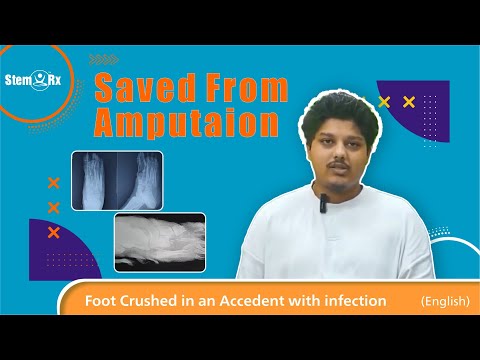



-(5).png)






.png)









Share this listing