


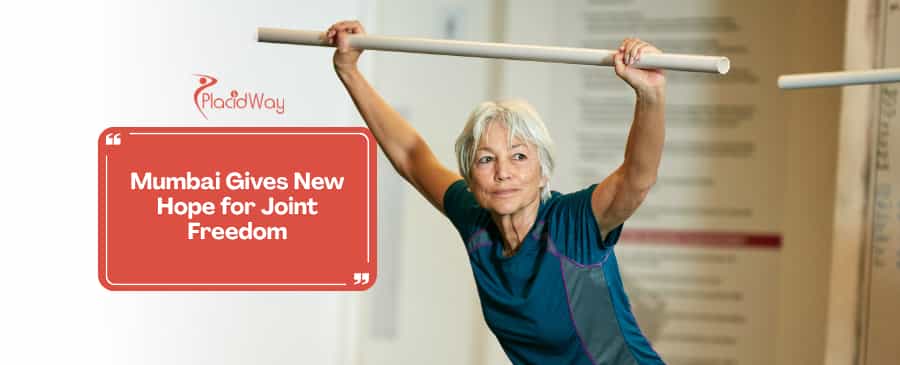
Rheumatoid Arthritis (RA) is a debilitating autoimmune condition that relentlessly attacks the synovial tissues, leading to chronic joint pain and progressive mobility loss. As conventional treatments often focus heavily on symptom management through immunosuppressants, many global patients are now looking toward regenerative medicine for alternative options. Systemic stem cell infusions for rheumatoid arthritis in India have rapidly evolved, drawing international attention for their potential to modulate the immune system and promote tissue repair. In 2026, major metropolitan healthcare hubs in India are providing these advanced biological therapies to an increasing number of medical tourists seeking relief from silent, aching joints.
This surge in medical travel is largely driven by a combination of sophisticated medical infrastructure, highly specialized immunologists, and significantly lower out-of-pocket expenses compared to Western nations. Stem cell therapy for RA in Mumbai typically utilizes mesenchymal stem cells (MSCs), which possess unique immunomodulatory properties that may help calm the body's overactive immune response. While this advanced biological intervention is not considered an absolute cure, most patients generally report experiencing notable improvements in joint function and a reduction in chronic flare-ups. The integration of precision medicine and regenerative protocols in India represents a major step forward for global autoimmune care.
Mesenchymal stem cells (MSCs) used in these therapies are often referred to as "homing cells" because they naturally migrate toward areas of severe inflammation and tissue damage in the body.
Understanding How Stem Cell Therapy for RA in Mumbai Works
The core mechanism behind systemic stem cell infusions in Mumbai relies on the unique biological ability of stem cells to interact directly with the human immune system. When administered intravenously, these cells circulate through the bloodstream, responding to inflammatory signals emitted by damaged joint tissues. Instead of merely masking pain, the infused cells generally work by releasing anti-inflammatory cytokines and growth factors that help suppress the abnormal autoimmune attacks characteristic of RA. This biological reset aims to establish a more balanced immune environment, potentially preventing further degradation of cartilage and bone.
Medical protocols in India often favor autologous stem cells—harvested directly from the patient’s own bone marrow or adipose (fat) tissue—to drastically minimize the risk of cell rejection. Once extracted, the biological material is processed, concentrated, and then reintroduced into the patient's system via a controlled intravenous drip. Mesenchymal stem cells for RA are typically preferred because they can encourage the generation of regulatory T-cells, which are vital for maintaining immune tolerance. Most patients undergo comprehensive biological evaluations beforehand to ensure the cells are administered at the optimal dosage for their specific disease severity.
Studies indicate that regenerative cellular therapies may alter the microenvironment of affected joints, switching the dominant cellular activity from a destructive inflammatory state to a protective, regenerative state.
Why Medical Tourists Choose Mumbai for Autoimmune Disease Treatment
Mumbai has rapidly positioned itself as a global epicenter for complex biological therapies, attracting thousands of international patients annually. Medical tourism in India thrives primarily because it offers a seamless blend of world-class medical expertise, stringent safety protocols, and deeply compassionate patient care. International hospitals in Mumbai are frequently accredited by leading global health organizations, ensuring that the regenerative protocols utilized meet rigorous international standards. Furthermore, English is widely spoken across the Indian medical sector, completely eliminating language barriers that often complicate healthcare travel in other regions.
Beyond the high standard of clinical care, patients are drawn to the comprehensive, multidisciplinary approach adopted by stem cell clinics in Mumbai. A typical treatment plan is rarely just a localized injection; it typically involves a coordinated effort between rheumatologists, cellular biologists, physical therapists, and nutritionists. This holistic framework ensures that the patient's underlying health is optimized to receive and utilize the stem cells effectively. Consequently, international patients generally feel highly supported throughout their entire medical journey, from initial diagnostic consultations to extensive post-treatment follow-ups.
The global medical tourism market in India has seen an annual growth rate exceeding 20% in recent years, heavily fueled by international demand for advanced orthopedic and regenerative procedures.
Cost of Systemic Stem Cell Infusions for RA in India vs. the World
One of the most compelling reasons international patients seek affordable stem cell therapy in India is the dramatic difference in treatment costs compared to North America and Europe. In Western healthcare systems, regenerative medicine is frequently classified as experimental or elective, meaning it is rarely covered by standard health insurance policies, leaving patients with staggering out-of-pocket expenses. Conversely, the stem cell infusion cost in Mumbai remains highly competitive due to lower local administrative overhead, favorable currency exchange rates, and a high volume of specialized procedures. This economic advantage allows patients to access premium medical technology without facing financial ruin.
It is crucial to note that while the prices are considerably lower, the quality of medical consumables, laboratory processing, and specialist expertise remains uncompromised. The comprehensive cost typically encompasses the initial clinical evaluations, the cellular extraction process, laboratory cultivation, the systemic infusion itself, and several days of hospital monitoring. Patients should always request itemized medical quotes to fully understand what sub-treatments and consultations are included. Below is an estimated comparative cost breakdown to illustrate the financial landscape of this procedure globally.
| Procedure / Treatment Component | Average Cost in India (USD) | Cost Comparison (USA/UK/AUS) |
|---|---|---|
| Comprehensive Pre-Therapy Diagnostic Screening | $300 - $600 | $1,500 - $3,000 |
| Autologous Stem Cell Extraction (Adipose/Bone Marrow) | $1,200 - $2,500 | $5,000 - $9,000 |
| Systemic Intravenous Stem Cell Infusion | $3,000 - $6,500 | $10,000 - $25,000 |
| Post-Infusion Physiotherapy & Immune Monitoring (1 Week) | $400 - $800 | $2,000 - $4,500 |
| Estimated Total Procedure Package | $4,900 - $10,400 | $18,500 - $41,500 |
Always ask the medical provider if laboratory processing fees for cell expansion and isolation are included in the primary quotation, as these can sometimes be billed separately depending on the hospital's billing structure.
Patient Candidacy for RA Stem Cell Treatment in India
Not every individual suffering from joint pain is a suitable candidate for biological treatments. Proper rheumatoid arthritis stem cell candidacy is determined through extensive and rigorous medical screenings designed to ensure both safety and potential efficacy. Medical teams generally prioritize patients who have exhausted traditional pharmaceutical options—such as Disease-Modifying Antirheumatic Drugs (DMARDs) or biologics—without achieving adequate relief from inflammation. Additionally, patients must possess a stable cardiovascular and pulmonary profile to safely undergo the extraction and systemic infusion processes.
Certain medical conditions typically serve as strict contraindications for systemic stem cell treatment in India. Patients with active severe infections, a history of certain cancers, or advanced organ failure are generally not considered viable candidates due to the potential risks involved in manipulating the immune system. The overall goal of pre-treatment evaluations is to ensure that the patient’s body is resilient enough to utilize the stem cells for repair rather than reacting adversely. Honest and completely transparent communication of your complete medical history to your prospective Indian medical team is absolutely paramount.
Stem cell therapies are not universally effective for all patients and do not guarantee a cure for autoimmune disorders. Patients with severe, irreversible joint deformities may not experience structural regeneration, though they might still find relief from active inflammation.
Preparing for Your Stem Cell Procedure for Arthritis in Mumbai
Thorough preparation is incredibly vital for maximizing the potential benefits of regenerative medicine. When preparing for stem cell therapy in Mumbai, international patients are generally advised to adopt specific lifestyle and dietary modifications weeks before their scheduled travel. Medical professionals typically recommend abstaining from alcohol, smoking, and certain non-steroidal anti-inflammatory drugs (NSAIDs) prior to the procedure, as these substances can significantly impair stem cell viability and hinder the body's natural healing responses. Additionally, maintaining optimal hydration and a nutrient-dense diet can help create a more favorable biological environment for the infused cells.
Logistical preparation is just as critical as biological readiness. Patients should compile all their relevant medical records, including recent MRI scans, detailed blood work panels, and a comprehensive list of current medications, to share with their Indian specialists. It is also highly recommended to arrange a preliminary virtual consultation with your chosen medical team in India before booking any flights. This step ensures that both the patient and the provider have aligned expectations regarding the treatment timeline and the stem cell procedure for arthritis in India.
Consider traveling with a companion. While the systemic infusion is typically well-tolerated, having a family member or friend present provides invaluable emotional support and practical assistance during the initial recovery days in a foreign country.
The Step-by-Step Systemic Infusion Process in India
The clinical protocol for a stem cell procedure for arthritis in India is meticulously structured to ensure maximum patient safety and cellular efficacy. The process generally begins with a minor outpatient procedure to harvest the raw biological material, typically utilizing a miniature liposuction technique for adipose tissue or a specialized needle for bone marrow extraction. This step is performed under local anesthesia, ensuring the patient remains entirely comfortable and pain-free. Once the tissue is collected, it is immediately transported to an on-site, highly regulated, sterile laboratory for advanced processing.
In the laboratory, sophisticated centrifugation techniques are used to isolate and concentrate the mesenchymal stem cells from the surrounding tissues. After the cells have been properly prepared and their viability verified, the actual systemic infusion phase commences. The patient is comfortably seated while the concentrated stem cell serum is administered slowly through a standard intravenous line, a process that typically takes between one and three hours. Throughout the infusion, dedicated nursing staff continuously monitor the patient's vital signs to immediately identify and manage any rare, mild allergic responses.
During systemic IV administration, a significant portion of the stem cells initially passes through the lungs. However, advanced medical protocols in India often utilize specialized processing to help the cells bypass pulmonary trapping and effectively reach the inflamed joints.
Expected Recovery and Post-Infusion Care in Mumbai
The immediate post-procedure phase following stem cell therapy recovery in Mumbai is generally characterized by mild, temporary side effects rather than severe discomfort. Most patients typically experience generalized fatigue, mild headaches, or slight soreness at the tissue extraction sites for a few days following the infusion. The medical team will closely monitor you for the first 24 to 48 hours to ensure your immune system is responding appropriately to the biological intervention. Patients are strongly advised to engage in deep rest and avoid any strenuous physical activities during this initial, critical healing window.
A structured approach to recovery is essential for allowing the regenerative cells to integrate and function effectively. While immediate relief is rare, the biological processes initiated by the infusion will continue to develop over several weeks and months. Your medical team in India will generally design a customized post-infusion care plan, which may include gentle joint mobilization exercises and specific dietary guidelines aimed at keeping bodily inflammation low.
- Days 1-3: Deep rest, mild fatigue management, and monitoring of extraction sites.
- Weeks 1-4: Gradual return to light daily activities; strict avoidance of heavy lifting.
- Months 2-6: Typical window where patients may begin to observe a noticeable reduction in joint stiffness and pain.
Risks and Safety Protocols for Stem Cell Therapy in India
While regenerative medicine offers immense potential, it is imperative to acknowledge that no medical procedure is entirely devoid of risk. When evaluating safe stem cell clinics in India, international patients should look for facilities that strictly adhere to ethical guidelines and prioritize stringent sterilization protocols. The most commonly reported risks are generally mild and include localized infection at the extraction site, transient low-grade fevers, or minor bruising. Utilizing the patient’s own autologous cells drastically reduces the most severe risk associated with biological therapies: severe immunological rejection or graft-versus-host disease.
To further mitigate potential complications, top-tier Indian medical institutions utilize advanced imaging technology and highly specialized hematologists to oversee the cellular manipulation process. Rigorous blood screening for infectious diseases is conducted prior to any tissue harvesting to guarantee the biological integrity of the sample. Furthermore, comprehensive emergency medical protocols are always established and readily available during the systemic infusion phase, ensuring that any rare adverse reactions can be managed swiftly and efficiently by the attending medical staff.
Stem cell therapies in globally accredited Indian hospitals are performed in Clean Room laboratory environments. These highly controlled facilities regulate airborne particles, temperature, and humidity to prevent any cellular contamination during processing.
Real Patient Experiences with RA Stem Cell Infusions in Mumbai
Reading stem cell therapy reviews in Mumbai can provide invaluable perspective for international patients considering this major healthcare decision. Hearing the journeys of others who have traveled across the globe to manage their severe rheumatoid arthritis offers a realistic glimpse into the clinical environment, the level of care, and the pacing of the biological recovery. While individual outcomes inevitably vary based on disease severity and personal biology, many patients generally report high levels of satisfaction with both the medical expertise and the profound hospitality they encountered in India.
These varied patient narratives often highlight the importance of patience, as cellular regeneration is a gradual, systemic process rather than a rapid, overnight fix. Patients frequently mention the deep relief of experiencing a reduction in chronic flare-ups, allowing them to eventually lower their dependence on heavy pharmaceutical immunosuppressants. The following summaries reflect the diverse experiences of medical tourists who have undergone advanced biological protocols for autoimmune conditions.
Sarah T. (United Kingdom)
Sarah, a 45-year-old teacher, traveled to Mumbai after DMARDs failed to control her severe wrist and knee inflammation. She reported that the initial consultation was incredibly thorough and the systemic infusion process was entirely painless. By month four post-treatment, she experienced a noticeable decrease in morning joint stiffness and increased overall energy.
Marcus V. (Australia)
Struggling with early-onset RA, Marcus opted for autologous adipose stem cell therapy in India to potentially delay the need for joint replacement surgeries. He noted the exceptional sterility of the Indian clinics and the attentive nursing staff. He generally experienced mild fatigue for a week, followed by a gradual reduction in joint swelling over the subsequent six months.
Elena R. (United States)
Facing exorbitant healthcare costs in the US, Elena chose medical tourism for her regenerative treatments. She was highly impressed by the transparent pricing and the multidisciplinary approach of her Mumbai medical team. While her RA is not cured, she states that the severity and frequency of her painful autoimmune flare-ups have significantly diminished.
David K. (Canada)
David decided to undergo stem cell infusions after enduring years of debilitating shoulder pain. He found the visa process straightforward and the hospital coordination exceptional. He typically advises future patients to maintain realistic expectations, noting that his major improvements in joint mobility became clearly evident only after the five-month mark.
Travel and Visa Guidelines for Medical Tourism in India
Navigating the logistical requirements for international healthcare is a critical step for anyone planning health travel to Mumbai. The Indian government heavily supports and regulates incoming medical tourists through a dedicated e-Medical Visa system, which simplifies the entry process for international patients seeking specialized treatments. To successfully acquire this specific visa category, applicants must secure an official invitation and acceptance letter from a recognized, government-approved medical institution in India, detailing the proposed regenerative procedures.
When preparing to apply for a medical visa for India, it is highly advisable to initiate the paperwork several weeks in advance of your desired treatment dates. Alongside the medical invitation letter, travelers will generally need to provide proof of adequate financial means to cover the treatment costs and a valid passport with at least six months of remaining validity. Ensuring all documentation is meticulously organized will significantly reduce travel-related stress and prevent any unexpected delays in your healthcare journey.
- Valid passport (minimum 6 months validity from entry date).
- Official Medical Invitation Letter from the Indian hospital.
- Recent passport-sized photographs matching specific government dimensions.
- Proof of financial sufficiency (bank statements or verified funding).
Long-Term Management After Stem Cell Treatment for RA in India
A common misconception regarding regenerative medicine is that it entirely replaces the need for ongoing rheumatological care. In reality, post-treatment care for RA in India emphasizes that stem cell therapy is a powerful biological tool that works best when integrated into a comprehensive, long-term disease management strategy. Upon returning to their home countries, international patients must diligently maintain communication with both their local rheumatologists and their Indian medical team to accurately track disease progression and cellular response over time.
Long-term management generally involves periodic blood tests to monitor inflammatory markers, such as C-reactive protein (CRP) and erythrocyte sedimentation rate (ESR). Furthermore, patients are typically guided to incorporate anti-inflammatory diets, low-impact joint strengthening exercises, and stress-reduction techniques into their daily routines to support the longevity of the stem cell benefits. Collaborative, continuous care ensures that the regenerative momentum initiated during the systemic infusion is well-maintained for years to come.
Clinical observations suggest that patients who actively engage in structured, low-impact physiotherapy following regenerative therapies generally report a 30% higher satisfaction rate in long-term joint mobility compared to those who remain completely sedentary.
How PlacidWay Assists Your Stem Cell Therapy Medical Tourism Journey in India
Organizing complex biological treatments in a foreign country can understandably feel overwhelming without experienced guidance. As a globally trusted medical tourism platform for India, PlacidWay is deeply committed to empowering patients with transparent information and streamlined access to top-tier international healthcare. Our primary goal is to completely bridge the gap between global patients and specialized medical providers, ensuring your journey toward managing autoimmune pain is as smooth and secure as possible.
By leveraging our extensive global healthcare network, patients can make highly informed, confident decisions regarding their regenerative care. We focus intensely on providing value-based assistance tailored specifically to the unique needs of medical tourists seeking advanced cellular therapies.
- Providing direct access to verified, internationally accredited medical facilities specializing in autoimmune regenerative therapies.
- Facilitating secure and confidential transmission of your medical records and diagnostic imaging to international specialists.
- Assisting with the acquisition of comprehensive, itemized cost estimates to ensure complete financial transparency.
- Coordinating preliminary virtual consultations between you and top-tier Indian immunologists prior to travel.
- Offering dedicated patient advocacy and ongoing support throughout the entire medical decision-making process.
PlacidWay has facilitated global medical journeys for thousands of international patients, connecting them with life-changing treatments across various medical specialties worldwide.
Frequently Asked Questions About RA Stem Cell Therapy in India
Prospective medical tourists naturally have numerous inquiries regarding the safety, logistics, and efficacy of traveling abroad for advanced biological treatments. Understanding the finer details of the procedure and the destination country is vital for managing realistic expectations and ensuring adequate preparation. Below, we address some of the most common concerns raised by global patients considering this medical journey.
We highly encourage all patients to discuss these aspects thoroughly with both their primary healthcare providers at home and their prospective medical teams in India. Clear, comprehensive communication is the absolute cornerstone of a successful and safe medical tourism experience.
Are systemic stem cell infusions for RA a cure?
Systemic stem cell infusions are not currently considered a definitive cure for rheumatoid arthritis. However, they generally help manage severe inflammation and may potentially slow down disease progression for many patients. Treatment aims to improve joint mobility and overall quality of life.
Is stem cell therapy for RA safe in India?
When performed in internationally accredited facilities by specialized medical professionals, stem cell therapy in India is typically safe. Patients undergo rigorous screening to ensure they are suitable candidates, minimizing potential complications. Always verify the credentials of the medical provider before proceeding.
How long does a patient need to stay in Mumbai for treatment?
Most international patients are advised to stay in Mumbai for approximately ten to fourteen days. This timeframe generally allows for comprehensive pre-treatment evaluations, the infusion procedure itself, and critical post-procedure monitoring. Your medical team will provide a tailored timeline.
When will I see results from the stem cell infusion?
Results from stem cell therapy can vary significantly from person to person. Most patients typically report noticing initial improvements in joint stiffness and pain within three to six months following the infusion. The regenerative process is gradual and continues over several months.
What is the primary source of stem cells used in India?
The primary sources for stem cell therapy in India are typically autologous mesenchymal stem cells (derived from the patient's own bone marrow or adipose tissue) or ethically sourced allogeneic cells (like umbilical cord tissue). The specific type used depends on the medical assessment and treatment protocols. Autologous therapies are generally preferred to minimize rejection risks.
Do I need a special visa for medical treatment in India?
Yes, international patients traveling specifically for healthcare procedures are required to apply for an Indian Medical Visa (e-Medical Visa). This visa is designed to facilitate healthcare-related travel and requires an invitation letter from recognized Indian medical facilities. Processing typically takes a few days online.
Can I continue my regular RA medication after the stem cell procedure?
Patients are generally advised to discuss their existing medication protocols extensively with their attending rheumatologist and stem cell specialist. You will typically be given a specific tapering or continuation schedule tailored to your body's response. Never stop or alter chronic medications without direct medical supervision.
Are there any age limits for RA stem cell therapy in Mumbai?
While there is no strict universal age limit, medical candidacy is generally determined by overall health, organ function, and the severity of the arthritis. Older patients undergo intensive cardiovascular and pulmonary evaluations to ensure they can safely handle the systemic infusion process. Each case is evaluated entirely on an individual basis.
Is the stem cell infusion process painful?
The systemic intravenous infusion itself is typically painless, much like receiving a standard IV drip. If autologous stem cells are being harvested from your own bone marrow or fat tissue prior to the infusion, local anesthesia is utilized to minimize discomfort. Most patients experience only mild soreness at the extraction or IV sites.
How does the cost of stem cell therapy in India compare to the US?
The cost of stem cell therapy in India is generally significantly lower than in the United States, often allowing patients to save between fifty and seventy percent. These cost savings are largely due to differences in living costs, administrative overhead, and exchange rates, rather than a reduction in medical quality. This affordability makes India a primary destination for uninsured or underinsured patients.
Ready to explore advanced treatment options for Rheumatoid Arthritis? Contact PlacidWay today to find globally accredited clinics and highly specialized medical professionals in India.
Medical Disclaimer: This article is for informational purposes only and is not medical advice. Always consult a qualified healthcare provider before any medical decisions. Results may vary. Read Full Disclaimer here.
References
- National Institutes of Health (NIH). Rheumatoid Arthritis. https://www.niams.nih.gov/health-topics/rheumatoid-arthritis
- Mayo Clinic. Rheumatoid Arthritis: Diagnosis and Treatment. https://www.mayoclinic.org/diseases-conditions/rheumatoid-arthritis/diagnosis-treatment/drc-20353653
- World Health Organization (WHO). Musculoskeletal Health. https://www.who.int/news-room/fact-sheets/detail/musculoskeletal-conditions






.png)



-(2).png)










Share this listing