
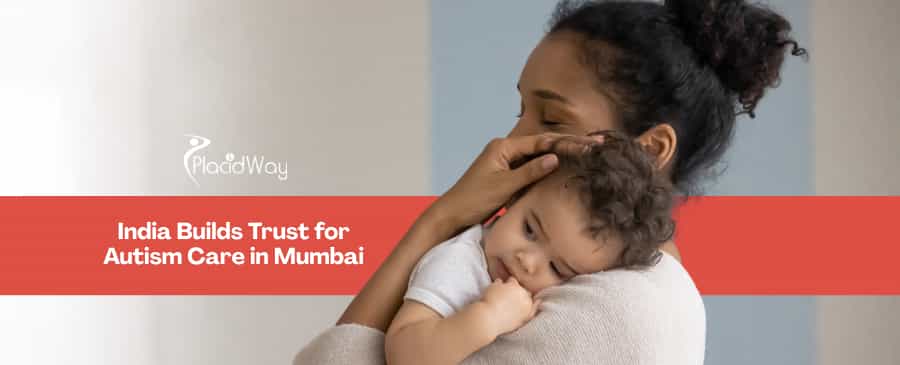
The landscape of regenerative medicine is undergoing a monumental shift as India prepares to implement its 2026 legal framework for advanced medical treatments. For international medical tourists seeking solutions for neurological conditions, these updated regulations are designed to ensure unparalleled safety and ethical standards. By establishing stringent guidelines for cell harvesting and administration, the Indian government aims to foster global confidence in its healthcare system. This proactive approach highlights a commitment to aligning national medical practices with the highest international protocols.
This upcoming regulatory evolution specifically addresses the complex protocols surrounding stem cell therapy for autism in India. Medical travelers can expect enhanced transparency, rigorous clinical audits, and standardized care protocols across all accredited facilities. Ultimately, these measures provide peace of mind to international families navigating the intricacies of cross-border medical tourism. With these strict legal guardrails in place, parents can focus entirely on their child's health and recovery journey.
Stem cell therapy is an evolving field of medicine and is not a guaranteed cure for autism spectrum disorder (ASD). Results vary significantly among patients, and treatments should always be pursued under the guidance of licensed medical professionals.
- Mandatory central registry for all regenerative medicine clinical outcomes.
- Strict laboratory accreditations ensuring sterile cell processing environments.
- Mandatory ethical committee reviews for pediatric medical tourist cases.
- Standardized informed consent protocols available in multiple languages.
Why Mumbai is Becoming a Hub for Autism Stem Cell Treatment
Mumbai has rapidly emerged as a premier destination for global families seeking advanced healthcare solutions and innovative neurological care. The city combines world-class medical infrastructure with highly trained specialists who understand the unique needs of international patients. By offering a seamless blend of technological advancement and compassionate care, the city stands out in the competitive landscape of global medical tourism. Hospitals in this metropolis are uniquely equipped to handle complex international patient logistics smoothly.
For parents exploring an affordable stem cell treatment in Mumbai, the city offers a supportive ecosystem tailored to international visitors. Beyond clinical excellence, families benefit from comprehensive translation services, accessible international airports, and comfortable recovery environments. This holistic approach ensures that the medical journey is as stress-free and supportive as possible for both the child and their caregivers. Mumbai's rich cultural warmth further adds to the comforting experience for visiting families.
Mumbai receives thousands of medical tourists annually, with neurological and regenerative treatments ranking among the top three reasons for international healthcare visits to the city.
- Presence of internationally trained pediatric neurologists and cell biologists.
- Dedicated international patient departments handling visas and local logistics.
- State-of-the-art diagnostic imaging and pathology laboratories.
- Proximity to specialized pediatric rehabilitation centers.
How Stem Cell Therapy for Autism Works in Mumbai Clinics
The scientific approach to regenerative care involves highly specialized protocols that are carefully customized for each pediatric patient. When families arrive at a certified autism stem cell clinic in Mumbai, they undergo comprehensive multidisciplinary evaluations to determine clinical eligibility. Specialists generally utilize Mesenchymal Stem Cells (MSCs), which are known for their potential to target inflammation and promote neural connectivity. The entire process is conducted under strict clinical supervision to maximize safety and therapeutic potential.
The actual administration of the cells is typically performed via minimally invasive methods, such as an intrathecal injection into the spinal canal. This targeted approach allows the cells to bypass the blood-brain barrier, offering a direct route to the central nervous system. Most patients experience a smooth procedure under mild sedation, minimizing any distress or discomfort for the child. The rigorous protocols followed by these clinics ensure that international standards of sterility and precision are meticulously maintained.
Mesenchymal Stem Cells (MSCs) are highly favored in neurological treatments because they possess potent immunomodulatory properties that can help regulate abnormal immune responses associated with autism.
- Initial baseline neurological and psychological evaluations.
- Collection and sterile processing of autologous or ethically sourced allogeneic cells.
- Intrathecal or intravenous administration under mild anesthesia.
- Immediate post-procedure monitoring in a specialized pediatric recovery ward.
Affordable Stem Cell Therapy Cost for Autism in Mumbai, India
One of the primary drivers of medical tourism to India is the profound cost advantage without compromising the quality of clinical care. Families looking into the cost of autism stem cell therapy in India often find that expenses are a fraction of those in Western nations. This affordability stems from lower administrative overheads, locally produced medical supplies, and favorable currency exchange rates. Consequently, parents can allocate their saved funds toward extended rehabilitation and comprehensive post-treatment care.
Transparency in pricing is a cornerstone of the medical tourism experience provided by top-tier facilities in the region. International patients are typically provided with comprehensive packages that cover evaluations, the procedure itself, and initial follow-up consultations. By understanding the detailed financial breakdown, families can plan their medical journey effectively and avoid unexpected financial burdens. The table below illustrates realistic market ranges to help prospective patients evaluate their options.
| Procedure / Service | Average Cost in Mumbai, India | Cost Comparison (USA / UK) |
|---|---|---|
| Pre-treatment Medical Evaluation | $500 - $1,000 | $3,000 - $5,000 |
| Stem Cell Therapy (MSC Protocol) | $6,000 - $12,000 | $25,000 - $40,000+ |
| Post-Procedure Supportive Therapies (Monthly) | $300 - $600 | $2,000 - $4,000 |
The Science Behind Regenerative Medicine for Neurological Conditions
The core scientific principle driving regenerative treatments for neurological conditions lies in the unique biological capabilities of stem cells. These specialized cells have the potential to migrate to areas of inflammation and tissue damage within the central nervous system. Once there, they are believed to release neurotrophic factors that stimulate the repair and regeneration of damaged neural pathways. This mechanism of action is currently the subject of extensive global research aimed at unlocking new therapeutic frontiers.
By targeting the underlying neuroinflammation often observed in autism spectrum disorder, this therapy aims to improve cerebral blood flow and connectivity. Medical researchers suggest that regulating the immune system in this manner can lead to improvements in cognitive processing and behavioral regulation. For families exploring stem cell treatment packages for international patients, understanding these biological mechanisms is crucial. A thorough comprehension of the science helps set realistic expectations for the therapeutic journey ahead.
Clinical studies indicate that over 60% of children with ASD exhibit underlying neuroinflammation, making immunomodulatory treatments a critical area of ongoing scientific focus.
- Paracrine effect: Stem cells secrete growth factors to aid cellular repair.
- Angiogenesis: Promotion of new blood vessel formation in the brain.
- Immunomodulation: Balancing an overactive immune response.
- Synaptogenesis: Encouraging the formation of new neural connections.
Evaluating the Safety and Protocols of Indian Stem Cell Centers
Patient safety remains the highest priority for reputable medical institutions offering regenerative therapies to international visitors. Accredited centers in India operate under strict guidelines laid out by national health councils and international regulatory bodies. Before any procedure is approved, comprehensive patient screening is conducted to rule out severe contraindications or underlying health risks. This rigorous vetting process is essential to ensure that only suitable candidates undergo the cellular administration process.
The preparation and processing of stem cells require highly controlled, Good Manufacturing Practice (GMP) certified laboratory environments. In these specialized labs, cells undergo extensive testing for viability, sterility, and optimal therapeutic concentration prior to use. Most patients experience a high level of reassurance knowing that their chosen medical tourism destination in India adheres to these exact standards. The upcoming 2026 framework will further solidify these protocols, ensuring mandatory compliance across the board.
Always request documentation of a clinic’s GMP laboratory certification and ethical committee approval before committing to any medical procedure abroad.
- Comprehensive blood panels and genetic screening pre-treatment.
- Utilization of ISO-certified cleanrooms for cell expansion.
- Continuous monitoring of patient vitals during the injection phase.
- Strict adherence to bio-waste disposal and infection control norms.
Preparing for Your Medical Tourism Journey to Mumbai
Embarking on a cross-border medical journey requires meticulous planning and thorough preparation from the entire family. Parents must first gather comprehensive medical records, including past diagnostic reports, genetic tests, and detailed behavioral assessments. These documents are vital for the clinical team in Mumbai to tailor a highly specific and safe therapeutic protocol for the child. Early communication with the international patient department of the facility will help streamline the initial consultation process.
Securing an Indian Medical Visa is a straightforward but essential step for families traveling for advanced pediatric therapies in Mumbai. Medical tourists must obtain an official invitation letter from their chosen accredited hospital to support their visa application. Additionally, families should plan for a comfortable stay by selecting accommodations located close to the medical facility. Proper preparation ensures that parents can focus entirely on supporting their child during the treatment process.
The Indian government offers specialized "Medical Attendant Visas," allowing up to two family members to legally accompany and stay with the patient throughout the duration of their treatment.
- Compile all pediatric neurology and psychology reports in digital formats.
- Ensure all family passports have at least six months of validity remaining.
- Consult with a local pediatrician regarding fitness for international air travel.
- Arrange airport transfers through the hospital’s concierge service.
What Global Families Can Expect During Treatment
The clinical timeline for international patients is carefully structured to balance thorough medical care with ample rest periods. Upon arrival, the first few days are dedicated entirely to acclimatization, in-depth physical examinations, and final laboratory tests. This pre-evaluation phase is crucial for the medical team to verify the child's current health status before proceeding. Families are guided through each step by dedicated international coordinators who provide continuous translation and emotional support.
The core therapeutic procedure is generally completed within a single day, though the entire medical stay requires a longer commitment. Following the cell administration, the child remains under close observation in a pediatric suite to monitor for any immediate adverse reactions. The total duration of the trip for autism stem cell therapy in Mumbai typically spans 10 to 14 days. This timeframe allows for a safe, unhurried recovery before the family undertakes the return flight home.
- Days 1-3: Initial consultations, blood work, and baseline neurological assessments.
- Day 4-5: Stem cell harvesting (if autologous) or processing.
- Day 6: The primary administration procedure under controlled sedation.
- Days 7-14: Post-procedure monitoring, initiation of rehabilitation, and final discharge.
The Role of Supportive Therapies Alongside Stem Cells
Regenerative medicine is most effective when integrated into a broader, comprehensive neurodevelopmental rehabilitation program. Stem cell therapy is not a standalone solution; rather, it aims to create an optimal biological environment for learning and development. To capitalize on potential neurological improvements, children must actively engage in consistent supportive therapies. Clinical experts strongly advise that physical, occupational, and speech therapies begin shortly after the cellular treatment.
Many top-tier facilities offering pediatric regenerative medicine in India house multidisciplinary rehabilitation centers under the same roof. This allows for an immediate, seamless transition from the medical procedure to targeted behavioral and physical training. By stimulating the newly forming neural connections, these therapies help translate cellular repair into tangible, functional improvements. Families are typically provided with detailed therapy blueprints to continue this vital work once they return to their home country.
Combining stem cell therapy with intensive Applied Behavior Analysis (ABA) and occupational therapy has been shown to yield better long-term functional outcomes than isolated medical treatments alone.
- Speech and Language Therapy: Focusing on verbal communication and social cues.
- Occupational Therapy: Improving fine motor skills and sensory processing.
- Behavioral Therapy (ABA): Encouraging positive behavior and skill acquisition.
- Nutritional Counseling: Implementing specialized diets to support gut-brain health.
Long-Term Monitoring and Follow-Up Care After Stem Cell Therapy
The journey of healing extends far beyond the family's departure from the medical facility in Mumbai. Continuous, long-term monitoring is a critical component of assessing the efficacy and safety of the cellular treatment. Medical teams typically establish a structured telemedicine follow-up schedule to track the child's developmental progress over several months. These virtual consultations allow specialists to modify rehabilitation strategies and address any parental concerns promptly.
Parents are encouraged to maintain detailed journals documenting their child's behavioral patterns, sleep quality, and communication milestones. This subjective data, combined with objective reports from local pediatricians, provides a holistic view of the child's trajectory after their medical travel to India for autism care. If improvements occur, they generally manifest gradually over three to six months as neuroregeneration takes effect. Consistency in follow-up care is essential to maximizing the long-term benefits of the intervention.
Establish a direct line of communication with your local pediatrician before traveling, ensuring they are prepared to collaborate with your international medical team upon your return.
- Scheduled video consultations at 1, 3, and 6 months post-treatment.
- Submission of standardized autism rating scales completed by local therapists.
- Routine blood tests monitored locally to ensure systemic health stability.
- Adjustments to nutritional supplements based on ongoing metabolic assessments.
Understanding the Risks and Contraindications of Stem Cell Treatment
Transparency regarding potential medical risks is a hallmark of ethical healthcare, especially concerning advanced therapies for pediatric patients. While typically safe when performed in accredited environments, stem cell injections carry inherent risks that must be carefully considered. Most patients experience only minor, transient side effects such as localized pain at the injection site or a mild fever. However, strict medical contraindications exist to prevent severe complications, and thorough screening is non-negotiable.
Children with active infections, severe bleeding disorders, or certain genetic anomalies are generally disqualified from undergoing the procedure. The clinical team at any reputable Mumbai regenerative medicine clinic will openly discuss these limitations during the initial consultation. The goal is to ensure that the potential benefits significantly outweigh the clinical risks for each specific child. Families must approach this therapy with a cautious, well-informed mindset, acknowledging that absolute success is never guaranteed.
- Common mild side effects: Headache, nausea, or mild fatigue post-sedation.
- Rare complications: Infection, immune rejection, or spinal fluid leakage.
- Absolute contraindications: Active systemic infections or severe immunodeficiency.
- Precautionary measures: Administration in sterile, ICU-equipped environments only.
Patient Experiences with Autism Stem Cell Therapy in India
Hearing from other international families can provide profound comfort and valuable insights for parents considering this significant medical step. Patient experiences highlight the emotional and logistical realities of traveling across the globe in search of medical solutions. These summaries reflect the diverse outcomes and shared dedication of caregivers navigating the complexities of autism spectrum disorder. They serve to build realistic expectations regarding the global family trust in Mumbai healthcare.
While every child's biological response to regenerative medicine is entirely unique, common themes often emerge in parental feedback. Many emphasize the importance of the supportive care provided by Indian medical staff and the rigorous nature of post-treatment therapies. The following case summaries represent typical international medical tourism journeys, keeping in mind that individual results will vary.
The Harrison Family (United Kingdom)
Traveling from London, the Harrisons sought an affordable alternative to European clinics. They reported that the multidisciplinary evaluation in Mumbai was incredibly thorough. Six months post-treatment, they noted gradual improvements in their son's eye contact and a reduction in hyperactivity, which they attributed to the combination of stem cells and intensive behavioral therapy.
The Al-Fayed Family (UAE)
Drawn by the advanced medical infrastructure, this family spent two weeks in Mumbai. They highly praised the international patient coordination team for handling their visas and local stays. While language development remained slow, they observed a significant decrease in their child's sensory overload meltdowns within four months.
The Chen Family (Singapore)
The Chens chose India for its strict upcoming 2026 ethical frameworks and transparent protocols. Their daughter experienced mild fatigue immediately after the procedure but recovered swiftly. By month five, her occupational therapist back in Singapore documented enhanced fine motor skills and better sleep patterns.
The Martinez Family (USA)
Facing exorbitant costs in North America, the Martinez family found a comprehensive package in Mumbai. They appreciated the honest, no-guarantee approach of the clinical team during their consultations. A year later, they reflect on the journey as a positive step that laid a stronger biological foundation for their son's ongoing speech therapy.
Choosing the Right Medical Facility in Mumbai for Your Child
Selecting the appropriate clinical environment is the most critical decision a family will make during their medical tourism planning. Parents must rigorously evaluate potential hospitals based on their accreditations, historical safety records, and the expertise of their medical teams. A premier facility will always employ a multidisciplinary team comprising pediatric neurologists, immunologists, and specialized rehabilitation therapists. Transparency in communication and a willingness to share verifiable clinical data are hallmarks of a trustworthy institution.
Furthermore, evaluating a clinic's readiness for the 2026 legal framework provides insight into their commitment to long-term excellence. Facilities that are already aligning their protocols with these future standards demonstrate a proactive dedication to patient safety. When looking for the best autism treatment centers in India for foreigners, families should prioritize institutions that offer comprehensive, end-to-end medical and logistical support. Diligent research empowers parents to make choices that prioritize their child's ultimate well-being.
Hospitals accredited by the Joint Commission International (JCI) or the National Accreditation Board for Hospitals (NABH) in India adhere to global benchmarks for patient safety and clinical care.
- Verify the presence of in-house GMP-certified stem cell laboratories.
- Ensure the clinic offers comprehensive pediatric intensive care unit (PICU) backup.
- Look for facilities that provide integrated post-treatment rehabilitation plans.
- Request access to published clinical outcomes and peer-reviewed research by the staff.
How PlacidWay Assists Your Stem Cell Therapy Medical Tourism Journey in Mumbai
Navigating the complex world of international healthcare can be overwhelming, especially when seeking specialized treatments for a child. PlacidWay serves as a crucial bridge, connecting global families with accredited, top-tier medical facilities that adhere to the highest clinical standards. By leveraging extensive global healthcare networks, the platform ensures that parents can access transparent, reliable information to make empowered medical decisions. The focus remains entirely on facilitating a safe, well-coordinated, and medically sound journey.
Choosing to utilize a dedicated medical tourism platform removes much of the administrative burden associated with cross-border healthcare. PlacidWay supports families by streamlining communication with medical experts and assisting in the acquisition of detailed, customized treatment protocols. This allows parents to direct their full energy toward supporting their child's health and preparing for the therapeutic process ahead. Here is how the platform adds value to your medical journey.
- Connecting families exclusively with internationally accredited and vetted medical centers.
- Facilitating direct initial consultations and secondary opinions from leading pediatric neurologists.
- Providing comprehensive cost comparisons to help families make informed financial decisions.
- Assisting with the secure transfer of medical records and diagnostic reports to international doctors.
- Guiding patients through the complexities of international medical visa documentation requirements.
Frequently Asked Questions
Is stem cell therapy a guaranteed cure for autism?
No, stem cell therapy is not a cure for autism and results cannot be guaranteed. It is generally considered a therapeutic approach designed to potentially manage core symptoms and improve quality of life.
Why are global families choosing Mumbai for this procedure?
Families often choose Mumbai due to its combination of advanced medical infrastructure, experienced specialists, and significantly lower treatment costs compared to Western countries. The upcoming 2026 regulatory framework also adds a layer of international trust.
What type of stem cells are typically used for autism in India?
Clinics generally utilize Mesenchymal Stem Cells (MSCs), which are often derived from bone marrow or umbilical cord tissue. These cells are preferred due to their potential immunomodulatory and regenerative properties.
How long do international patients need to stay in Mumbai?
Most patients experience a typical stay of 10 to 14 days in Mumbai. This duration allows for comprehensive pre-evaluation, the therapy sessions, and necessary short-term post-procedural monitoring.
What are the common side effects of the procedure?
Common mild side effects typically include temporary pain at the injection site, low-grade fever, or mild fatigue. Severe complications are rare when performed in sterile, accredited clinical environments.
Do Indian medical visas cover stem cell treatments?
Yes, international patients seeking recognized medical procedures can apply for an Indian Medical Visa. Patients must provide an invitation letter from an accredited medical facility to support their visa application.
How does the 2026 legal framework impact international patients?
The 2026 framework introduces stricter standardized guidelines, rigorous facility accreditations, and transparent clinical audits. This ensures international patients receive care that aligns closely with global safety standards.
Are supportive therapies necessary after stem cell injections?
Yes, integrating supportive treatments like speech, occupational, and behavioral therapy is highly recommended. These therapies synergize with the cellular treatment to help maximize potential neurodevelopmental progress.
How much does autism stem cell therapy cost in Mumbai?
The procedure generally costs between $6,000 and $12,000 in Mumbai, depending on the specific protocol and cell type used. This represents a significant saving compared to the $25,000 to $40,000+ typically charged in the US or UK.
How soon can parents expect to see potential improvements?
If improvements occur, they generally begin to manifest between 3 to 6 months post-treatment, though this timeline varies widely among individuals. Consistent follow-up and continued traditional therapies are essential during this period.
Take the first step toward advanced, safe, and regulated care. Let PlacidWay guide your family's medical journey to Mumbai today.
References
- PubMed Central (NIH). Therapeutic Potential of Mesenchymal Stem Cells in Autism Spectrum Disorder. https://pubmed.ncbi.nlm.nih.gov/26230216/
- Autism Speaks. Exploring Treatments and Interventions for Autism. https://www.autismspeaks.org/



.png)
-(5).png)

-(9).png)

.jpg)
.jpg)
.jpg)
.jpg)








Share this listing