


Transforming Lives: Stem Cell Therapy for Muscular Dystrophy in India
About this guide: Muscular dystrophy is a relentless condition, but hope is on the horizon. For families seeking breakthrough medical interventions, stem cell therapy for muscular dystrophy in India has emerged as a revolutionary option. This advanced regenerative medicine offers the potential to slow disease progression, improve muscle strength, and significantly enhance the patient's quality of life.
By combining cutting-edge medical technology with highly skilled specialists, India provides world-class regenerative care at a fraction of the cost found in Western countries. Discover how this innovative treatment is changing lives and why traveling to India might be your most empowering medical decision.
Video Chapters & Quick Navigation
Understanding Muscular Dystrophy and the Need for Advanced Care
Muscular dystrophy (MD) is not a single disease, but rather a group of genetic disorders characterized by progressive weakness and degeneration of the skeletal muscles. These conditions are caused by mutations in the genes responsible for producing essential muscle proteins, primarily dystrophin. Without adequate dystrophin, muscle fibers become highly susceptible to damage during normal contraction and relaxation.
Over time, this continuous damage outpaces the body's natural ability to repair itself. Healthy muscle tissue is gradually replaced by fibrous connective tissue and fat, leading to profound mobility loss. As highlighted at in our video overview, traditional medical approaches have largely focused on symptom management rather than addressing the root cause of muscle degeneration.
The Limitations of Conventional Therapies
For decades, the standard of care for muscular dystrophy has been largely palliative. Corticosteroids are frequently prescribed to temporarily delay muscle weakness and prolong independent walking in conditions like Duchenne muscular dystrophy. However, these medications come with a host of severe long-term side effects.
Patients often suffer from significant weight gain, loss of bone density (osteoporosis), delayed puberty, and behavioral changes. While physical therapy and orthopedic devices help manage contractures and maintain mobility, they cannot halt the underlying cellular deterioration. This gap in effective, long-lasting treatment has driven the medical community to explore regenerative medicine.
The Science Behind Stem Cell Therapy for Muscular Dystrophy
Stem cell therapy represents a paradigm shift in the treatment of neuro-muscular disorders. Unlike conventional drugs that merely mask symptoms, stem cells have the unique ability to target the damaged areas at a cellular level. As mentioned at , stem cells act as the body's master repair system. They are undifferentiated cells capable of transforming into specialized cell types, including muscle cells (myocytes).
When administered into the body of a patient with muscular dystrophy, these cells home in on areas of inflammation and tissue damage. Once they reach the target site, they perform multiple therapeutic functions. They secrete vital growth factors, reduce chronic inflammation, and promote the formation of new blood vessels (angiogenesis) to improve blood supply to starving muscles.
The Paracrine Effect and Muscle Regeneration
One of the most crucial mechanisms of stem cell therapy is known as the paracrine effect. Stem cells release a potent cocktail of cytokines and extracellular vesicles that essentially "instruct" the patient's existing cells to heal and regenerate. This cellular communication helps rescue dying muscle fibers and prevents premature cell death (apoptosis).
Furthermore, the immunomodulatory properties of stem cells help calm the overactive immune response often seen in muscular dystrophy. By reducing the chronic inflammation that accelerates muscle breakdown, stem cell treatments create a microenvironment conducive to tissue repair and stabilization.
Why India is the Premier Destination for Regenerative Medicine
India has rapidly positioned itself at the global forefront of medical tourism, particularly in the highly specialized field of regenerative medicine. The country offers a unique confluence of world-class medical expertise, advanced laboratory infrastructure, and highly favorable regulatory frameworks for stem cell research and application.
Patients traveling for affordable stem cell treatment for muscular dystrophy find that Indian hospitals are equipped with cutting-edge technology that rivals or exceeds facilities in North America and Europe. As noted at , top-tier medical centers in cities like Delhi, Mumbai, and Bangalore maintain stringent international accreditations such as JCI (Joint Commission International).
Highly Skilled Medical Professionals
The success of any stem cell procedure relies heavily on the expertise of the medical team. India boasts a vast pool of highly trained neurologists, geneticists, and regenerative medicine specialists. Many of these leading doctors have trained extensively in the United States, United Kingdom, and Germany.
These specialists bring global best practices back to India, applying advanced surgical and non-surgical delivery techniques. Their multidisciplinary approach ensures that each patient receives a highly customized treatment plan tailored to their specific genetic mutation and stage of disease progression.
Types of Stem Cells Used in Muscular Dystrophy Treatment
The efficacy of stem cell therapy for muscular dystrophy heavily depends on the source and type of stem cells utilized. Indian medical centers strictly adhere to ethical guidelines, focusing on adult stem cells that do not pose the ethical dilemmas associated with embryonic stem cells. The most commonly used cells are Mesenchymal Stem Cells (MSCs).
These cells can be harvested from the patient's own body (autologous) or from healthy donors (allogeneic). Donor cells are rigorously screened for infectious diseases, genetic abnormalities, and viability. The processing is done in highly controlled, cGMP-certified laboratories to ensure maximum cell count and vitality before transplantation.
Mesenchymal Stem Cells (MSCs)
Mesenchymal stem cells for muscle regeneration are the gold standard in treating muscular dystrophy. These cells are typically sourced from bone marrow, adipose (fat) tissue, or the umbilical cord tissue (Wharton's Jelly). Umbilical cord-derived MSCs are particularly favored in India because they are young, highly proliferative, and possess potent anti-inflammatory properties.
Because MSCs are immune-privileged, they rarely trigger a rejection response from the patient's immune system. This allows patients to receive high-dose, highly potent allogeneic stem cells without the need for harsh immunosuppressive drugs, which is a massive advantage for patients already dealing with compromised health.
The Treatment Protocol: What to Expect in India
Understanding the clinical pathway helps alleviate the anxiety associated with medical travel. Top hospitals providing the best stem cell therapy in India follow a meticulous, multi-step protocol designed to maximize patient safety and clinical outcomes. The journey begins long before the patient boards a flight.
Medical teams conduct extensive telemedicine consultations to review genetic reports, MRI scans, and current mobility statuses. Once deemed eligible, the patient travels to India. As detailed at , the initial days in the hospital are dedicated to comprehensive pre-operative assessments, including blood panels, cardiac evaluations, and neurological scoring.
The Stem Cell Administration Process
The actual administration of stem cells is usually minimally invasive. Depending on the patient's specific condition and the targeted muscle groups, doctors may utilize several delivery methods. Intravenous (IV) infusions allow systemic circulation of the stem cells, seeking out inflammation throughout the body.
Intrathecal injections deliver stem cells directly into the spinal fluid, bypassing the blood-brain barrier to target the central nervous system more effectively. In some cases, localized intramuscular injections are administered directly into the most severely weakened muscles. The procedure is typically performed under local anesthesia or mild sedation, ensuring a painless and comfortable experience for the patient.
Global Cost Comparison: Why India Makes Financial Sense
The financial burden of chronic illnesses like muscular dystrophy can be devastating for families. In countries like the United States, experimental or advanced regenerative therapies are rarely covered by standard medical insurance. Duchenne muscular dystrophy stem cell treatment cost in Western countries can be astronomically high, often exceeding six figures.
India shatters this financial barrier. The cost of living, lower administrative overhead, and government support for medical infrastructure allow Indian clinics to offer premium care at a fraction of Western prices. Below is a realistic comparative look at stem cell treatment costs across different global medical hubs.
| Country / Region | Average Cost Range (USD) | Treatment Inclusions |
|---|---|---|
| United States | $35,000 - $80,000+ | Treatment only, highly restricted |
| Europe (Germany/Swiss) | $25,000 - $55,000 | Treatment + basic hospital stay |
| Mexico / Panama | $18,000 - $35,000 | Treatment + local transport |
| India | $6,500 - $14,000 | Treatment, Rehab, Hospital stay, Airport transfers |
As the table illustrates, pursuing stem cell therapy for muscular dystrophy in India offers savings of up to 70% to 80%. It is important to note that these lower prices do not equate to compromised quality. The cost savings are a direct result of the local economy, not inferior medical supplies or lesser clinical expertise.
The Crucial Role of Post-Treatment Rehabilitation
Administering stem cells is only one part of the equation. To truly unlock the potential of the newly introduced cells, patients require rigorous, targeted rehabilitation. As discussed at , Indian hospitals are renowned for providing holistic, multi-disciplinary care packages.
Following the stem cell infusion, patients immediately begin customized neuro-rehabilitation programs. This ensures that the regenerating nerves and muscle fibers are properly stimulated, encouraging functional improvements. The integration of high-intensity therapy with regenerative biology yields far superior results than stem cell administration alone.
Physical and Occupational Therapy
Expert physiotherapists work daily with patients to prevent joint contractures, improve muscle tone, and enhance overall stamina. Specialized exercises are designed to stimulate the specific muscle groups that have received the stem cell injections. Occupational therapy helps patients regain the ability to perform daily living activities, fostering greater independence.
Additionally, advanced therapies such as aquatic therapy (hydrotherapy) are often utilized. The buoyancy of water reduces the strain on weakened muscles, allowing patients to perform movements that would be impossible on land. This comprehensive approach is a hallmark of the best hospitals for stem cell therapy in India.
Success Rates and Realistic Patient Expectations
When considering the stem cell therapy success rate for muscular dystrophy, transparency is vital. Stem cell therapy is not a definitive cure for genetic disorders like MD. However, it is a highly effective disease-modifying treatment. The primary goal is to halt or significantly slow down the aggressive progression of muscle wasting.
Many patients report remarkable improvements in their daily lives. Clinical observations frequently note enhanced limb strength, improved core stability, and better respiratory function. For pediatric patients with Duchenne MD, preserving walking ability for a few extra years and protecting cardiac and respiratory muscles from rapid deterioration is considered a massive clinical victory.
Factors Influencing Clinical Outcomes
The degree of improvement varies greatly from patient to patient. Several factors influence the efficacy of the treatment, including the patient's age at the time of intervention, the specific genetic mutation, the severity of existing muscle damage, and the quality of post-treatment rehabilitation. Early intervention is consistently linked to better clinical outcomes.
Patients who receive treatment before severe muscle contractures and complete loss of ambulation occur tend to respond best. By intervening early, stem cells can preserve the remaining healthy muscle architecture and prevent the fibrotic scarring that characterizes advanced muscular dystrophy.
Planning Your Medical Travel to India
Embarking on international medical travel can feel overwhelming, especially when coordinating care for a patient with mobility limitations. Fortunately, India's medical tourism sector is incredibly well-organized. Top hospitals have dedicated international patient departments designed to handle every logistical detail of your journey seamlessly.
From the moment you decide to travel, medical tourism facilitators and hospital coordinators work in tandem to secure medical visas. The Indian government offers prioritized medical visas (M-Visas) for international patients, ensuring expedited processing so that crucial treatments are not delayed by bureaucratic red tape.
Accommodation, Language, and Local Support
Language barriers are virtually non-existent in major Indian medical centers, as English is the primary language of medical education and professional communication. Hospitals provide complimentary airport transfers using specialized wheelchair-accessible vehicles. Furthermore, they assist in arranging comfortable, sanitized accommodations near the hospital for the patient and their family members.
Families can choose from a range of housing options, from luxury hotels to fully serviced private apartments equipped with kitchenettes. This level of comprehensive support ensures that the patient's family can focus entirely on the treatment and recovery process, free from the stresses of navigating a foreign country alone.
Selecting the Right Stem Cell Center in India
With numerous clinics offering regenerative therapies, choosing the right facility is paramount for safety and success. Not all centers adhere to the same stringent quality standards. When evaluating a potential hospital, patients should look for transparent clinical protocols, robust laboratory certifications, and a multidisciplinary medical team.
- Laboratory Accreditations: Ensure the clinic uses a cGMP (Current Good Manufacturing Practice) compliant laboratory for stem cell processing, guaranteeing sterile and highly viable cells.
- Comprehensive Medical Team: The center should have neurologists, orthopedists, physical therapists, and critical care specialists working collaboratively.
- Transparent Pricing: Reputable clinics provide clear, itemized cost estimates without hidden fees or surprise medical bills upon arrival.
- Patient Testimonials: Look for documented case studies and video testimonials from previous international patients who have undergone similar treatments.
By conducting thorough research and utilizing trusted medical facilitators, families can safely access the life-changing benefits of stem cell therapy for muscular dystrophy in India. The integration of advanced science, compassionate care, and profound affordability makes India a beacon of hope for patients worldwide.
Ready to Explore Stem Cell Therapy Options?
PlacidWay connects you with globally accredited hospitals in India specializing in cutting-edge stem cell therapy for Muscular Dystrophy. Let our experts provide you with customized treatment plans and transparent pricing.
GET A FREE QUOTE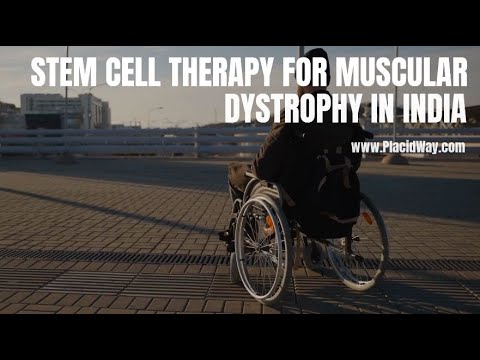



















Share this listing