


Revolutionary Regenerative Medicine for Alzheimer Treatment in the United States
The landscape of cognitive healthcare is changing rapidly across the globe. For decades, families have faced devastating realities regarding neurodegenerative diseases, often told that cognitive decline is an irreversible one-way street. However, groundbreaking scientific advancements are now offering genuine hope to those diagnosed with early-onset dementia and advanced memory loss.
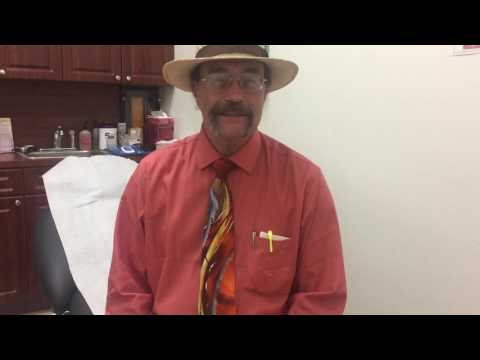
Exploring Revolutionary Regenerative Medicine for Alzheimer Treatment in the United States reveals a monumental paradigm shift from simple symptom management to actual cellular repair. Innovative stem cell therapies are completely rewriting the future of brain health, providing unprecedented opportunities for cognitive restoration. Watch to understand how top American medical facilities are deploying cellular therapies to combat neurodegeneration.
Video Chapters & Quick Navigation
The global medical community has spent decades searching for a definitive cure for cognitive decline. Historically, a diagnosis of Alzheimer's disease meant preparing for an inevitable loss of independence and memory. Today, medical science is pivoting toward therapies that aim to heal rather than merely comfort.
In recent years, researchers have uncovered the vast potential of utilizing the body’s own biological materials to target damaged brain tissues. By focusing on root causes rather than superficial symptoms, doctors are ushering in a new era of neurological healthcare. This evolution in treatment protocols offers a lifeline to thousands of patients who previously had no options.
Understanding the Global and National Burden of Alzheimer's Disease
Alzheimer's disease is widely recognized as one of the most pressing public health crises of the modern era. Millions of individuals in the United States alone suffer from progressive memory loss, cognitive impairment, and severe behavioral changes. The disease silently deteriorates neural pathways, stripping away a person's most cherished memories and fundamental life skills.
The economic and emotional toll on families is staggering, often requiring round-the-clock care and specialized living facilities. Caregivers frequently experience severe burnout, watching their loved ones slowly fade away despite taking prescribed medications. As highlighted in the video at , the traditional medical approach has historically fallen short of halting this progression.
The Pathology of Progressive Memory Loss
To understand the need for new treatments, one must first understand the destructive pathology of Alzheimer's disease. The condition is primarily characterized by the accumulation of amyloid-beta plaques and tau protein tangles in the brain. These toxic build-ups block cellular communication, ultimately leading to widespread neuronal death and brain shrinkage.
As these neurons die, the brain loses its ability to process information, store new memories, and regulate essential bodily functions. Chronic neuroinflammation further exacerbates this damage, creating a toxic environment that prevents natural healing. Breaking this destructive cycle requires an intervention capable of crossing the blood-brain barrier and initiating profound cellular repair.
Defining Revolutionary Regenerative Medicine for Alzheimer Treatment in the United States
Regenerative medicine is a highly advanced branch of science focused on repairing, replacing, or regenerating human cells and tissues. When applied to neurodegenerative conditions, it represents a monumental shift away from palliative care. Instead of simply masking symptoms, regenerative medicine for Alzheimer's disease targets the underlying cellular dysfunction.
At the core of this therapeutic revolution are specialized biological agents, including stem cells, exosomes, and growth factors. These powerful biological tools possess the unique ability to home in on areas of inflammation and tissue damage within the central nervous system. As noted in the presentation at , these therapies are fundamentally changing how leading neurologists approach cognitive decline.
The Central Role of Mesenchymal Stem Cells
Mesenchymal Stem Cells (MSCs) are currently at the forefront of Alzheimer’s treatment research and clinical application. These multipotent cells can be safely harvested from sources like umbilical cord tissue, bone marrow, or adipose tissue. MSCs are renowned for their profound immunomodulatory and anti-inflammatory properties.
Once introduced into the patient's system, MSCs work to calm the aggressive neuroinflammation associated with dementia. They secrete vital neurotrophic factors that stimulate the brain's natural repair mechanisms and encourage the growth of new neural connections. This process, known as neurogenesis, is vital for restoring cognitive function and preserving existing memory networks.
The Deep Science: How Stem Cell Therapy Heals the Brain
The mechanisms by which stem cell therapy combats Alzheimer's disease are both complex and fascinating. One of the greatest challenges in treating neurological diseases is successfully bypassing the blood-brain barrier. Advanced regenerative protocols utilize specific delivery methods, such as intravenous infusions combined with mannitol, to ensure therapeutic agents reach the brain effectively.
Once inside the cerebral environment, these cells act as micro-pharmacies, dispensing exactly what the damaged tissue requires to heal. They identify areas of toxic protein accumulation and release enzymes that assist in breaking down harmful amyloid plaques. This targeted cellular cleanup restores healthier communication pathways between surviving neurons, which is critical for cognitive processing.
Exosomes and Cellular Communication
Modern regenerative medicine for Alzheimer's frequently incorporates exosomes alongside traditional stem cell treatments. Exosomes are tiny extracellular vesicles responsible for transmitting genetic information and proteins between cells. They act as the primary communication network, instructing damaged brain cells to begin the repair process.
Because of their microscopic size, exosomes cross the blood-brain barrier with remarkable efficiency. They deliver concentrated doses of anti-inflammatory cytokines directly to the site of neural injury. As detailed at , the integration of exosome therapy significantly amplifies the overall effectiveness of neuro-regenerative protocols.
Comparing Traditional Medications to Advanced Regenerative Therapies
For decades, standard pharmaceutical treatments for Alzheimer's disease have relied heavily on cholinesterase inhibitors and NMDA receptor antagonists. These medications are designed to temporarily boost neurotransmitter levels in the brain to temporarily improve symptoms. Unfortunately, they do not stop the underlying destruction of brain cells or reverse disease progression.
Conversely, revolutionary regenerative therapies aim to alter the fundamental trajectory of the disease. Stem cells actively work to repair the damaged microenvironment, offering a potential long-term solution rather than a short-term bandage. Below is a comprehensive comparison of how these two distinct medical approaches function.
| Feature | Traditional Pharmaceuticals | Regenerative Medicine (Stem Cells) |
|---|---|---|
| Primary Mechanism | Boosts neurotransmitter levels temporarily. | Repairs cellular damage and reduces neuroinflammation. |
| Disease Progression | Does not halt or reverse brain cell death. | Aims to slow progression and stimulate neurogenesis. |
| Side Effects | Often causes nausea, dizziness, and gastrointestinal issues. | Generally well-tolerated using biocompatible cellular materials. |
| Treatment Approach | Strictly symptom management and palliative care. | Root-cause intervention targeting brain tissue repair. |
Why the United States is Leading the Charge in Cognitive Regeneration
The United States has long been recognized as a global epicenter for medical research, biotechnology, and clinical innovation. When it comes to regenerative medicine for neurological disorders, American research institutions and specialized clinics are setting the gold standard. Heavy investments in biotech infrastructure have accelerated the transition from laboratory research to viable clinical applications.
Patients seeking advanced Alzheimer's care in the US benefit from highly regulated, state-of-the-art laboratory environments. Clinics operate under strict quality control measures to ensure that the stem cells utilized are of the highest viability and purity. This commitment to clinical excellence maximizes patient safety while optimizing the therapeutic outcomes of neuro-regenerative procedures.
State-of-the-Art Clinical Facilities
Top-tier regenerative clinics across the United States employ multidisciplinary teams of neurologists, cellular biologists, and specialized nursing staff. These facilities utilize cutting-edge diagnostic tools, such as high-resolution PET scans and functional MRIs, to accurately map brain activity. By precisely identifying the areas of the brain most impacted by tau tangles, doctors can tailor treatments to the individual patient.
Furthermore, American clinics frequently participate in ongoing clinical trials and ethical research boards. This constant integration with the broader scientific community ensures that treatment protocols are continuously refined. As mentioned at , patients have access to next-generation therapies long before they become standard global practice.
Qualifying for Stem Cell Therapy for Alzheimer's Disease
While the promise of regenerative medicine is vast, it is crucial to understand that not every patient is an ideal candidate for these advanced therapies. Proper patient selection is a critical component of achieving successful outcomes in cognitive restoration. Neurologists must conduct thorough evaluations to determine the stage of the disease and the overall health of the patient.
Patients in the early to moderate stages of Alzheimer's disease typically exhibit the most profound responses to stem cell therapy. During these earlier phases, there is still a substantial amount of viable brain tissue that can be rescued and regenerated. Early intervention maximizes the chances of halting disease progression before irreversible structural damage occurs.
Comprehensive Neurological Evaluations
Before any stem cell treatment for dementia is administered, patients undergo rigorous baseline testing. This includes extensive cognitive assessments, blood panels looking for specific inflammatory markers, and advanced neuroimaging. These comprehensive diagnostics provide doctors with a clear picture of the patient’s neurological baseline.
Medical teams also evaluate the patient's existing comorbidities, such as cardiovascular disease or severe metabolic disorders, which could impact cellular healing. The goal is to create a highly personalized, holistic treatment plan tailored to the unique physiological profile of the individual. This meticulous preparation is what differentiates premium US regenerative clinics from standard healthcare providers.
The Complete Patient Journey: Navigating Cognitive Cellular Therapies
Embarking on a regenerative medical journey can seem daunting for patients and their families, but top-tier clinics are designed to make the process seamless. The journey begins with a detailed remote consultation, allowing families to discuss medical histories without the stress of initial travel. During this phase, medical experts outline realistic expectations and review preliminary diagnostic records.
Once approved for treatment, families travel to the specialized facility where they are greeted by dedicated patient concierges. The environment is carefully curated to be calming and supportive, minimizing anxiety for the patient suffering from memory loss. As highlighted at , compassionate care is just as important as the clinical technology.
The Administration Phase
The actual administration of mesenchymal stem cells is typically a minimally invasive, outpatient procedure. Most protocols utilize a highly controlled intravenous (IV) drip, allowing the cellular therapeutics to circulate systemically. In certain advanced cases, specialized intranasal delivery or intrathecal injections may be utilized to bypass the blood-brain barrier more directly.
Patients remain awake and comfortable throughout the infusion, which generally lasts a few hours. Medical staff monitor vital signs continuously to ensure maximum safety and comfort. Because no major surgery is involved, the physical recovery time from the administration itself is virtually non-existent, allowing patients to return to their hotel the same day.
Anticipated Outcomes and the Future of Brain Health Restoration
One of the most common questions families ask is how quickly they can expect to see cognitive improvements following stem cell therapy. It is vital to understand that neurological regeneration is a complex, biological process that takes time. The stem cells must integrate, reduce inflammation, and stimulate the growth of new synaptic connections over several months.
Many patients report early improvements in mood regulation, sleep patterns, and a reduction in severe confusion within the first few weeks. As the neurogenesis process continues over three to six months, more profound cognitive benefits may emerge. Families frequently observe enhanced short-term memory recall, improved verbal fluency, and a return of independent daily functioning skills.
Complementary Therapies and Lifestyle Adjustments
To maximize the efficacy of regenerative medicine for neurodegenerative diseases, leading US clinics advocate for a holistic post-treatment strategy. Stem cell therapy is incredibly powerful, but its effects are amplified when combined with lifestyle modifications. Patients are often placed on specialized anti-inflammatory diets designed to support sustained brain health.
Cognitive rehabilitation exercises, physical therapy, and targeted nutritional supplementation are integrated into the recovery plan. By maintaining a healthy metabolic environment, patients provide the newly introduced stem cells with the optimal conditions to thrive. This comprehensive, multi-disciplinary approach represents the absolute pinnacle of modern Alzheimer's care.
The Financial Investment in Cellular Health
When evaluating the cost of regenerative medicine for Alzheimer's disease, families must weigh it against the staggering expenses of long-term memory care. Traditional full-time assisted living for dementia patients can easily exceed tens of thousands of dollars annually. While stem cell therapy requires an upfront financial commitment, it presents the opportunity to preserve independence and dramatically alter the disease timeline.
Many clinics provide transparent pricing structures and assistance with medical financing to help families manage the investment. The true value lies not just in potential cognitive preservation, but in the restoration of quality of life and precious family time. Accessing these revolutionary treatments in the United States offers families the highest probability of medical success.
Ready to Explore Advanced Alzheimer's Treatments?
PlacidWay Medical Tourism connects patients with the top-rated regenerative medicine clinics in the United States. Discover how advanced stem cell therapies can offer renewed hope for cognitive restoration and brain health.
GET A FREE CONSULTATION





.png)
.png)
.png)












Share this listing