


A Japanese Patient's Journey with Kidney Stone Treatment at ADATIP Hospital, Istanbul, Turkey
Living with the excruciating pain of renal calculi can bring life to a devastating halt. When traditional pathways fail, seeking international medical expertise becomes a beacon of hope. This compelling narrative follows a Japanese patient's journey with kidney stone treatment at ADATIP Hospital, Istanbul, Turkey. It showcases a remarkable intersection of Eastern expectations and Western medical innovation.
Navigating cross-border healthcare requires immense trust, especially when dealing with severe urological conditions. This detailed account highlights why Istanbul is rapidly becoming the global epicenter for advanced, minimally invasive urology care, providing unparalleled medical precision, cultural empathy, and state-of-the-art technological intervention for international patients.
Video Chapters & Quick Navigation
The Global Search for Advanced Urology Care
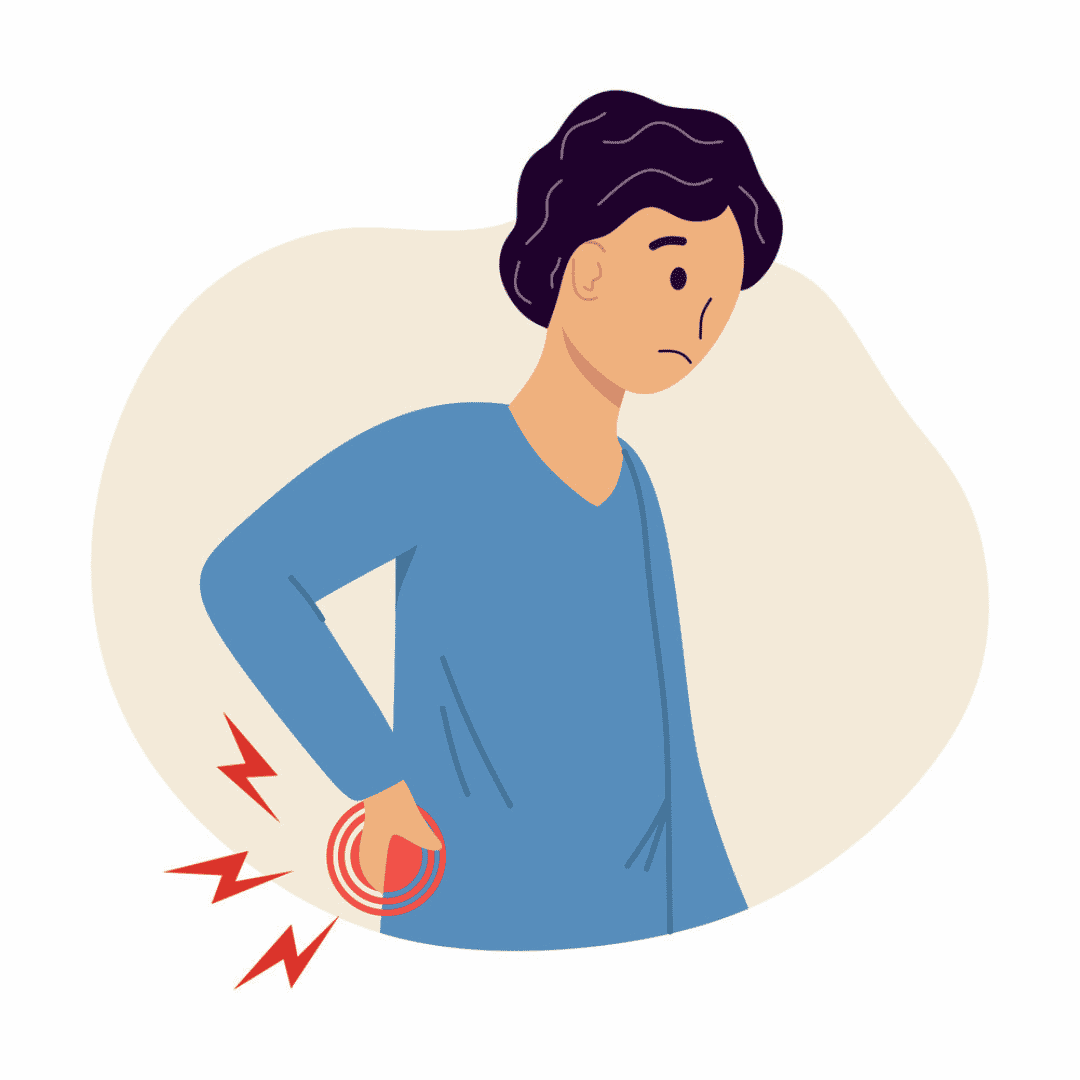
Kidney stones, medically known as nephrolithiasis, are notorious for causing some of the most intense pain a human body can endure. This condition occurs when hard deposits of minerals and acid salts stick together in concentrated urine. For many patients, the sudden onset of renal colic—a sharp, cramping pain in the back and side that radiates to the lower abdomen—triggers a desperate search for immediate and effective medical relief.
In highly developed nations like Japan, the healthcare system is undoubtedly robust, offering excellent life expectancy and high-quality preventative care. However, patients often face systemic bottlenecks when dealing with specialized, non-emergency yet debilitating conditions. Long waiting lists for specialist consultations and subsequent surgical scheduling can leave patients languishing in pain for weeks or even months. As seen at in the video, the urgency to bypass these localized delays is a primary driver for medical tourism.
When the size or location of a kidney stone makes natural passage impossible, advanced urological intervention is mandatory. Patients suffering from complex, staghorn calculi or lower pole stones require sophisticated surgical methods that are not universally available in every regional hospital. This geographical disparity in high-tech urological availability forces discerning patients to look beyond their own borders, seeking elite international hospitals capable of providing rapid, cutting-edge treatment.
The Psychological Toll of Waiting for Surgery
The impact of a delayed kidney stone treatment extends far beyond physical discomfort. The unpredictable nature of stone movement means patients live in constant fear of the next agonizing attack. This chronic anxiety affects sleep, work productivity, and overall mental health.
By choosing cross-border healthcare, international patients reclaim control over their medical timelines. The ability to schedule a critical intervention within days rather than months is a profound psychological relief. It transforms a narrative of helpless waiting into a proactive journey toward rapid healing.
Why Istanbul is the Epicenter for Medical Tourism
Turkey has strategically positioned itself at the crossroads of Europe and Asia, not just geographically, but medically. Over the last decade, the Turkish government and private medical sectors have heavily invested in health infrastructure, transforming Istanbul into a premier destination for global healthcare seekers. The country currently ranks among the top destinations worldwide for international patient arrivals.
The appeal of medical tourism in Istanbul lies in a trifecta of benefits: elite medical expertise, state-of-the-art technological infrastructure, and highly competitive pricing. Turkish surgeons manage incredibly high volumes of complex cases, which translates into unparalleled surgical dexterity and clinical experience. As highlighted around , patients arriving from Asia, Europe, and North America are consistently astounded by the caliber of care available.
Accreditations and International Standards
Patients traveling thousands of miles for surgery demand assurances of safety and quality. Istanbul meets this demand through rigid international certifications. Many of its premier institutions, including specialized urology centers, boast Joint Commission International (JCI) accreditation. This prestigious gold standard ensures that hospital protocols, from surgical sterilization to patient data privacy, mirror or exceed those found in the United States or Japan.
Furthermore, the academic rigor in Turkish medical schools is intense. Many of the leading urologists practicing in Istanbul have completed fellowships in Western Europe or North America. They bring back global best practices, ensuring that the kidney stone removal surgery in Turkey utilizes the exact same, or often newer, methodologies than those available in the patient’s home country.
Spotlight on ADATIP Hospital Istanbul: A Hub of Excellence
At the core of this specific patient's narrative is ADATIP Hospital in Istanbul. ADATIP is not merely a clinic; it is a sprawling, ultra-modern medical complex designed from the ground up to cater to both domestic needs and the rigorous demands of international medical tourists. Its architecture, patient flow, and technological outfitting represent the zenith of contemporary healthcare design.
For urological treatments specifically, ADATIP Hospital Istanbul stands out due to its dedicated centers of excellence. The urology department is equipped with high-definition digital fluoroscopy, advanced urodynamic testing suites, and dedicated laser lithotripsy operating rooms. Around , the footage typically showcases these pristine environments, reinforcing the hospital’s commitment to world-class clinical environments.
Key Amenities for International Patients
Treating a patient from abroad involves complexities far beyond the operating table. ADATIP has pioneered a holistic concierge medicine approach. They understand that navigating a foreign hospital can be daunting, which is why they have integrated specialized services tailored for global visitors.
- Dedicated International Patient Coordinators: Multilingual staff who handle everything from medical record translation to visa assistance.
- VIP Patient Suites: Private, luxury recovery rooms that function more like high-end hotel suites, providing comfort for both the patient and their traveling companions.
- Integrated Diagnostic Labs: In-house 3D CT scanning and comprehensive blood work capabilities, ensuring pre-operative workups are completed in hours, not days.
Navigating the Complexities of Kidney Stone Laser Surgery
The days of large, open incisions for kidney stone removal are largely a relic of the past. Modern urology relies on minimally invasive techniques that drastically reduce recovery time, minimize the risk of infection, and preserve renal function. When patients seek affordable kidney stone removal abroad, they are specifically looking for access to these advanced surgical modalities.
At institutions like ADATIP Hospital, surgeons utilize a customized approach based on the specific stone's size, composition, and precise anatomical location. The technological marvel of Retrograde Intrarenal Surgery (RIRS) is often the gold standard for complex cases. Using a flexible digital ureteroscope, the surgeon navigates through the natural urinary tract directly into the kidney. Once the stone is located, a high-powered Holmium laser is deployed to dust or fragment the calculus into microscopic pieces that can be safely washed out or passed naturally.
Comparing Modern Urological Interventions
To fully understand the advanced nature of the care provided, it is helpful to compare the primary methodologies utilized in modern Turkish urology departments. Each technique offers specific advantages depending on clinical indications.
| Surgical Method | Invasiveness | Ideal Stone Size | Recovery Time |
|---|---|---|---|
| ESWL (Shock Wave) | Non-invasive | Under 2cm | 1-2 Days |
| URS (Rigid Ureteroscopy) | Minimally Invasive | Mid-to-lower Ureter | 2-3 Days |
| RIRS (Flexible Laser) | Minimally Invasive | Up to 2.5cm (in Kidney) | 2-4 Days |
| PCNL (Percutaneous) | Small Incision (Keyhole) | Over 2cm (Staghorn) | 1-2 Weeks |
As noted at in the patient's testimony, the utilization of laser lithotripsy ensures that collateral tissue damage is virtually non-existent. The precision of the laser fiber allows for meticulous fragmentation, significantly reducing post-operative complications and ensuring a swift return to normal daily activities.
The Japanese Patient Experience: Cultural Competence in Turkish Healthcare
One of the most profound aspects of a Japanese patient's journey to Istanbul is the blending of cultural expectations. Japan is globally renowned for *Omotenashi*—a deep-rooted philosophy of wholehearted hospitality, meticulous attention to detail, and anticipating a guest's needs before they even arise. When a patient from this culture travels abroad for medical care, their expectations for hygiene, precision, and respect are astronomically high.
Remarkably, the Turkish healthcare system, particularly at elite institutions like ADATIP, parallels this with their own concept of *Misafirperverlik* (traditional Turkish hospitality). The hospital goes to extraordinary lengths to ensure cultural competence. From the moment the patient lands at Istanbul Airport, a dedicated liaison who speaks fluent Japanese manages the entire itinerary, eradicating the stress of language barriers in complex medical scenarios.
Bridging the Communication Gap
In medical settings, precise communication is not a luxury; it is a matter of safety. Explaining the nuances of anesthesia, the specifics of the surgical intervention, and post-operative care requires absolute clarity. The presence of native-speaking translators embedded within the medical team ensures that the patient is fully informed and actively participating in their treatment plan.
Furthermore, cultural dietary preferences and subtle nuances in bedside manner are strictly observed. This level of personalized, culturally sensitive care dramatically reduces pre-surgical anxiety. The patient feels seen, respected, and deeply cared for, which clinical studies have shown can actively contribute to more positive physiological healing outcomes.
Understanding the Economics: The Cost of Kidney Stone Surgery in Turkey
A driving factor in the exponential growth of medical tourism is the sheer economic logic of the enterprise. In countries like the United States, or for uninsured/underinsured patients globally, the cost of complex urological surgery can be financially ruinous. Even with insurance, co-pays, deductibles, and out-of-network fees can easily climb into the tens of thousands of dollars.
The cost of kidney stone surgery in Turkey disrupts this paradigm. Because of the lower cost of living, favorable exchange rates, and government subsidies aimed at boosting the medical tourism sector, hospitals can offer the exact same high-end procedures for a fraction of Western prices. Patients routinely save between 50% to 70% on total medical expenditures.
Transparent, All-Inclusive Packages
What sets clinics like ADATIP Hospital apart is their commitment to financial transparency. Rather than confusing patients with itemized bills filled with hidden fees for anesthesia, operating room time, and surgical supplies, international treatments are generally structured as comprehensive packages.
These medical packages typically include the pre-operative consultations, advanced diagnostic imaging (like 3D CT scans), the surgical procedure itself (including the use of the Holmium laser), all required medications, hospitalization fees, and even VIP airport transfers. This predictability allows patients to budget their medical journey with absolute confidence, removing the fear of unexpected financial burdens.
From Diagnosis to Discharge: The Comprehensive Patient Pathway
The journey of an international patient is a meticulously choreographed sequence of events designed to maximize clinical efficiency while minimizing patient fatigue. The process begins long before the patient ever boards an airplane. Through secure telemedicine portals, the patient's local medical records, ultrasound results, and historical data are reviewed by the surgical board in Istanbul.
Once the patient is deemed a candidate for surgery, the logistics are finalized. Upon arrival in Turkey, as shown near in the documentation, the patient is whisked directly to their accommodation or the hospital for immediate admission. Within 24 hours, comprehensive pre-surgical screenings are completed. This rapid turnaround is a hallmark of the Turkish medical system, eliminating the agonizing delays common in other countries.
The Post-Operative Healing Environment
Following a successful laser lithotripsy or RIRS procedure, the focus immediately shifts to recovery and complication prevention. Patients are typically monitored in their private suites for 24 to 48 hours. During this time, they receive aggressive hydration therapy and pain management to ensure any residual stone dust passes comfortably.
Before medical clearance is given to fly home, a final diagnostic ultrasound or X-ray is performed to confirm the complete eradication of the stone burden. The patient is then provided with a comprehensive discharge summary, translated into their native language, and detailed dietary guidelines designed to prevent future stone formation. The medical team maintains ongoing communication even after the patient returns home, ensuring a continuous continuum of care.
Redefining Global Healthcare Access Through Cross-Border Medicine
The successful treatment of a Japanese patient in the heart of Istanbul is more than just an isolated medical success story; it is a testament to the evolving nature of global healthcare. Borders are no longer the definitive boundaries for medical excellence. When domestic systems cannot provide immediate, specialized care, the international medical community stands ready with sophisticated solutions.
Facilities like ADATIP Hospital are pioneering a new era of globalized medicine. By combining elite surgical talent, state-of-the-art medical technology, profound cultural empathy, and sustainable pricing models, they are democratizing access to top-tier urological care. The chronic pain and anxiety of kidney stones do not have to be a prolonged sentence.
Through seamless coordination and unwavering commitment to clinical excellence, medical tourism is transforming the way the world heals. Patients are empowered to seek the best possible care, regardless of geographical constraints, turning a daunting medical crisis into an empowering journey of recovery and global discovery.
Ready to Reclaim Your Life from Kidney Stone Pain?
Stop waiting in pain. PlacidWay Medical Tourism connects you directly with elite institutions like ADATIP Hospital in Istanbul. Experience rapid, world-class laser urology treatments customized to your needs. Let our dedicated team coordinate your entire medical journey.
GET A FREE MEDICAL QUOTE TODAY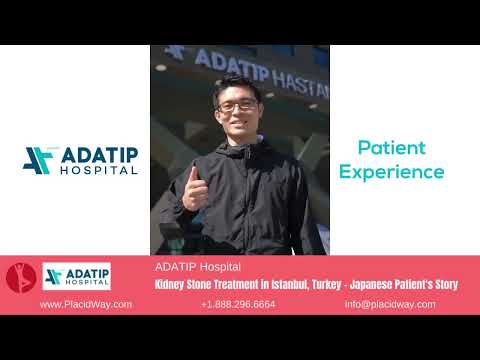

















Share this listing