


Breaking Boundaries: Exploring Top CAR-T Cell Therapy Doctors in China
Cancer treatment is undergoing a revolutionary transformation, and Asia is rapidly emerging as the epicenter of this medical renaissance. For patients battling advanced blood cancers, finding life-saving solutions often leads to exploring top CAR-T cell therapy doctors in China. Historically, groundbreaking immunotherapy was restricted to a few Western nations with exorbitant price tags that put care out of reach for many. Today, innovative Chinese oncologists are breaking boundaries, offering highly advanced, personalized cellular therapies at a fraction of the cost. Watch and discover how world-class medical facilities are providing unprecedented hope for patients facing relapsed malignancies.
Video Chapters & Quick Navigation
The Evolution of Immunotherapy and Cellular Medicine in Asia
The landscape of modern oncology has shifted dramatically over the past decade, moving away from broad-spectrum chemotherapy toward highly targeted treatments. Chimeric Antigen Receptor T-cell (CAR-T) therapy represents the absolute pinnacle of this personalized medical revolution. By genetically engineering a patient's own immune system to hunt and destroy malignant cells, doctors are achieving remission in cases previously deemed untreatable.
As discussed at , Asia—and specifically China—has rapidly transformed into a global powerhouse for these complex cellular therapies. Massive governmental investments in biotechnology and streamlined regulatory pathways have created an environment where medical innovation thrives. This has allowed the region to not only match Western medical standards but, in many cases, exceed them in terms of clinical trial volume and availability.
For international patients suffering from aggressive blood cancers, this evolution offers a beacon of hope. The availability of affordable CAR-T cell therapy abroad means that life-saving interventions are no longer exclusive to the ultra-wealthy. Chinese medical institutions are now welcoming patients from all over the globe, providing a lifeline when conventional treatments have failed.
Why China is Leading the Global Surge in CAR-T Clinical Trials
China currently registers more clinical trials for CAR-T cell therapies than any other country in the world, including the United States. This unprecedented surge is driven by a combination of robust public funding, private biotechnology investments, and an incredibly dense network of specialized research hospitals. Consequently, patients have access to next-generation treatments that are still years away from approval in other jurisdictions.
The National Medical Products Administration (NMPA) in China has established an expedited review process for breakthrough oncology treatments. As highlighted at , this efficiency does not come at the expense of patient safety. Rigorous ethical standards and international safety protocols are strictly enforced across all major research hospitals, ensuring optimal patient outcomes.
This immense volume of clinical data means that Chinese oncologists accumulate hands-on experience at an accelerated rate. By treating thousands of complex cases, these medical professionals have refined their protocols for managing side effects and maximizing tumor eradication. The sheer scale of their practice translates directly into higher expertise and better survival rates for international patients.
Primary Cancers Targeted by Chinese Researchers
- B-Cell Acute Lymphoblastic Leukemia (ALL): Achieving remarkable remission rates in pediatric and adult populations.
- Diffuse Large B-Cell Lymphoma (DLBCL): Offering curative intent for patients who have relapsed after multiple lines of chemotherapy.
- Multiple Myeloma: Utilizing dual-targeted CAR-T cells (such as BCMA and CD19) to overcome resistance and prevent relapse.
Exploring Top CAR-T Cell Therapy Doctors in China: Medical Expertise
The success of any advanced immunotherapy hinges entirely on the expertise of the attending hematologist-oncologist. Top CAR-T cell therapy doctors in China are widely recognized as global thought leaders in the field of cellular medicine. Many of these specialists have completed extensive fellowships at prestigious Western institutions, blending international best practices with local technological advancements.
These leading physicians do not work in isolation; they are supported by multidisciplinary teams comprising immunologists, geneticists, and critical care specialists. As noted in the video at , this collaborative approach ensures that every aspect of the patient's genetic profile is analyzed before therapy begins. The result is a highly bespoke treatment plan tailored to the unique molecular signature of the individual's cancer.
Furthermore, Chinese oncologists are pioneering "off-the-shelf" or allogeneic CAR-T cell therapies, which utilize donor cells rather than the patient's own. This groundbreaking research aims to drastically reduce the waiting time for treatment, which is crucial for patients with rapidly progressing diseases. Their relentless pursuit of innovation continues to push the boundaries of what is medically possible.
The Science Behind Chimeric Antigen Receptor T-Cell Therapy
Understanding the sheer complexity of this treatment helps underscore why choosing a highly skilled medical team is non-negotiable. CAR-T cell therapy is not a simple drug infusion; it is a multi-step bioengineering process that transforms the patient's immune cells into a living drug. The precision required at each stage demands state-of-the-art laboratory infrastructure and flawless execution.
The journey begins with leukapheresis, a procedure where white blood cells are extracted from the patient's bloodstream. These cells are then transported to a highly secure Good Manufacturing Practice (GMP) laboratory. As detailed at , scientists use a deactivated viral vector to insert new genetic instructions into the T-cells, enabling them to produce chimeric antigen receptors on their surface.
Once successfully engineered, these supercharged T-cells are multiplied by the millions in a bioreactor. Before the cells are reintroduced to the patient, a brief course of conditioning chemotherapy is administered to create a favorable environment in the body. Finally, the newly minted CAR-T cells are infused back into the bloodstream, where they aggressively seek out and destroy cancer cells with astonishing efficiency.
| Treatment Phase | Medical Procedure Description | Estimated Duration |
|---|---|---|
| 1. Leukapheresis | Extraction of T-cells from the patient's peripheral blood. | 3 to 6 Hours |
| 2. Cellular Engineering | Genetic modification and multiplication of T-cells in a GMP lab. | 2 to 4 Weeks |
| 3. Lymphodepletion | Low-dose conditioning chemotherapy to prepare the body. | 3 to 5 Days |
| 4. Cell Infusion | Intravenous delivery of the modified CAR-T cells. | 30 to 90 Minutes |
Cost Comparison: Accessing Affordable Cancer Treatment Abroad
The single greatest barrier to accessing advanced immunotherapy in the West is the astronomical financial burden. In the United States, commercial CAR-T cell therapies like Kymriah or Yescarta can easily exceed $400,000 for the cellular product alone. When factoring in hospital stays, specialist fees, and intensive care management, the total medical bill often surpasses the million-dollar mark.
By stark contrast, seeking CAR-T cell therapy in China presents a highly viable economic alternative without sacrificing clinical quality. As highlighted at , comprehensive treatment packages in top Chinese oncology centers typically range from $70,000 to $120,000. This massive cost reduction is driven by lower localized research costs, government subsidies for biotechnology, and lower administrative overhead.
For self-paying international patients, this price differential is truly life-changing. It allows families to afford the absolute best hematology oncology specialists and cover all associated travel and accommodation expenses while still saving hundreds of thousands of dollars. The democratization of this life-saving technology is one of the most profound benefits of modern medical tourism.
What Do International Treatment Packages Usually Include?
- Comprehensive pre-treatment diagnostics, including PET-CT scans and bone marrow biopsies.
- The complete laboratory engineering of the customized CAR-T cells.
- Inpatient hospitalization in specialized, sterile oncology wards.
- Dedicated English-speaking medical translators and 24/7 nursing care.
State-of-the-Art Medical Facilities and Research Hospitals
Patients traveling to China for complex oncology treatments are often astounded by the sheer scale and modernization of the medical infrastructure. The top-tier international hospitals in cities like Beijing, Shanghai, and Guangzhou are architectural and technological marvels. These institutions are purposely designed to handle the rigorous demands of advanced cellular engineering and intensive patient care.
The laboratories attached to these hospitals operate under the strictest international GMP standards, ensuring zero contamination during the vital cell engineering phase. As seen at , patient wards are equipped with sophisticated HEPA filtration systems to create ultra-clean environments. This is a critical feature, as a patient's immune system is temporarily compromised during the lymphodepletion phase.
Beyond the clinical technology, these centers place a heavy emphasis on patient comfort and psychological well-being. VIP international suites often feature spacious accommodations for family members, international cuisine options, and holistic support services. The goal is to create a healing environment that minimizes stress during a highly challenging medical journey.
Navigating the Medical Tourism Journey for Cancer Care
Traveling across the globe for a complex medical procedure requires meticulous planning and logistical support. Fortunately, the medical tourism infrastructure in China has matured significantly to accommodate the influx of international oncology patients. Dedicated international patient departments act as vital liaisons between the medical team and the arriving family.
The journey begins long before the patient boards a flight, starting with a comprehensive remote medical consultation. As discussed at , patients securely transfer their medical records, imaging, and pathology reports for review by a tumor board. Once accepted into a program, hospitals provide necessary documentation to expedite the acquisition of specialized medical visas.
Upon arrival, patients are greeted with VIP airport transfers and immediate logistical assistance. Navigating a foreign healthcare system can be daunting, which is why round-the-clock medical interpreters are assigned to international cases. This ensures that every nuance of the treatment plan, daily vital signs, and consent forms are perfectly understood by the patient and their caregivers.
Patient Success Rates and Safety Protocols
The clinical outcomes emerging from China's premier oncology centers are capturing the attention of the global medical community. For patients with relapsed or refractory B-cell malignancies, complete response rates frequently mirror or surpass those published by top-tier Western institutions. Many patients who were placed on palliative care in their home countries achieve total metabolic remission following their treatment abroad.
However, CAR-T cell therapy carries significant inherent risks, most notably Cytokine Release Syndrome (CRS) and neurotoxicity. At , the video explains how Chinese medical teams have developed incredibly sophisticated protocols for early detection and intervention. Utilizing targeted medications like Tocilizumab, oncologists rapidly neutralize inflammatory storms before they threaten the patient's life.
This exceptional safety record is a direct result of the high volume of cases these doctors handle annually. Intensive care units (ICUs) in these specialized hospitals are inherently familiar with the unique complications associated with cellular therapies. Their proactive, rather than reactive, approach to patient monitoring is a critical factor in the high survival rates reported in these programs.
Future Horizons: Expanding Beyond Blood Cancers
While the current success of CAR-T therapy is largely confined to hematological malignancies, the future of this technology lies in conquering solid tumors. Chinese researchers are aggressively pursuing clinical trials targeting liver cancer, gastric cancer, and pancreatic tumors. By identifying novel antigens unique to these solid masses, scientists are engineering specialized T-cells capable of penetrating dense tumor microenvironments.
This relentless drive toward discovery ensures that China will remain at the vanguard of oncology research for decades to come. As highlighted at , the integration of CRISPR gene-editing technology with CAR-T production is already yielding stronger, more resilient immune cells. These advancements promise to unlock even higher cure rates and broader applicability across diverse cancer types.
For patients and their families, staying informed about these global medical breakthroughs is incredibly empowering. The boundaries of what is medically possible are constantly expanding, offering renewed hope to those facing the darkest diagnoses. By looking beyond geographical borders, patients can access the absolute forefront of human medical achievement.
Take the Next Step Toward Life-Saving Care
Don't let exorbitant local costs limit your treatment options. PlacidWay Medical Tourism connects you directly with the world's most advanced oncology centers and top CAR-T specialists in China. Let our dedicated team help you navigate your journey toward healing.
REQUEST A FREE MEDICAL CONSULTATION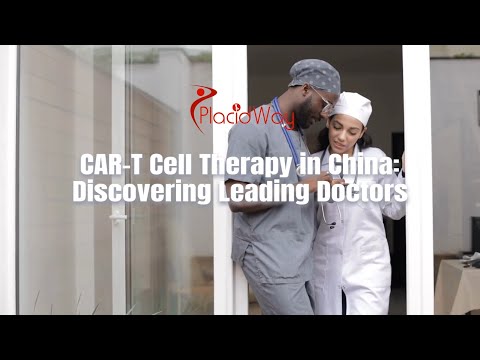
















Share this listing