


A Woman's Story of Cartilage Repair through Stem Cell Therapy at MexStemCells in Mexico City, Mexico
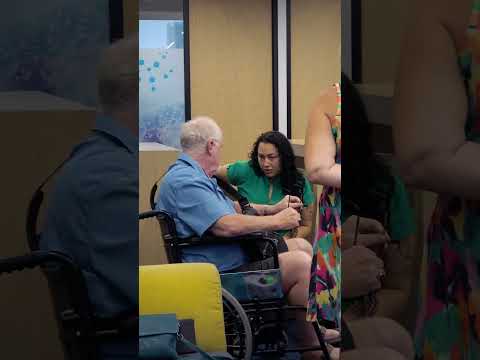
Living with chronic joint pain can feel like an endless battle against your own body. For years, patients facing severe joint degradation were told that invasive surgery was their only option. Today, regenerative medicine offers a groundbreaking alternative. This video highlights a woman's story of cartilage repair through stem cell therapy at MexStemCells in Mexico City, Mexico. Discover how advanced regenerative treatments are helping patients avoid the operating room, restore their mobility, and reclaim their active lifestyles at a fraction of the cost found in the United States.
Video Chapters & Quick Navigation
The Agony of Cartilage Degeneration and Osteoarthritis
Cartilage is a remarkable but vulnerable tissue. It serves as the slick, shock-absorbing cushion between our bones, allowing joints to glide effortlessly during movement. Unfortunately, cartilage is also an avascular tissue, meaning it lacks a direct blood supply.
Because it lacks direct blood flow, cartilage cannot efficiently repair itself once it is damaged. When a patient experiences trauma from sports, repetitive stress from daily labor, or the natural wear and tear associated with aging, the cartilage begins to degrade. This deterioration leads directly to osteoarthritis, a condition characterized by bones rubbing directly against one another.
As highlighted in the patient's testimony at , the friction caused by bone-on-bone contact triggers severe, chronic inflammation. The joint swells, stiffness sets in, and simple activities like climbing stairs or walking to the mailbox become monumental tasks. The pain is not just physical; it takes an immense psychological toll as patients are forced to abandon their favorite hobbies and limit their participation in family activities.
The Limitations of Conventional Treatments
For decades, the standard orthopedic approach to severe joint pain has been highly sequential and ultimately limiting. Patients are typically prescribed nonsteroidal anti-inflammatory drugs (NSAIDs) to manage the immediate pain, though long-term use can lead to severe gastrointestinal and cardiovascular complications.
When oral medications fail, physicians often turn to corticosteroid injections. While these injections provide rapid relief by forcefully suppressing inflammation, repeated use has been clinically shown to accelerate cartilage degradation. Patients find themselves trapped in a cycle of diminishing returns, requiring more frequent injections that cause further damage to the very joint they are trying to save.
Eventually, patients are told that their only remaining option is a total joint replacement surgery. This invasive procedure involves amputating the damaged bone ends and replacing them with metal and plastic prosthetics. It requires general anesthesia, carries significant risks of infection or blood clots, and involves a grueling, months-long rehabilitation process.
The Paradigm Shift to Regenerative Medicine in Mexico
Faced with the daunting prospect of major surgery and prolonged downtime, an increasing number of patients are looking beyond conventional orthopedics. They are seeking treatments that heal rather than mask symptoms. This search for genuine healing has driven the massive growth of medical tourism for regenerative medicine, specifically affordable stem cell therapy for knee cartilage in Mexico.
Regenerative medicine fundamentally changes the goal of orthopedic treatment. Instead of artificially reducing inflammation with chemicals or cutting out the joint entirely, stem cell therapy utilizes the body's own biological building blocks to repair damaged tissue.
At in the video, the patient describes the precise moment she decided to explore biological alternatives to knee replacement surgery. The realization that she could potentially restore her native joint anatomy rather than replace it with titanium was a massive turning point in her healthcare journey.
Why Patients Choose MexStemCells in Mexico City
When evaluating clinics for regenerative medicine, patients must navigate a sea of information to find reputable, ethical, and highly regulated facilities. MexStemCells in Mexico City has emerged as a globally recognized leader in this exact medical niche.
Choosing to travel internationally for healthcare is a major decision, but clinics like MexStemCells offer compelling reasons that make the journey worthwhile. The facility operates under strict regulatory guidelines established by COFEPRIS, the Mexican governmental body equivalent to the US Food and Drug Administration (FDA).
This stringent oversight ensures that all cellular products are cultivated, harvested, and administered in state-of-the-art, sterile laboratory environments. The clinic utilizes advanced clean rooms that prevent contamination, guaranteeing that patients receive the highest quality therapeutic cells available.
World-Class Medical Expertise
The success of stem cell therapy for joint pain relies heavily on the expertise of the medical professionals administering the treatment. At MexStemCells, the medical teams are comprised of highly specialized regenerative medicine physicians, orthopedic specialists, and cellular biologists.
These experts frequently collaborate with international medical institutions and stay at the absolute cutting edge of regenerative science. During the consultation phase, which the patient recounts at , the doctors take the time to comprehensively review MRI scans, deeply analyze the patient's medical history, and set highly realistic expectations.
This personalized, patient-centric approach contrasts sharply with the hurried, five-minute appointments many patients experience in overloaded Western healthcare systems. The physicians at MexStemCells are dedicated to understanding the specific biochemical environment of each patient's joint before designing a customized treatment protocol.
The Science: How Mesenchymal Stem Cells Regenerate Joints
To truly appreciate the value of the treatment provided at MexStemCells, it is crucial to understand the underlying biological mechanisms. The primary therapeutic agents used in these protocols are Mesenchymal Stem Cells (MSCs).
Mesenchymal Stem Cells are multipotent stromal cells. This means they possess the unique, inherent ability to differentiate into a variety of specialized cell types, including osteoblasts (bone cells), myocytes (muscle cells), and most importantly for joint repair, chondrocytes (cartilage cells).
When millions of concentrated, highly viable MSCs are injected directly into an osteoarthritic joint, they immediately begin a complex biological process known as cellular signaling or paracrine signaling. The stem cells release powerful growth factors, cytokines, and exosomes into the synovial fluid.
The Three Pillars of MSC Joint Repair
The mechanism of action for mesenchymal stem cells in joint repair can be broken down into three critical pillars:
- Potent Immunomodulation: The injected cells immediately target the localized inflammation that causes joint pain. They reprogram the local immune system, shifting it from a destructive, inflammatory state to a constructive, healing state.
- Apoptosis Prevention: Stem cells secrete specialized proteins that prevent existing, healthy cartilage cells from dying off prematurely. This effectively halts the progression of osteoarthritis in its tracks.
- Tissue Regeneration: The MSCs stimulate the patient's native progenitor cells to multiply and differentiate into new chondrocytes. Over time, this biological cascade results in the synthesis of new collagen and the physical thickening of the articular cartilage.
| Feature | Corticosteroid Injections | Joint Replacement Surgery | Stem Cell Therapy (MSCs) |
|---|---|---|---|
| Primary Goal | Temporary pain suppression | Mechanical joint replacement | Biological tissue repair |
| Invasiveness | Minimally invasive | Highly invasive (amputation of bone) | Minimally invasive (injection) |
| Long-Term Joint Impact | Accelerates cartilage loss over time | Loss of native anatomy completely | Promotes cartilage thickening and joint health |
| Recovery Time | 1 to 2 days | 3 to 6 months of intense rehab | Few days of rest, gradual improvement |
The Complete Patient Journey at MexStemCells
One of the most anxiety-inducing aspects of medical tourism is the fear of the unknown. Understanding exactly what happens from the moment you step off the plane in Mexico City helps alleviate these concerns. The patient in the video outlines her incredibly smooth and supportive experience.
The journey begins long before the patient arrives. Initial virtual consultations allow the medical team at MexStemCells to review imaging and determine if the patient is a viable candidate for regenerative medicine for osteoarthritis in Mexico. Once approved, the logistical team assists with travel planning, ensuring a stress-free arrival.
Upon arriving at the clinic, the patient undergoes a comprehensive in-person medical evaluation. This includes blood work, a physical joint assessment, and a detailed discussion of the specific treatment protocol. The patient noted at that the warmth, professionalism, and impeccable cleanliness of the facility immediately put her at ease.
The Procedure Day
The actual stem cell procedure is remarkably straightforward and performed on an outpatient basis. Depending on the specific protocol designed by the physician, patients may receive autologous stem cells (harvested from their own adipose tissue or bone marrow) or high-quality allogeneic mesenchymal stem cells sourced from thoroughly screened, ethically donated umbilical cord tissue.
Umbilical cord-derived MSCs are highly favored at top clinics because they are biologically youthful, robust, and capable of rapid replication. The physician uses advanced ultrasound or fluoroscopic guidance to ensure the concentrated stem cells are injected with pinpoint accuracy directly into the damaged joint capsule.
The entire injection process takes only a matter of minutes. Local anesthesia is used to ensure patient comfort, and the use of image-guided delivery guarantees that the regenerative cells are placed exactly where they are needed most to stimulate cartilage repair.
Breaking Down the Financial Investment
While the profound medical benefits of regenerative therapy are the primary draw, the massive financial advantages cannot be ignored. The cost of stem cell therapy for joint pain in Mexico is dramatically lower than what patients face in the United States, Canada, or Europe.
In the United States, regenerative medicine is frequently categorized as experimental by massive health insurance conglomerates, meaning patients are forced to pay entirely out of pocket. A single, high-quality stem cell joint injection in a major US city can easily range from $8,000 to $15,000.
Furthermore, many US clinics are severely restricted by FDA regulations regarding how stem cells can be cultured and expanded in a laboratory. This often limits patients to receiving lower-concentration, same-day autologous treatments that may not possess the biological vigor required for severe cartilage repair.
The Cost Efficiency of Mexico City
By traveling to MexStemCells in Mexico City, patients access treatments featuring tens of millions of highly viable, laboratory-expanded mesenchymal stem cells for a fraction of the cost. Comprehensive treatment packages typically range from $3,500 to $6,000, depending on the number of joints being treated and the precise cellular dosage required.
This massive cost reduction is not due to a decrease in quality. Instead, it reflects the lower general cost of living, reduced administrative healthcare bloat, and highly favorable currency exchange rates. Patients receive world-class, ISO-certified cellular therapies while saving thousands of dollars, even after factoring in the cost of flights and premium hotel accommodations in Mexico City.
Recovery Timeline and Life After Treatment
One of the most dramatic differences between joint replacement surgery and stem cell therapy is the recovery process. Instead of enduring months of agonizing physical therapy to regain basic joint function, stem cell patients experience a much gentler, progressive healing journey.
In the immediate days following the injection, patients may experience mild soreness or a feeling of fullness in the treated joint. This is a normal biological response as the stem cells initiate the healing cascade and localized blood flow increases. The clinic generally advises patients to avoid strenuous activities, deep squats, or heavy lifting for the first week.
As detailed at in the patient's testimony, the first major milestone usually occurs between weeks three and four. Patients frequently report a noticeable decrease in baseline pain and a significant reduction in joint stiffness, particularly upon waking in the morning.
The Long-Term Cartilage Repair Process
True cartilage regeneration is a biological process that requires time. Stem cells continue to actively orchestrate tissue repair for several months post-injection. By the three-to-six-month mark, the structural improvements within the joint typically reach their peak.
Many patients who successfully undergo treatment at MexStemCells find themselves returning to activities they had abandoned years prior. From hiking and playing golf to simply walking around the grocery store without wincing in pain, the restoration of mobility fundamentally improves the patient's overall quality of life.
To maximize these results, physicians strongly recommend engaging in low-impact physical therapy, such as swimming or stationary cycling, to strengthen the muscles supporting the newly regenerating joint. Proper nutrition and maintaining a healthy body weight also play crucial roles in preserving the new cartilage long-term.
Planning Your Medical Tourism Journey to Mexico City
Making the decision to pursue stem cell therapy at MexStemCells is the first step; executing the journey requires minor logistical planning. Fortunately, Mexico City is one of the most accessible international medical hubs for North American patients.
Benito Juárez International Airport (MEX) receives dozens of direct flights daily from major cities across the US and Canada. Flight times are exceptionally short, often ranging from just two to four hours for patients flying from southern or central states. This minimizes travel-related stress and discomfort before the medical procedure.
Mexico City itself is a vibrant, cosmopolitan metropolis boasting world-class culinary scenes, rich historical architecture, and premium hospitality. MexStemCells is situated in a safe, upscale medical district surrounded by luxurious, affordable hotels. Many patients choose to extend their stay by a few days to enjoy the city's rich culture while beginning their initial recovery phase in a relaxing environment.
Seamless Support with PlacidWay
Navigating international healthcare can seem complex, which is why utilizing a dedicated medical tourism facilitator is highly recommended. PlacidWay Medical Tourism specializes in bridging the gap between international patients and elite clinics like MexStemCells.
From facilitating the initial transfer of medical records and MRI scans to assisting with VIP airport transfers and bilingual concierge services, the entire process is streamlined. Patients are never left to navigate the healthcare system alone. Every detail is meticulously planned to ensure that the patient’s sole focus remains entirely on their healing and recovery.
The success stories emerging from Mexico City are a testament to the power of modern regenerative medicine. You no longer have to accept chronic joint pain as a permanent fixture in your life, nor do you have to subject your body to invasive, irreversible surgical procedures.
Ready to Reclaim Your Mobility and End Joint Pain?
Take the first step toward lasting joint health. Discover if you are a candidate for advanced stem cell therapy at MexStemCells in Mexico City. Get your free, no-obligation medical evaluation today.
REQUEST YOUR FREE CONSULTATION
.png)
.png)




-(7).png)
.png)
.png)


-(3).png)

-(8).png)








Share this listing