


Colombia Stem Cells: Anna Taraban's Recovery from Chronic Ankle Pain at Regencord
Chronic ankle pain can bring life to a grinding halt, turning simple daily tasks into agonizing physical hurdles. For many patients, traditional orthopedic interventions like invasive surgeries and temporary steroid injections completely fail to provide lasting, structural relief. Enter advanced stem cell therapy in Colombia.
In this comprehensive breakdown, we explore Anna Taraban’s remarkable recovery from debilitating joint pain through cutting-edge regenerative medicine at the renowned Regencord clinic. Discover how ethically sourced mesenchymal stem cells are revolutionizing orthopedic healing protocols, and learn exactly why medical tourists are flocking to Latin America for world-class, affordable joint restoration.
Video Chapters & Quick Navigation
- The Devastating Impact of Chronic Ankle Pain
- The Science of Mesenchymal Stem Cells
- Why Colombia Leads in Regenerative Medicine
- Inside Regencord Clinic in Colombia
- Anna Taraban's Personal Recovery Journey
- Stem Cell Therapy Cost Comparison
- Ideal Candidates for Orthopedic Stem Cells
- The Step-by-Step Injection Procedure
- Post-Treatment Rehabilitation Protocol
- Frequently Asked Questions
The Devastating Impact of Chronic Ankle Pain
The human ankle is a complex, weight-bearing hinge joint designed to provide mobility and stability. When this intricate network of ligaments, tendons, and cartilage becomes compromised, the resulting chronic ankle pain can drastically reduce a person's quality of life. Unlike minor sprains that heal in a matter of weeks, chronic joint degeneration creates a persistent cycle of inflammation, stiffness, and sharp pain.
Conditions such as osteoarthritis, chronic ankle instability, and untreated sports injuries often lead to the gradual wearing away of protective cartilage. Because cartilage lacks a direct blood supply, the body struggles to repair these tissues naturally. Traditional medicine typically responds with temporary band-aids like non-steroidal anti-inflammatory drugs (NSAIDs) or cortisone injections, which only mask the pain while the underlying joint continues to deteriorate.
When conservative treatments fail, orthopedic surgeons frequently recommend invasive procedures such as ankle fusion or total joint replacement. These surgeries require long, painful recovery periods and permanently alter the biomechanics of the foot. It is this frustrating lack of viable, non-surgical options that drives patients like Anna Taraban to seek out alternative, regenerative solutions abroad.
The Science of Mesenchymal Stem Cells for Joint Repair
To understand why regenerative medicine is so effective for chronic ankle pain, it is essential to look at the biology of Mesenchymal Stem Cells (MSCs). MSCs are multipotent adult stem cells capable of differentiating into various structural cell types, including osteoblasts (bone cells) and chondrocytes (cartilage cells). When introduced into a damaged ankle joint, these cells get to work immediately on a microscopic level.
The true power of mesenchymal stem cells lies in their paracrine effect. Once injected, MSCs release a powerful cocktail of growth factors, cytokines, and exosomes that signal the body's native cells to begin the healing process. This biochemical signaling aggressively reduces localized inflammation, halts further tissue degeneration, and creates an optimal microenvironment for new cartilage and tissue regeneration.
Umbilical Cord-Derived vs. Autologous Stem Cells
Many clinics in the United States offer autologous stem cell therapy, which involves extracting cells from the patient's own bone marrow or adipose (fat) tissue. While somewhat effective, this method has limitations. As human beings age, the vitality, quantity, and replication speed of our native stem cells drastically decrease, making autologous treatments less potent for older patients.
Leading international clinics, like those offering stem cell therapy in Colombia, primarily utilize allogeneic umbilical cord-derived MSCs sourced from Wharton's Jelly. These day-zero cells are ethically harvested from healthy, full-term pregnancies following rigorous screening. They boast the highest possible replication rates and are completely immune-privileged, meaning they do not trigger a rejection response in the patient's body.
Why Colombia is a Global Hub for Regenerative Medicine
Medical tourism for regenerative therapies has exploded in recent years, with Latin America emerging as a dominant player. Colombia, in particular, has positioned itself as a premier destination for high-quality, ethically regulated stem cell treatments. The country's medical infrastructure is highly advanced, featuring state-of-the-art hospitals and laboratories that frequently exceed international standards.
The primary reason patients travel to Colombia is the regulatory environment. In the United States, the FDA classifies expanded (cultured) stem cells as biological drugs, heavily restricting their use in clinical practice. US doctors are legally limited to performing same-day procedures using unexpanded, unmanipulated autologous cells, which yields a significantly lower cell count.
Conversely, Colombia’s health regulatory agency, INVIMA, allows for the legal, safe expansion of umbilical cord stem cells in highly controlled, ISO-certified cleanrooms. This vital difference means a patient receiving stem cell therapy in Colombia can be treated with tens of millions of potent, highly active MSCs, maximizing the therapeutic potential for chronic joint repair.
Inside Regencord: A Premier Regenerative Clinic in Colombia
When searching for the best clinic for chronic ankle pain stem cell treatment, Regencord consistently emerges as a top-tier facility. Located in the heart of Colombia, Regencord specializes in highly targeted, personalized regenerative protocols designed to treat severe orthopedic conditions, autoimmune diseases, and neurodegenerative disorders.
The medical team at Regencord comprises board-certified orthopedic specialists, immunologists, and cellular biologists who have trained extensively in global regenerative medicine. They employ a rigorous patient screening process, ensuring that only viable candidates are accepted for treatment. This dedication to ethical medical practices results in exceptionally high patient satisfaction and success rates.
Furthermore, Regencord operates its own advanced cellular laboratory or partners with certified local labs to maintain strict oversight of the cell culturing process. They utilize precise cold-chain logistics to guarantee the viability of the mesenchymal stem cells from the incubator to the injection site, ensuring maximum potency for patients suffering from chronic pain.
Anna Taraban's Personal Recovery Journey
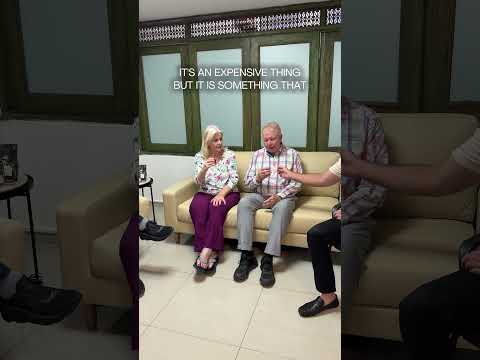
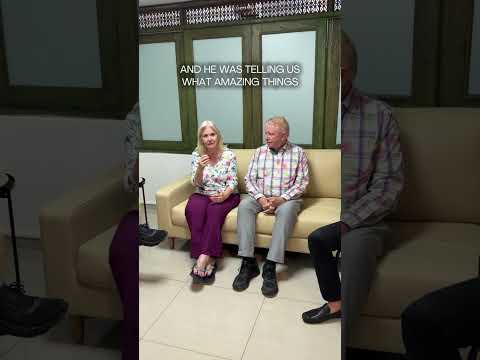
Anna Taraban's story is a profound testament to the efficacy of advanced cellular therapies. Before discovering Regencord, her life was severely restricted by chronic ankle pain. Routine activities like walking the dog, navigating stairs, or exercising became impossible without debilitating discomfort and swelling. As she details at in the video, traditional medical avenues had left her exhausted and hopeless.
Her local orthopedic specialists offered her a grim ultimatum: rely on daily painkillers, undergo repeated cortisone injections that would further degrade her cartilage, or submit to invasive ankle fusion surgery. Unwilling to accept a lifetime of limited mobility, Anna began researching alternative treatments, eventually discovering the remarkable potential of stem cell medical tourism in Colombia.
At , Anna describes her seamless experience arriving at the Regencord clinic. She was struck by the professionalism of the medical staff and the cutting-edge technology utilized for her procedure. Instead of a traumatic surgery, she received a highly concentrated, ultrasound-guided injection of expanded mesenchymal stem cells directly into her damaged ankle joint.
The results were nothing short of life-changing. As highlighted at , Anna's post-treatment recovery defied conventional expectations. Within a few months, the profound cellular regeneration allowed her to return to her favorite physical activities entirely pain-free, fully restoring her active lifestyle without the need for destructive surgical interventions.
Stem Cell Therapy Cost Comparison: Colombia vs. The United States
One of the most compelling reasons patients explore medical tourism in Colombia for stem cells is the drastic difference in treatment costs. In the United States, patients seeking orthopedic stem cell treatments often face exorbitant out-of-pocket expenses, as these therapies are rarely covered by traditional health insurance providers.
A standard autologous stem cell procedure in a major US city can easily range from $8,000 to $15,000 per joint. Despite this high price tag, the patient is receiving unexpanded, older cells derived from their own body, which may yield suboptimal regenerative results depending on their age and overall health status.
The Value Proposition of Latin American Clinics
In contrast, the cost of stem cell therapy in Latin America, specifically at premier clinics like Regencord in Colombia, offers unprecedented value. Comprehensive regenerative packages typically range between $4,000 and $8,000. This lower price point is a direct result of the lower cost of living, reduced administrative overhead, and favorable exchange rates, not a reduction in medical quality.
Most importantly, for this reduced price, patients receive millions of highly potent, lab-expanded umbilical cord mesenchymal stem cells. Furthermore, international treatment packages frequently include comprehensive concierge services, such as VIP airport transfers, luxury hotel accommodations, diagnostic imaging, and dedicated medical translation, ensuring a stress-free healing environment.
| Feature | US Clinics | Regencord (Colombia) |
|---|---|---|
| Cell Source | Autologous (Patient's Bone Marrow/Fat) | Allogeneic (Umbilical Cord Wharton's Jelly) |
| Cell Expansion Allowed? | No (FDA Restrictions) | Yes (Cultured for maximum dosage) |
| Average Cost | $8,000 - $15,000+ | $4,000 - $8,000 |
| Cell Age & Vitality | Matches Patient's Age (Lower Vitality) | Day Zero Cells (Highest Vitality) |
Who is an Ideal Candidate for Orthopedic Stem Cell Therapy?
While mesenchymal stem cells offer miraculous healing potential, they are not a universal cure-all. Regenerative medicine for sports injuries and chronic pain requires careful patient selection to ensure optimal clinical outcomes. The best candidates are individuals experiencing localized, degenerative conditions who still retain some foundational joint structure.
Patients suffering from mild to moderate osteoarthritis, chronic tendonitis, ligament tears, plantar fasciitis, and unresolved sports injuries respond exceptionally well to intra-articular stem cell injections. These conditions are characterized by persistent inflammation and degraded tissue, the exact biological problems that MSCs are uniquely designed to resolve.
Conversely, patients with complete bone-on-bone joint destruction, active systemic infections, or those currently undergoing treatments for active malignancies may not be suitable candidates. During the initial consultation at Regencord, physicians conduct thorough MRI reviews and blood panels to confirm that the patient possesses the necessary physiological environment to support cellular regeneration.
The Procedure: What to Expect During Stem Cell Injections for the Ankle
Traveling abroad for a medical procedure can feel daunting, but top-tier clinics in Colombia have optimized the patient journey to be entirely seamless and stress-free. The entire protocol is typically completed over a three to four-day period, allowing patients to combine their medical treatment with a relaxing recovery period in a beautiful setting.
On the first day, the patient meets with the orthopedic specialist for an extensive in-person consultation. The medical team reviews imaging, conducts a physical examination of the ankle, and finalizing the individualized dosing protocol. Baseline blood work may also be drawn to ensure the patient is in optimal health prior to the injection.
The procedure day itself is minimally invasive and performed entirely in an outpatient setting. Using advanced ultrasound or fluoroscopic guidance, the specialist precisely injects millions of cultured mesenchymal stem cells directly into the damaged ankle capsule. This precision targeting is crucial, ensuring the cells are deposited exactly where the cartilage repair is needed most. Many protocols also include a supplementary intravenous (IV) infusion of MSCs or exosomes to provide systemic anti-inflammatory support.
Post-Treatment Rehabilitation and Long-Term Joint Health
The stem cell injection is just the catalyst; the true regenerative magic happens in the weeks and months following the procedure. To maximize the results of Anna Taraban's stem cell recovery, patients must adhere strictly to a specialized post-treatment rehabilitation protocol designed to protect the newly forming tissue.
Immediately following the injection, patients are advised to rest the joint and utilize supportive bracing or crutches for a brief period to prevent weight-bearing stress on the fresh cells. It is absolutely critical during this initial phase to avoid NSAIDs (like Ibuprofen or Aleve), as these medications inhibit the very inflammatory signaling required to activate the stem cells.
Over the next three to six months, physical therapy becomes a cornerstone of recovery. Gradual, guided mobilization helps align the newly formed collagen fibers and restores flexibility to the ankle joint. Combined with an anti-inflammatory diet rich in Omega-3 fatty acids and antioxidants, this comprehensive approach ensures the longevity of the joint repair, allowing patients to maintain their active lifestyles for years to come.
Frequently Asked Questions About Stem Cell Medical Tourism
Are umbilical cord stem cells safe?
Yes, extensively so. Umbilical cord-derived mesenchymal stem cells are harvested exclusively from healthy, prescreened donors. Because these cells are "day zero" and immune-privileged, they lack the specific markers that would normally trigger a rejection response. The risk of adverse allergic reactions or immune rejection is virtually non-existent.
How long does it take to see results?
Cellular regeneration is a biological process that requires time. While some patients report a noticeable decrease in inflammation and pain within the first three to four weeks, structural tissue repair continues behind the scenes for up to six to nine months. Peak clinical results are typically observed around the three-to-six-month mark.
Is it safe to travel immediately after the procedure?
Most patients are cleared to fly back to their home countries within 24 to 48 hours after the injection. Clinics provide detailed travel guidelines, which often include recommendations to wear compression socks, perform seated ankle exercises during the flight to maintain circulation, and request airport wheelchair assistance to minimize unnecessary joint stress.
Ready to Leave Joint Pain Behind?
PlacidWay Medical Tourism connects you directly with elite regenerative clinics like Regencord in Colombia. Experience the life-changing power of advanced stem cell therapy safely and affordably. Let us handle your medical travel logistics so you can focus entirely on your healing journey.
GET A FREE CLINIC CONSULTATION

















Share this listing