
The Ultimate Guide: What is the Difference Between Implants and Dentures?
Losing a tooth can drastically alter your confidence, diet, and oral health. If you are exploring restorative dentistry, you are likely asking: exactly what is the difference between implants and dentures? This comprehensive guide breaks down the core distinctions to help you make an informed decision. By understanding the functional, financial, and structural differences between traditional removable dentures and permanent dental implants, you can confidently select the best tooth replacement option to restore your beautiful smile.
Video Chapters & Quick Navigation
Understanding Tooth Replacement Options: An Overview
Modern dentistry offers remarkable solutions for tooth loss, completely transforming how patients approach oral rehabilitation. Whether you are missing a single tooth, a full arch, or all of your natural teeth, there is a restorative dentistry solution designed to meet your specific clinical needs. The two primary categories that dominate this field are traditional removable dentures and permanent dental implants.
Both of these restorative dental procedures share a common goal: returning the aesthetic appearance of your smile and restoring basic oral functions like speaking and chewing. However, the methodology, longevity, and structural impact of these two treatments are vastly different. As highlighted at in our detailed breakdown, one option rests entirely on top of the soft tissues, while the other integrates directly into the human skeletal structure.
Making a decision between the two requires a deep understanding of your own anatomical health, your long-term financial budget, and your personal lifestyle preferences. Tooth loss is not merely a cosmetic issue; it is a complex medical condition that can lead to cascading health problems if left untreated. Choosing the right tooth replacement option will dictate your quality of life for decades to come.
What Are Traditional Removable Dentures?
Traditional removable dentures are custom-crafted prosthetic devices designed to replace missing teeth and the surrounding gum tissue. Mentioned at in the video overview, these oral appliances have been utilized for centuries, though modern materials have drastically improved their appearance and fit. They are specifically engineered to be inserted and removed by the patient daily.
Complete vs. Partial Dentures
Removable prosthetics come in two distinct primary forms: complete dentures and partial dentures. Complete dentures are utilized when a patient has lost all of the teeth in a single arch, either the upper maxillary or lower mandibular jaw. These full-arch prosthetics rely entirely on natural suction, the shape of the jawbone ridge, and sometimes over-the-counter dental adhesives to remain securely in place.
Conversely, partial dentures are designed for patients who still retain some healthy natural teeth. These appliances consist of replacement teeth attached to a pink, gum-colored plastic base, which is usually connected by a specialized metal framework. This metal framework includes clasps that grip onto the remaining natural teeth, providing essential stability and preventing the prosthetic from shifting dramatically during use.
The Advantages of Removable Dentures
There are several compelling reasons why many patients still choose traditional dentures as their primary tooth replacement method. The most prominent advantage is the lower initial cost barrier. Custom dentures are significantly more affordable upfront compared to complex oral surgery, making them accessible to a much broader demographic of patients.
Furthermore, acquiring traditional dentures is a non-invasive process. Patients who have underlying medical conditions that contraindicate surgery, such as uncontrolled diabetes or severe cardiovascular issues, can safely receive dentures. The treatment timeline is also relatively short, typically requiring only a few weeks of taking impressions and fitting sessions before the patient walks away with a fully restored smile.
Common Drawbacks and Challenges
Despite their accessibility, traditional dentures come with a host of documented drawbacks. Because they rest solely on the mucosal tissue, they are prone to slipping, clicking, and shifting while eating or speaking. This instability can cause embarrassing social moments and lead to painful sore spots or friction ulcers on the delicate gum tissue.
Additionally, removable dentures severely restrict the type of foods a patient can comfortably consume. Hard, crunchy, or excessively sticky foods often prove too difficult to manage, forcing patients to adopt a softer, potentially less nutritious diet. Over time, as the underlying jawbone inevitably changes shape, the dentures will lose their custom fit, requiring frequent and sometimes costly realignments by a dental professional.
What Are Permanent Dental Implants?
Dental implants represent the pinnacle of modern restorative dentistry. As noted at , they do not just replace the visible crown of the tooth; they replace the entire tooth structure down to the root. An implant consists of a biocompatible titanium post that is surgically embedded directly into the maxillary or mandibular jawbone.
Once the titanium post is securely placed, it acts as an anchor for a custom-milled dental crown, bridge, or even a full-arch permanent denture. This structural design mimics the exact biomechanics of natural human teeth. Because the implant relies on bone support rather than resting on the gums, it delivers unprecedented stability and durability.
The Biological Miracle of Osseointegration
The success of permanent dental implants hinges on a biological phenomenon known as osseointegration. Titanium possesses a unique, highly documented property that allows living human bone tissue to grow directly into its porous surface. Following the initial implant surgery, the patient enters a crucial healing phase that typically lasts between three to six months.
During this timeframe, the osteoblasts (bone-forming cells) actively fuse the titanium post to the jawbone, locking it permanently into place. This fusion is so incredibly strong that the implant effectively becomes a seamless part of the patient's anatomy. Once complete osseointegration is achieved, the implant can withstand the immense bite forces generated during normal mastication (chewing) without shifting.
Why Dental Implants Are Considered the Gold Standard
Dental professionals globally recognize implants as the absolute gold standard for missing teeth because they offer benefits no other prosthetic can match. Firstly, they are a permanent, fixed solution. Patients brush and floss their implant-supported crowns exactly as they would their natural teeth, eliminating the tedious nightly routine of soaking appliances in cleaning solutions.
Implants also provide a superior aesthetic result. High-quality porcelain or zirconia crowns attached to an implant emerge directly from the gumline naturally, making them completely indistinguishable from biological teeth. More importantly, they fully restore chewing capacity, allowing patients to enjoy steaks, apples, and nuts without the fear of appliance dislodgement.
Potential Downsides to Consider
While the clinical outcomes are spectacular, dental implants are not without their challenges. The most immediate barrier for many patients is the significant upfront financial investment. Comprehensive implant dentistry requires advanced 3D imaging, precision surgical guides, premium biomaterials, and the expertise of highly specialized oral surgeons.
Furthermore, implant placement is a surgical procedure that requires adequate bone volume. If a patient has suffered from tooth loss for an extended period, they may have experienced severe bone resorption. In these cases, supplementary procedures like bone grafting or sinus lifts are mandatory before an implant can be safely placed, further extending both the cost and the overall treatment timeline.
Key Differences: Dental Implants vs Traditional Dentures
To truly understand the contrast between these two popular restorative options, we must evaluate them side-by-side across several critical performance categories. By analyzing longevity, maintenance, and structural mechanics, patients can weigh the true value of each treatment path.
The core philosophy of treatment differs wildly. Removable dentures are fundamentally a surface-level aesthetic replacement that provides moderate functional improvement. Conversely, permanent implants are a deep, structural reconstruction that restores the entire masticatory system to its optimal biological state.
| Feature | Traditional Dentures | Permanent Dental Implants |
|---|---|---|
| Placement Method | Rests on top of the gums | Surgically embedded into jawbone |
| Bone Preservation | Accelerates bone loss | Stimulates and preserves bone |
| Daily Maintenance | Must be removed and soaked nightly | Brushed and flossed like natural teeth |
| Dietary Restrictions | Difficulty with hard or sticky foods | No restrictions; full chewing power |
| Expected Lifespan | 5 to 8 years (requires refitting) | 20+ years to a lifetime |
The Impact on Jawbone Health and Facial Structure
One of the most profound and least understood differences between these two treatments is their direct effect on long-term facial aesthetics and skeletal health. Human bone requires constant stimulation to maintain its density and volume. In a healthy mouth, the natural roots of your teeth provide this essential kinetic stimulation every single time you chew, bite, or swallow.
When teeth are extracted, that localized stimulation ceases entirely. According to Wolff's Law of bone adaptation, the body recognizes that the jawbone is no longer needed to support teeth in that specific area. Consequently, the body begins a natural biological process called resorption, actively melting away the jawbone and repurposing those essential minerals elsewhere in the body.
How Dentures Accelerate Bone Resorption
Traditional removable dentures do absolutely nothing to halt this destructive process. In fact, they often accelerate it. Because dentures sit on top of the mucosal tissue, the constant downward pressure from chewing compresses the gums against the underlying bone. This unnatural friction exacerbates bone loss, causing the jaw ridge to flatten out rapidly over the years.
As the jawbone continuously shrinks, the patient experiences a phenomenon known as "facial collapse." The lower third of the face begins to prematurely age, the lips cave inward, and deep wrinkles form around the mouth. Because the physical landscape of the mouth is actively changing, the custom dentures that fit perfectly last year will become loose and highly uncomfortable.
Implants as a Skeletal Preservative
This is where dental implants provide a revolutionary medical advantage. Because the titanium post acts identically to a natural tooth root, it restores that vital kinetic stimulation deep within the jaw. As mentioned at , implants actually promote healthy bone growth and halt the resorption process in its tracks.
By actively preserving the integrity of the jawbone, dental implants help maintain the natural contours of the patient's face. They prevent the premature aging associated with facial collapse, keeping the facial profile strong, youthful, and structurally sound for decades. This preventative health benefit alone makes implants a dramatically superior long-term medical choice.
Lifestyle and Daily Functionality Comparison
Beyond the clinical and anatomical differences, the choice between implants and dentures dramatically impacts a patient's day-to-day lifestyle. The simple act of sharing a meal in public or having a vibrant conversation can become a source of profound anxiety for individuals wearing poorly fitted removable appliances.
Dentures inherently reduce a patient's bite force. Studies show that traditional denture wearers retain only about 20% to 25% of their natural chewing capacity. This limitation drastically alters dietary habits, often forcing patients to avoid raw vegetables, tough proteins, and crusty breads, which can subsequently lead to nutritional deficiencies.
Speech and Sensory Experience
Speech impediments are another common complaint among traditional denture wearers. The bulky acrylic base, especially on an upper maxillary denture, covers the entire hard palate (the roof of the mouth). This massive alteration in oral real estate can cause patients to lisp, slur, or struggle with certain phonetic sounds until their tongue aggressively adapts to the new acrylic barrier.
Furthermore, because the hard palate contains numerous sensory receptors, covering it with thick plastic severely diminishes the ability to taste food and sense temperature. Conversely, dental implants or implant-supported bridges are streamlined. They do not cover the roof of the mouth at all, preserving natural speech patterns and allowing patients to fully enjoy the taste and texture of their meals.
Psychological Confidence
The psychological toll of tooth loss is immense, and how a prosthetic behaves heavily influences a patient's mental well-being. The constant fear that a lower denture might pop out during a laugh or a sneeze causes many individuals to withdraw from social situations. Dental implants eliminate this anxiety completely.
Because they are permanently anchored into the bone, implant restorations feel exactly like your natural teeth. You can laugh heartily, sing loudly, and smile broadly without ever giving a second thought to the stability of your dental work. This return of unwavering self-confidence is often described by patients as the single greatest benefit of choosing permanent implants.
Cost Analysis: Upfront Investment vs Long-Term Value
When patients inquire about the difference between these treatments, the conversation inevitably turns to finances. It is an undeniable fact that the initial cost of dental implants is significantly higher than that of traditional dentures. A single implant can range from $3,000 to $5,000 in North America, while full mouth reconstructions can easily exceed $40,000.
In contrast, a high-quality set of traditional removable dentures might cost between $1,500 and $3,500 upfront. For patients operating on a strict, immediate budget, this price disparity makes removable appliances seem like the most logical economic choice. However, looking solely at the initial price tag provides a highly deceptive picture of the true lifetime cost.
The Hidden Lifetime Costs of Dentures
Traditional dentures are essentially a depreciating asset with high maintenance costs. Because the jawbone continuously shrinks, dentures require professional realignments (relines) every one to two years to maintain a tolerable fit. Additionally, the acrylic teeth wear down rapidly from daily friction.
The average lifespan of a removable denture is only five to seven years. Over a 20-year period, a patient will likely need to purchase three to four entirely new sets of dentures. When you compound the cost of multiple replacements, bi-annual relines, specialized cleaning solutions, and daily dental adhesives, the long-term financial burden of dentures becomes exceptionally high.
The Economic Value of Implants
Dental implants, while expensive initially, are designed to be a permanent, one-time investment. As summarized at , their durability and longevity make them incredibly cost-effective over a lifetime. With proper oral hygiene and regular dental checkups, a high-quality titanium implant can easily last 25 years or more without ever needing replacement.
Furthermore, patients are increasingly exploring medical tourism to offset the initial upfront costs. Reputable international dental clinics often provide premium, globally recognized implant brands at 50% to 70% less than domestic prices. When viewed through the lens of longevity and quality of life, permanent implants often prove to be the superior economic decision.
Which Restorative Dentistry Option is Right for You?
Choosing between traditional dentures and permanent implants is a highly personalized medical decision. There is no universally perfect answer; there is only the right answer for your specific clinical and personal circumstances. A thorough consultation with a board-certified oral surgeon or prosthodontist is critical.
During this evaluation, your dentist will utilize 3D Cone Beam Computed Tomography (CBCT) to assess your jawbone density, locate vital nerves, and map out your sinus cavities. This detailed anatomical blueprint will reveal if you possess adequate bone volume to support immediate implant placement, or if extensive bone grafting procedures are required first.
The Middle Ground: Implant-Supported Dentures
For patients who find traditional dentures completely intolerable but cannot afford a full mouth of individual implants, there is a brilliant compromise. Implant-supported dentures, commonly known as the All-on-4® or All-on-6® treatment concept, blend the affordability of a denture with the permanent stability of implants.
In this hybrid procedure, a full custom acrylic or zirconia arch is permanently screwed into just four to six strategically angled implants. This eliminates the need for messy adhesives, leaves the roof of the mouth completely uncovered, and restores up to 90% of natural bite force. It represents a highly effective, middle-tier financial option that drastically improves a patient's quality of life.
Evaluating Your Personal Health Profile
Ultimately, your systemic health plays a massive role in candidacy. Patients who are heavy smokers, suffer from unmanaged autoimmune diseases, or have undergone recent radiation therapy to the head and neck face higher risks of implant failure. For these individuals, high-quality traditional removable dentures may actually represent the safest and most predictable restorative path.
For those in good general health who desire permanence, functionality, and maximum aesthetic appeal, permanent dental implants remain the undisputed pinnacle of tooth replacement technology. Whether you choose removable dentures for their accessibility or invest in permanent dental implants for their unmatched durability, taking the proactive step to replace missing teeth is vital to preserving your overall health and happiness.
Ready to Discover Your Best Restorative Option?
Stop letting missing teeth or uncomfortable dentures control your life. Connect with top-tier, internationally accredited dental specialists through PlacidWay to explore affordable, high-quality dental implants and permanent restorations tailored to your unique needs.
GET A FREE CONSULTATION & QUOTE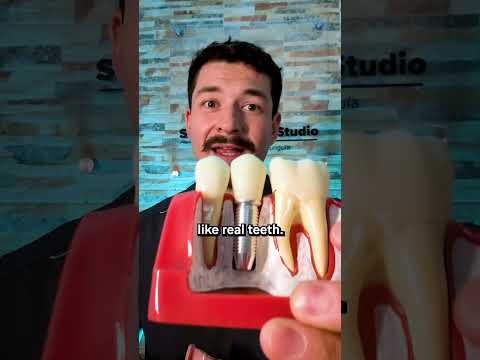






.png)
.png)
.png)
.png)



.jpg)
.jpg)
.jpg)
.jpg)









Share this listing