


Traveling across international borders for restorative healthcare has become a preferred choice for thousands of patients seeking high-quality, affordable treatments. Getting dental crowns and root canal in Mexico represents a significant opportunity for individuals facing exorbitant healthcare costs in their home countries. Patients frequently travel from northern states to southern border clinics, drawn by the promise of advanced technology and experienced practitioners.
We recently documented the journey of Lucretia Boyle, a patient who traveled all the way from Montana to receive extensive restorative dentistry. Her experience highlights the efficiency, precision, and compassionate care available at top-tier international dental facilities. This comprehensive guide examines the specific procedures she underwent, the timeline for recovery, and the critical factors that make cross-border dental care a viable solution for complex dental restorations.
Video Chapters & Quick Navigation
1. The Logistics of Traveling for Affordable Dental Care Abroad
The decision to leave one's home country for medical procedures requires careful consideration and planning. At [00:02], Lucretia notes that she traveled all the way from Montana to visit her chosen clinic. This geographic leap highlights the sheer financial disparity between local healthcare systems and international dental hubs.
Patients often find that local estimates for comprehensive dental restoration are entirely prohibitive. By seeking affordable dental care abroad, individuals can access the exact same premium materials, such as monolithic zirconia or E.max porcelain, at a fraction of the domestic price. The savings typically cover the cost of flights, accommodations, and local transportation combined.
Repeat visits are a strong indicator of clinical excellence and patient satisfaction within the medical tourism sector. As mentioned at [00:06], returning to a facility because of consistently positive outcomes provides peace of mind. Clinics that maintain strict sterilization protocols and employ board-certified specialists easily build lifelong relationships with international patients.
2. The Process of Replacing Multiple Dental Crowns in Mexico
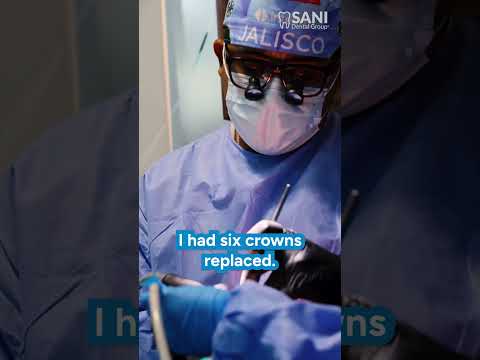
Over time, old dental restorations can crack, leak, or cause secondary decay underneath the prosthetic. At [00:10], the patient states she had six crowns replaced during her visit. Upgrading multiple restorations simultaneously is a highly efficient way to restore proper bite alignment and overall oral health.
Replacing multiple dental crowns in Mexico involves a meticulous clinical workflow. The attending dentist must first carefully remove the existing prosthetics without damaging the underlying dentin. Once removed, the natural tooth structure is cleaned, reshaped, and evaluated for structural integrity before new impressions are captured.
Modern clinics utilize state-of-the-art intraoral scanners to take digital impressions. This eliminates the need for uncomfortable, messy putty molds while providing the in-house dental laboratory with highly accurate 3D models. These digital blueprints ensure that the permanent crowns will fit precisely against the gum line, preventing future bacterial micro-leakage.
3. Understanding Endodontic Therapy: Root Canal Treatment in Mexico
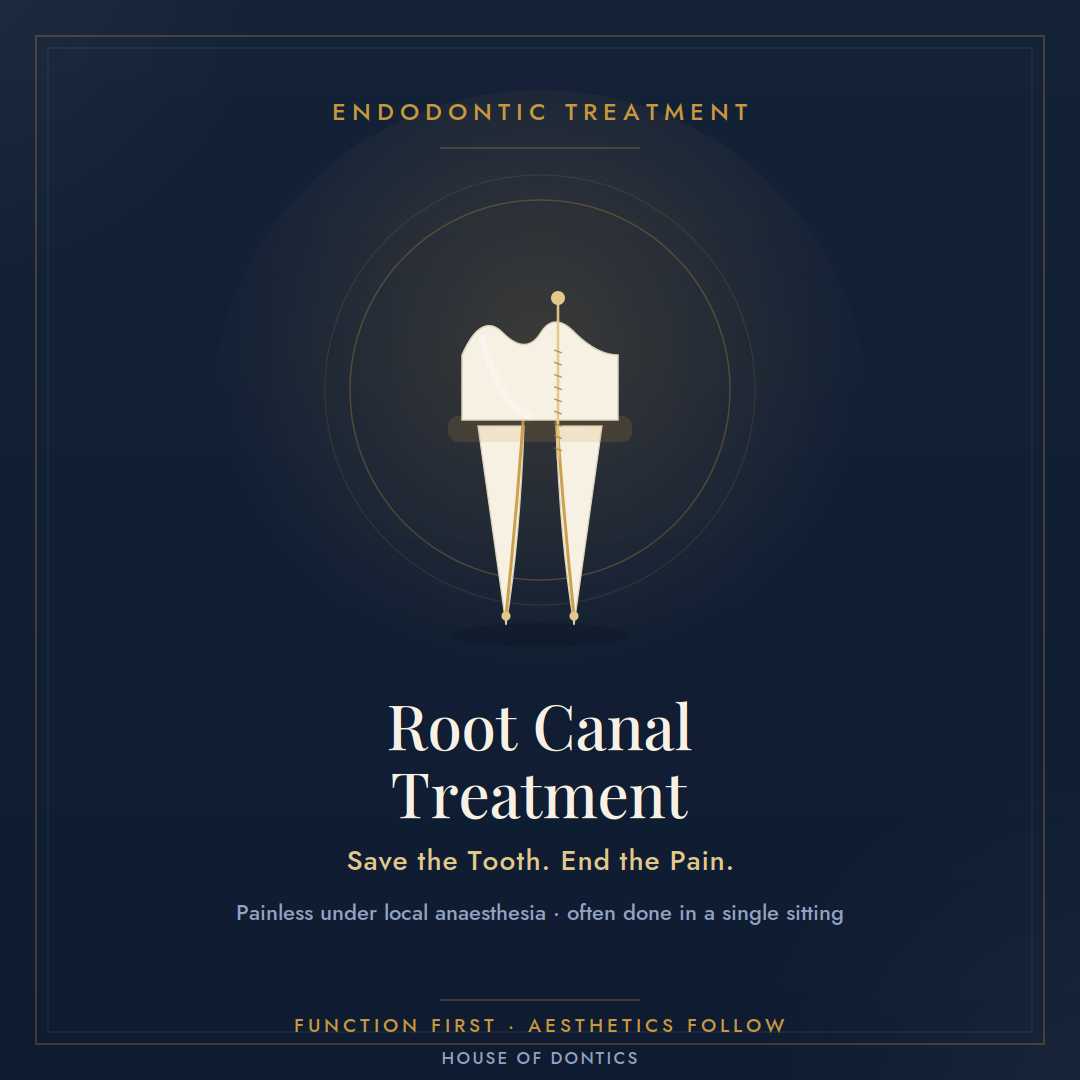
When severe decay penetrates the hard outer enamel and reaches the sensitive inner pulp, a localized infection occurs. At [00:14], the patient confirms she required a root canal as part of her comprehensive treatment plan. This specialized endodontic therapy is designed to salvage a severely compromised tooth rather than extracting it entirely.
Endodontists perform root canal treatment in Mexico using advanced rotary instruments and apex locators. These tools allow the specialist to clean out the infected nerve tissue thoroughly and shape the internal canals with microscopic precision. Local anesthesia ensures the entire procedure remains comfortable and pain-free for the patient.
After the canals are sterilized, they are sealed with a biocompatible material called gutta-percha. This prevents reinfection and preserves the natural root structure within the jawbone. Retaining the natural tooth root is vital for maintaining jawbone density and preventing surrounding teeth from shifting out of alignment.
Why Saving the Natural Tooth is Always Preferable
Extracting a tooth might seem like a quicker fix, but it often leads to cascading dental issues over time. Bone resorption naturally occurs when a tooth root is missing, which can alter facial structure and cause premature aging.
- Bone Preservation: A treated root continues to stimulate the surrounding alveolar bone.
- Bite Stability: Natural teeth maintain proper spacing, preventing adjacent teeth from drifting into empty sockets.
- Cost Efficiency: A root canal paired with a crown is generally more economical than an extraction followed by a titanium dental implant.
4. Dental Pin Placement for Structurally Compromised Teeth
Sometimes a tooth is so badly decayed or damaged that there isn't enough natural material left to hold a protective crown. At [00:16], Lucretia specifically mentions having a pin put into one of her teeth. This procedure is clinically known as a post and core buildup, and it is a critical step following a complex root canal.
Dental pin placement for weak teeth involves cementing a small metallic or fiberglass post directly into the cleaned root canal. This post acts as a sturdy internal anchor for the restorative core material that is subsequently built up around it. The core essentially replaces the missing dentin, providing a solid, stable foundation.
Without this structural reinforcement, a permanent crown would lack the necessary surface area to bond securely. The post and core buildup ensures that the final restoration can withstand the immense biting forces generated during chewing. This engineering approach maximizes the lifespan of the newly placed crown.
5. Rapid Turnaround Times for Full Mouth Restorations Abroad
One of the most frustrating aspects of domestic dental care is the waiting period between appointments. At [00:20], the patient cheerfully reveals that she feels wonderful and that it is only the third day of her treatment. Achieving such extensive work in merely three days is virtually unheard of in traditional local clinics.
This speed is facilitated by on-site dental laboratories equipped with CAD/CAM technology. When a clinic features in-house milling machines, technicians can design, fabricate, and polish permanent crowns within hours rather than weeks. This drastically reduces the time a patient has to wear fragile, sensitive temporary crowns.
Quick dental procedures in Mexico do not compromise on quality or longevity. The streamlined workflow is designed specifically for traveling patients who have a limited window of time. Expert coordination between the examining dentist, the endodontist, and the lab technicians ensures a seamless, highly accelerated treatment schedule.
The Technology Behind Fast Dental Restorations
Modern dentistry relies heavily on computerized systems to expedite the manufacturing process. These tools remove human error and speed up production times significantly.
- CEREC Milling Machines: These units carve custom crowns out of solid porcelain blocks in under an hour.
- 3D CBCT Scanners: These provide instant, three-dimensional views of the jawbone and nerve pathways to guide swift endodontic work.
- Digital Shade Guides: Electronic color matching tools instantly communicate the precise tint requirements to the lab.
6. The Importance of Natural-Looking Color Matching in Dentistry
Restoring functionality is only half the battle; the aesthetic outcome is equally important to a patient's confidence. At [00:24], Lucretia specifically praises the visual results, stating that the color matching was superb. Getting a flawless blend between artificial crowns and natural teeth is a delicate art.
Natural-looking dental crowns abroad are crafted by master ceramists who understand the subtle nuances of tooth aesthetics. Natural teeth are not flat, solid colors; they possess gradients, translucency near the biting edge, and distinct surface textures. A high-quality crown will mimic how light naturally passes through living enamel.
During the initial consultation, dentists use detailed shade guides under various lighting conditions to select the perfect hue, value, and chroma. If a patient is replacing front teeth, the clinic might even perform custom shading while the patient sits in the chair. This meticulous attention to cosmetic detail guarantees a seamless, beautiful smile.
7. Overcoming Dental Anxiety with a Compassionate Specialist
Undergoing multiple crowns and a root canal can be an intimidating prospect for anyone. At [00:27], the patient highlights that Dr. Andres was remarkably patient and kind throughout her treatment. The psychological comfort provided by the medical staff is a crucial component of successful dental tourism.
Finding the best dentist for nervous patients abroad requires looking beyond purely technical qualifications. A great practitioner takes the time to explain each step of the procedure, pauses when the patient needs a break, and ensures profound local anesthesia is achieved before beginning any work. This empathetic approach drastically reduces clinical anxiety.
Effective communication bridges any potential cultural or linguistic gaps. Top international clinics employ bilingual coordinators and English-speaking doctors who prioritize transparent dialogue. When patients feel heard and respected, their overall pain perception lowers, leading to a much smoother and more positive recovery experience.
8. Cost Comparison: Evaluating the True Value of Dental Tourism
The primary driver for cross-border healthcare is the drastic reduction in out-of-pocket expenses. Assessing the cost of full mouth restoration abroad reveals why so many Americans and Canadians willingly pack their bags. Even factoring in travel logistics, the financial math overwhelmingly favors international clinics for extensive restorative procedures.
In domestic markets, a single premium porcelain-fused-to-zirconia crown can easily exceed a thousand dollars. When a treatment plan requires six crowns, a root canal, and a core buildup, the total estimate often rivals the price of a small automobile. In contrast, international destinations maintain lower operational overhead and favorable exchange rates, passing those savings directly to the patient.
Transparency in billing is another hallmark of reputable medical tourism facilities. Patients receive itemized quotes prior to their arrival, eliminating the fear of hidden fees or surprise charges. This straightforward financial model empowers individuals to reclaim their oral health without plunging into crippling medical debt.
Average Cost Estimates: United States vs. Mexico
The table below illustrates the typical price differences for the restorative procedures discussed in this case study. Prices are approximate and vary based on material selection and specific clinic locations.
| Dental Procedure | Estimated US Cost | Estimated Mexico Cost | Potential Savings |
|---|---|---|---|
| Single Dental Crown (Zirconia/Porcelain) | $1,200 - $1,800 | $350 - $500 | Up to 70% |
| Root Canal Treatment (Molar) | $1,000 - $1,500 | $250 - $350 | Up to 75% |
| Post and Core Buildup (Pin Placement) | $300 - $500 | $100 - $150 | Up to 70% |
Ready to Restore Your Smile Abroad?
If you are facing high costs for crowns, root canals, or full mouth restorations, you don't have to compromise on quality. Connect with top-rated, board-certified dental specialists globally and receive a personalized treatment plan.
Get Free QuoteView Full Video Transcript
[00:00] My name is Lucretia Boyle.
[00:02] I came from Montana to this clinic.
[00:06] I've been before and have never had anything but good results.
[00:10] I had six crowns replaced.
[00:14] I had to have a root canal.
[00:16] I had to have a pin put in one tooth.
[00:20] I feel wonderful. This is the third day.
[00:22] Everything worked great.
[00:24] The color matching was superb.
[00:27] And Dr. Andres was so patient, kind, and did wonderful work.
[00:31] I'll be back again when I need more work. Thank you.

.png)












Share this listing