


Understanding Sperm Collection During the IVF Process at SAKALLI Nicosia, Cyprus
Understanding sperm collection during the IVF process is a critical first step for couples seeking advanced fertility solutions. Navigating male fertility evaluations can often feel intimidating and overwhelming for many prospective parents. At SAKALLI Clinic in Nicosia, Cyprus, world-class medical professionals guide patients through this vital procedure with compassion and cutting-edge technology. Preparing correctly for your in vitro fertilization cycle ensures the highest quality genetic material is available for the embryology team. Discover how advanced laboratory protocols and expert care can dramatically improve your overall reproductive success rates.
Video Chapters & Quick Navigation
The Crucial Role of Male Fertility in IVF Success
When discussing in vitro fertilization, the conversation often heavily revolves around female reproductive health and egg retrieval. However, male factor infertility accounts for nearly half of all global fertility struggles faced by couples today. The quality, motility, and overall health of the collected sperm play an absolutely foundational role in creating viable embryos.
Without healthy sperm, even the highest quality eggs will struggle to fertilize and develop into strong blastocysts. Medical experts at the SAKALLI Clinic emphasize that understanding male fertility is not just about sperm count, but also about the genetic integrity of each individual cell. High DNA fragmentation in sperm can lead to repeated implantation failures or early miscarriages.
Advanced diagnostic testing allows embryologists to evaluate the specific structural health of the sperm long before the collection day. By identifying potential issues early, the medical team can tailor the entire IVF protocol to circumvent biological hurdles. This proactive approach dramatically increases the chances of a successful clinical pregnancy on the very first embryo transfer.
How to Prepare for the Sperm Collection Process for IVF
Preparation for the sperm collection day begins long before the patient actually arrives at the fertility clinic. The biological lifecycle of sperm production takes approximately two to three months to complete within the male body. Therefore, any lifestyle changes or dietary improvements should ideally be implemented at least 90 days prior to the IVF cycle.
Clinicians strictly advise patients to observe a specific period of sexual abstinence before the scheduled collection. Typically, ejaculating two to five days before the procedure ensures an optimal balance between total sperm volume and cellular motility. Abstaining for too long can result in a higher percentage of dead or immotile sperm, while abstaining for too little time may yield an insufficient cellular count.
Patients are also guided to maintain excellent hydration and avoid environments that increase scrotal temperature, such as hot tubs or saunas. Exposure to high heat can temporarily halt sperm production and damage existing cells. Following these strict preparatory guidelines ensures that the laboratory receives the best possible sample for fertilization.
Key Lifestyle Modifications for Optimal Sperm Health
Optimizing male fertility requires a holistic approach to daily habits and nutritional intake. Small adjustments can yield significant improvements in seminal parameters. Consider the following crucial lifestyle modifications:
- Antioxidant Supplementation: Increasing intake of Vitamin C, Vitamin E, and CoQ10 to combat cellular oxidative stress.
- Eliminating Toxins: Completely ceasing smoking and drastically reducing alcohol consumption to protect DNA integrity.
- Weight Management: Maintaining a healthy Body Mass Index (BMI) to prevent hormone imbalances associated with excess body fat.
- Stress Reduction: Lowering cortisol levels through regular, moderate exercise and adequate nightly sleep.
Standard Sperm Collection Procedures at SAKALLI Nicosia
The standard sperm collection procedure is designed to be as private, comfortable, and stress-free as possible for the male patient. At the SAKALLI Clinic in Nicosia, dedicated collection rooms are provided within the facility to ensure immediate laboratory access. These rooms are entirely private, soundproofed, and furnished to promote a relaxed physiological state.
Patients are given sterile, medical-grade containers specifically designed to prevent any chemical contamination of the sample. It is vital that the patient washes their hands thoroughly and avoids using standard commercial lubricants, which often contain spermicidal agents. If a lubricant is absolutely necessary, the clinic will provide a specialized, fertility-safe alternative.
Once the sample is successfully collected, it is immediately passed through a secure, discreet window directly into the andrology laboratory. This rapid transfer is crucial because sperm cells begin to degrade quickly once exposed to the outside environment. The embryologists immediately place the sample in an incubator that perfectly mimics the temperature of the human body.
Advanced Sperm Extraction Techniques: TESE, PESA, and Micro-TESE
In cases of severe male infertility, standard ejaculation may not yield any viable sperm, a condition medically known as azoospermia. Fortunately, modern reproductive science offers highly effective surgical retrieval methods. The SAKALLI Clinic specializes in several advanced sperm extraction techniques tailored to the patient's specific diagnosis.
Testicular Sperm Extraction (TESE) involves making a tiny incision in the testicle to extract a small amount of tissue containing viable sperm. For patients with obstructive azoospermia, where a physical blockage prevents sperm transport, Percutaneous Epididymal Sperm Aspiration (PESA) is often utilized. This minimally invasive procedure uses a fine needle to gently draw fluid and sperm directly from the epididymis.
The most advanced option available is Microscopic Testicular Sperm Extraction (Micro-TESE). Utilizing a high-powered operating microscope, the fertility surgeon carefully searches for and isolates the exact tubules most likely to contain active sperm. This precise technique minimizes tissue damage and maximizes the chances of successful retrieval for men with severely impaired sperm production.
The Science of Laboratory Sperm Processing and Washing
Once the laboratory receives the raw semen sample, a meticulous scientific process known as sperm washing begins. Raw semen contains seminal fluid, prostaglandins, and various cellular debris that can actually inhibit fertilization in a clinical setting. The andrology team uses a specialized centrifuge technique to separate the highly motile, healthy sperm from the surrounding fluid.
This biological purification process concentrates the strongest reproductive cells into a small, highly active volume. Furthermore, the laboratory uses gradient solutions to filter out sperm cells with abnormal morphology or poor swimming patterns. The goal is to isolate an elite population of sperm that possess the highest probability of successfully penetrating an egg.
Sperm washing also triggers a natural biological phenomenon called capacitation. In a natural conception scenario, capacitation occurs as sperm travel through the female reproductive tract, granting them the hyper-motility needed to fertilize an egg. By simulating this environment in the lab, embryologists perfectly prime the collected sperm for the next crucial stage of the IVF process.
Intracytoplasmic Sperm Injection (ICSI): Revolutionizing Male Fertility
Historically, IVF relied entirely on conventional fertilization, where thousands of sperm were placed in a dish with an egg, hoping one would naturally penetrate the shell. While effective for female-factor infertility, this method often failed when male sperm motility or morphology was compromised. The introduction of Intracytoplasmic Sperm Injection (ICSI) completely revolutionized male fertility treatments.
During the ICSI procedure, a highly skilled embryologist utilizes micromanipulation tools to select a single, perfectly formed sperm cell. This individual sperm is immobilized and carefully drawn into a microscopic glass needle. The needle is then gently inserted directly into the center of the mature female egg, bypassing all natural biological barriers.
This technique guarantees that the sperm enters the egg, virtually eliminating fertilization failures caused by low sperm count or poor swimming ability. SAKALLI Clinic utilizes ICSI as a standard protocol for the vast majority of their international patients. This dedication to advanced fertilization mechanics ensures exceptional embryo creation rates, even in the most complex male infertility cases.
Sperm Freezing and Cryopreservation Options in Cyprus
Sperm freezing, scientifically known as cryopreservation, is a vital service offered alongside standard collection protocols. Many international patients traveling to Cyprus opt to freeze a backup semen sample upon arrival. This proactive measure eliminates the intense pressure of producing a perfect sample on the exact day of the female partner's egg retrieval.
The cryopreservation process involves mixing the washed sperm with a specialized protective solution called a cryoprotectant. This solution prevents the formation of deadly ice crystals inside the fragile cell structures during the freezing phase. The sample is then slowly cooled and ultimately submerged in liquid nitrogen at an incredibly frigid -196 degrees Celsius.
At these extreme temperatures, all biological activity within the sperm completely ceases, effectively pausing cellular aging indefinitely. When the time comes for fertilization, the sample is carefully thawed using rapid-warming protocols. Extensive clinical data confirms that properly cryopreserved sperm retains virtually identical fertilization capabilities to a fresh sample.
Why SAKALLI Clinic in Nicosia, Cyprus is a Premier IVF Destination
Medical tourism for fertility treatments has seen an exponential rise, with Cyprus emerging as a premier global destination. The SAKALLI Clinic in Nicosia stands at the forefront of this medical revolution, attracting patients from the United Kingdom, Europe, and North America. The clinic combines highly regulated European medical standards with a deeply compassionate, patient-first philosophy.
One of the primary reasons couples choose Nicosia is the favorable legal framework surrounding assisted reproductive technology in Northern Cyprus. Unlike many Western nations, Cyprus allows for flexible treatment protocols, including legal sperm and egg donation, as well as comprehensive genetic screening. This regulatory freedom allows fertility specialists to utilize every available medical advancement to achieve a successful pregnancy.
Furthermore, the environment in Cyprus contributes significantly to the healing and recovery process. Patients can undergo their complex fertility treatments while recovering in a beautiful, sun-drenched Mediterranean setting. The reduction in psychological stress combined with top-tier medical care creates an optimal biological environment for successful embryo implantation.
Navigating the Emotional Journey of Male Infertility
The emotional toll of navigating male infertility is a highly complex, yet frequently under-discussed aspect of the IVF journey. Society often places an immense, unspoken pressure on male reproductive capabilities, leading to profound feelings of inadequacy and silent distress. Receiving a diagnosis of low sperm count or poor motility can trigger severe anxiety and emotional withdrawal in male patients.
The clinical environment during the actual sperm collection process can inadvertently compound these feelings of stress. Performance anxiety on the day of the procedure is a recognized medical phenomenon that can actually impact the quality of the sample. The team at SAKALLI Clinic is acutely aware of these psychological hurdles and actively works to mitigate clinical sterility.
Providing professional psychological support and normalizing the reality of male factor infertility are cornerstones of a successful fertility program. Counselors are available to help couples navigate the heavy emotional burdens, ensuring that both partners feel equally supported. Addressing mental health simultaneously with physical treatments leads to a much stronger, more resilient foundation for future parenthood.
Comparing IVF and Sperm Extraction Costs: Cyprus vs. Global Averages
The financial barrier to accessing high-quality IVF treatments prevents countless couples from realizing their dreams of building a family. In countries like the United States and the United Kingdom, a single cycle of IVF combined with advanced ICSI and micro-TESE can easily bankrupt an average household. The exorbitant fees for laboratory processing and surgical extraction force many to seek viable medical alternatives abroad.
Cyprus offers an incredibly compelling financial advantage without sacrificing a single degree of medical excellence. The operational costs, facility overheads, and administrative fees are significantly lower in Nicosia, allowing clinics to pass massive savings directly to the patient. Couples frequently discover that they can fund their entire medical treatment, flights, and a luxury hotel stay for less than the cost of a basic cycle in their home country.
Global Fertility Cost Comparison Table
| Procedure / Treatment | United States Average | United Kingdom Average | SAKALLI Cyprus Average |
|---|---|---|---|
| Standard IVF with ICSI | $15,000 - $20,000 | £6,000 - £8,000 | $3,500 - $4,500 |
| Surgical Extraction (TESE/PESA) | $2,500 - $4,000 | £1,500 - £2,500 | $800 - $1,200 |
| Sperm Cryopreservation (Freezing) | $500 - $1,000 | £350 - £600 | $250 - $400 |
Understanding the Timelines: From Collection to Embryo Transfer
The timeline of an IVF cycle requires precise synchronization between both partners' biological rhythms. The sperm collection is meticulously timed to coincide directly with the female partner's egg retrieval procedure. If a fresh transfer is planned, the laboratory begins the ICSI fertilization process on the exact same day both materials are gathered.
Over the next three to five days, the highly trained embryologists carefully monitor the developing embryos inside advanced incubation chambers. They evaluate the cellular division rate, structural integrity, and overall viability of each individual embryo. On day five, the strongest blastocyst is selected for transfer back into the uterus, maximizing the potential for a successful implantation.
For couples utilizing genetic testing or opting for a frozen embryo transfer, the timeline is slightly extended. The fertilized embryos are cryopreserved on day five, allowing the female partner's body to rest and hormonal levels to return to baseline. This strategic pacing often results in a more receptive uterine environment, further boosting the clinical success rates of the entire reproductive endeavor.
Ready to Begin Your IVF Journey in Cyprus?
PlacidWay Medical Tourism connects you directly with the world-renowned experts at SAKALLI Clinic in Nicosia. Receive a comprehensive treatment plan, detailed cost estimates, and personalized medical guidance tailored to your unique fertility needs.
GET A FREE QUOTE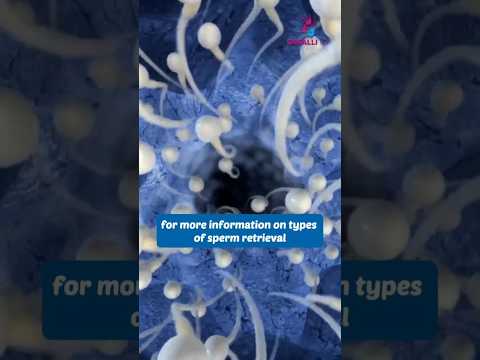



.png)

-Package-in-Kyrenia,-Cyprus-by-Kyrenia-IVF-Center.jpg)


.jpg)









Share this listing