


Navigating the complex landscape of reproductive health requires access to reliable, specialized information and world-class medical care. For couples facing challenging fertility diagnoses, exploring options like highly successful IVF treatment in Cyprus has become a recognized pathway to building a family. Medical tourism for reproductive endocrinology offers a unique combination of advanced laboratory technologies, experienced fertility specialists, and cost-effective treatment protocols.
Patients researching the best IVF clinics for international patients must evaluate multiple clinical and logistical factors before initiating their journey. Understanding the step-by-step procedures, the emotional resilience required, and the specific diagnostic tests involved empowers individuals to make informed healthcare decisions. This comprehensive resource breaks down every crucial element of assisted reproductive technology, ensuring you are fully prepared for the medical, financial, and emotional aspects of achieving a healthy pregnancy.
Video Chapters & Quick Navigation
- 1. Building Emotional Resilience During Fertility Treatments
- 2. Step-by-Step Breakdown of the IVF Protocol
- 3. Advanced Ultrasound Monitoring and Clinical Milestones
- 4. Why Affordable IVF Treatment Abroad Attracts Global Patients
- 5. Utilizing Preimplantation Genetic Testing for Higher Success
- 6. Addressing Complex Male and Female Infertility Solutions
- 7. Optimizing Nutrition and Lifestyle Prior to Embryo Transfer
- 8. Planning for the Potential Reality of Twin Pregnancies
1. Building Emotional Resilience During Fertility Treatments
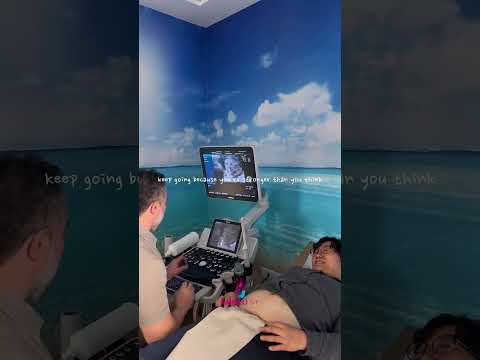
Embarking on a comprehensive fertility journey demands an extraordinary level of psychological endurance and mental fortitude. Medical professionals routinely emphasize that maintaining hope is critical, as the process often involves unexpected clinical hurdles. As noted by leading specialists, [00:00] the fundamental truth of reproductive medicine is that you must simply keep moving forward despite the inevitable challenges. This mindset is not merely motivational; it directly correlates with patients completing the recommended number of cycles necessary for statistical success.
The continuous cycle of hormone injections, invasive monitoring, and anxious waiting periods can severely elevate systemic stress levels. High concentrations of cortisol in the bloodstream have been documented to negatively influence reproductive hormone balance and overall endometrial receptivity. Clinics specializing in high IVF success rates for women over 40 prioritize psychological counseling as a core component of their treatment protocols. Addressing this emotional weight proactively ensures the physical body remains in an optimal state for complex medical interventions.
Support networks play an indispensable role in navigating these deeply personal medical challenges. Engaging with specialized fertility support groups allows international patients to share critical logistical and emotional advice. Acknowledging that [00:03] repeating affirmations and maintaining forward momentum is part of the clinical strategy helps mitigate feelings of isolation. Comprehensive care models recognize that robust mental health significantly enhances the overall patient experience and contributes to positive clinical outcomes.
2. Step-by-Step Breakdown of the IVF Protocol
Before any targeted medications are prescribed, reproductive endocrinologists conduct exhaustive baseline diagnostic evaluations. This preliminary phase involves assessing the female partner's ovarian reserve through AMH (Anti-Mullerian Hormone) blood tests and detailed antral follicle counts. The precise data gathered dictates the highly customized ovarian stimulation protocol necessary to maximize egg yield while preventing complications like Ovarian Hyperstimulation Syndrome (OHSS). Exact medication dosages are calculated based on maternal age, body mass index, and previous clinical responses.
The active stimulation phase requires daily administration of subcutaneous exogenous gonadotropins. These advanced injectable medications bypass the body's natural cycle, forcing the ovaries to mature multiple follicles simultaneously. Cultivating a larger cohort of eggs is essential to offset the natural biological attrition rate that occurs during fertilization and subsequent embryonic development. Patients undergo frequent clinical monitoring to track the exact dimensional growth of these crucial ovarian follicles.
Once the leading follicles achieve the optimal diameter of 18 to 20 millimeters, the physician orders a precise trigger injection containing hCG or a Lupron agonist. This singular injection initiates the critical final maturation phase of the oocytes. Exactly 34 to 36 hours following this trigger shot, the minimally invasive transvaginal egg retrieval procedure is performed under twilight anesthesia. This surgical milestone physically transitions the patient from the preparation phase directly into the embryology stage.
3. Advanced Ultrasound Monitoring and Clinical Milestones
Transvaginal ultrasound technology serves as the primary visual diagnostic tool throughout every stage of assisted reproductive procedures. During the stimulation phase, high-resolution imaging allows the medical team to measure the fluid-filled sacs within the ovaries with sub-millimeter accuracy. This precise tracking ensures that the costly fertility medications are achieving the desired biological response without overstimulating the delicate ovarian tissue. It is a highly specialized skill that distinguishes top-tier international fertility centers.
Ultrasounds are equally vital for assessing the structural integrity and thickness of the endometrial lining prior to any embryo transfer. A highly receptive uterus typically displays a distinct trilaminar, or "triple-line," pattern and measures at least seven to eight millimeters in thickness. [00:05] Visualizing these perfect clinical conditions serves as a powerful reminder of why patients endure the rigorous preparation, proving that disciplined adherence to protocols yields tangible results. Correcting any visualized abnormalities, such as polyps or thin lining, drastically improves implantation odds.
Following a successful embryo transfer and subsequent positive beta hCG tests, early obstetric ultrasounds become the focus of celebration. The initial confirmation scan, typically performed around the sixth week of gestation, verifies the exact location of the gestational sac and detects the initial fetal cardiac activity. Witnessing that initial heartbeat represents the monumental transition from an infertility patient to an expectant parent, validating months of intense medical intervention.
4. Why Affordable IVF Treatment Abroad Attracts Global Patients
The global landscape of reproductive healthcare has shifted dramatically, with specific regions emerging as dominant hubs for medical tourism. Countries offering affordable IVF treatment in Cyprus attract thousands of international couples seeking high-quality clinical care without prohibitive domestic pricing. The robust regulatory frameworks in these specialized regions permit progressive treatments, such as comprehensive gender selection and anonymous gamete donation. These highly sought-after options are often heavily restricted or entirely banned in Western Europe and North America.
Cost efficiency remains a primary driver for patients exploring cross-border reproductive care. Full-cycle treatment packages abroad frequently cost sixty to seventy percent less than equivalent procedures performed in the United States. Crucially, this significant reduction in price does not indicate a compromise in laboratory standards, medical expertise, or clinical success rates. The leading overseas facilities strictly utilize FDA-approved medications and maintain cutting-edge ISO-certified embryology laboratories.
| Region / Country | Average Cost per Cycle (USD) | Availability of Gender Selection | Waiting Lists for Donors |
|---|---|---|---|
| United States | $15,000 - $25,000 | Available but Highly Expensive | Moderate to Long |
| United Kingdom | $8,000 - $12,000 | Strictly Prohibited | Extremely Long |
| Cyprus | $3,500 - $5,500 | Fully Legal & Accessible | Zero to Minimal Wait |
Beyond the financial relief, specialized clinics offer streamlined concierge services to alleviate travel-related anxieties. Dedicated international patient coordinators handle airport transfers, specialized accommodation bookings, and translation services. This holistic approach allows the patient to focus entirely on their clinical requirements and stress reduction rather than complex logistical planning.
5. Utilizing Preimplantation Genetic Testing for Higher Success
The integration of Preimplantation Genetic Testing (PGT) has revolutionized the way embryologists select the most viable embryos for transfer. By meticulously screening blastocysts for chromosomal aneuploidy, clinical teams drastically reduce the likelihood of early miscarriage and implantation failure. Ensuring that an embryo contains the exact correct number of chromosomes is particularly vital for mitigating age-related fertility decline. This advanced laboratory procedure significantly boosts the statistical probability of achieving a live birth per transfer.
The technical biopsy process is performed by highly skilled embryologists on the fifth or sixth day of embryonic development. Using specialized microsurgical lasers, a minute cluster of cells is safely extracted from the trophectoderm layer, which eventually forms the placenta. [00:11] Enduring the intense waiting period for these genetic results proves patients possess profound inner strength. Following the biopsy, the delicate embryos are immediately cryopreserved using an ultra-rapid cooling technique known as vitrification.
Once the genetic sequencing reports are finalized, patients receive a comprehensive breakdown of their available euploid embryos. This transparent clinical data empowers couples to confidently schedule their frozen embryo transfer (FET) cycles. Transferring genetically verified embryos effectively eliminates much of the guesswork associated with traditional morphology-based grading systems. Clinics utilizing routine PGT-A consistently report the highest live birth success rates in the industry.
6. Addressing Complex Male and Female Infertility Solutions
Comprehensive fertility assessments must thoroughly investigate both maternal and paternal contributing factors simultaneously. Male factor infertility accounts for nearly half of all difficult conception cases, requiring specialized andrology interventions. Advanced diagnostics evaluate not only standard sperm count and motility but also hidden factors like severe DNA fragmentation. Utilizing high-magnification selection techniques ensures only the most structurally perfect sperm are chosen for the delicate fertilization process.
Intracytoplasmic Sperm Injection (ICSI) is globally recognized as the gold standard for circumventing severe male reproductive barriers. Instead of relying on conventional petri dish fertilization, an embryologist manually injects a single, verified sperm directly into the cytoplasm of the mature egg. This highly precise intervention virtually guarantees fertilization attempts even in cases of severely compromised semen parameters. Specialized clinics include ICSI as a standard protocol rather than treating it as an expensive optional add-on.
For female patients, overcoming complex anatomical or endocrine barriers requires individualized, dynamic treatment plans. Conditions such as severe endometriosis, Polycystic Ovary Syndrome (PCOS), and diminished ovarian reserve demand nuanced hormonal adjustments. Reproductive endocrinologists may employ extended down-regulation protocols or specialized trigger timing to combat these specific diagnoses. Tailoring the entire timeline to the specific biological reality of the patient is the hallmark of premium reproductive care.
- Endometrial Receptivity Analysis (ERA): Pinpointing the exact genomic window of implantation for patients with repeated unexplained transfer failures.
- Microfluidic Sperm Sorting: Utilizing advanced microchip technology to isolate healthy sperm without applying damaging centrifugal force.
- Assisted Hatching: Using precision lasers to thin the zona pellucida, aiding the embryo in successfully breaking out to implant in the uterine wall.
- Immunological Protocol Adjustments: Administering Intralipids or specific steroids to suppress an overactive maternal immune system prior to transfer.
7. Optimizing Nutrition and Lifestyle Prior to Embryo Transfer
Achieving optimal physical health in the months preceding an embryo transfer lays the critical foundation for sustained implantation. Fertility nutritionists universally recommend adopting a strict Mediterranean diet rich in powerful antioxidants, lean proteins, and essential omega-3 fatty acids. This specific nutritional framework is clinically proven to reduce systemic inflammation and dramatically improve ovarian blood flow. By actively managing their dietary intake, patients gain a vital sense of control over their otherwise unpredictable medical journey.
Targeted supplementation plays a major role in optimizing cellular health prior to undergoing exogenous hormone stimulation. High-quality Coenzyme Q10 (CoQ10) is frequently prescribed to enhance mitochondrial energy production within aging oocytes. [00:15] Every positive lifestyle modification implemented pushes the patient measurably closer to their ultimate family-building goals. Maintaining adequate Vitamin D and specialized folate levels ensures the body is chemically primed for early fetal development.
Acupuncture and holistic therapies are increasingly integrated into evidence-based modern fertility treatments to promote deep relaxation and vascular support. Specifically scheduled acupuncture sessions on the day of the embryo transfer have been shown to relax uterine spasms and promote a calm central nervous system. Focusing strictly on low-impact activities like prenatal yoga or restorative walking prevents cortisol spikes during the sensitive two-week wait. This comprehensive mind-body approach solidifies the ideal environment for a successful pregnancy.
8. Planning for the Potential Reality of Twin Pregnancies
The statistical likelihood of achieving a multiple pregnancy increases significantly when utilizing specific assisted reproductive technologies. While many modern international clinics advocate for elective single embryo transfers (eSET) to minimize obstetric risks, specific clinical scenarios may warrant the transfer of two embryos. This practice is often considered for older demographics or individuals with a history of recurrent implantation failure. Patients must engage in detailed consultations with their physicians to weigh the medical risks against the potential rewards.
Experiencing a twin pregnancy requires immediate enrollment in specialized high-risk maternal-fetal medicine programs. Obstetricians closely monitor cervical length, fetal growth discordance, and maternal blood pressure starting early in the first trimester. [00:20] Despite the increased monitoring, parents facing this outcome deeply understand that their immense clinical perseverance has yielded abundant results. The prospect of instantly completing a family dynamic is an incredible motivation for international patients.
The logistical preparation for twins involves significantly modifying postpartum expectations and practical living arrangements. Securing comprehensive neonatal insurance and planning for potential brief stays in a Neonatal Intensive Care Unit (NICU) ensures total readiness. Ultimately, the successful delivery of healthy babies, whether singletons or multiples, represents the absolute pinnacle of the long, arduous medical journey. It completely validates the immense financial investment and the geographical distances traveled to seek superior reproductive healthcare.
Ready to Take the Next Step in Your Fertility Journey?
Connect with leading international specialists to explore your personalized treatment plan. Discover how affordable, high-success reproductive care in Cyprus can turn your dreams of parenthood into reality.
Get Free QuoteView Full Video Transcript
[00:00] The truth is you must keep going.
[00:03] I repeat keep going.
[00:05] Why? Because you deserve to see what happens when all your hard work pays off.
[00:11] Keep going because you're stronger than you think.
[00:15] Keep going because each step forward brings you one step closer to your goals.
[00:20] Keep going because the best is yet to come.


.png)

-Package-in-Kyrenia,-Cyprus-by-Kyrenia-IVF-Center.jpg)


.jpg)









Share this listing