


Fortis Hospital Malar Heart Transplant: The Ultimate Guide to Cardiac Care in India
Facing an end-stage cardiac diagnosis is overwhelming, but the renowned Fortis Hospital Malar Heart Transplant program offers a beacon of hope for international patients. When conservative heart failure treatments no longer provide relief, securing a life-saving organ transplant becomes the highest priority. Today, patients from across the globe travel to Chennai, India, to access world-class cardiothoracic surgical expertise without the astronomical wait times and financial burdens found in Western healthcare systems. Watch to discover how Fortis Malar is pioneering advanced cardiovascular medicine and transforming patient lives.
Video Chapters & Quick Navigation
- Advanced Heart Failure & Transplant Need
- Why Choose Fortis Malar Chennai?
- The Comprehensive Evaluation Process
- Cost of Heart Transplant Surgery in India
- LVADs and Bridge-to-Transplant Therapy
- Inside the Operating Room: The Procedure
- Pediatric Heart Transplant Excellence
- Post-Operative Care & Long-Term Health
Understanding Advanced Heart Failure and the Need for Transplant
Heart failure is a progressive and chronic condition where the heart muscle is unable to pump enough blood to meet the body's essential needs for blood and oxygen. When a patient reaches end-stage heart failure, standard medical therapies—such as beta-blockers, ACE inhibitors, and lifestyle modifications—are no longer effective at managing symptoms. At this critical juncture, medical professionals must consider surgical intervention to prolong life and restore physical capability. As highlighted in the video at , severe coronary artery disease, dilated cardiomyopathy, and congenital heart defects are leading causes that drive patients toward a heart transplant.
End-stage cardiac disease severely limits a patient's quality of life, causing debilitating shortness of breath, severe fluid retention, and chronic fatigue even while at rest. The deterioration of the heart muscle means that organs such as the kidneys and liver are at high risk of secondary failure due to lack of adequate perfusion. A heart transplant represents the ultimate treatment for refractory heart failure, offering patients a second chance at life. By replacing the diseased heart with a healthy, functioning donor heart, the body’s circulatory system is immediately revitalized.
However, securing an organ transplant is a highly complex medical and logistical challenge. It requires a vast network of donor matching systems, rapid transportation logistics, and highly specialized surgical teams. For many international patients, the waitlists in their home countries can stretch for years, which is time they simply do not have. This urgent reality forces many to explore advanced medical tourism options, seeking out premier healthcare institutions capable of performing life-saving cardiothoracic surgery with high success rates.
Why Choose Fortis Malar Hospital for Heart Transplant in India?
Located in Chennai, Fortis Malar Hospital has cemented its reputation as a global center of excellence for advanced cardiac care. The hospital is internationally recognized for running one of the most prolific and successful heart transplant programs in South Asia. Patients flock to this institution because it combines cutting-edge medical technology with decades of specialized surgical experience. The hospital's dedicated heart failure and transplant clinic operates with strict adherence to international medical protocols, ensuring outcomes that rival top hospitals in the United States and Europe.
World-Class Cardiac Surgeons and Medical Infrastructure
The success of the Fortis Hospital Malar heart transplant program is largely driven by its elite team of cardiothoracic surgeons, transplant cardiologists, and specialized intensivists. As noted at , the surgical teams here often possess advanced fellowships from leading global medical institutions. They bring innovative surgical techniques, such as the bi-caval approach, which preserves normal atrial anatomy and reduces post-operative complications like arrhythmias. The hospital itself is equipped with ultra-modern, HEPA-filtered operating theaters designed specifically to mitigate infection risks during major organ transplants.
Furthermore, Fortis Malar features state-of-the-art Cardiac Intensive Care Units (CICU) outfitted with the latest life-support technologies. This includes Extracorporeal Membrane Oxygenation (ECMO) machines and intra-aortic balloon pumps, which are vital for supporting patients before, during, and immediately after a complex transplant operation. The nursing staff in these units undergo rigorous, specialized training to monitor heart transplant recipients, ensuring that any subtle signs of acute organ rejection or infection are identified and managed immediately.
A True Multidisciplinary Approach
A successful heart transplant is never the result of a single surgeon's work; it requires a vast, multidisciplinary team. At Fortis Malar, the approach to patient care is highly collaborative. The team includes not only transplant surgeons but also immunologists, infectious disease specialists, transplant coordinators, dietitians, and psychological counselors. This comprehensive care model ensures that every aspect of the patient's health—from their immune system readiness to their mental fortitude—is optimized for the arduous journey of organ transplantation.
The Comprehensive Heart Transplant Evaluation Process
Before a patient can be placed on the active transplant waiting list, they must undergo an exhaustive medical evaluation. The goal of this assessment is twofold: to confirm that a heart transplant is absolutely necessary and to ensure the patient is physically and mentally capable of surviving the surgery and adhering to the strict post-operative lifestyle. The evaluation phase at Fortis Malar takes several days and involves a battery of high-resolution imaging and functional tests. At , the video explains the rigorous nature of this diagnostic phase.
Patients undergo cardiopulmonary stress testing, advanced echocardiograms, and right heart catheterization. The right heart catheterization is particularly crucial, as it measures the pulmonary artery pressure. If a patient has irreversible pulmonary hypertension, a heart transplant alone may fail, as the new right ventricle may not be able to pump against the high lung pressures. In such cases, a combined heart-lung transplant might be necessary. Blood tests are also extensive, evaluating kidney and liver function, screening for active infectious diseases (like HIV, Hepatitis B and C), and determining the patient’s precise blood type and Panel Reactive Antibody (PRA) levels.
Psychological and social evaluations are equally critical components of the pre-transplant workup. Organ transplantation demands lifelong compliance with a complex regimen of immunosuppressive medications. The psychiatric team at Fortis Malar assesses the patient's support system, mental resilience, and willingness to follow strict medical guidelines. Once the multidisciplinary committee reviews all diagnostic data and approves the patient, they are officially registered with the state and national organ allocation networks, such as the Transplant Authority of Tamil Nadu (TRANSTAN).
Navigating the Cost of Heart Transplant Surgery in India
One of the primary driving factors for medical tourism to India is the drastic difference in healthcare costs compared to Western nations. In the United States, a heart transplant, including the pre-transplant evaluation, surgery, and immediate post-operative care, can easily exceed $1.4 million. For uninsured or underinsured patients, this price tag is an insurmountable barrier to survival. Conversely, the cost of heart transplant surgery in India is remarkably affordable, without compromising on surgical quality, safety protocols, or medical technology.
At top-tier facilities like Fortis Hospital Malar, an all-inclusive heart transplant package typically ranges from $60,000 to $85,000 USD. This represents a monumental cost saving. As detailed at , these packages generally cover the recipient's surgery, the cost of harvesting the donor heart, ICU stays, standard immunosuppressive induction therapy, and hospital accommodation for the patient and a companion. Below is a brief comparative breakdown of estimated transplant costs globally.
| Country | Estimated Cost (USD) | Quality of Medical Care |
|---|---|---|
| United States | $1,400,000+ | Excellent |
| United Kingdom | $700,000 - $900,000 | Excellent |
| Singapore | $400,000 - $600,000 | Excellent |
| India (Fortis Malar) | $60,000 - $85,000 | Excellent |
Through partnerships with medical tourism facilitators like PlacidWay, international patients can navigate these costs transparently. These facilitators assist in handling complex logistical elements such as securing medical visas, arranging accessible local accommodations for the extensive recovery period, providing language translators, and ensuring seamless communication between the patient's home cardiologist and the surgical team in Chennai. This holistic support removes the administrative stress from the patient, allowing them to focus entirely on their health and recovery.
LVADs and Bridge-to-Transplant Therapy
Because the demand for viable donor hearts far exceeds the supply, wait times can be highly unpredictable. For patients whose condition is rapidly deteriorating while on the waitlist, Fortis Hospital Malar offers advanced "Bridge-to-Transplant" therapies. The most prominent of these interventions is the implantation of a Left Ventricular Assist Device (LVAD). An LVAD is a sophisticated mechanical pump surgically implanted into the patient's chest that takes over the pumping function of the failing left ventricle, continuously circulating blood throughout the body.
As mentioned in the video at , modern LVADs, such as the HeartMate series, are engineering marvels. They operate quietly and are powered by external batteries that the patient wears discreetly in a harness or belt. The implantation of an LVAD stabilizes the patient's hemodynamics, reversing organ dysfunction caused by poor circulation. This ensures that the patient is in a much healthier physical state when a donor heart finally becomes available, drastically improving the chances of a successful transplant surgery.
In some cases, for patients who are not eligible for a heart transplant due to age or other comorbidities, LVADs are utilized as "Destination Therapy." This means the mechanical device remains in the patient permanently to support heart function for the rest of their life. The cardiac surgeons at Fortis Malar are highly proficient in both LVAD implantation and the subsequent complex explantation required when transitioning from the mechanical device to a biological donor heart.
Inside the Operating Room: The Heart Transplant Procedure
The heart transplant surgery itself is a masterclass in medical precision and timing. The entire process hinges on "ischemic time"—the crucial window of time the donor heart can survive outside a human body, which is typically limited to four to six hours. Once a compatible donor heart is identified, a specialized procurement team is dispatched to retrieve the organ. The heart is meticulously cooled and preserved in a specialized cardioplegic solution before being rapidly transported to Fortis Malar, often utilizing green corridors (police-cleared traffic routes) and helicopter airlifts.
While the organ is in transit, the recipient is brought into the operating theater and prepared for surgery. The patient is placed under deep general anesthesia, and an incision is made down the center of the chest through the sternum (median sternotomy). To keep oxygenated blood flowing to the brain and vital organs while the heart is removed, the patient is connected to a cardiopulmonary bypass machine (heart-lung machine). As seen at , this transition is a delicate, highly monitored phase of the procedure.
The diseased heart is excised, leaving the back walls of the upper chambers (atria) intact to serve as anchor points. The surgeon then meticulously sews the healthy donor heart into place, connecting the major blood vessels—the aorta and pulmonary artery. Once the vascular connections (anastomoses) are secure, blood flow is restored to the new heart. The newly warmed blood typically causes the heart to begin beating spontaneously; if not, a mild electrical shock is administered to establish a normal sinus rhythm. The patient is slowly weaned off the bypass machine, and the chest cavity is carefully closed with surgical wires.
Pediatric Heart Transplant Excellence in India
Performing a heart transplant on an adult is immensely complex, but pediatric heart transplants require an even higher level of specialized expertise. Infants and children suffering from severe congenital heart defects, such as hypoplastic left heart syndrome or pediatric cardiomyopathy, face unique physiological challenges. Fortis Hospital Malar stands out as a premier destination for pediatric heart transplants in India, boasting a dedicated pediatric cardiothoracic wing staffed by experts trained in managing the delicate hemodynamics of small bodies.
The pediatric program at Fortis involves specialized donor matching, as the size and weight of the donor heart must closely match the young recipient's chest cavity. Immunosuppression management in children is also uniquely challenging, as it must balance the prevention of organ rejection while allowing for normal growth and development. The hospital's success rates in pediatric cardiac surgeries have given international families immense hope, offering survival pathways for children who had exhausted all medical options in their home countries.
Post-Operative Recovery and Long-Term Cardiac Health
The successful completion of the surgery marks the beginning of an intensive recovery journey. Immediately following the procedure, the patient is transferred to the Cardiac Intensive Care Unit (CICU), where they are monitored around the clock. During these initial 24 to 48 hours, the medical team is hyper-vigilant for signs of bleeding, right heart failure, or early acute rejection. Hemodynamic stability is maintained through intravenous medications, and the patient is gradually awakened and taken off the mechanical ventilator.
Immunosuppression and Rejection Monitoring
Because the body's immune system inherently recognizes the new heart as a foreign object, it will naturally try to attack and destroy it. To prevent this, patients must begin a lifelong regimen of immunosuppressive drugs immediately. As detailed at , this typically involves a triple-drug therapy regimen consisting of calcineurin inhibitors (like Tacrolimus), antiproliferative agents (like Mycophenolate Mofetil), and corticosteroids. While these medications save the organ, they also lower the body's overall immunity, making the patient highly susceptible to opportunistic infections.
To monitor for cellular organ rejection, patients undergo routine endomyocardial biopsies during the first year of recovery. Using a catheter threaded through a vein in the neck or groin, a cardiologist extracts a tiny piece of heart tissue. This tissue is examined under a microscope to detect microscopic signs of immune system attack. If rejection is detected early, the transplant team can simply adjust the dosage of immunosuppressants to reverse the process without the patient ever feeling symptoms.
Cardiac Rehabilitation and Lifestyle Integration
Physical recovery is facilitated through a structured cardiac rehabilitation program. Because the new heart is completely denervated—meaning its connections to the nervous system were severed during surgery—it does not respond to physical exertion in the same way the old heart did. Patients must undergo physical therapy to retrain their body and understand their new heart's slower response times to exercise. A specialized, low-sodium, heart-healthy diet is also strictly enforced to prevent coronary allograft vasculopathy (a form of accelerated artery disease common in transplant hearts).
The journey to a new heart at Fortis Hospital Malar in Chennai is one of profound transformation. With access to world-class surgical expertise, dramatically lower treatment costs, and a comprehensive ecosystem of care facilitated by medical tourism experts, international patients are finding renewed life and vitality. While the path involves rigorous medical compliance and a significant lifestyle adjustment, the reward is a return to an active, fulfilling life free from the constraints of end-stage heart failure.
Ready to Explore Heart Transplant Options in India?
Take the first step towards renewed health. PlacidWay Medical Tourism connects international patients with top-tier cardiac programs like Fortis Hospital Malar. We assist with medical visas, travel logistics, and securing comprehensive treatment packages.
GET A FREE MEDICAL QUOTE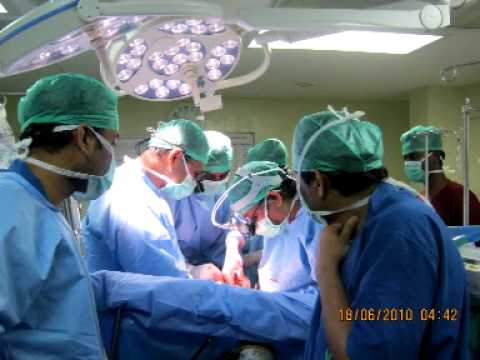









.png)










Share this listing